

For small to mid-sized businesses, social media isn’t just about posting; it’s about making every post count. With limited time and budget, you need strategies that deliver tangible results. This article cuts through the hype to show you how AI, when applied strategically, can help your team gain deeper insights, optimize content, and ultimately drive real business growth on social media.
We’ll focus on practical applications that work within real-world constraints, helping you prioritize what to implement now, what to delay, and what to avoid entirely to maximize your impact.
Prioritizing AI for Social Media: Where to Start
When resources are tight, the first step is to identify AI applications that offer the highest return on effort. For SMBs, this means focusing on areas that directly improve content effectiveness and audience understanding, rather than chasing every new feature.
- Content Analysis & Optimization: This is your immediate win. AI can quickly analyze past post performance, identify trending topics relevant to your niche, and even suggest optimal content formats or keywords. Instead of guessing, you get data-driven recommendations on what resonates with your audience. This directly informs your content calendar and improves engagement rates.
- Audience Segmentation & Targeting Refinement: Beyond basic demographics, AI can help you understand the nuances of your audience’s interests, behaviors, and pain points. By analyzing engagement patterns and sentiment, AI tools can help you segment your audience more effectively, allowing for highly targeted messaging that converts better.
- Smart Scheduling & Automation: While basic scheduling tools are common, AI takes this further by predicting optimal posting times based on your specific audience’s activity patterns. This ensures your content reaches the right people when they are most likely to engage, improving visibility without increasing ad spend.
Practical AI Applications for SMBs
Leveraging AI doesn’t require a data science team. Many accessible tools offer features that can be integrated into your existing social media workflow.
- Content Idea Generation & Curation: AI can be a powerful brainstorming partner. Feed it your niche, target audience, and past successful topics, and it can generate a wealth of content ideas, headlines, and even initial drafts for posts. This significantly reduces the time spent on ideation, allowing your team to focus on refining and adding a human touch.

AI content idea generation workflow - Performance Analytics & Actionable Reporting: Move beyond simple likes and shares. AI-powered analytics can identify correlations between content types, posting times, and audience segments that lead to specific outcomes like website visits or conversions. It helps you understand the ‘why’ behind the numbers, providing actionable insights for strategy adjustments.
- Sentiment Analysis & Brand Monitoring: Understanding how your brand is perceived online is crucial. AI tools can monitor mentions across social platforms, analyze the sentiment (positive, negative, neutral), and alert you to potential PR issues or opportunities for engagement. This allows for proactive reputation management and timely customer service responses.
- Ad Creative Optimization: For paid social campaigns, AI can analyze various ad creatives and predict which ones will perform best with specific audience segments. It can also suggest improvements to copy, visuals, and calls-to-action, leading to more efficient ad spend and higher conversion rates.
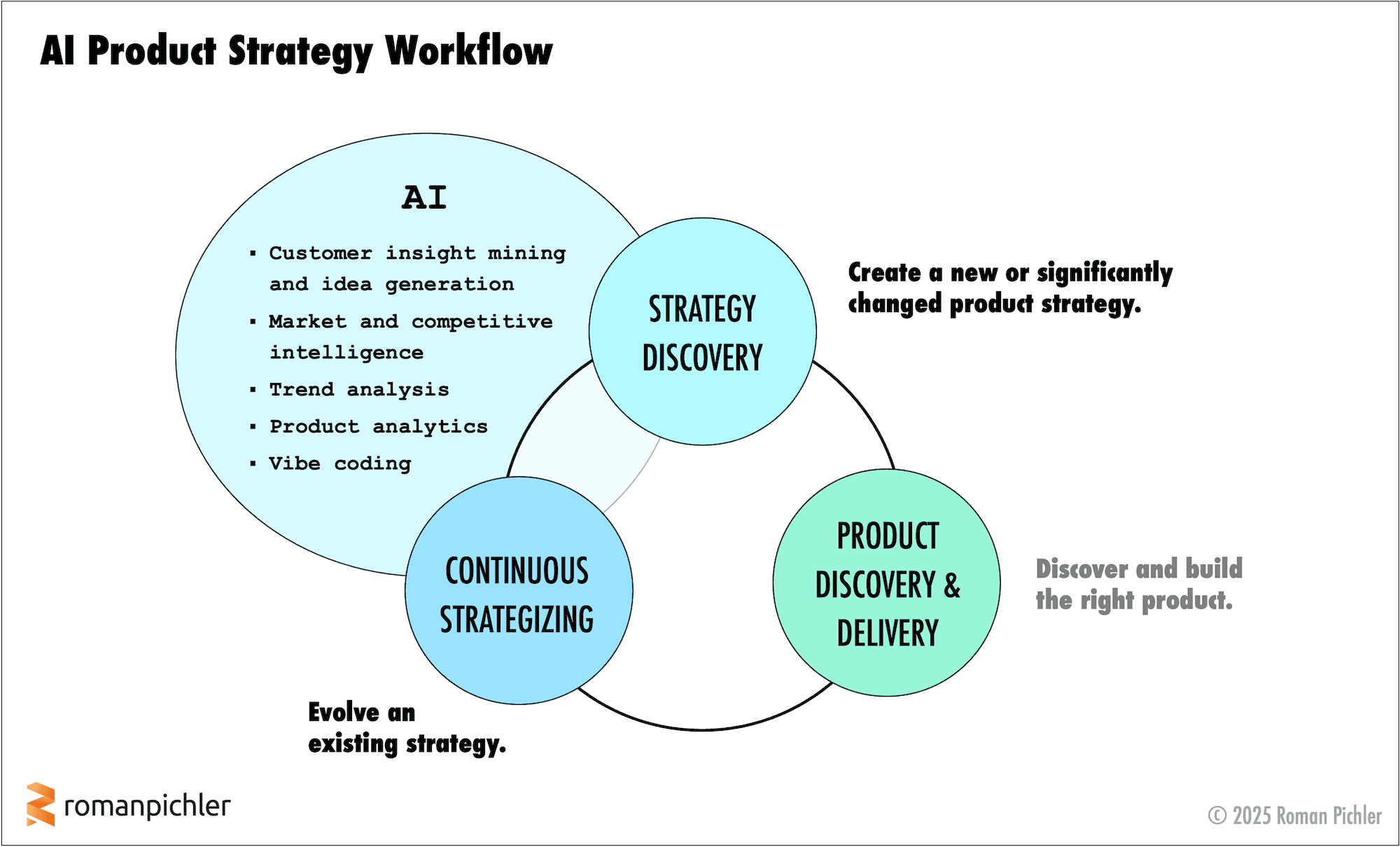
What often gets overlooked, however, are the hidden costs and downstream effects of integrating these tools. While AI excels at generating ideas, an over-reliance without sufficient human oversight can lead to a homogenization of content. Your brand voice, which is built on unique perspectives and authentic expression, risks becoming diluted if the “human touch” is relegated to mere editing rather than foundational creative input. This isn’t just about sounding generic; it’s a slow erosion of brand distinctiveness that makes it harder to connect deeply with your audience over time.
Similarly, the promise of “actionable insights” from AI-powered analytics often bumps up against real-world team capacity. The tool might surface complex correlations, but translating those into practical, resource-efficient strategy adjustments requires significant human judgment and bandwidth. For small teams, this can quickly lead to analysis paralysis or a feeling of being overwhelmed by data they lack the resources to fully act upon. The pressure to implement every suggested optimization can become a source of frustration, leading to either burnout or, paradoxically, a reversion to simpler, less data-driven approaches.
Finally, these accessible AI applications are not entirely “set it and forget it.” They require ongoing calibration and feedback to maintain accuracy and relevance. For instance, sentiment analysis models need to be continually trained on your specific industry jargon and customer communication nuances to avoid misinterpretations. Neglecting this iterative refinement means the tool’s output can gradually drift from reality, providing misleading insights that can lead to poor decisions or wasted effort. The initial ease of integration can mask this necessary, ongoing operational overhead.
What to Deprioritize (and Why)
For small to mid-sized teams, not all AI applications are created equal, especially when budget and headcount are limited. Today, you should deprioritize or skip over-reliance on fully automated content generation. While AI can draft posts, it often lacks the authentic brand voice, nuance, and emotional intelligence that truly connects with an audience. Relying solely on AI for content can lead to generic, unengaging posts that dilute your brand’s personality. The time spent editing and correcting AI-generated content that misses the mark often outweighs the initial time-saving benefit. Instead, use AI as a co-pilot for ideation and optimization, keeping human oversight central to content creation.
The immediate cost of editing generic AI content is visible, but the more insidious cost is the slow erosion of brand equity. When a brand consistently publishes content that lacks its unique voice or fails to resonate emotionally, the audience begins to perceive it as less authentic, less human, and ultimately, less trustworthy. This isn’t a sudden collapse but a gradual, almost imperceptible drift away from the brand’s core identity, making it harder to differentiate in a crowded market. Rebuilding that authentic connection takes significantly more effort than maintaining it from the outset.
Another overlooked pitfall is the “AI content treadmill.” The perceived speed of AI generation can create internal pressure to produce an ever-increasing volume of content. This often shifts the team’s focus from strategic content planning and quality control to a reactive cycle of generating and then heavily editing AI drafts. Instead of freeing up time, it can reallocate human effort from creative ideation and strategic refinement to the tedious task of correcting factual errors, injecting personality, and ensuring brand alignment. This can lead to team burnout and a sense of frustration, as the promise of efficiency turns into a new form of operational drag.
The theoretical ease of “training” AI on a brand voice often clashes with the practical reality. Brand voice isn’t just a style guide; it’s a complex blend of tone, vocabulary, cultural references, and tacit understanding of the audience, often residing as intuitive knowledge within experienced team members. Attempting to codify this nuanced, often subjective element into prompts or training data for an AI model is far more challenging than it appears. The result is often content that is technically correct but emotionally flat, requiring substantial human intervention to imbue it with the necessary depth and authenticity. This constant need for human “finishing touches” negates much of the promised automation benefit.
Implementing AI: A Phased Approach
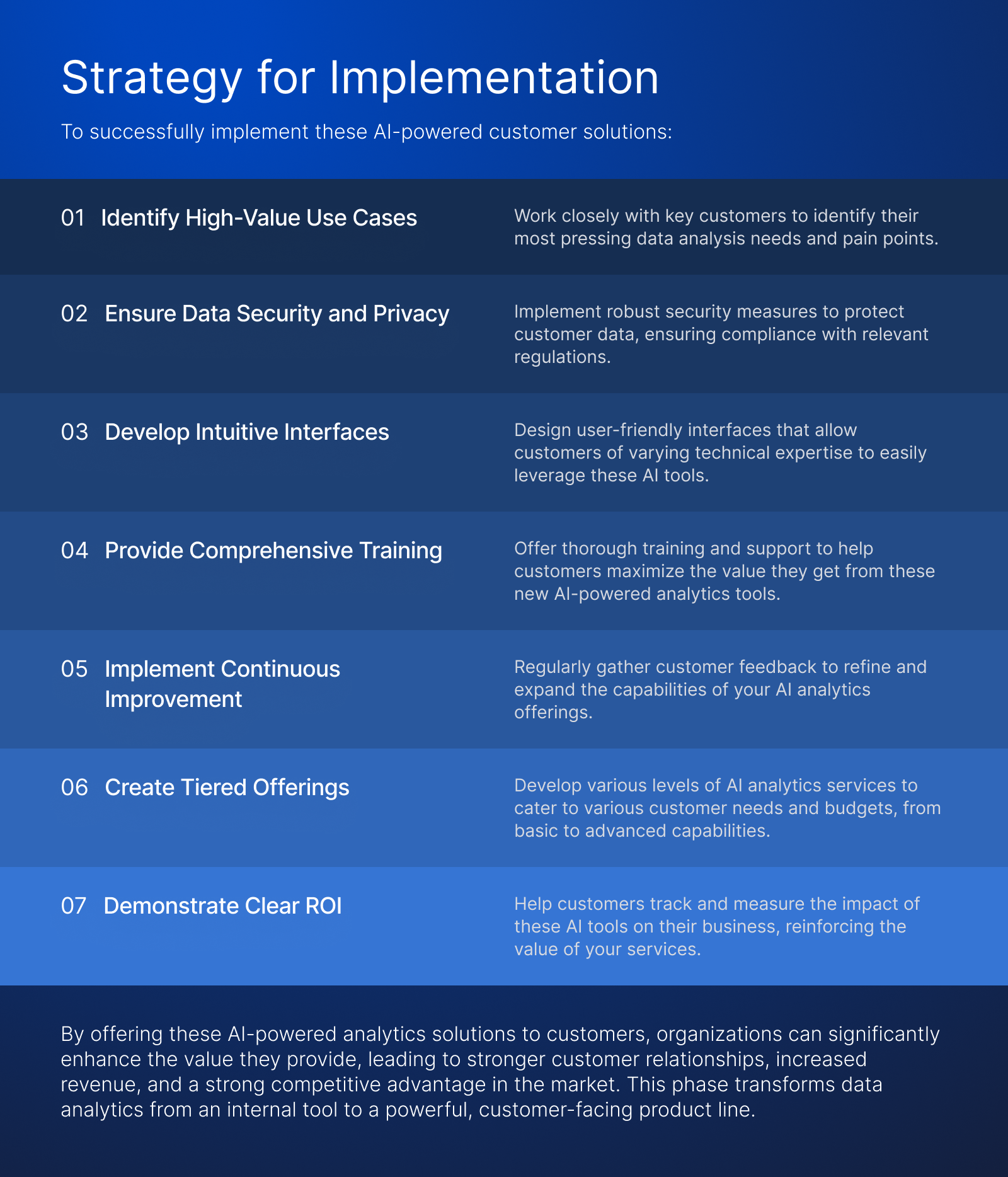
Don’t try to overhaul your entire social media strategy with AI overnight. A phased approach is more realistic and effective for SMBs.
- Start Small: Identify one or two specific pain points where AI can offer immediate relief, such as content ideation or performance analysis. Integrate a single, affordable AI tool into that specific workflow.
- Focus on Specific Goals: What do you want to achieve? Better engagement? More leads? Clear goals help you select the right AI tools and measure their impact effectively.
- Iterate and Learn: AI is not a set-it-and-forget-it solution. Continuously monitor the results, gather feedback from your team, and adjust your approach. Experiment with different AI features and settings to find what works best for your unique business and audience.

Phased AI implementation roadmap
Measuring Success and Adapting Your Strategy
The true value of AI in social media strategy lies in its ability to drive measurable improvements. Define clear Key Performance Indicators (KPIs) that align with your business objectives, such as increased engagement rates, higher conversion rates from social traffic, or improved lead quality. Regularly review the insights provided by your AI tools and compare them against your KPIs. Are the AI-driven recommendations leading to better outcomes? If not, it’s time to adapt. This might involve tweaking your AI tool’s settings, exploring different features, or even reconsidering the tool itself. The goal is continuous improvement, using AI as a dynamic partner in your social media growth journey.

Leave a Comment