

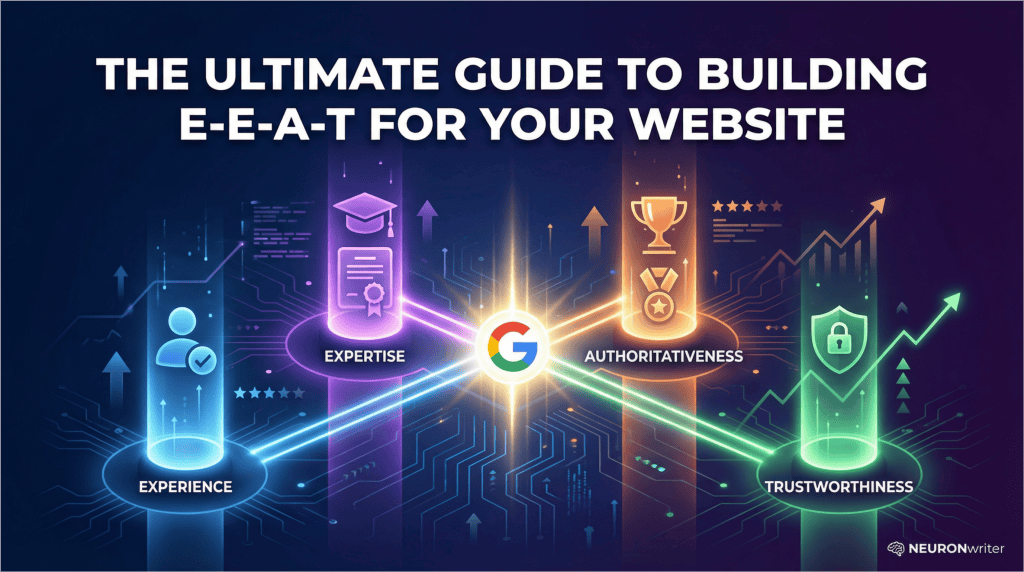
Unlock SEO Growth with Practical E-E-A-T
For small to mid-sized businesses, understanding and implementing E-E-A-T (Experience, Expertise, Authoritativeness, Trustworthiness) isn’t just about pleasing search engines; it’s about building a more credible, valuable online presence that drives real business results. This guide cuts through the noise to show you how to practically apply E-E-A-T principles, even with limited budgets and headcount. You’ll learn where to focus your efforts for maximum impact, ensuring your content resonates with both users and search algorithms.
By prioritizing the right E-E-A-T signals, you can enhance your organic visibility, build stronger customer trust, and ultimately improve conversion rates. We’ll focus on actionable strategies that leverage your existing strengths and avoid common pitfalls that waste precious resources.
What E-E-A-T Truly Means for Your Business Today
E-E-A-T isn’t a new concept, but its emphasis has grown significantly, especially with Google’s ongoing focus on helpful, reliable content. For SMBs, it’s not about being the biggest brand, but about demonstrating genuine value and credibility in your niche. It’s Google’s way of assessing the quality and reliability of your content, particularly for ‘Your Money or Your Life’ (YMYL) topics where accuracy and trust are paramount.
- Experience: Does the content creator have first-hand experience with the topic? This is often the most overlooked and easiest win for SMBs.
- Expertise: Does the content creator possess the necessary knowledge or skill in the subject matter?
- Authoritativeness: Is the content creator or website recognized as a go-to source for the topic?
- Trustworthiness: Is the content accurate, transparent, and safe for users?
Think of E-E-A-T as your digital reputation. Google wants to surface content from entities that prove they know what they’re talking about, have done it themselves, are recognized for it, and can be trusted.
While ‘Experience’ is often highlighted as the easiest win, it’s also the most frequently deprioritized in practice. Many SMBs, under pressure to produce content at scale, default to external writers or internal team members who can research a topic but lack direct, hands-on engagement with the product, service, or customer problem. This creates content that is technically accurate but functionally shallow, missing the nuances and practical advice that only comes from doing the work. The immediate cost isn’t always obvious; content might still rank for basic queries, but it fails to build the deeper trust and authority that converts casual readers into loyal customers.
The downstream effect of this oversight is significant. Content that lacks genuine experience struggles to differentiate itself in a crowded market. It becomes another voice echoing common knowledge, rather than a trusted guide offering unique insights. For teams, this often translates into a frustrating cycle: they invest in content, see limited impact beyond surface-level metrics, and then question the value of content marketing itself. The pressure to hit publishing quotas often overrides the critical need to involve the actual practitioners within the business – the sales team, the customer service reps, the product developers – who hold the invaluable first-hand experience Google is increasingly looking for.
To counteract this, prioritize involving your internal subject matter experts directly in the content creation process, even if it slows down production. Deprioritize simply churning out high volumes of generic content that lacks this lived experience. A smaller volume of deeply experienced, practical content will outperform a larger volume of theoretically correct but practically unhelpful pieces in the long run. The temptation to outsource content entirely without a robust internal review process for experiential depth is a common pitfall that delays true E-E-A-T growth.
Prioritizing E-E-A-T Levers for Limited Resources
When you’re running lean, every marketing dollar and hour counts. Here’s a pragmatic view on where to focus your E-E-A-T efforts:
1. Emphasize Experience and Expertise (Your Strongest Play)
Your small business likely has unique, practical experience that larger competitors lack or struggle to articulate. This is your competitive advantage. Showcase the real-world application of your knowledge.
- Content Authorship: Clearly identify who is writing or contributing to your content. Ensure these individuals have verifiable experience or expertise in the subject. Link to their professional profiles (e.g., LinkedIn) or an ‘About Us’ page detailing their credentials.
- First-Hand Insights: Integrate specific examples, case studies, and ‘how-we-did-it’ stories directly into your content. Don’t just explain a concept; show how you’ve applied it, the challenges you faced, and the results you achieved. This demonstrates true experience.
- Unique Data/Observations: If your business collects any unique data or has specific observations from its operations, share them. This could be aggregated customer feedback, internal process improvements, or niche market trends you’ve identified.

2. Build Foundational Trustworthiness (Non-Negotiable)
Trust is the bedrock of E-E-A-T. Without it, even the most expert content falls flat. These are table stakes for any online business.
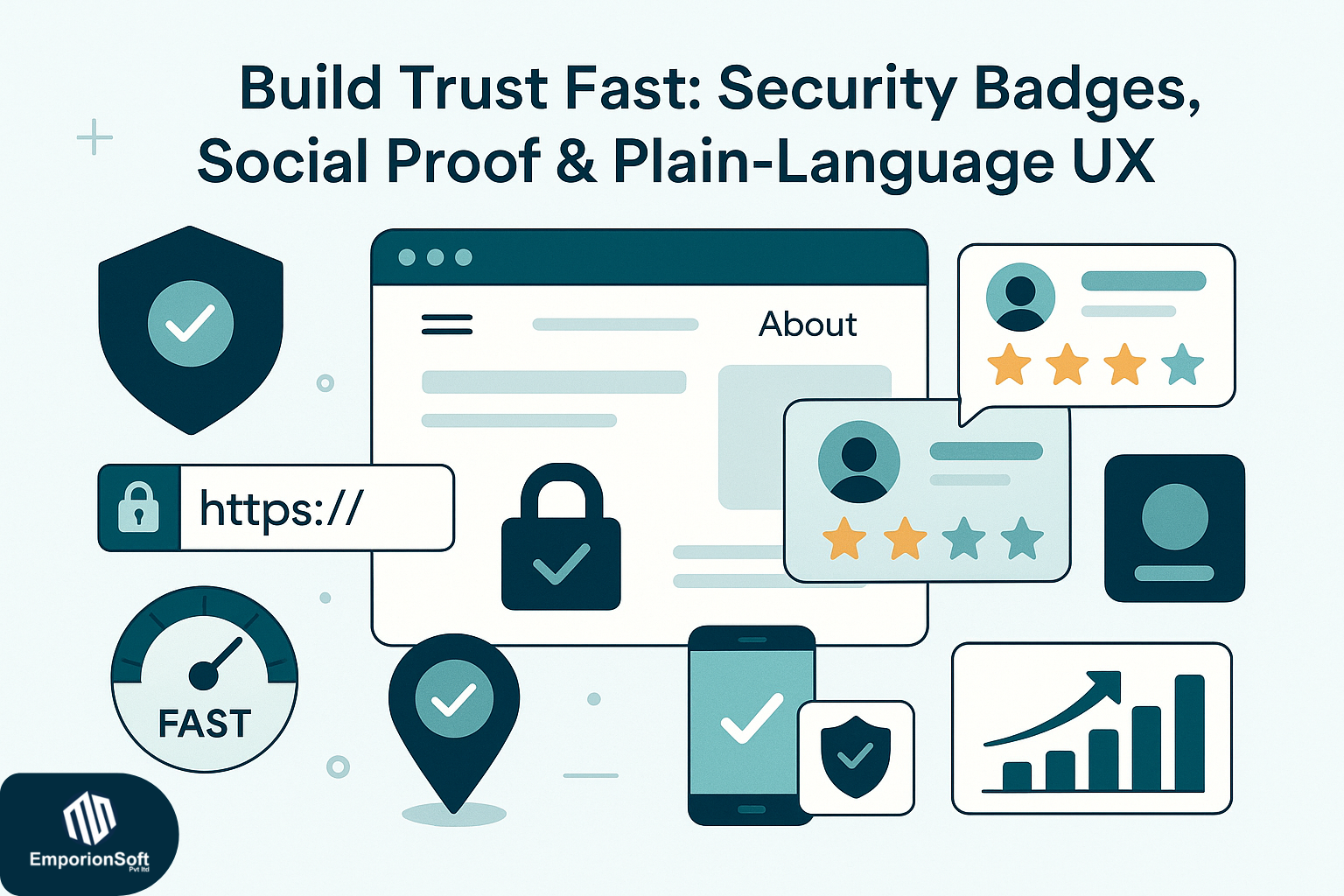
- Website Security (HTTPS): Ensure your entire site uses HTTPS. This is a basic security signal and a ranking factor.
- Clear Contact Information: Make it easy for users to find your physical address (if applicable), phone number, and email. A dedicated contact page is essential.
- Transparent Policies: Have clear, accessible privacy policies, terms of service, and refund policies. This builds user confidence.
- Accuracy and Fact-Checking: Ensure all information on your site is accurate and up-to-date. For any claims, cite credible sources where appropriate.
- Customer Reviews & Testimonials: Actively solicit and display reviews on your website and third-party platforms (Google My Business, Yelp, industry-specific sites). These are powerful social proof signals.
3. Cultivate Authoritativeness (A Longer Game)
Authoritativeness is often a byproduct of consistent experience, expertise, and trustworthiness. For SMBs, it’s less about being a global leader and more about being a recognized expert in your specific niche.
- Consistent, High-Quality Content: Regularly publish content that demonstrates your expertise and experience. This naturally attracts attention and links.
- Industry Participation: Contribute to industry forums, speak at local events, or participate in relevant online communities. This builds your personal and brand authority.
- Earned Mentions and Backlinks: As your content quality improves, you’ll naturally earn mentions and backlinks from other reputable sites. Focus on creating truly valuable resources that others want to reference. Google Search Quality Rater Guidelines
The push to “showcase real-world application” and “first-hand insights” often hits a wall in practice. It’s easy to state this as a goal, but extracting genuine, actionable insights from busy subject matter experts (SMEs) is a significant operational challenge. These insights aren’t usually documented in a marketing-ready format; they live in the heads of your most valuable, often overstretched, team members. The hidden cost here is the time and effort required to interview, transcribe, and refine their knowledge without diluting its authenticity. If this process isn’t respected and properly resourced, the content either becomes generic, lacking the very “experience” it aims to convey, or it creates internal friction and burnout for the SMEs, making future contributions even harder to secure.
While foundational trustworthiness elements like clear policies and contact information are non-negotiable, their true impact hinges on the operational reality behind them. It’s one thing to have a privacy policy; it’s another for your team to consistently adhere to it, or for customer service to respond promptly and effectively to inquiries made through your “clear contact information.” A technically compliant website with a poor operational backend can actually erode trust faster than a less polished site that consistently delivers on its promises. The frustration for a customer who finds a contact number but gets no answer, or a refund policy that’s a maze to navigate, directly undermines the E-E-A-T signals you’re trying to build. This disconnect between stated policy and lived experience is a common, yet often overlooked, failure mode.
Cultivating authoritativeness is indeed a longer game, but for many small to mid-sized teams, this often translates into an inconsistent effort that never quite builds momentum. The theory suggests “consistent, high-quality content,” but the practical reality is that content creation is often the first thing deprioritized when immediate sales or operational fires need extinguishing. This stop-start approach prevents the cumulative effect needed to establish true authority. Instead of chasing every industry event or trying to secure backlinks from every possible source, which can be a massive drain on limited resources, prioritize depth over breadth in your core content. Focus on genuinely solving specific problems for your niche audience, and let the authority emerge organically from that consistent value. Actively “building” authority through external outreach can often feel forced and inauthentic, yielding minimal returns compared to the effort invested. For now, skip the extensive outreach campaigns and double down on making your existing content the absolute best resource available for its specific topic.
What to Deprioritize or Skip Today
With limited resources, it’s crucial to know what *not* to do. For most small to mid-sized businesses, chasing every high-authority backlink through aggressive outreach campaigns can be a significant drain on resources with a low immediate ROI. While backlinks are important for authority, a scattergun approach often yields little. Instead, focus on creating genuinely valuable, experience-rich content that *earns* links naturally. Similarly, avoid over-investing in generic

Leave a Comment