


Understanding the Short-Form Video Landscape Today
Short-form video is no longer an optional add-on; it’s a core component of effective social media strategy for businesses of all sizes. Platforms like TikTok, Instagram Reels, and YouTube Shorts prioritize this format, pushing it to new audiences through their discovery algorithms. For small to mid-sized businesses, this means an unprecedented opportunity to reach potential customers without massive ad spend, provided you understand how to play the game. The key isn’t just creating video, but creating video that resonates and gets discovered.
Prioritizing Content Pillars for Impact
With limited resources, you can’t afford to chase every trend. Focus your short-form video efforts on content pillars that directly serve your business goals and audience needs. Our experience shows that for SMBs, these types of content consistently deliver:
- Educational & How-To: Solve a common problem your audience faces, quickly. Think “3 Ways to Improve X” or “Quick Fix for Y.” This builds authority and provides immediate value.
- Behind-the-Scenes & Authenticity: Show the human side of your business. A quick tour, a glimpse into your process, or an employee spotlight builds trust and connection. People buy from people.
- Quick Tips & Hacks: Deliver actionable advice in under 60 seconds. These are highly shareable and position you as a helpful resource.
- Product/Service Demos (Problem/Solution): Instead of just showcasing a product, demonstrate how it solves a specific customer pain point. Show, don’t just tell.
Prioritize content that educates or builds genuine connection over purely entertainment-focused videos, especially when starting out. Your audience is looking for solutions and authenticity, not just another viral dance.
Focusing on educational and authentic content is sound, but teams often underestimate the sustained effort required. The initial burst of ideas for “how-to” or “behind-the-scenes” can quickly deplete. The hidden cost here isn’t just the time spent, but the erosion of trust when content quality dips or becomes repetitive. Audiences quickly spot generic advice masquerading as expertise, leading to a loss of the very authority you aimed to build. This creates significant internal pressure to maintain output, often leading to burnout or a pivot back to easier, less impactful content.
Another common oversight is failing to connect these content pillars to a clear next step. In theory, educational content builds authority. In practice, if a viewer consumes a “quick fix” video but has no obvious path to learn more, download a resource, or engage with your service, that authority remains largely unmonetized. The downstream effect is a content strategy that generates views but struggles to move the needle on actual business objectives. It becomes a series of valuable, yet isolated, interactions rather than a cohesive journey.
For SMBs, it’s critical to resist the urge to create content solely for “awareness” without a direct line to deeper engagement or conversion. While broad reach can feel good, the real trade-off is often in neglecting content that directly qualifies leads or nurtures existing relationships. Deprioritize content that aims for purely surface-level virality or covers topics so generic that your unique perspective is lost. Your limited resources are better spent on depth and specificity that resonates with your ideal customer, even if the initial audience size is smaller. This means saying no to trending challenges or overly broad “explainer” videos that don’t directly showcase your distinct value proposition.
The “Good Enough” Production Mindset
Forget the need for professional studios or expensive gear. For short-form video, authenticity often triumphs over high production value. Your smartphone, good natural lighting, and clear audio (even a simple lavalier mic can make a huge difference) are often all you need. Focus on clear messaging and engaging delivery.
What you should delay: Don’t invest in professional cameras, lighting kits, or complex editing software until you’ve consistently produced content, analyzed its performance, and validated your core content strategy. The learning curve and cost can be a significant drain on limited resources without a clear return.
While the “good enough” approach is liberating, it carries a subtle risk: complacency. Teams can become so comfortable with minimal effort that they miss the signals indicating it’s time to strategically elevate production quality. This isn’t about chasing perfection, but recognizing when your audience or content goals demand a measured step up, which can be a hidden cost if ignored. The initial success of low-fi content can inadvertently mask the need for a more refined approach down the line, creating a plateau effect where growth stalls.
Another common pitfall is the internal pressure to “just make it a little better.” What starts as a simple request can quickly snowball into scope creep, especially when stakeholders or even team members, accustomed to higher-quality content elsewhere, push for incremental improvements without a clear strategic rationale. This can lead to significant frustration and resource drain, effectively negating the efficiency gains of the “good enough” mindset by forcing teams to spend time on polish that doesn’t move the needle for the target audience or business objective.
The “good enough” mindset also requires a disciplined approach to process. It’s easy to overlook that even simple, low-fi production benefits from a repeatable workflow. Without a basic system for planning, shooting, and editing, even smartphone videos can become inconsistent, leading to wasted time and effort. The efficiency of “good enough” isn’t just about the gear; it’s about standardizing the minimal steps to ensure consistent output without unnecessary friction or last-minute scrambling.
Distribution and Repurposing: Maximizing Reach with Minimal Effort
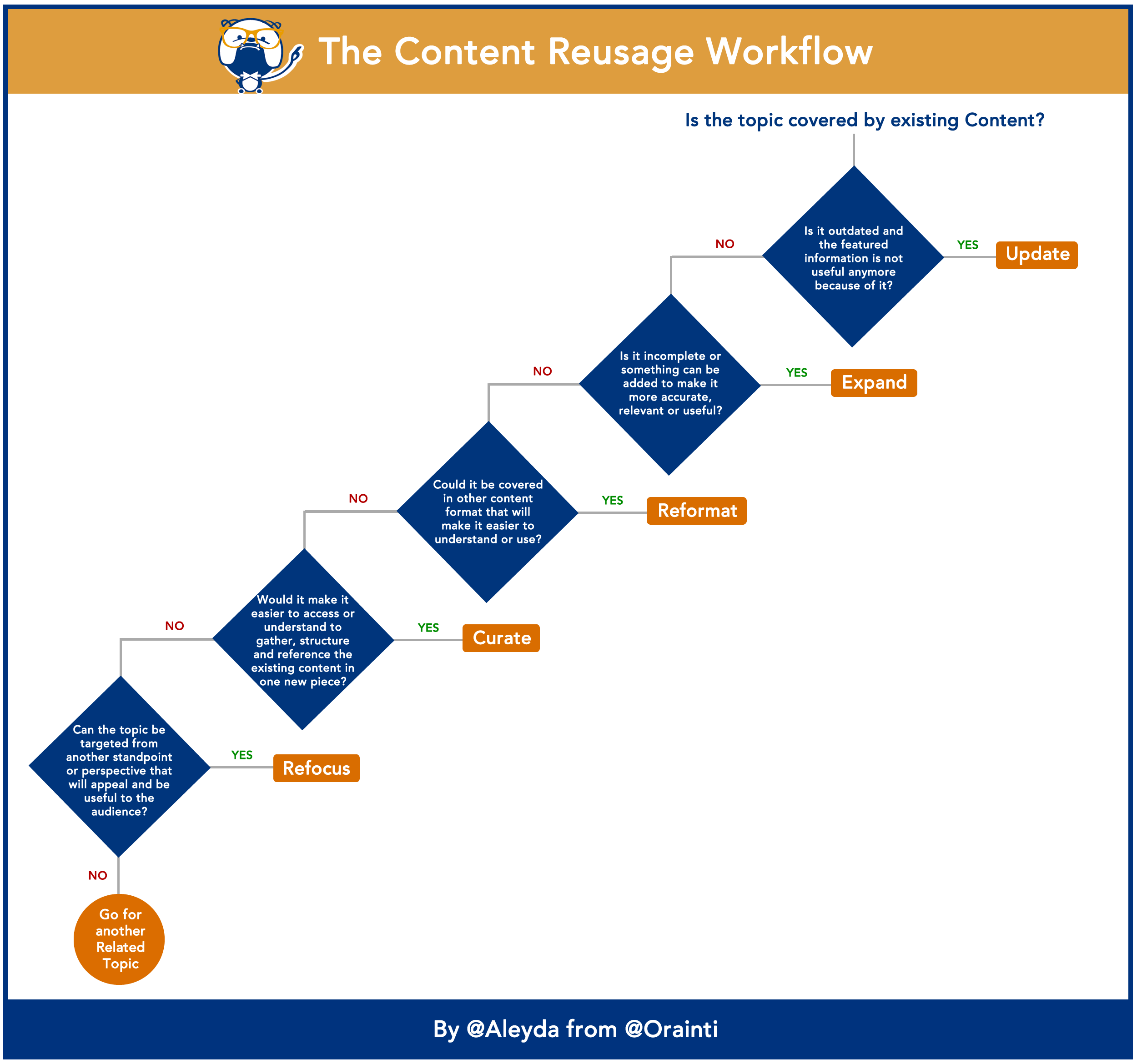
To get the most out of each video, a smart distribution strategy is crucial. While cross-posting is efficient, understand platform nuances. For instance, TikTok and Instagram Reels algorithms often favor native content. If possible, upload natively to each platform. However, for teams with tight constraints, repurposing is a powerful lever.
- Repurpose Longer Content: Extract short, impactful clips from webinars, podcasts, or longer YouTube videos. These can become dozens of short-form pieces.
- Strategic Cross-Posting: If native upload isn’t feasible for every platform, ensure your content is optimized for each, even if it means removing watermarks where possible.
Prioritize native uploads on your primary platform, but don’t hesitate to repurpose content across others. The goal is maximum reach with minimal additional creation effort.
Engagement Beyond the View: Driving Action
Views are a vanity metric if they don’t lead to deeper engagement or business outcomes. Your short-form videos should always have a clear purpose. Focus on:
- Clear Calls to Action (CTAs): What do you want viewers to do next? Visit your profile, click a link in bio, comment with their thoughts, or share the video? Make it explicit and singular.
- Active Comment Management: Respond to comments promptly and thoughtfully. This builds community and signals to the algorithm that your content is engaging.
- Interactive Features: Utilize polls, Q&A stickers, and other platform-specific features to encourage direct interaction.
Avoid generic CTAs like “learn more” without specifying where or how. Instead, guide your audience directly to the next step in their journey with your brand.
Measuring What Matters: Beyond Vanity Metrics
For SMBs, every marketing effort needs to tie back to business growth. When analyzing short-form video performance, look beyond just view counts. Prioritize metrics that indicate genuine interest and potential conversion:
- Watch Time/Completion Rate: How much of your video are people watching? High completion rates signal engaging content.
- Engagement Rate: Likes, comments, shares, and saves per view. This shows how much your content resonates.
- Profile Visits & Website Clicks: These are direct indicators of audience interest in learning more about your business. Track these closely.
- Lead Generation/Sales (if applicable): Can you attribute specific leads or sales to your short-form video efforts? Use UTM parameters on your links.
Prioritize metrics that show audience intent and progression down your funnel. Raw view counts can be misleading; focus on the quality of engagement and its impact on your bottom line.

What to Deprioritize or Skip Today
For small to mid-sized teams operating with limited budgets and headcount, strategic deprioritization is as crucial as prioritization. Today, you should deprioritize chasing every trending sound or challenge if it doesn’t authentically align with your brand message or offer genuine value to your audience. While trends can offer a temporary boost, the time investment required to constantly adapt and produce content that feels forced often outweighs the fleeting benefit. Your limited resources are better spent on consistent, high-quality content within your established pillars.
Similarly, skip investing in expensive video editing software, external agencies, or complex multi-platform content differentiation until you’ve proven the return on investment with your in-house, “good enough” content. The learning curve for advanced tools or the cost of external help can quickly deplete your budget without a clear, validated strategy. Focus on mastering one or two platforms where your target audience is most active, using accessible tools, before attempting to scale or diversify your approach. Consistency and value trump production polish and broad reach initially.
Building Sustainable Short-Form Video Success
Sustaining a short-form video strategy with limited resources requires smart workflows. Batch content creation by filming several videos in one session. Develop simple templates for intros, outros, and on-screen text to streamline editing. Leverage AI tools for tasks like idea generation, script outlines, or automatically generating captions, which can save significant time AI tools for content creation. The goal is to create a repeatable, efficient process that allows you to consistently deliver valuable content without burning out your team.


Leave a Comment