


For small to mid-sized businesses, relying heavily on a single marketing platform is a gamble. One algorithm change, policy shift, or cost increase can derail your entire customer acquisition strategy. This article will guide you through building a more resilient marketing foundation, ensuring your business can adapt and grow sustainably, even with limited budgets and headcount.
You’ll gain practical insights on how to diversify your marketing efforts effectively, prioritize channels that offer stability and control, and make smart trade-offs that protect your business from unexpected disruptions. This isn’t about doing more; it’s about doing what truly works to secure your future growth.
The Risk of Single-Platform Dependency
Many SMBs fall into the trap of over-relying on one dominant channel, often due to perceived simplicity or initial success. Whether it’s Meta Ads, Google Ads, or a specific social media organic strategy, putting all your eggs in one basket creates significant fragility. Algorithms change without warning, ad costs fluctuate wildly, and platform policies can shift overnight, impacting your reach and conversion rates dramatically. This isn’t theoretical; we’ve seen it repeatedly. What works well today can become unsustainable tomorrow, leaving your business scrambling for new leads and revenue.
Prioritizing Diversification: Where to Start
Building resilience isn’t about being everywhere; it’s about strategic diversification. For teams with limited resources, this means making tough choices about where to invest time and money.
- Own Your Audience Data First: Your most valuable asset is direct access to your audience. Prioritize building a robust email list and using a Customer Relationship Management (CRM) system. These are channels you control, immune to external platform whims. Start with a simple email capture on your website and integrate it with a basic CRM.
- Establish Your Website as the Anchor: Your website is your central marketing hub. Ensure it’s optimized for user experience, conversions, and basic SEO. All external marketing efforts should ultimately drive traffic back to your owned property. This provides a stable base regardless of where your traffic originates.
- Adopt the Two-Channel Rule: Instead of chasing every trend, aim to master at least two *distinct* primary acquisition channels. For example, pair long-term organic SEO with a targeted paid search campaign, or combine email marketing with a focused social media presence. These channels should ideally have different risk profiles.
What should you deprioritize or skip today? Resist the urge to jump on every new social media platform or niche ad network. Unless you have significant excess capacity, trying to manage five different social channels or experimenting with highly specialized ad platforms will dilute your efforts and spread your limited budget too thin. Focus on solidifying your core two channels and owned assets before expanding. Complex, multi-touch attribution models can also be delayed; for now, focus on clear, directional insights from your primary channels.
While owning your audience data and establishing your website as an anchor are non-negotiable, the practical reality is that these assets demand continuous care. A CRM full of unsegmented contacts or an email list that hasn’t been engaged in months isn’t an asset; it’s a liability that can lead to deliverability issues and wasted subscription costs. Similarly, ‘basic SEO’ isn’t a one-time setup. Without ongoing content updates, technical health checks, and a watchful eye on search trends, your website’s organic visibility will slowly erode, turning your supposed anchor into a stagnant pond rather than a vibrant hub. The initial investment is only the first step; the hidden cost lies in the sustained effort required to keep these foundations strong.
The ‘Two-Channel Rule’ sounds straightforward in theory, but in practice, it demands significant discipline. Teams often fall into the trap of superficial engagement across multiple platforms due to internal pressure or the fear of missing out on a competitor’s perceived success. This channel-hopping prevents true mastery. Instead of developing deep expertise and robust processes in two channels, resources are spread thin, leading to mediocre results everywhere and a constant feeling of being behind. The real challenge isn’t choosing two channels, but having the conviction to invest deeply and patiently in them, even when the initial returns are slow or a new shiny object appears.
Building Your Marketing Ecosystem
Think of your marketing as an interconnected ecosystem, not a collection of isolated campaigns. Each component should support the others, creating a more stable and effective whole.
- Your Website: The Central Hub: This is where customers learn about you, convert, and engage. Invest in clear messaging, strong calls to action, and a mobile-friendly design.
- Email Marketing: Your Direct Line: Use email for nurturing leads, announcing new products, and building customer loyalty. It’s a high-ROI channel that you fully control.
- SEO: The Long-Term Asset: Organic search traffic is a compounding asset. Focus on relevant keywords, quality content, and technical basics. It takes time but provides consistent, cost-effective leads. SEO for Small Businesses
- Paid Channels (Google Ads, Meta Ads): Strategic Amplifiers: Use paid ads to target specific audiences, test offers, and scale quickly. However, view them as an amplifier for your other efforts, not your sole source of leads.
- Content Strategy: Fuel for All Channels: Create valuable content (blog posts, videos, guides) that can be repurposed across your website, email campaigns, and social media. This maximizes your content investment.
- CRM: Customer Intelligence: A CRM helps you track customer interactions, manage leads, and personalize communications. Even a basic system can provide immense value.
- Analytics: Understanding Performance: Implement Google Analytics 4 and basic tracking to understand how your channels perform. Focus on key metrics like traffic, conversions, and cost per acquisition.
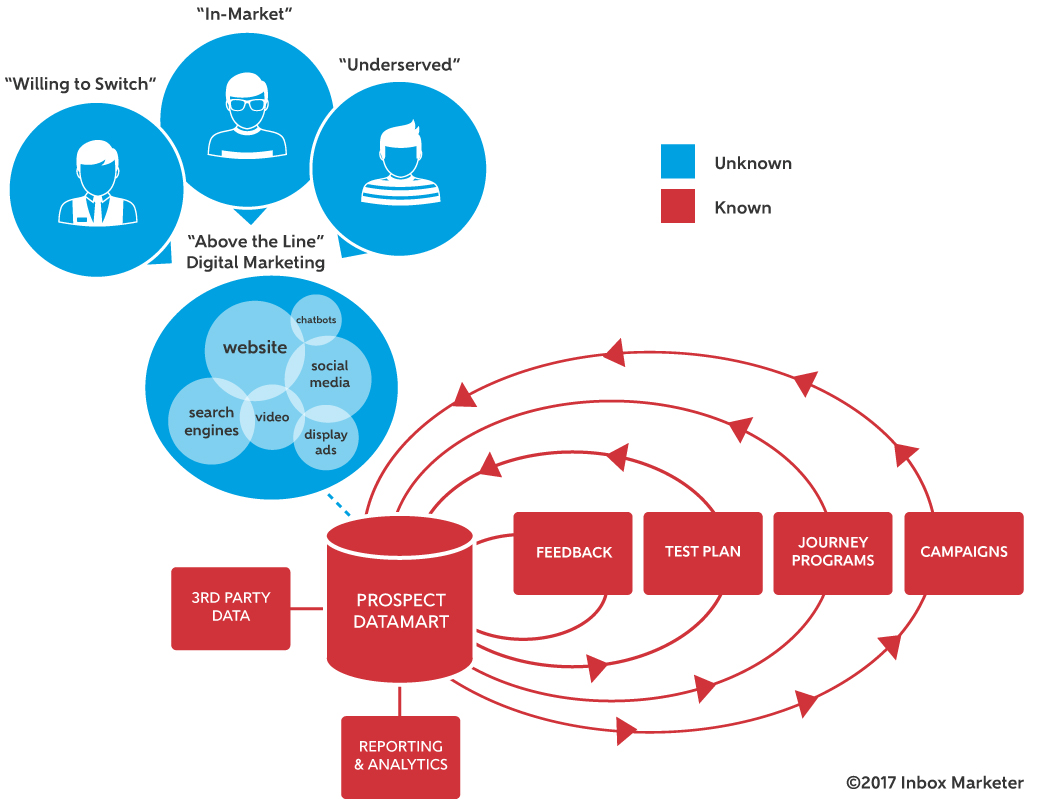
While the idea of an interconnected ecosystem is sound, the practical reality for many small to mid-sized businesses is a collection of disparate tools that don’t truly speak to each other. This fragmentation creates hidden costs: data silos mean customer insights are incomplete, manual data transfer wastes valuable team time, and inconsistent messaging across channels erodes trust. What appears on paper as a comprehensive setup often functions as a series of independent operations, making it difficult to get a holistic view of customer journeys or accurately attribute success.
Another common oversight is the ongoing maintenance and evolution required to keep this ecosystem healthy. It’s easy to focus on the initial build-out – launching a website, setting up email flows, getting ads live. But without consistent attention to content refreshes, technical SEO audits, CRM data hygiene, and adapting to platform changes, these assets slowly degrade. This isn’t just about functionality; outdated content or a slow website directly impacts user experience and conversion rates. For teams with limited bandwidth, the temptation to chase the next shiny new channel or feature is strong. However, deprioritizing the foundational upkeep of your existing, proven channels in favor of unverified new ventures is a mistake. A well-maintained core will always outperform a sprawling, neglected one.
Finally, even with all components in place, a subtle failure mode is the over-reliance on any single channel for growth. While paid ads offer immediate results and can be powerful amplifiers, leaning too heavily on them can create a precarious situation. Algorithm changes, increased competition, or rising ad costs can suddenly pull the rug out from under your primary lead source, leaving your team scrambling. The pressure to maintain immediate pipeline often pushes teams towards short-term fixes, inadvertently starving the slower-burn, compounding assets like SEO and content marketing. A truly resilient ecosystem diversifies its lead generation, ensuring that if one channel falters, others can pick up the slack, providing stability and reducing decision pressure during market shifts.
Making Smart Trade-offs with Limited Resources
With limited budgets and headcount, every marketing decision is a trade-off. The key is to focus on impact and leverage rather than trying to do everything.
- Focus on Your Strengths: What marketing activities genuinely resonate with your team’s skills and your business’s unique value proposition? Double down there. If your team excels at content creation, lean into SEO and content marketing. If you have strong sales skills, focus on lead generation through paid ads and direct outreach.
- Iterative Approach: Test and Scale: Don’t launch massive, untested campaigns. Start small, test hypotheses, analyze results, and then scale what works. This minimizes risk and optimizes resource allocation.
- Leverage AI Tools Strategically: AI can be a force multiplier for SMBs. Use AI tools for tasks like generating ad copy variations, drafting email subject lines, analyzing basic data patterns, or even creating initial content outlines. This frees up your team for higher-level strategic thinking and execution.
Measuring Resilience, Not Just ROI
Beyond immediate return on investment, start evaluating the resilience of your marketing strategy. Ask yourself:
- How dependent are we on any single platform for new customer acquisition?
- What would be the immediate impact if our primary ad channel’s costs doubled or its reach was cut in half?
- Do we have alternative channels that could pick up the slack?
Measure metrics like customer lifetime value (CLTV) and customer acquisition cost (CAC) across your diversified channels. Understand the



Leave a Comment