

What AI-Driven Personalization Means for SMBs (and What It Doesn’t)
For small to mid-sized businesses, making every marketing dollar count on social media is non-negotiable. This article cuts through the noise to show you how AI-driven content personalization can tangibly improve your social media ROI without requiring a massive budget or a data science team. You’ll gain clear guidance on where to focus your limited resources, what practical steps to take, and what common pitfalls to avoid to ensure your efforts translate into real business growth.
At its core, AI-driven personalization on social media means using algorithms to deliver more relevant content to individual users or audience segments. For an SMB, this isn’t about building complex recommendation engines from scratch. Instead, it’s about leveraging existing AI capabilities within social platforms and third-party tools to make smarter decisions about who sees what, and when.
What it doesn’t mean is a magic bullet. AI won’t fix a fundamentally weak content strategy or a poor understanding of your audience. It’s an amplifier, not a creator of core value. Your foundational understanding of your customer segments and their needs remains paramount. AI helps you deliver that value more effectively, at scale, and with better targeting.
Prioritizing Your AI Personalization Efforts: Where to Start
Given limited resources, the key is to start where you can achieve the most impact with the least friction. For most SMBs, this means focusing on two primary areas:
- Audience Segmentation & Targeting Refinement: Before you personalize content, you need to understand who you’re personalizing for. AI tools can help analyze existing audience data (e.g., website behavior, past social interactions) to identify more granular segments than manual methods. This isn’t just demographic; it’s psychographic and behavioral.
- Content Variant Optimization: Once you have segments, the next step is to test different content variations (headlines, visuals, calls-to-action) against those segments. AI-powered A/B testing tools or even advanced analytics within social platforms can identify which variants resonate best with specific groups, allowing you to dynamically adjust your content strategy.
Don’t try to personalize every single piece of content for every single user from day one. Focus on your highest-value content or campaigns where a lift in engagement or conversion will have a significant impact on your bottom line. For instance, if lead generation is your primary goal, prioritize personalizing content for your top-of-funnel ad campaigns.
The initial appeal of AI for audience segmentation is its ability to uncover granular insights. What’s often overlooked, however, is the operational burden that follows. While AI can easily identify dozens of micro-segments, the practical reality for an SMB team is that each new segment demands unique content, distinct messaging, and separate tracking. This quickly escalates from a data advantage to a content production bottleneck. The theoretical precision of AI can outpace a small team’s capacity to execute, leading to a backlog of identified opportunities that never materialize.
Furthermore, the “optimization” aspect can create a different kind of pressure. AI-powered A/B testing might show marginal lifts for highly specific content variants. The trap here is feeling compelled to chase every fractional improvement. For teams with limited bandwidth, this can lead to a constant churn of minor content tweaks rather than focusing on larger strategic content initiatives. It’s easy to get caught in a cycle of reactive variant creation, losing sight of the core message or the overall customer journey.
To avoid this, deprioritize acting on every single AI-identified nuance. Initially, focus on segments that are both significant in size and demonstrably different in their core needs or behaviors. Resist the urge to create content for segments that are too small to move the needle or whose distinguishing characteristics don’t translate into a clear, actionable content strategy. Over-personalization, especially early on, can dilute your brand voice and create an unsustainable content pipeline, ultimately leading to more frustration than results. The goal isn’t to personalize everything, but to personalize effectively where it matters most.
Practical Steps: Implementing AI for Social Content
Implementing AI for social media personalization doesn’t require hiring a data scientist. Here’s a pragmatic approach:
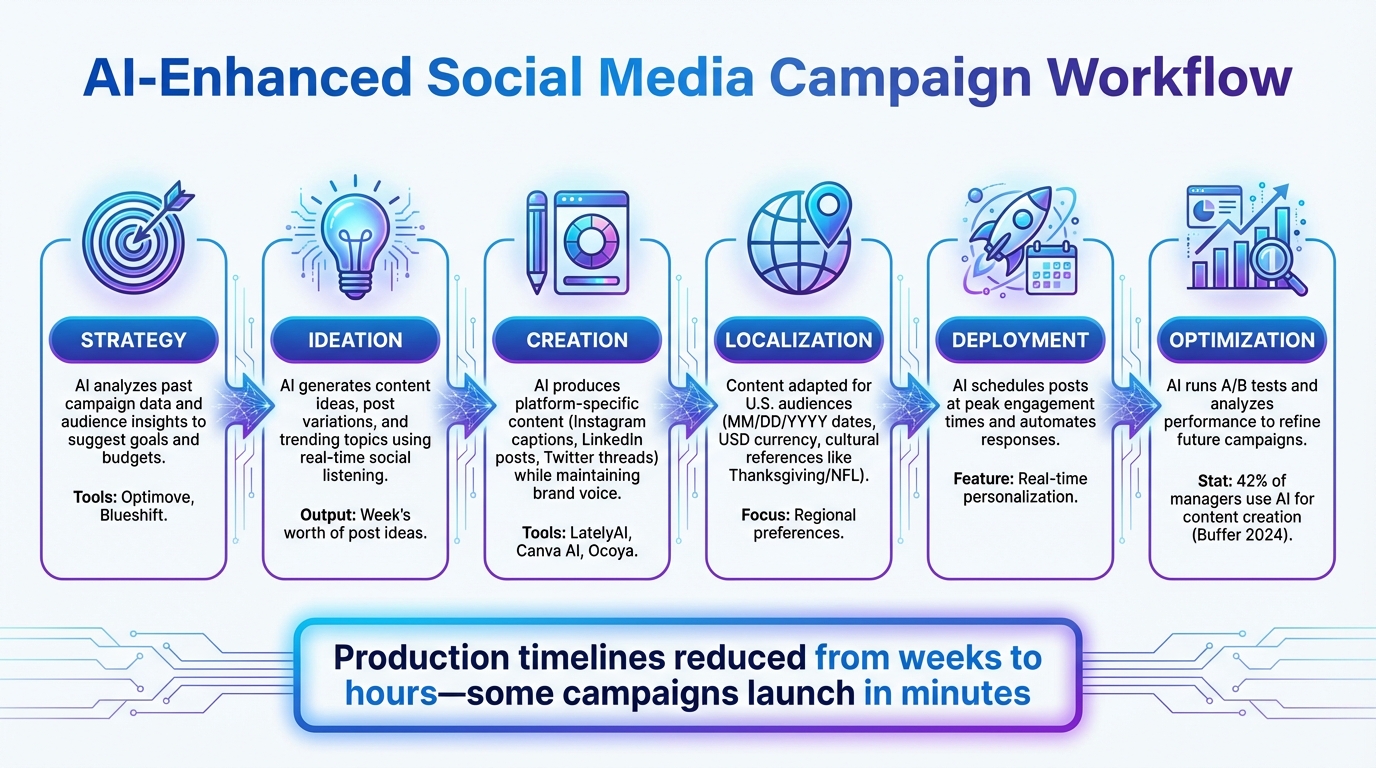
- Leverage Platform AI: Start with the AI built into platforms like Meta (Facebook/Instagram), LinkedIn, and TikTok. Their algorithms are designed to show content to users most likely to engage. Your job is to feed them high-quality, diverse content and clear targeting signals. Use custom audiences, lookalike audiences, and detailed interest targeting.
- Adopt AI-Powered Analytics: Tools like Google Analytics 4 (GA4) use AI to provide predictive insights into user behavior, which can inform your social content strategy. Look for patterns in user journeys that start on social and convert on your site. Google Analytics 4 predictive metrics
- Experiment with AI Content Generation (Cautiously): While full content creation is still best handled by humans, AI writing assistants can help generate variations of headlines, ad copy, or even short social posts tailored to different tones or segments. Use these as starting points, not final drafts.
- Utilize AI for Scheduling & Optimization: Some social media management tools now incorporate AI to suggest optimal posting times based on past engagement data, or to identify trending topics relevant to your niche. This ensures your personalized content reaches the right audience at the right moment.
The goal here is to augment your existing team’s capabilities, not replace them. Think of AI as a smart assistant that handles repetitive analysis and suggests improvements, freeing up your team to focus on creative strategy and deeper audience understanding.
What often gets overlooked in the push to leverage AI is the subtle erosion of independent audience understanding. While platform algorithms are powerful, relying solely on their “black box” optimization can lead teams to lose touch with the underlying motivations and nuances of their audience. When algorithms inevitably shift, or when you need to pivot your strategy, you might find yourself without a clear, first-hand grasp of what truly resonates, forcing you to chase new algorithmic signals rather than lead with informed strategic decisions. This dependency can become a hidden cost, manifesting as inconsistent performance and increased strategic uncertainty over time.
Another common pitfall lies in the practical application of AI content generation. The promise is speed and scale, but the reality for many teams is a shift in workload, not a reduction. Instead of writing from scratch, you’re now meticulously editing, fact-checking, and refining AI-generated drafts to ensure they align with brand voice, accuracy, and legal compliance. This quality control burden is often underestimated, leading to frustration when the expected time savings don’t materialize, or when the pressure to publish quickly results in content that feels generic or off-brand. The “easy button” of AI generation still requires significant human oversight to be effective and avoid diluting your brand’s unique voice.
Finally, the integration of AI-powered analytics, while valuable, often hits a wall in practice. Tools like GA4 offer predictive insights, but for these to be truly actionable, they need to be seamlessly connected with your social platform data and interpreted by a team capable of bridging those data silos. Without a clear, unified view and the analytical skill to connect social engagement patterns to on-site conversions, these insights remain theoretical. Teams can feel overwhelmed by data points that don’t clearly inform their next social content move, leading to decision paralysis rather than empowered action.
What to Deprioritize or Skip Today
For small to mid-sized teams, attempting to build proprietary AI models for content personalization is a significant misallocation of resources. This includes investing in custom machine learning engineers or complex data infrastructure solely for social media content. The cost, complexity, and time investment far outweigh the potential returns compared to leveraging off-the-shelf solutions or platform-native AI. Similarly, avoid chasing every “new AI trend” that emerges. Many are niche, unproven, or require a scale of data and budget that SMBs simply don’t possess. Focus on established, accessible AI capabilities that directly support your core marketing objectives, rather than speculative ventures. Your budget is better spent on high-quality content creation and strategic ad spend.
Measuring Impact and Iterating
Personalization without measurement is just guesswork. To prove ROI, you need clear metrics and a consistent review process:
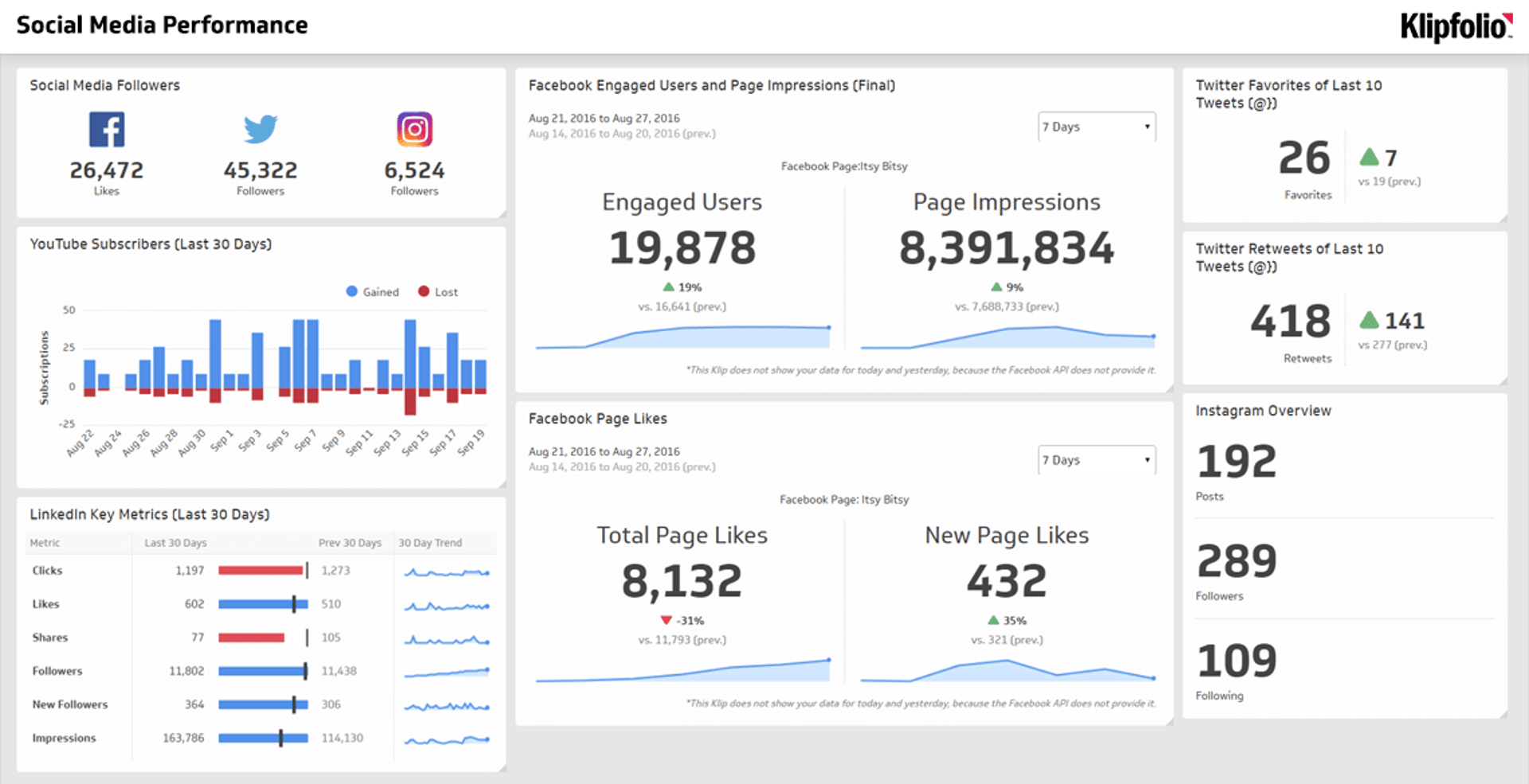
- Engagement Metrics: Track likes, shares, comments, and saves per personalized content piece or segment. Higher engagement often indicates better relevance.
- Click-Through Rates (CTR): For content driving traffic to your website, measure CTR from social posts. Personalized calls-to-action should yield higher CTRs.
- Conversion Rates: Ultimately, personalized content should lead to more conversions (leads, sales, sign-ups). Use UTM parameters and track conversions in your analytics platform to attribute success.
- Audience Growth & Sentiment: Monitor how personalized content impacts follower growth within target segments and overall brand sentiment.
Regularly review your performance data (weekly or bi-weekly). Identify which personalization tactics are working for which segments and double down on those. Don’t be afraid to pivot away from strategies that aren’t delivering. The iterative nature of AI means continuous learning and adjustment are crucial for sustained success.
The Evolving Landscape of Social Personalization
The capabilities of AI in social media are constantly advancing. We’re seeing more sophisticated tools emerge that can dynamically adjust ad creatives in real-time based on user signals, or even generate entire campaign narratives. For SMBs, the focus should remain on adopting these advancements incrementally, prioritizing those that offer clear, measurable benefits without excessive overhead. Keep an eye on platform updates and new features from your existing marketing tech stack. The goal isn’t to be at the bleeding edge, but to be smart and strategic in how you apply these powerful tools to grow your business effectively. AI in social media marketing trends



Leave a Comment