

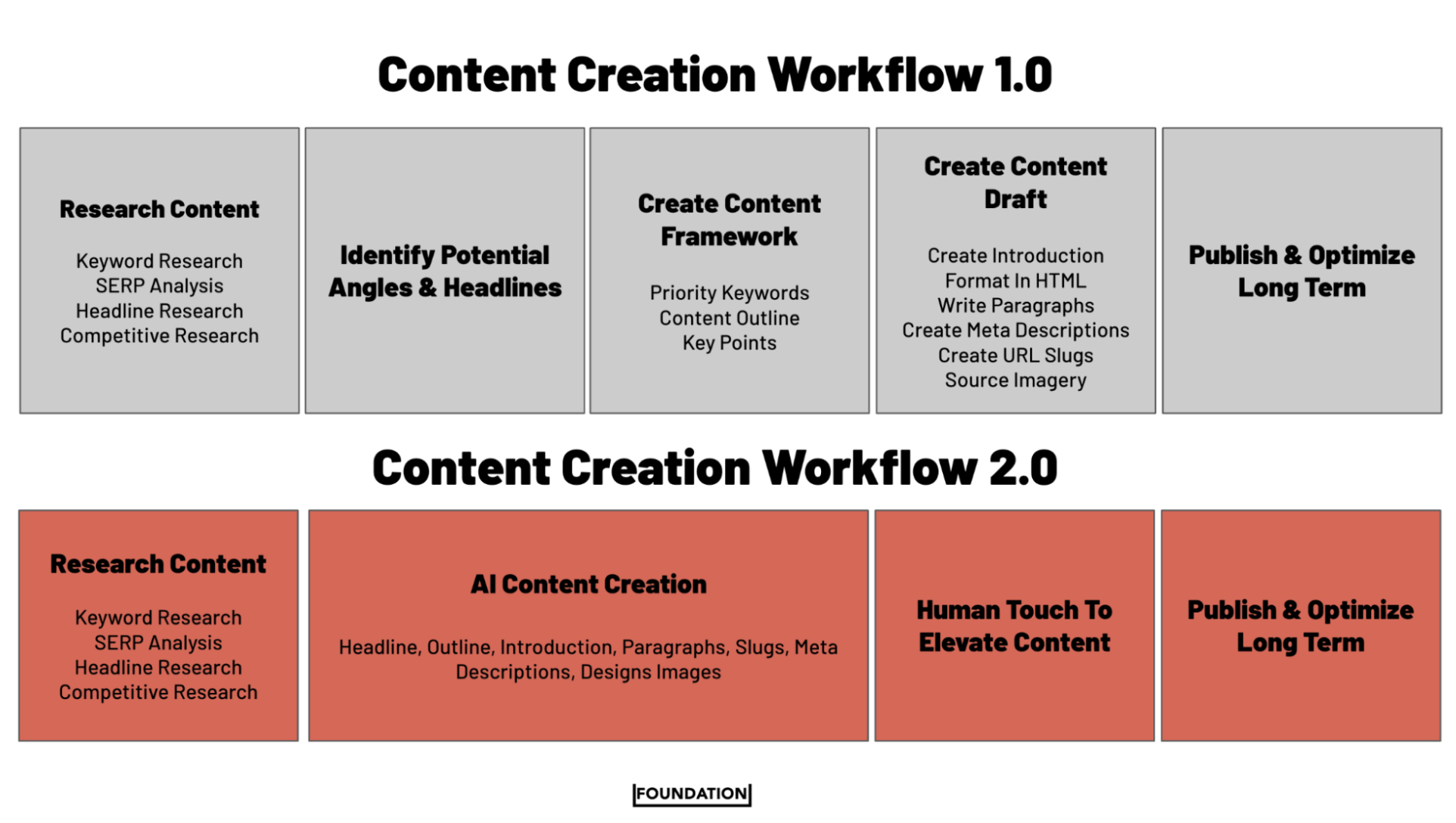
For small to mid-sized businesses, the demand for consistent, high-quality content across multiple channels often outstrips available time and resources. This article cuts through the noise to show you how to strategically leverage AI tools to scale your content creation, from initial ideas to distribution, without sacrificing quality or authenticity. You’ll gain a clear framework for integrating AI into your existing workflows, making smarter decisions about where to invest your limited bandwidth, and ultimately, reaching more of your target audience effectively.
We’ll focus on practical applications that deliver tangible benefits, helping you prioritize what truly moves the needle and what can be safely delayed or avoided. The goal is to equip your team with actionable strategies to produce more impactful content, more efficiently, even with imperfect execution and tight budgets.
Strategic AI Integration, Not Automation Overload
The biggest mistake small teams make with AI is trying to automate everything. That’s a recipe for generic content and wasted effort. Instead, view AI as a force multiplier for your human talent. Your team’s unique insights, brand voice, and strategic direction remain paramount. AI should handle repetitive tasks and initial drafting, freeing your experts to focus on refinement, strategic oversight, and adding the distinct human touch that resonates.
Prioritize AI adoption where it directly addresses bottlenecks. Is ideation slow? Is repurposing content too time-consuming? Start there. Don’t chase every shiny new AI feature; focus on solutions that integrate smoothly and offer clear, immediate value.
Ideation & Research: Smart Starts
Generating fresh, relevant content ideas consistently is a common hurdle. AI tools excel at this initial stage. Feed them your audience profiles, content themes, competitor analysis, and trends. They can quickly brainstorm topic clusters, suggest long-tail keywords, and outline potential article structures.
For research, AI can rapidly summarize text, extract key statistics, and identify common audience questions. This doesn’t replace human verification, but it drastically reduces time spent sifting through information. Use AI to get to a strong starting point, then apply your team’s expertise to validate and deepen insights.
- Topic Generation: Input themes; get specific article ideas.
- Keyword Expansion: Turn core keywords into related long-tail opportunities.
- Audience Insights: Analyze social media or review data for pain points.
- Content Outlining: Generate a logical flow for various content types.
While AI can churn out ideas at scale, a common pitfall is mistaking quantity for quality. Without careful prompting and human refinement, AI-generated topics can often feel derivative or generic. This isn’t just a minor issue; a steady diet of uninspired content, even if technically sound, struggles to differentiate your brand. The downstream consequence is a content calendar filled with topics that might get published but fail to capture attention or build authority, effectively wasting production resources on content that merely adds to the noise rather than cutting through it.
Another area where theory diverges from practice is the “human verification” step. It’s easy to assume this is a quick check, but truly validating AI-summarized research or extracted insights demands significant domain expertise. AI models, by design, often present information confidently, even when it’s subtly outdated, contextually misapplied, or reflects a common but unverified assumption. Overlooking these nuances can lead to content that, while appearing well-researched, contains small inaccuracies or misinterpretations. Over time, this erodes audience trust, making it harder for your brand to be seen as a reliable source, and the cost of rebuilding that credibility far outweighs the initial time saved.
The promise of a “strong starting point” from AI can also create its own set of decision pressures. Teams often face an overwhelming volume of AI-generated suggestions for keywords, outlines, or topic clusters. The challenge then shifts from generating ideas to effectively prioritizing and selecting the most strategic ones, especially when resources are limited. This can lead to analysis paralysis or, worse, a tendency to pick the easiest-to-execute idea rather than the one with the highest potential impact. The initial speed of AI can inadvertently slow down the strategic decision-making process, adding a layer of frustration when teams struggle to translate raw AI output into actionable, high-value content initiatives.
Drafting & Refinement: The Human-AI Loop
AI’s role in drafting is to provide a solid first pass, not a final product. Think of it as an extremely fast junior writer. It can generate initial paragraphs, expand on bullet points, or write sections based on your prompts. However, this output often lacks nuance, specific examples, and your brand’s unique voice.
Your team’s job is to act as the editor-in-chief. Review, fact-check, inject personality, add proprietary data or case studies, and refine the tone. This human-AI loop is where efficiency meets quality. You leverage AI for speed and volume, and your team for strategic depth and brand alignment. This ensures content remains authentic and authoritative, crucial for building trust and meeting evolving quality standards like Google’s E-E-A-T guidelines E-E-A-T guidelines.
- First Draft Acceleration: Generate initial text for articles, emails, or social posts.
- Tone Adjustment: Rewrite sections in a specific brand voice.
- Grammar & Style Checks: Suggest structural improvements.
- Summarization: Condense long-form content into snippets.
While the “junior writer” analogy holds, there’s a subtle but significant risk: over-reliance can dull the team’s own creative and critical thinking muscles. If every content piece begins with an AI-generated scaffold, the practice of original ideation, structuring complex arguments from scratch, or developing truly unique angles can atrophy. This isn’t just about efficiency; it’s about maintaining the core human capability to innovate and differentiate when AI’s capabilities inevitably hit a wall or produce generic output.
Furthermore, the act of editing AI-generated content is often different, and sometimes more mentally taxing, than editing a human-written draft. AI output can be syntactically correct but semantically shallow, subtly misaligned with brand voice, or riddled with plausible-sounding but ultimately incorrect details. Unraveling these issues, injecting true insight, and ensuring factual accuracy can demand a higher cognitive load than starting from a blank page. It’s not just “polishing”; it’s often a deep structural and conceptual overhaul, leading to a unique form of editing fatigue.
This brings us to a common pitfall: the false economy of a “first pass.” The perceived efficiency of AI generating an initial draft can quickly evaporate if that draft is fundamentally flawed. Teams, especially those under tight deadlines and limited resources, might feel compelled to salvage a poor AI output rather than discarding it and starting fresh. This leads to wasted effort, where hours are spent trying to “fix” something that should have been scrapped, ultimately negating any time savings and contributing to team frustration. The real skill lies in discerning when an AI draft is a useful starting point versus a distraction, and having the discipline to walk away from the latter.
Multi-Platform Adaptation: Reaching Wider Audiences
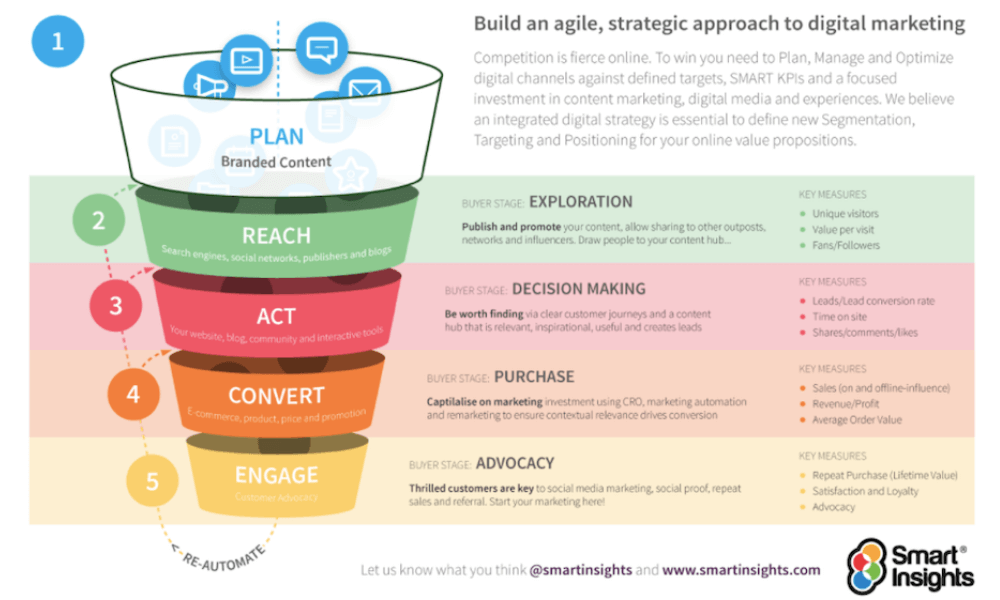
Manually repurposing one long-form content piece for every platform is time-consuming. AI can dramatically streamline this. Once you have a core article or video script, AI can transform it into various formats suitable for different channels.
For example, an AI tool can take a blog post and generate social media updates, a LinkedIn article summary, an email newsletter snippet, or bullet points for a short video script. This ensures consistent messaging while tailoring delivery to each platform’s best practices. This is where AI truly helps small teams punch above their weight in content reach.
- Social Media Snippets: Extract key quotes or create engaging posts.
- Email Newsletter Content: Summarize articles for quick reads.
- Video Scripts/Outlines: Convert written content into spoken word formats.
- Infographic Text: Pull out statistics and key takeaways.
What to Deprioritize Today
Given limited resources, it’s critical to know what not to do. Avoid fully automating your highest-value, brand-defining content. This includes thought leadership pieces, detailed case studies, or any content requiring deep, proprietary insights and a highly specific brand voice. While AI assists, relying solely on it for these critical assets risks diluting your brand and producing generic output that fails to differentiate.
Furthermore, deprioritize investing in overly complex or expensive AI platforms that require significant training, custom integration, or dedicated specialists. For small to mid-sized teams, the overhead often outweighs the benefits. Stick to user-friendly, off-the-shelf AI writing assistants and content repurposing tools that integrate easily and offer clear ROI without a steep learning curve. Don’t get caught up in the hype of ‘AI-first’ strategies if it sacrifices quality or operational simplicity.
Measuring Impact and Iterating
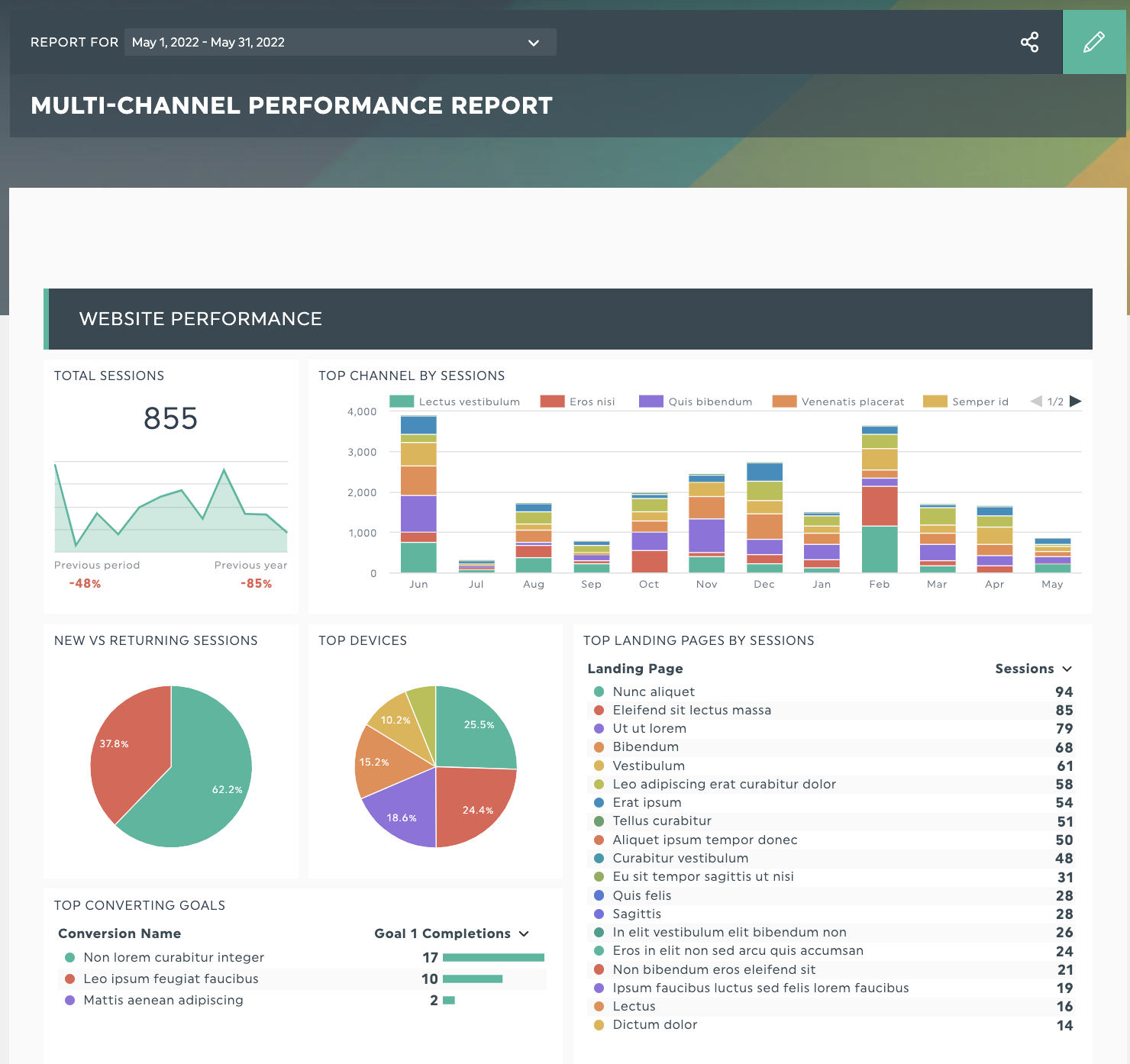
Scaling content isn’t just about production volume; it’s about impact. Use your existing analytics tools to track how your AI-assisted content performs. Look at engagement rates, traffic, conversions, and SEO rankings. Pay attention to which types of AI-generated content (and human-edited variations) resonate most.
This feedback loop is crucial. Don’t just set it and forget it. Continuously refine your prompts, adjust your editing process, and experiment with different AI tools or features based on performance data. The goal is continuous improvement, not just continuous output.
Building Your AI-Powered Content Workflow
Implementing AI effectively requires a structured approach. Start small, experiment, and then scale what works. Here’s a pragmatic workflow:
- Identify Bottlenecks: Where in your current content process do you spend the most time or face challenges?
- Select Targeted AI Tools: Choose tools that specifically address those bottlenecks.
- Develop Clear Prompts: Quality of AI output directly correlates with prompt quality. Be specific, provide context, and define desired tone/format.
- Establish a Human Review Process: Every piece of AI-generated content must be reviewed, edited, and enhanced by a human expert.
- Test and Optimize: Run A/B tests on headlines, intros, or social media copy. Track performance and refine AI usage based on data.
- Train Your Team: Provide clear guidelines and training on effective AI tool use, emphasizing their role as assistants.
By adopting this iterative, human-centric approach, small to mid-sized businesses can genuinely scale their content creation, improve efficiency, and maintain the authentic voice that defines their brand in a competitive digital landscape.



1 Comment