


Navigating social media today means more than just posting content; it means actively protecting your brand’s reputation. For small to mid-sized businesses with lean teams and tight budgets, brand safety isn’t about deploying complex AI tools, but about making smart, pragmatic choices that shield your business from reputational damage, misinformation, and inappropriate associations.
This article cuts through the noise to offer actionable strategies. We’ll focus on what truly moves the needle for businesses like yours, helping you prioritize effective measures, understand what to delay, and identify common pitfalls to avoid, ensuring your online presence remains secure and trustworthy.
Understanding Your Brand’s Social Risk Profile
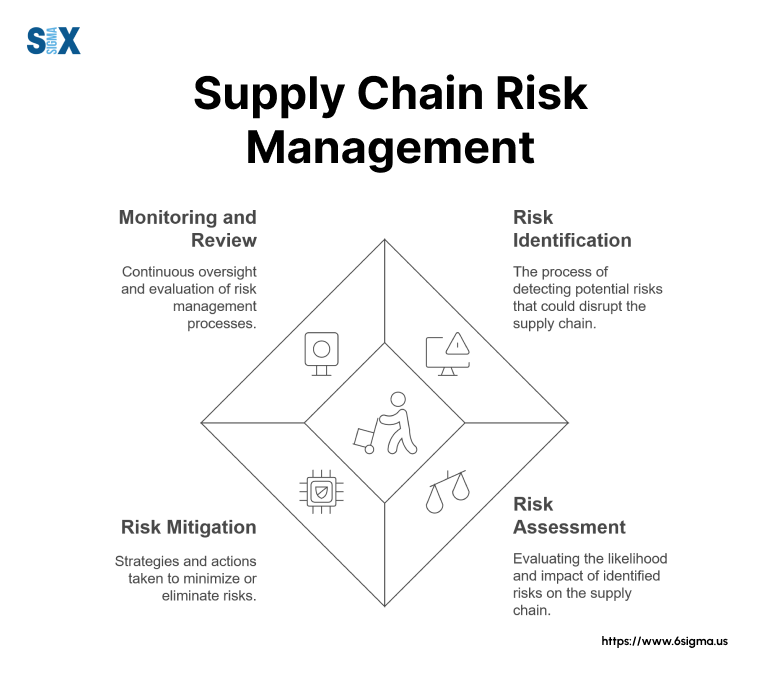
Before you can protect your brand, you need to understand where it’s most vulnerable. For SMBs, this isn’t about a comprehensive, academic risk assessment, but a pragmatic look at immediate, tangible threats. Consider your industry, your audience, and the types of content you typically share.
Reputational Damage: Negative reviews, customer service complaints, or public missteps can spread rapidly.
Misinformation & Disinformation: False claims about your products, services, or business practices.
Inappropriate Content Association: Your brand appearing alongside offensive or irrelevant content, especially in paid ad placements.
Impersonation & Scams: Fake accounts mimicking your brand to defraud customers.
Start by asking: “What’s the worst that could realistically happen on social media for our business, and where are we most exposed?” This quick, focused assessment helps you direct your limited resources to the most critical areas. For instance, a local restaurant might prioritize monitoring reviews and direct messages, while a B2B software company might focus more on industry-specific forums and professional networks.
Prioritizing Proactive Brand Safety Measures
With limited resources, proactive measures are your best defense. These aren’t just “nice-to-haves”; they’re foundational for a secure online presence.
Develop Clear Internal Content Guidelines: This is your first line of defense. Create a simple, accessible document outlining what is and isn’t acceptable to post, tone of voice, and how to handle sensitive topics. Ensure everyone with social media access understands these rules. This isn’t about stifling creativity, but about establishing guardrails.
Strategic Platform Selection: You don’t need to be everywhere. Focus your efforts on the platforms where your target audience is most active and where you can realistically maintain a consistent, safe presence. Spreading yourself too thin increases the likelihood of oversight and potential missteps. If you can only manage two platforms well, choose those two.
Implement Basic Content Moderation: For organic content, this means regular human review of comments and messages. Set clear rules for what constitutes spam, hate speech, or inappropriate content, and remove it promptly. For paid social, utilize platform-provided exclusion lists to prevent your ads from appearing next to undesirable content. This is often a manual, but critical, task for SMBs.
Secure Your Accounts: Enable two-factor authentication (2FA) on all social media accounts. Use strong, unique passwords. Regularly review who has access to your accounts and remove inactive users. This basic security hygiene prevents unauthorized access, which is a common source of brand safety incidents.
The challenge with internal content guidelines isn’t just writing them; it’s embedding them into daily practice. In busy teams, these documents often become static artifacts, forgotten in the rush of daily posting. The real cost emerges when a team member, under pressure to hit a deadline, makes an on-the-fly judgment call that deviates from the spirit of the guidelines, creating an inconsistent brand voice or, worse, a misstep that requires damage control. This isn’t a failure of intent, but a failure of operationalizing the intent.
Similarly, basic content moderation, while critical, carries a hidden human cost. For small teams, this often falls to an individual juggling multiple roles. The constant exposure to spam, negativity, or even outright abuse in comments can lead to burnout and a desensitization over time. What starts as diligent review can slowly degrade into a reactive, rather than proactive, process, increasing the likelihood of a truly damaging comment slipping through when vigilance wanes.
This operational drift also extends to platform selection. While the advice is to focus, the temptation to maintain a “ghost” presence on peripheral platforms is strong. These neglected accounts, often with outdated branding or forgotten login credentials, become low-hanging fruit for bad actors. A compromise on a seemingly insignificant platform can then be leveraged to phish your audience or spread disinformation, eroding trust across all your channels. The initial “minor” oversight of not fully decommissioning an unused account can lead to a disproportionately large and costly brand safety incident down the line, requiring significant time and resources to mitigate and rebuild credibility.
Responding to Social Media Incidents Effectively
Even with proactive measures, incidents can occur. How you respond can significantly impact the long-term damage to your brand. Speed, transparency, and empathy are paramount.
Create a Simple Response Plan: Don’t wait for a crisis to figure out who does what. Outline a basic workflow: who monitors for issues, who drafts responses, who approves them, and who posts. For SMBs, this might be a single person or a small team, but clarity is key. A simple “if X happens, then Y does Z” framework is sufficient.
Monitor Key Mentions: Use free tools like Google Alerts for your brand name, or built-in platform analytics to track mentions and comments. This isn’t about catching every whisper, but identifying significant negative sentiment or direct complaints that require attention. Early detection allows for a faster, more controlled response.
Respond Swiftly and Authentically: Acknowledge the issue, apologize if appropriate, and outline steps you’re taking to resolve it. Avoid defensive language. If a conversation needs to move offline, provide clear instructions (e.g., “Please DM us your contact info so we can help directly”). Deleting valid negative feedback often backfires, fueling further outrage. For more detailed frameworks on crisis communication, resources like social media crisis management guide can provide additional context.

While a simple response plan is essential, its true test comes under pressure. What often gets overlooked is the human element of that plan: the designated person might be unavailable, overwhelmed, or lack the immediate authority to make critical judgment calls. This internal friction or indecision, even for a few hours, can amplify a minor issue into a significant brand problem, not because of the original complaint, but due to the perceived lack of control and responsiveness. The hidden cost here isn’t just the immediate PR hit, but the slow erosion of internal confidence and the potential for team burnout or blame when a fumbled response occurs.
Similarly, relying solely on automated monitoring tools can be a pitfall. While they catch keywords, they often miss the nuance, sarcasm, or specific context that turns a general complaint into a viral incident. Over-reliance can lead to overreactions to minor mentions or, conversely, overlooking a brewing storm because the language isn’t explicitly negative. The human judgment required to interpret sentiment and understand the community’s pulse remains critical, yet it’s frequently deprioritized when resources are stretched thin.
Finally, the advice to move conversations offline, while well-intentioned, often falls short in practice. For the public, being asked to “DM us” can feel like being shunted aside, especially if the initial complaint was public. If the resolution isn’t eventually acknowledged publicly – even if generalized – it can breed suspicion that the issue was merely suppressed, not genuinely resolved. This creates a second-order problem: the perception that your brand only addresses problems privately, fostering a lack of transparency that can be harder to overcome than the original incident itself.
What to Deprioritize and Why
For small to mid-sized businesses, effective brand safety isn’t about doing everything, but about doing the right things well. Many advanced brand safety solutions are simply overkill and a drain on limited resources.
Today, you should deprioritize investing heavily in complex, AI-driven sentiment analysis software or real-time, comprehensive social listening platforms. While these tools offer granular insights, their cost and operational complexity often outweigh the benefits for teams with limited headcount and budget. Manual review, combined with basic alerts, is often sufficient to catch critical issues. Similarly, avoid trying to establish a presence on every trending social media platform. Each new platform adds to your monitoring and content creation burden, increasing the surface area for potential brand safety issues without necessarily delivering proportional returns. Focus your efforts on your core platforms where your audience genuinely resides and where you can maintain consistent oversight. Spreading resources too thin dilutes your impact and makes effective brand safety harder to achieve.
Maintaining Long-Term Brand Integrity
Brand safety isn’t a one-time setup; it’s an ongoing commitment. Regular review and adaptation are crucial.
Regular Policy Review: Social media platforms and trends evolve rapidly. Review your internal content guidelines and response plans at least annually, or whenever there’s a significant platform change or internal incident. Update them to reflect current best practices and lessons learned.
Ongoing Team Training: Ensure all team members involved in social media, from content creators to customer service, receive regular refreshers on brand safety policies and crisis response protocols. New hires should be thoroughly briefed before gaining access to any accounts.
Learn from Every Incident: After any social media incident, conduct a brief internal review. What happened? How was it handled? What could be improved? Document these lessons to refine your strategies and prevent similar issues in the future. This iterative process strengthens your brand’s resilience over time. For more on managing your online presence, consider resources like social media management best practices.

Leave a Comment