


Why Authentic Community Matters More Than Follower Count
For small to mid-sized businesses, the social media landscape isn’t about accumulating the largest follower count anymore. That’s a vanity metric. What truly drives business value today is cultivating an authentic community – a group of engaged individuals who genuinely connect with your brand, advocate for it, and provide valuable feedback. This shift from broad reach to deep connection is critical for teams operating with limited budgets and headcount. An authentic community translates into higher customer loyalty, more reliable word-of-mouth referrals, and a direct channel for market insights, all without the need for massive ad spend.
Prioritizing Your Efforts: Where SMBs Should Focus
With finite resources, strategic prioritization is non-negotiable. Don’t try to be everywhere; instead, identify one or two primary platforms where your target audience is most active and engaged. Focus your energy there. This targeted approach ensures your efforts yield tangible results rather than being spread too thin.
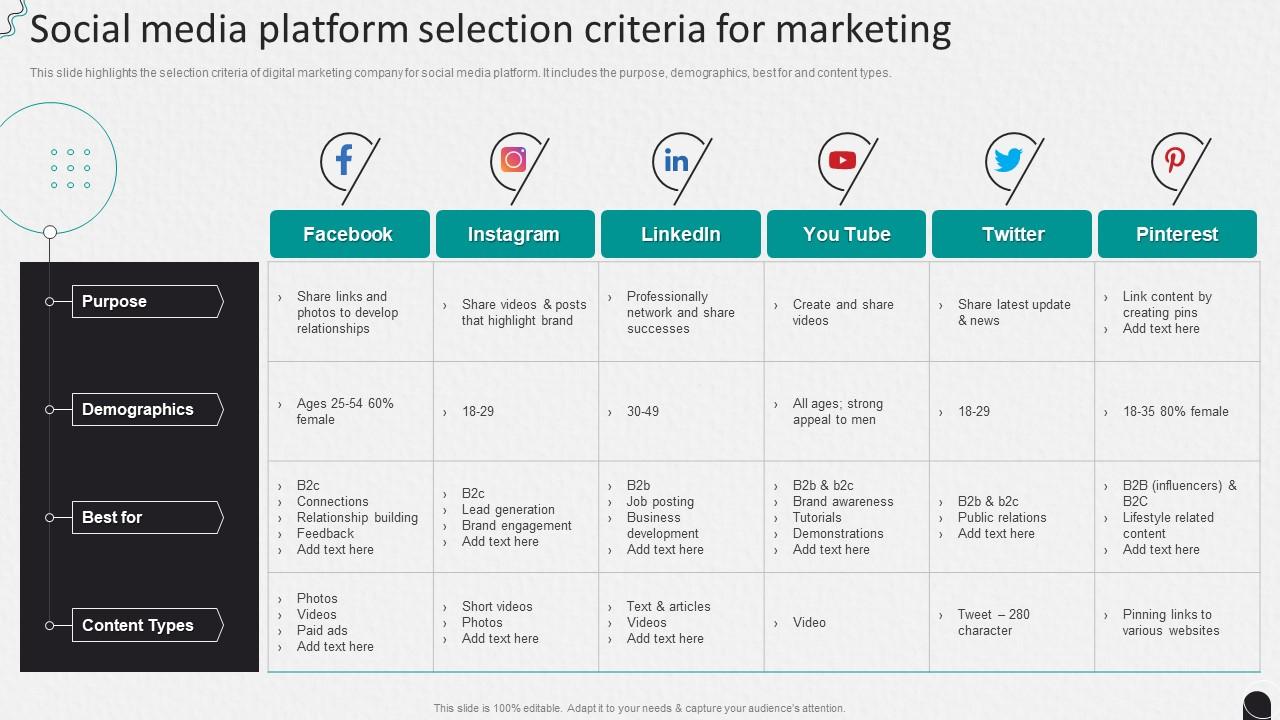
- Platform Selection: Research where your ideal customers spend their time. Is it LinkedIn for B2B, Instagram for visual brands, or TikTok for a younger demographic? Commit to mastering those platforms rather than maintaining a superficial presence across many.
- Value-Driven Content: Your content should consistently offer value. This means solving problems, educating, entertaining, or inspiring your audience. Think about what truly helps or resonates with them, not just what promotes your product. User-generated content (UGC) is a powerful, cost-effective way to build trust and show real-world application.
- Active Engagement: Don’t just post and leave. Actively participate in conversations, respond thoughtfully to comments and messages, and ask open-ended questions. Show that there’s a human behind the brand who genuinely cares about the community’s input.
For small to mid-sized teams, a critical trade-off is often made between perceived ‘best practices’ and what’s actually feasible and impactful. Today, you should deprioritize chasing every trending social media platform or investing heavily in complex, multi-channel attribution models for social. The former spreads your limited resources too thin, leading to diluted effort and no meaningful presence anywhere. The latter, while valuable for larger enterprises, is an over-optimization for most SMBs; focus instead on direct engagement metrics and qualitative feedback. Similarly, avoid the temptation to buy followers or engage in ‘engagement pods’ – these tactics erode authenticity, offer no real business value, and can harm your brand’s long-term credibility and platform standing.
The commitment to ‘mastering’ one or two platforms, while sound, carries a subtle risk: over-specialization. Teams can become so adept at the nuances of a specific platform’s algorithm, content formats, or community norms that they develop a blind spot. When that platform inevitably shifts its priorities, changes its algorithm, or sees a demographic migration, the team’s accumulated expertise can become a liability rather than an asset. The investment in deep tactical knowledge, while initially efficient, can delay adaptation to broader market or platform changes, creating a scramble to re-skill or pivot when the environment inevitably evolves.
Another common pitfall lies in the relentless pursuit of ‘value-driven content’ and ‘active engagement.’ In theory, this sounds straightforward. In practice, the constant demand to produce genuinely valuable content and maintain authentic, timely engagement can lead to significant team pressure and burnout. When resources are tight, the drive to simply ‘get something out’ can override the commitment to quality, resulting in content that is technically present but lacks real insight or impact. Engagement can become perfunctory, a checkbox activity rather than a genuine connection, ultimately eroding the very authenticity it aims to build. This isn’t a failure of intent, but a consequence of operational strain.
Furthermore, the true operational cost of ‘active engagement’ is often underestimated. It’s not just about the initial post; it’s the continuous monitoring, thoughtful response crafting, and proactive community management that consumes significant time. Many teams launch with enthusiasm, only to find that sustaining this level of interaction becomes a heavy, daily lift that pulls resources away from other critical tasks. The consequence is often an inconsistent presence: periods of high activity followed by long silences, which can be more damaging to credibility than a consistently lower, but reliable, level of engagement. This inconsistency signals a lack of commitment, undermining the trust built during active phases.
Practical Tactics for Fostering Connection
Building genuine connections requires consistent, intentional effort. It’s about showing up authentically and valuing the community’s input.
- Consistent Interaction: Be present and responsive. Acknowledge comments, answer questions promptly, and participate in relevant discussions. This builds trust and shows your community they are heard.
- Show the Human Element: Share behind-the-scenes glimpses of your team, your process, or your company culture. People connect with people, not just logos. This transparency builds relatability and strengthens bonds.
- Community-Specific Content: Create content exclusively for your engaged community. This could be polls, Q&A sessions, early access to information, or even exclusive discounts. This makes members feel valued and special.
- Leveraging AI (Carefully): AI tools can assist with content ideation, scheduling, and even sentiment analysis to understand community mood. However, never use AI to generate authentic responses or engage in direct conversations. Authenticity comes from human interaction.
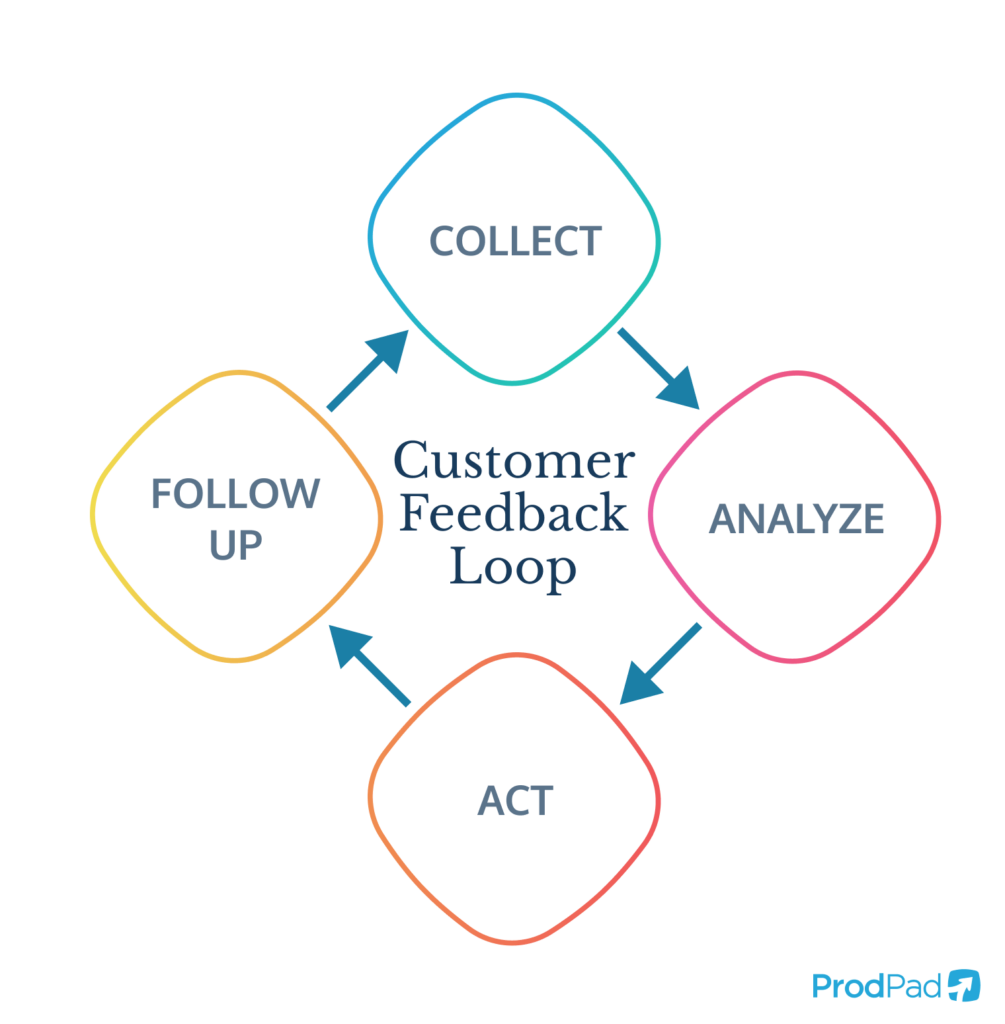
- Feedback Loops: Use social media as a direct channel for product or service improvement. Ask for opinions, run surveys, and genuinely listen to what your community says. This not only provides valuable insights but also empowers your community members. social media community building tips
What often goes unsaid about consistent interaction is the operational debt it incurs. When you establish a high bar for responsiveness and presence, you’re not just building trust; you’re also setting an expectation. Any future dip in that consistency, perhaps due to team bandwidth limitations or shifting priorities, can be perceived as a withdrawal of effort, eroding the very trust you worked to build. This creates a constant, often unacknowledged, pressure on lean teams to maintain an unsustainable pace.
Similarly, while feedback loops are critical, the real challenge isn’t collecting opinions—it’s having the internal capacity and strategic alignment to act on them. Soliciting feedback without a clear path to implementation can quickly backfire. Community members who invest their time offering insights and then see no tangible changes will eventually disengage, feeling unheard and undervalued. The initial positive intent of seeking input can, in practice, lead to deeper cynicism if the organization can’t close that loop effectively.
Finally, the idea of creating “community-specific content” sounds straightforward, but its practical execution often demands significant internal resources. Crafting truly exclusive, high-value content means diverting time and creative energy from other core marketing or product development efforts. For small teams, this isn’t a minor task; it’s a strategic trade-off. Without a clear understanding of the return on that investment, or if the content feels generic despite being “exclusive,” it can become a drain on resources without delivering the intended boost in connection.
Measuring What Truly Matters
Forget vanity metrics. For SMBs, measuring community success means looking beyond likes and follower counts. Focus on metrics that indicate genuine engagement and business impact.
- Engagement Rate: This is more telling than raw follower numbers. It measures how many people interact with your content relative to your reach.
- Sentiment Analysis: Pay attention to the tone and emotion behind comments and messages. Are people positive, negative, or neutral? Tools can help, but human review is essential.
- Direct Messages & Mentions: These indicate a deeper level of interest and trust. Track the volume and nature of these interactions.
- Website Traffic & Conversions: Ultimately, social media should contribute to your business goals. Use UTM parameters to track how much traffic and how many conversions originate from your social channels.
- Qualitative Feedback: Regularly review comments, DMs, and community discussions for recurring themes, pain points, and suggestions. This qualitative data is invaluable for product development and service improvement.

Sustaining Your Community for Long-Term Growth
Building an authentic community isn’t a one-time campaign; it’s an ongoing commitment. Consistency is paramount. Continue to show up, provide value, and engage with your community regularly. As your business evolves, so too should your understanding of your community’s needs and preferences. Empower your most passionate advocates by recognizing their contributions and giving them a platform. These loyal members become your most effective marketing force, driving organic growth and reinforcing the authenticity of your brand connections. Focus on nurturing these relationships, and your community will continue to be a powerful asset for years to come.


Leave a Comment