


Your Path to Practical AI Integration
For small to mid-sized businesses, integrating AI isn’t about chasing every new tool; it’s about strategic application to solve real problems and drive growth. This article outlines a practical framework to make your business AI-ready, focusing on what delivers tangible value today. You’ll learn how to prioritize initiatives, make smart trade-offs with limited resources, and avoid common pitfalls that drain budgets without results.
We’ll cut through the hype to focus on actionable steps that enhance efficiency, improve decision-making, and give your team a competitive edge, even with imperfect execution and tight constraints.
Phase 1: Assess & Identify High-Impact Areas
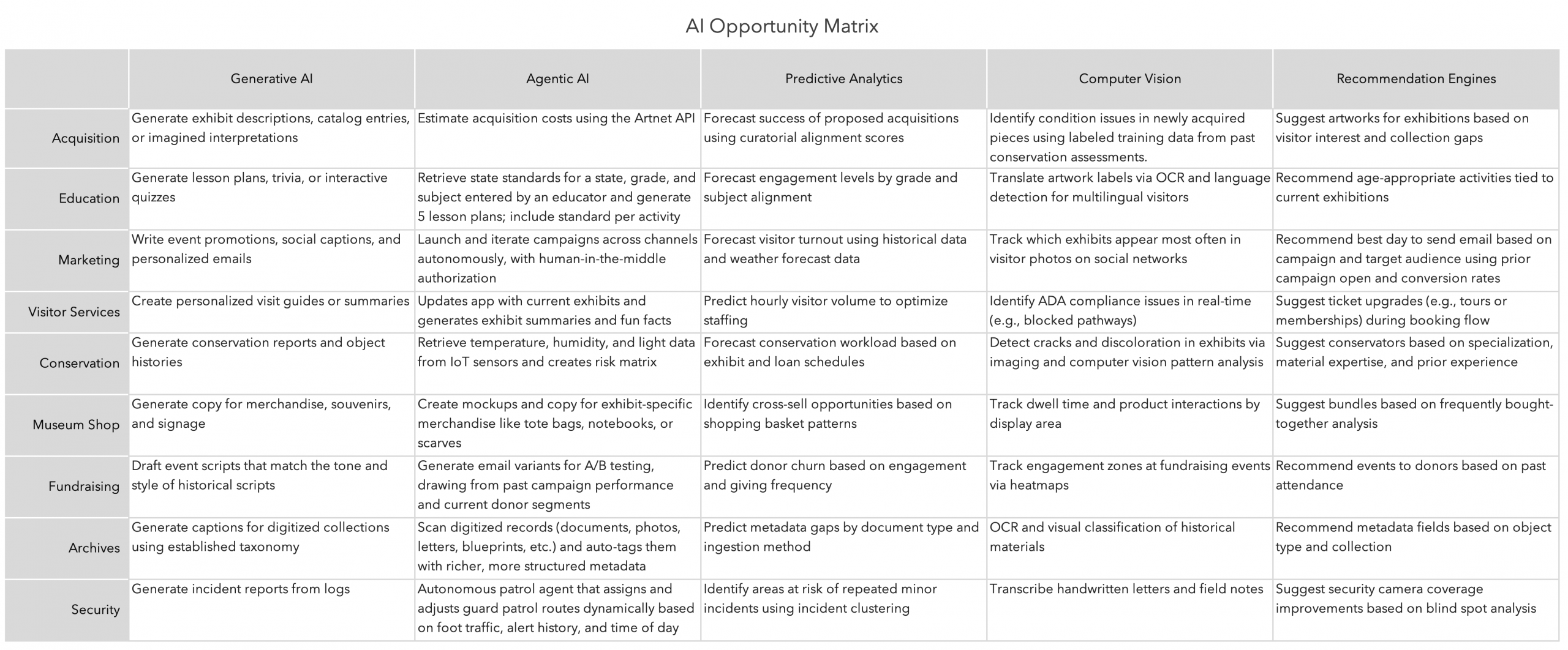
Before diving into any AI tool, understand where AI can genuinely move the needle for your business. This isn’t about a comprehensive audit; it’s about identifying 2-3 critical pain points or opportunities where AI offers a clear, measurable advantage. Think about repetitive tasks, data analysis bottlenecks, or customer interaction inefficiencies.
- Prioritize: Focus on areas with high manual effort, significant data volume, or direct impact on revenue or customer satisfaction. Examples include automating customer support FAQs, personalizing marketing emails, or streamlining inventory forecasting.
- Delay: Avoid starting with complex, custom AI model development unless you have a dedicated data science team and a clear, validated use case. These projects are resource-intensive and often yield diminishing returns for SMBs.
- Avoid: Do not invest in AI for tasks that are already efficient or have minimal impact on your core business. A shiny new tool won’t fix a fundamentally broken process.
Even when a pain point seems obvious, the underlying data required for AI to function effectively is rarely in a ready-to-use state. What looks like a clear opportunity for automation can quickly become a data cleaning and preparation project, consuming significant time and resources before any AI is even deployed. This is a common hidden cost that derails initial timelines and frustrates teams expecting quicker wins.
Beyond the technical implementation, the true test of an AI solution lies in its integration into existing human workflows. An AI tool that automates a task in isolation but doesn’t seamlessly fit into how your team currently operates will create new friction points. The effort required for change management – training staff, adjusting processes, and overcoming natural resistance to new tools – is often underestimated, leading to underutilized solutions and a perception of failure, even if the technology itself works.
Furthermore, identifying a high-impact area doesn’t automatically mean your team has the capacity or specific skill set to maintain the AI solution long-term. Many off-the-shelf AI tools still require some level of monitoring, fine-tuning, or troubleshooting. Overlooking this ongoing operational overhead can lead to an initial successful pilot that eventually falters due to a lack of sustained attention or specialized expertise within a lean SMB team.
Phase 2: Build a Solid Data Foundation
AI is only as good as the data it consumes. Many SMBs overlook this foundational step, leading to poor AI performance and wasted investment. You don’t need perfect data, but you need accessible, reasonably clean data in the areas you’ve prioritized.
- Prioritize: Focus on centralizing and cleaning data relevant to your high-impact areas. This might mean integrating your CRM with your marketing automation platform, or standardizing product descriptions. Use existing tools like your CRM or marketing platform’s native reporting to identify data gaps.
- Delay: Don’t attempt a full-scale data warehouse implementation from day one. Start small, with the data sets directly impacting your chosen AI initiatives.
- Avoid: Implementing AI tools without understanding your data quality. Garbage in, garbage out. An AI tool on bad data will only automate bad decisions.
The phrase “reasonably clean” often masks the real effort involved. It implies a one-time scrub, but data quality is an ongoing discipline, not a project with an end date. What’s easy to overlook is the continuous human effort required to maintain it. New data streams, human error in entry, and evolving business processes constantly introduce entropy. Without clear ownership and routine checks, even a “clean” dataset quickly degrades, turning initial AI gains into a frustrating cycle of manual corrections and eroding trust in the system.
This data debt isn’t just about poor AI outputs; it directly impacts team morale and the willingness to adopt new tools. When AI consistently produces irrelevant leads or inaccurate forecasts due to underlying data issues, the team spends more time validating and correcting than leveraging. This leads to a significant hidden cost: the opportunity cost of manual overrides, the frustration of practitioners, and the eventual abandonment of promising AI initiatives, not because AI failed, but because the data foundation was allowed to crumble under the weight of neglect. The pressure to show quick wins often pushes teams to deploy AI on data that’s “good enough” but not truly ready, creating a false sense of progress that ultimately costs more in re-work and lost confidence.
Phase 3: Pilot & Iterate with Off-the-Shelf Tools
For SMBs, the fastest path to AI value is often through integrating existing, proven AI-powered tools. These are designed for ease of use and offer immediate benefits without heavy development costs.
- Prioritize: Select AI tools that integrate seamlessly with your current tech stack (e.g., your CRM, email marketing platform, or e-commerce platform). Look for features like AI-powered content generation for marketing, intelligent chatbots for support, or predictive analytics for sales forecasting. Many platforms like HubSpot or Shopify now embed AI features directly. AI features for marketing automation
- Delay: Custom AI development or integrating highly specialized, niche AI APIs that require significant engineering effort. These are for later stages, once you’ve proven the value of simpler integrations.
- Avoid: Over-committing to a single, expensive AI solution before a successful pilot. Start with trials, freemium versions, or smaller, project-based engagements.
Phase 4: Upskill Your Team & Foster an AI Mindset
Technology adoption is ultimately about people. Your team needs to understand how to use AI tools effectively and adapt to new workflows. This isn’t about turning everyone into an AI engineer, but about fostering a culture of curiosity and practical application.
- Prioritize: Provide targeted training on the specific AI tools you’re implementing. Encourage experimentation and share success stories internally. Focus on how AI augments human capabilities, freeing up time for more strategic work.
- Delay: Broad, theoretical AI education for the entire team. While interesting, it’s less impactful than hands-on training for specific tools and use cases.
- Avoid: Imposing AI tools without explaining their purpose or providing adequate training. This leads to resistance, underutilization, and frustration.
What to Deprioritize Today
Given the constraints of most small to mid-sized businesses, it’s critical to deprioritize initiatives that offer low immediate ROI or demand excessive resources. Specifically, avoid trying to build proprietary AI models from scratch or investing heavily in complex, multi-year AI transformation programs. These are typically suited for larger enterprises with dedicated R&D budgets and specialized talent. For you, the focus should be on leveraging existing, accessible AI solutions that solve immediate business problems, not on becoming an AI development house. Resist the urge to chase every new AI trend; instead, anchor your efforts in practical applications that directly support your core business objectives and improve operational efficiency. AI tools for small business marketing
Sustaining Your AI Journey
Building an AI-ready business is an ongoing process, not a one-time project. Once you’ve successfully piloted and integrated initial AI solutions, continuously monitor their performance, gather feedback, and look for new opportunities to expand. This iterative approach ensures your AI investments continue to deliver value and adapt as both your business and AI technology evolve.


1 Comment