


For small to mid-sized businesses, the promise of personalized marketing often feels out of reach due to limited resources. This article cuts through the hype, showing you how to practically apply AI for dynamic content creation to deliver more relevant experiences to your customers. You’ll gain clear guidance on where to focus your efforts for maximum impact, what tools offer the best leverage, and crucially, what to avoid to prevent wasted time and budget.
The Pragmatic Case for AI in Dynamic Content
Dynamic content isn’t new, but AI fundamentally changes its accessibility and effectiveness for lean marketing teams. Instead of manually segmenting audiences and crafting countless content variations, AI tools can analyze user behavior, preferences, and real-time context to generate or adapt content on the fly. For SMBs, this translates to more engaging emails, personalized website experiences, and relevant ad copy without needing an army of content creators or data scientists. The core benefit is doing more with less, making every interaction count.
The real power lies in moving beyond basic personalization (like using a customer’s name) to delivering content that genuinely resonates with their current needs and stage in the buyer journey. This requires a system that can learn and adapt, which is precisely where AI excels. It’s about shifting from a one-to-many broadcast to a many-to-one conversation, scaled efficiently.
Prioritizing Your AI Personalization Efforts
Given limited resources, the key is to start where AI can provide immediate, tangible value. Don’t aim for a complete overhaul; instead, identify specific touchpoints where personalization has the highest potential return on investment. For most SMBs, this means focusing on email marketing and website experiences first.
- Email Marketing Personalization: This is often the lowest-hanging fruit. AI tools can help segment your audience more intelligently, suggest optimal send times, and dynamically generate subject lines, body copy, and product recommendations based on individual subscriber behavior (e.g., past purchases, browsing history, email opens). Focus on transactional emails, abandoned cart sequences, and welcome series as prime candidates for AI optimization.
- Website Content Adaptation: For your website, start with key landing pages or product pages. AI can personalize calls-to-action, product recommendations, or even hero images based on a visitor’s referral source, geographic location, or previous interactions with your site. Tools integrated with your CMS or e-commerce platform can make this surprisingly straightforward.
- Ad Copy Optimization: While more advanced, AI can assist in generating multiple ad variations for platforms like Google Ads or Meta, testing them, and learning which resonate best with different audience segments. This reduces manual effort and improves ad performance over time.
The critical first step is ensuring you have clean, accessible data. AI thrives on data, so integrate your CRM, email platform, and website analytics. Without a unified view of customer interactions, even the most sophisticated AI will struggle to deliver meaningful personalization.
What often gets overlooked, however, is the ongoing operational burden of maintaining that clean, accessible data. Data isn’t static; it decays, gets duplicated, or becomes irrelevant over time. This means the initial integration is just the first step; continuous data hygiene, validation, and governance are hidden costs that can quickly consume team bandwidth and delay the realization of AI’s full potential. Without this sustained effort, even well-intentioned personalization efforts can quickly become inaccurate or even counterproductive.
Another common pitfall is mistaking personalization for relevance. It’s easy to implement AI that simply inserts a customer’s name or shows a product they recently viewed. However, if the underlying recommendation engine or content logic is flawed, this can feel superficial or, worse, intrusive. When personalization lacks genuine value or misinterprets customer intent, it doesn’t just fail to convert; it actively erodes trust and can lead to customer fatigue. This downstream effect of poorly executed personalization can be far more damaging than no personalization at all, making customers wary of future interactions.
Ultimately, AI is a powerful tool, but it doesn’t replace strategic judgment. Teams can feel immense pressure to “automate everything,” but the most effective personalization still requires human oversight to set guardrails, interpret results, and make nuanced decisions. Relying solely on algorithms without a practitioner’s strategic input risks automating ineffective or even detrimental marketing tactics, creating more work to fix than the AI initially saved. Prioritize using AI to augment your team’s capabilities, not to replace their critical thinking.
Practical AI Tools and Approaches for SMBs
You don’t need to build custom AI models. Many off-the-shelf marketing platforms now embed AI capabilities that are accessible and effective for SMBs. The focus should be on tools that integrate seamlessly with your existing stack and offer clear, actionable insights.
- AI-Powered Copywriting Assistants: Tools like Jasper, Copy.ai, or even features within larger marketing suites can generate headlines, product descriptions, social media posts, and email copy. While they require human oversight and editing, they drastically speed up content creation, allowing you to produce more variations for testing and personalization. Use them to draft initial content, then refine it with your brand voice.
- Marketing Automation Platforms with AI: Platforms like HubSpot or Mailchimp (with their advanced tiers) are increasingly incorporating AI for segmentation, predictive analytics, and content recommendations. These are excellent starting points as they often unify data and execution. AI marketing features
- E-commerce Personalization Engines: For online stores, solutions like Shopify’s app ecosystem offer AI-driven product recommendation engines, personalized search results, and dynamic merchandising. These directly impact conversion rates by showing customers what they’re most likely to buy. AI personalization apps
- A/B Testing and Optimization Tools: Many AI-driven platforms can automate multivariate testing, identifying the most effective content variations across different audience segments without extensive manual setup. This ensures your personalized content is actually performing.

When evaluating tools, prioritize ease of integration, a clear user interface, and robust analytics that show the direct impact of personalization on your key metrics. Avoid tools that require extensive coding or data science expertise unless you have that specific talent in-house.
AI copywriting tools promise speed, but this often comes with a hidden cost: the increased burden on human editors to ensure quality, brand voice, and strategic relevance. What seems like a time-saver can quickly become a bottleneck if teams aren’t prepared for the extensive refinement required. The output is a draft, not a finished product, and treating it otherwise risks diluting your brand message or producing generic content that fails to resonate. This isn’t just about grammar; it’s about strategic alignment and distinctiveness.
The effectiveness of AI-powered personalization and automation hinges entirely on the quality and completeness of your underlying data. Many SMBs operate with fragmented customer data across different systems, or data that’s simply not clean. When you feed an AI model inconsistent or incomplete data, its recommendations and automations will be flawed, leading to irrelevant suggestions, missed opportunities, and even customer frustration. The promise of “predictive analytics” can quickly turn into “predictive garbage” if the data foundation isn’t solid, making the tool a source of confusion rather than insight.
A common pitfall is the temptation to over-rely on AI tools, mistaking automation for strategic insight. While these tools can optimize tactics, they don’t replace the need for human strategic thinking, market understanding, or customer empathy. Teams can inadvertently deprioritize deep dives into customer feedback or competitive analysis, assuming the AI will surface all necessary insights. This can lead to a subtle erosion of strategic judgment within the team. Therefore, a critical deprioritization for SMBs is chasing every new AI feature before solidifying their data infrastructure and maintaining strong human-led strategic oversight. Without this, you risk automating inefficiency rather than optimizing performance.
What to Deprioritize Today
While the potential of AI is vast, it’s crucial for SMBs to avoid getting sidetracked by overly ambitious or complex initiatives that drain resources without delivering proportional value. Today, you should deprioritize:
- Real-time, Omnichannel Personalization Across Every Touchpoint: While aspirational, attempting to achieve seamless, real-time personalization across every single customer touchpoint (website, email, social, in-app, customer service) is a monumental task. It requires highly sophisticated data integration, advanced AI models, and significant operational overhead that most SMBs simply cannot sustain. Focus on mastering one or two channels first, then expand incrementally.
- Investing in Custom AI Model Development: Unless you are a tech-first company with a dedicated data science team, building bespoke AI models for personalization is an unnecessary expense and distraction. The off-the-shelf tools and platform integrations available today are powerful enough to deliver significant results for the vast majority of SMBs. Leverage existing solutions rather than reinventing the wheel.
- Chasing Every New AI Trend: The AI landscape is evolving rapidly. Resist the urge to jump on every new tool or technique that emerges. Stick to proven applications that address your core marketing challenges and offer clear ROI. A pragmatic approach means focusing on stability and measurable impact over novelty.
Your limited budget and headcount are best spent on implementing foundational AI-driven personalization in high-impact areas and ensuring your data infrastructure supports these efforts. Over-engineering your personalization strategy too early will lead to burnout and minimal returns.
Measuring Impact and Iterating for Growth
Implementing AI for dynamic content isn’t a set-it-and-forget-it task. Continuous measurement and iteration are essential. For SMBs, focus on straightforward metrics that directly reflect business outcomes:
- Conversion Rates: Are personalized landing pages converting better than generic ones? Are personalized product recommendations leading to more sales?
- Engagement Metrics: For email, track open rates, click-through rates, and time spent on content. For websites, monitor bounce rates and time on page for personalized sections.
- Customer Lifetime Value (CLTV): Over time, effective personalization should lead to higher customer retention and increased CLTV as customers feel more understood and valued.
- A/B Test Results: Pay close attention to the results of your AI-driven A/B tests. These provide direct evidence of what content variations and personalization strategies are most effective.
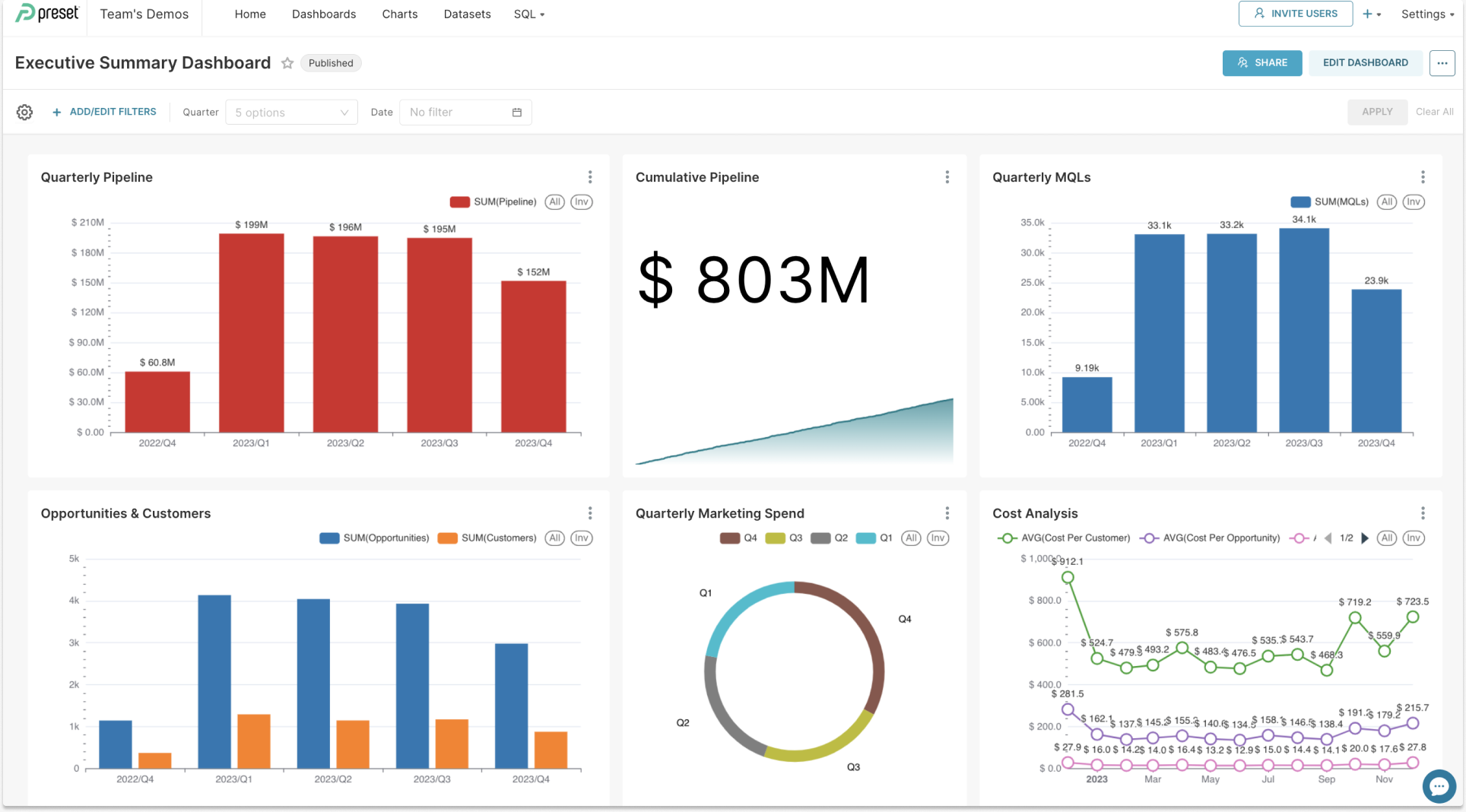
Establish clear benchmarks before you begin. Start with a small, controlled experiment, measure the results, and then scale what works. This iterative approach allows you to refine your strategy based on real-world performance, ensuring your AI investments are consistently driving growth.


Leave a Comment