

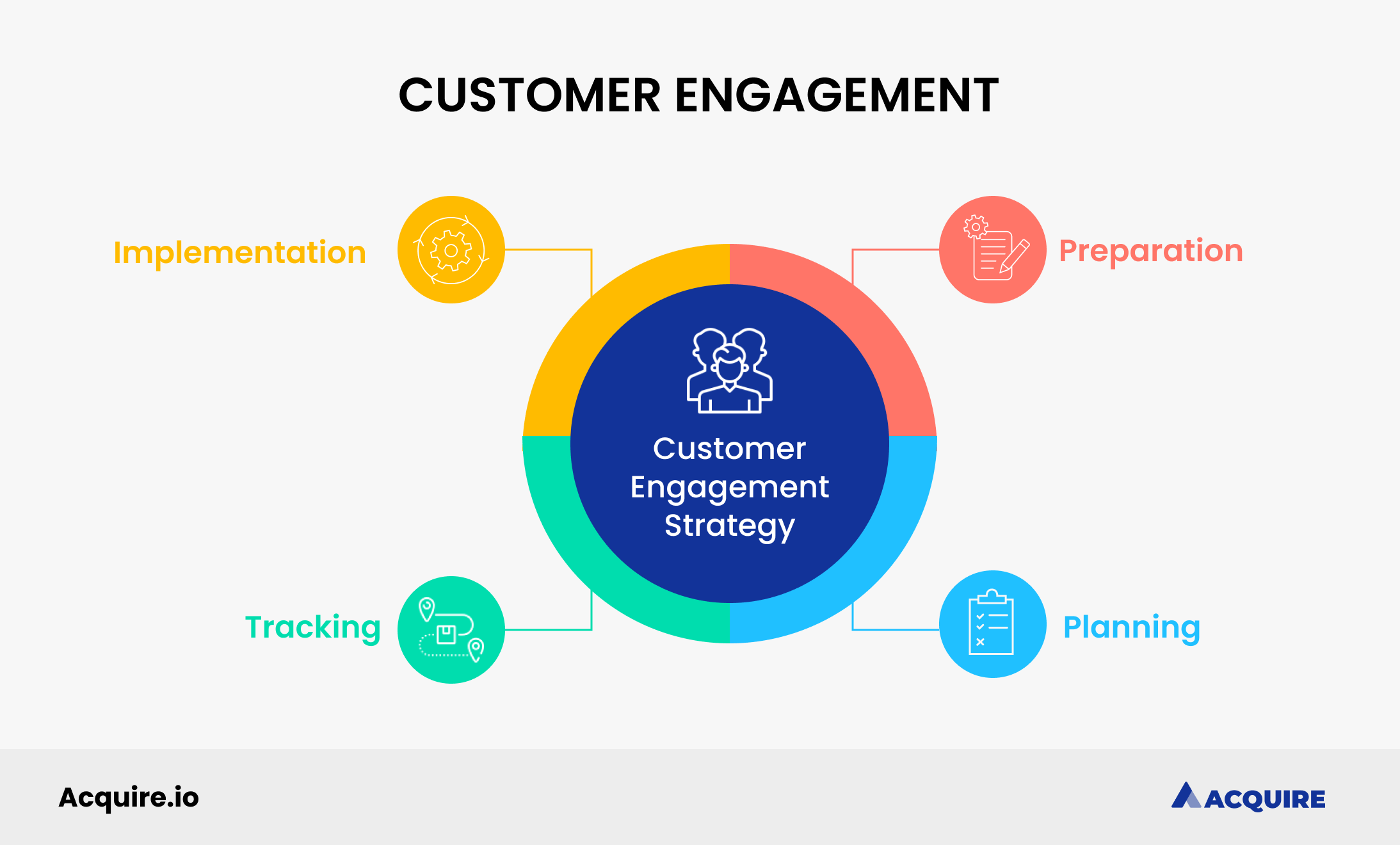
In today’s crowded digital landscape, simply shouting louder isn’t a sustainable strategy for small to mid-sized businesses. Your team needs to cut through the noise by building genuine connections with customers. This article outlines a pragmatic approach to authentic customer engagement, focusing on what truly moves the needle for businesses operating with real-world constraints. You’ll gain clarity on where to invest your limited time and budget, what to prioritize for maximum impact, and crucially, what to deprioritize or avoid entirely.
We’ll focus on actionable strategies that build loyalty and drive repeat business, rather than chasing fleeting trends. The goal is to equip you with the judgment to make smart trade-offs, ensuring your engagement efforts translate into tangible business growth, even with imperfect execution.
The Engagement Trap: Why More Isn’t Always Better
Many businesses fall into the trap of believing more channels, more posts, or more ‘likes’ equate to better engagement. This often leads to diluted efforts, burnout, and a superficial connection with your audience. For small to mid-sized teams, spreading resources too thin across every new social platform or complex, multi-channel attribution model is a common misstep. These sophisticated models, while valuable for larger enterprises, often demand a level of data infrastructure and analytical expertise that most SMBs simply don’t possess. Attempting to implement them can divert critical resources from more impactful, direct engagement activities.
Instead, authentic engagement prioritizes quality interactions over sheer volume. It’s about understanding where your core audience truly spends their time and how they prefer to interact, then focusing your efforts there with genuine intent. This means resisting the urge to jump on every trending platform or implement every new AI-driven marketing tool without a clear, practical application for your specific business and audience. Prioritize depth in fewer places over superficial breadth across many.
Prioritizing Connection: Where to Focus Your Limited Resources
With limited budgets and headcount, strategic focus is paramount. Concentrate your efforts on areas that yield the most direct and meaningful customer connections.
Deepening Existing Relationships
Your current customers are your most valuable asset. Nurturing these relationships is often more cost-effective than constantly acquiring new ones. Focus on making them feel valued and heard.
- Personalized Email Communication: Go beyond generic newsletters. Segment your list and send targeted messages based on purchase history, expressed interests, or engagement levels. A simple ‘thank you’ email after a purchase, or a helpful tip related to a product they own, can go a long way.
- Proactive Feedback Loops: Don’t wait for complaints. Actively solicit feedback through short surveys, direct outreach, or even social media polls. Show that you’re listening and willing to adapt.
- Exclusive Content or Offers: Reward loyalty with early access to new products, special discounts, or members-only content. This makes customers feel part of an inner circle.
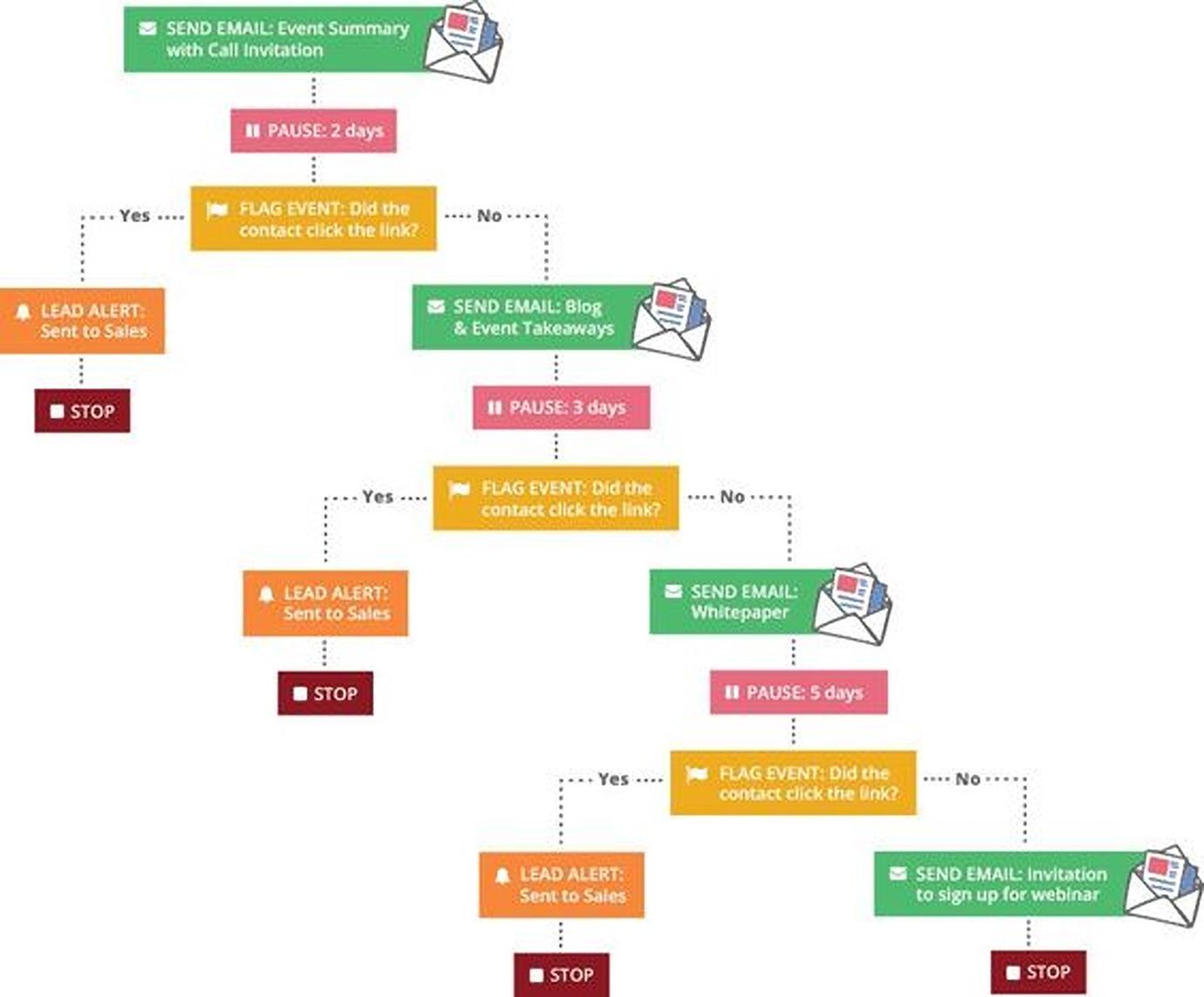
This approach builds a strong foundation of trust and advocacy, turning customers into repeat buyers and brand evangelists.
Content That Solves Real Problems
In a competitive market, your content needs to do more than just promote. It needs to provide genuine value, positioning your business as a trusted resource.
- How-To Guides and Tutorials: Help your customers get the most out of your products or solve related challenges. This demonstrates expertise and builds goodwill.
- Answer Common Questions: Create content directly addressing frequently asked questions. This not only helps customers but also reduces the load on your support team.
- Simplified Case Studies: Showcase how your products or services have helped real customers achieve specific outcomes. Focus on relatable scenarios and tangible benefits, not just abstract success metrics.
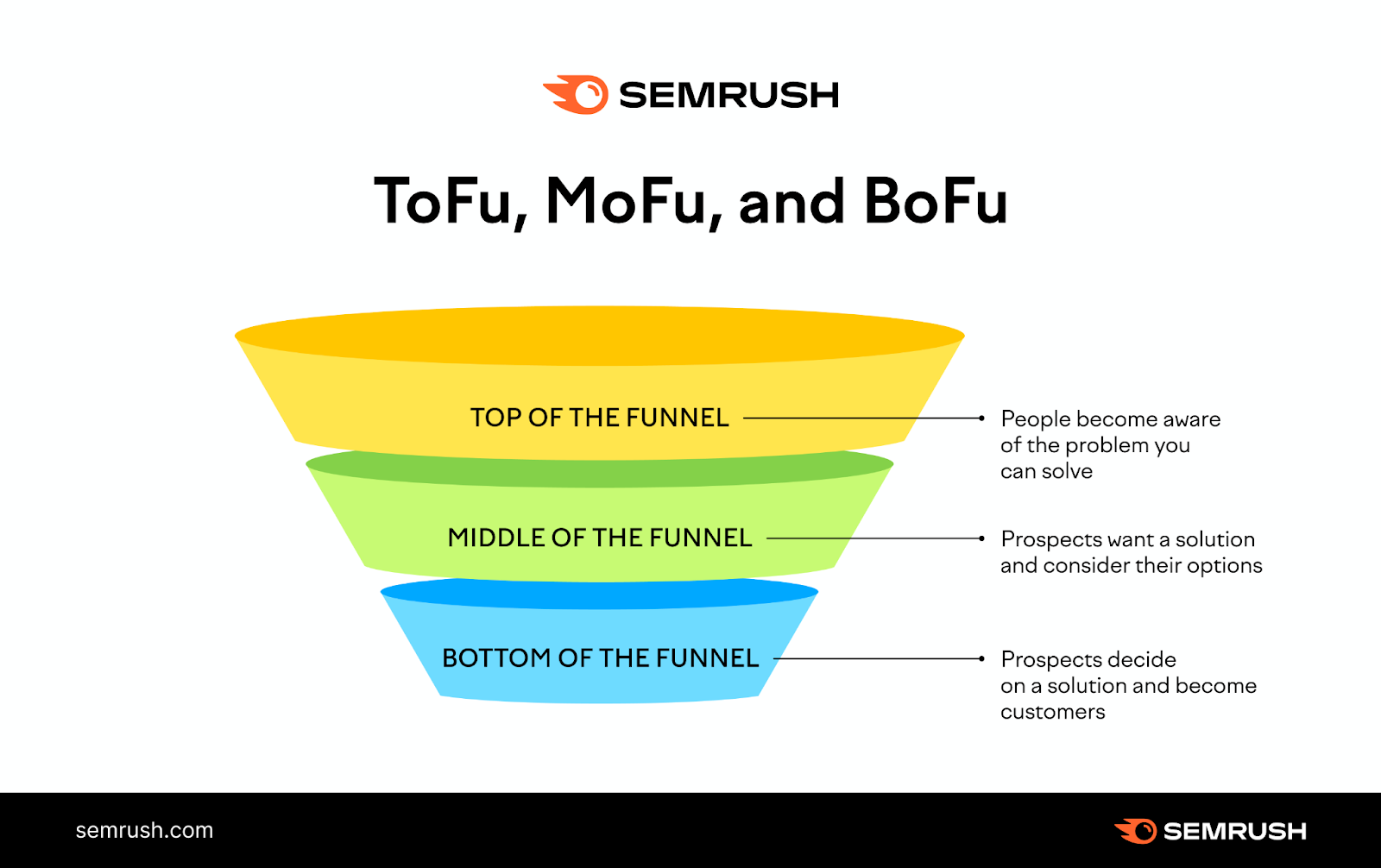
This type of content attracts and retains customers by proving your value before they even make a purchase, and continues to support them afterward.
Responsive, Human Customer Service
Exceptional customer service is a powerful differentiator. In an era of automation, a human touch can create memorable experiences.
- Fast, Empathetic Responses: Aim for quick response times across all channels (email, chat, phone). More importantly, ensure responses are empathetic and genuinely helpful, not just templated.
- Empower Your Team: Give your customer service representatives the autonomy and training to resolve issues efficiently without constant escalations. This improves both customer and employee satisfaction.
- Integrate Feedback: Ensure insights from customer service interactions are regularly shared with product development and marketing teams. This closes the loop and drives continuous improvement.
While the intent behind these connection strategies is sound, a common pitfall for resource-constrained teams is attempting to implement too many at once, or to a superficial degree. The allure of “being everywhere” often leads to a diluted presence rather than a deep one. Spreading limited marketing and service bandwidth across too many channels or initiatives means no single effort gains enough traction to truly resonate. This isn’t just inefficient; it actively prevents the kind of meaningful engagement that builds lasting trust.
The real cost isn’t just the wasted effort, but the erosion of customer patience and internal team morale. Customers quickly discern when a “personalized” email is a one-off experiment, or when feedback is solicited but never acted upon. This creates a second-order effect: a sense of being unheard or undervalued, which is far more damaging than not attempting the connection in the first place. Internally, teams face the frustration of launching initiatives that lack the sustained operational support to deliver on their promise, leading to burnout and cynicism about future efforts.
Given these realities, it’s often more effective to ruthlessly prioritize one or two connection points and execute them with unwavering consistency and depth, rather than superficially touching all bases. For instance, if your team can only manage one, choose between truly personalized email nurturing or a robust, responsive customer service channel, and commit fully. Deprioritize broad social media campaigns that demand constant, high-quality content if you can’t maintain the cadence and engagement. The goal isn’t maximum reach, but maximum resonance within your practical limits.
Practical Tactics for Authentic Engagement
Beyond the core pillars, these tactics can amplify your engagement efforts without requiring massive investments.
Segment Your Audience, Intelligently
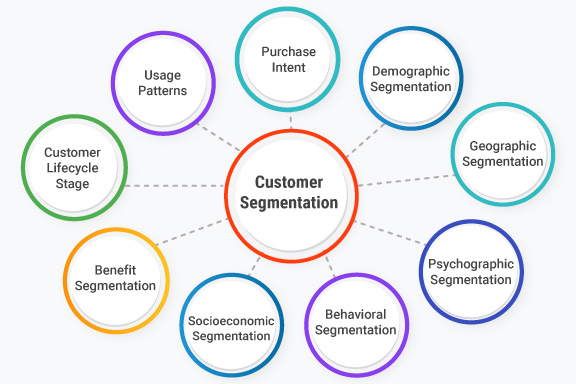
You don’t need complex data science. Start with basic segmentation based on purchase history, demographics, or how they interact with your content. This allows for more relevant messaging and offers, making customers feel understood rather than just another number. For example, a simple segment for ‘first-time buyers’ versus ‘repeat customers’ can dramatically improve the relevance of your email campaigns.
Leverage User-Generated Content (UGC)
Encourage customers to share their experiences with your products or services. This could be reviews, photos, or testimonials. UGC acts as powerful social proof and builds community. Reposting customer content (with permission) not only provides free, authentic marketing material but also makes those customers feel valued and recognized. It’s a low-cost, high-impact way to build trust.
Build a Consistent Feedback Loop
Make it easy for customers to provide feedback and show them you’re listening. This could be through simple in-app surveys, post-purchase emails, or dedicated feedback forms on your website. The key is to act on this feedback, even if it’s just acknowledging it and explaining what you’re doing with it. This transparency fosters trust and demonstrates a commitment to improvement. customer engagement strategies
Personalization, Not Surveillance
Focus on using data to make interactions more relevant and helpful, not intrusive. Recommend products based on past purchases, address customers by name, or tailor content based on their expressed interests. The goal is to enhance their experience, not to make them feel watched. Simple personalization, like remembering preferences, often has a greater impact than complex, data-heavy approaches that can feel impersonal or even creepy.
While basic segmentation is powerful, the real-world challenge often lies in its ongoing maintenance. Segments aren’t static; customer behaviors evolve, and the data underpinning them needs regular refreshing. Teams can easily fall into the trap of over-segmentation, creating too many niche groups that demand unique content and campaigns. This quickly outstrips limited resources, leading to generic messaging across too many segments, or worse, abandoning the effort entirely. The initial benefit of intelligent segmentation then gets diluted by the operational overhead and the pressure to “feed” every segment, often resulting in decision paralysis rather than focused action.
Building a feedback loop is only half the battle. The critical, often overlooked, second-order effect is what happens when feedback is consistently gathered but not visibly acted upon. Customers who take the time to share their thoughts and then see no change or acknowledgment don’t just stop providing feedback; they develop a deep cynicism. This erodes trust faster than if you had never asked for feedback at all. Teams, too, can become frustrated, feeling like they’re collecting data for data’s sake, leading to a breakdown in internal motivation to even process it. The initial goodwill generated by asking for input is replaced by resentment, making future engagement efforts significantly harder.
Leveraging user-generated content (UGC) sounds simple: customers share, you repost. In practice, the hidden cost is the ongoing effort required for curation, moderation, and rights management. Not all UGC is suitable, and some might even be off-brand or negative. Teams need a clear process for reviewing submissions, obtaining explicit permission (especially for photos or videos), and deciding what to feature. This isn’t a one-time setup; it’s a continuous operational task that can consume significant time, especially as volume grows. Overlooking this practical reality can lead to legal issues, brand inconsistencies, or simply an overwhelming backlog that makes the “free marketing material” anything but free.
What to Delay or Avoid Today
For small to mid-sized businesses, resource allocation is critical. Today, you should deprioritize or outright avoid:
- Overly Complex AI-Driven Personalization Platforms: While promising, many require significant data infrastructure, integration work, and ongoing management that can quickly overwhelm a lean team. The ROI for SMBs often doesn’t justify the upfront cost and complexity. Focus on simpler, rule-based personalization first.
- Chasing Every Viral Trend: Not every TikTok dance or meme format aligns with your brand or resonates with your audience. Participating in trends for the sake of it can dilute your brand message and waste valuable time. Stick to what genuinely fits your brand voice and audience.
- Buying Followers or Engagement: This is a short-sighted tactic that damages your credibility and provides no authentic value. Fake engagement metrics don’t translate to sales or loyalty and can even harm your organic reach in the long run.
- Extensive A/B Testing on Minor Elements: While A/B testing is valuable, for SMBs, focus on testing major changes (e.g., a new landing page, a core email sequence) rather than optimizing every button color or headline variation. The statistical significance often isn’t there with smaller traffic volumes, and the time spent could be better used on foundational improvements. small business marketing budget
Instead, double down on the foundational elements of authentic engagement. Build a strong email list, create genuinely helpful content, and provide excellent customer service. These are the evergreen strategies that consistently deliver results.
Measuring What Matters: Beyond Vanity Metrics
To truly understand if your engagement strategies are working, you need to look beyond superficial metrics like follower counts or likes. For authentic engagement, focus on indicators that reflect real customer value and loyalty.
- Customer Retention Rate: How many customers return to make another purchase within a given period? This is a direct measure of loyalty.
- Repeat Purchase Rate: The percentage of customers who have made more than one purchase. High repeat rates indicate strong engagement and satisfaction.
- Customer Lifetime Value (CLTV): The total revenue a business can reasonably expect from a single customer account over their relationship. Engaged customers spend more over time.
- Engagement Rate (on specific content/channels): Beyond just views, look at comments, shares, time spent on page, or email open/click-through rates. These indicate genuine interest and interaction.
- Net Promoter Score (NPS) or Customer Satisfaction (CSAT): Direct measures of how likely customers are to recommend you or how satisfied they are with specific interactions.
These metrics provide a clearer picture of whether your efforts are building lasting relationships and contributing to your bottom line, allowing you to make informed decisions about where to continue investing your valuable resources.


Leave a Comment