

Introduction: Mastering AI for Real SEO Gains
In today’s AI-driven search landscape, your ability to communicate effectively with large language models isn’t just a nice-to-have; it’s a core skill for SEO. This article will equip you with the practical strategies to master prompt engineering, helping your small to mid-sized business generate more precise keyword research, create sharper content briefs, and streamline on-page optimization. You’ll learn how to leverage AI tools efficiently, making smart decisions that deliver real results without overstretching your limited resources.
We’ll cut through the hype and focus on actionable techniques that work under real-world constraints, ensuring you get tangible benefits from your AI investments. This isn’t about theoretical perfection; it’s about practical application and making your SEO efforts more impactful today.
Why Prompt Engineering is Now a Core SEO Skill
The integration of AI into search engines and content creation workflows has fundamentally shifted how we approach SEO. With generative AI tools becoming more sophisticated, the quality of your input directly dictates the quality of your output. For small teams, this means prompt engineering isn’t just about getting an answer; it’s about getting the *right* answer efficiently, saving valuable time and resources. It’s the difference between generic, unusable content and highly targeted, effective SEO assets.
Currently, search engines like Google are increasingly using AI to understand queries and generate responses, often blending traditional search results with AI-powered summaries Google Search Generative Experience. This means your content needs to be clear, authoritative, and directly answer user intent – qualities that well-engineered prompts can help you achieve faster.
While the promise of efficiency is real, it’s easy to overlook the hidden costs of ineffective prompting. Many teams assume AI will be an immediate time-saver, but without a clear understanding of prompt engineering, the process often devolves into a frustrating cycle of trial and error. Each iteration consumes valuable time, not just in generating new outputs, but in reviewing, editing, and course-correcting content that is “almost there” but misses the mark. This isn’t just about the initial output; it’s about the total time invested to get a truly usable asset, which can quickly negate the perceived speed advantage.
Beyond the immediate time sink, there’s a more insidious downstream effect: the erosion of unique voice and authority. When teams rely on AI to generate content without sufficient human expertise guiding the prompts or critically evaluating the output, the result can be generic, bland, or even subtly inaccurate information. This isn’t just a matter of “hallucinations”; it’s about content that lacks the specific nuance, real-world experience, or unique perspective that differentiates a brand. Over time, consistently publishing such content can dilute a business’s perceived authority and make it harder to stand out in a crowded digital landscape, creating a long-term problem for short-term gains.
What’s often overlooked in the rush to adopt AI is that prompt engineering is a skill, not a magic button. It requires a blend of technical understanding, creative problem-solving, and deep subject matter expertise. For small teams, the pressure to integrate AI quickly can lead to a superficial adoption where the focus is on quantity over quality of prompts. This creates a significant skill gap, where team members might be generating a lot of content, but struggling to produce truly strategic, high-impact assets that genuinely move the needle for their SEO efforts. Therefore, it’s often more effective to deprioritize immediate high-volume content generation in favor of investing time to genuinely develop prompt engineering proficiency. Rushing to produce a large quantity of mediocre AI-generated content today will only create more cleanup and less impact tomorrow.
Core Principles for Effective SEO Prompt Engineering
Mastering prompt engineering for SEO isn’t about memorizing complex commands; it’s about understanding a few core principles and applying them consistently. Think of it as guiding a very intelligent, but sometimes naive, intern.
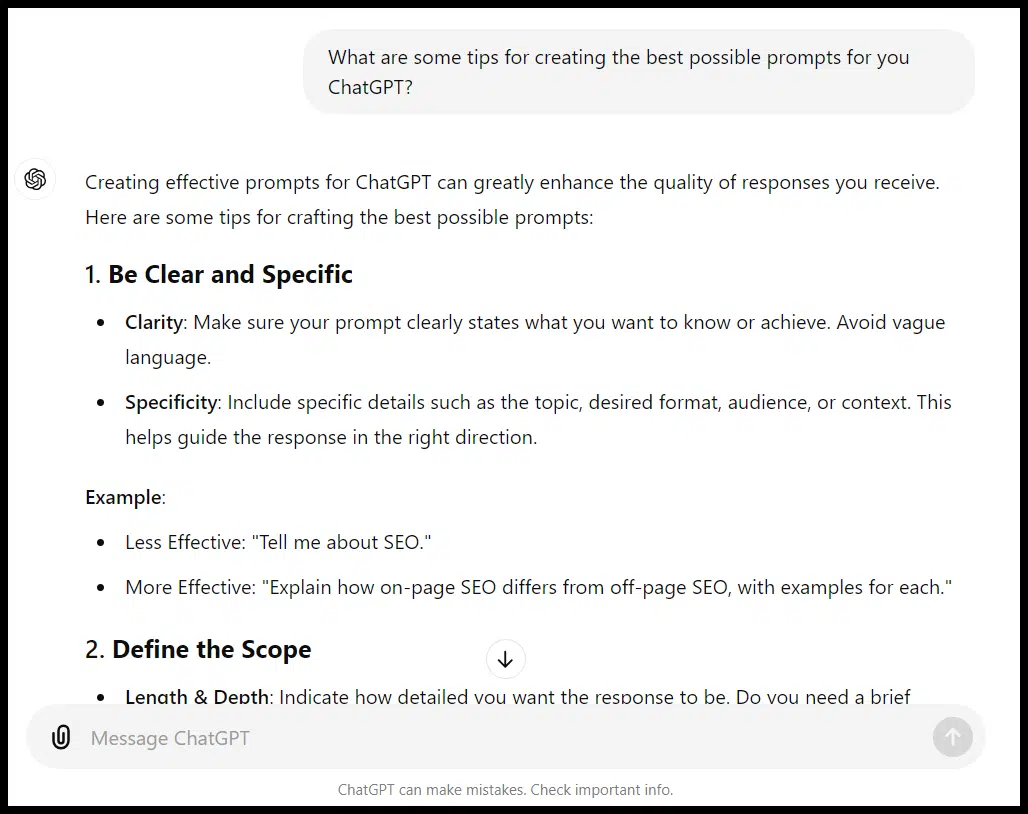
- Clarity and Specificity: Vague prompts yield vague results. Be explicit about what you want. Instead of


Leave a Comment