

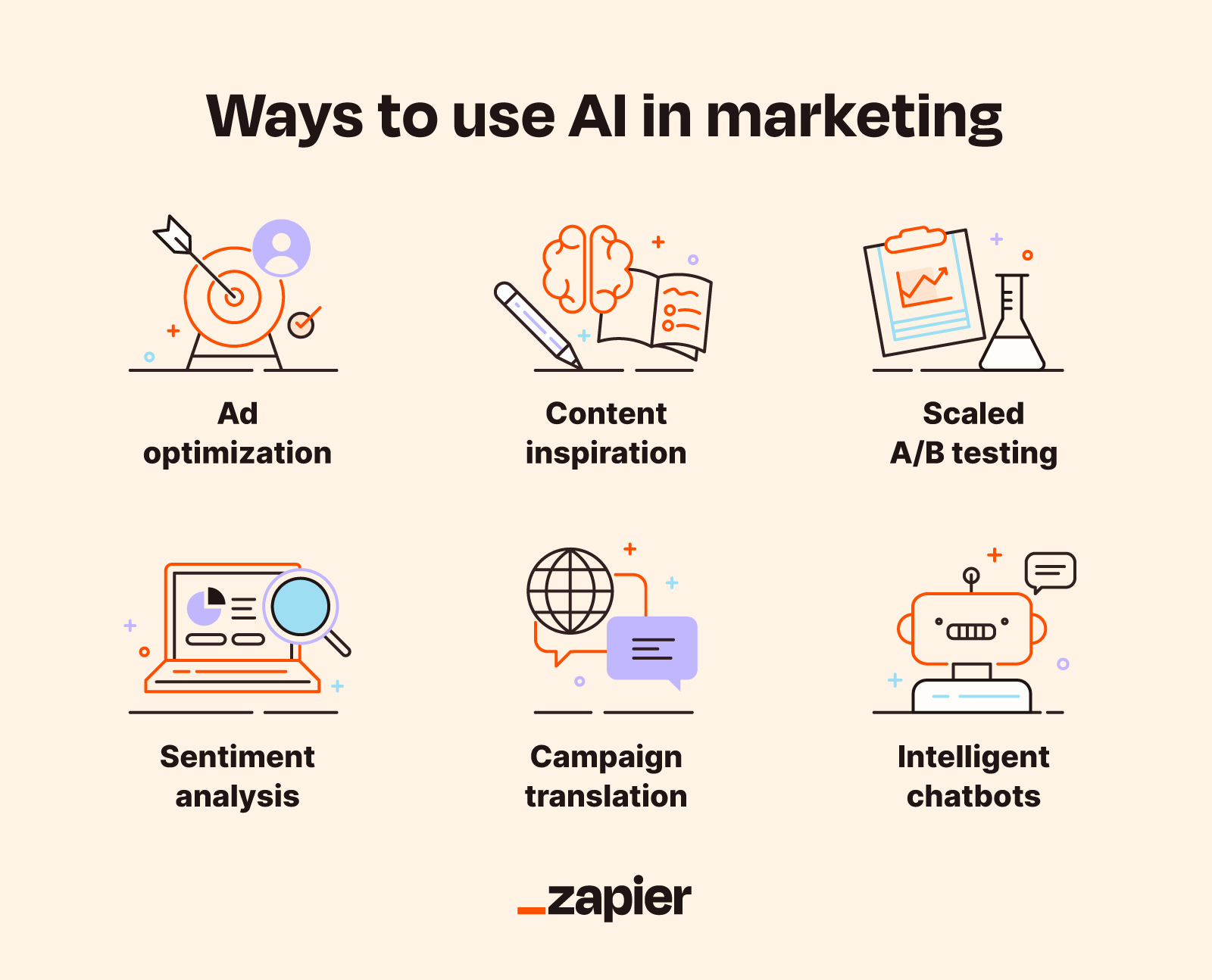
Lean marketing teams constantly face the challenge of doing more with less. Limited budgets and headcount often mean critical tasks are delayed or skipped, hindering growth. This article shows you how strategic AI tools can directly rebuild your marketing capacity. You’ll gain practical insights on where to deploy AI for maximum impact, automating repetitive tasks, generating better content faster, and making data-driven decisions. We focus on actionable steps to free up your team’s time and resources, enabling higher-value initiatives and driving real business growth.
Understanding the Capacity Gap in Lean Teams
Small to mid-sized businesses often operate with marketing teams of one to five people. This lean structure means every hour counts, and every task competes for limited attention. The capacity gap isn’t just about lacking hands; it’s about lacking specialized skills across areas from advanced analytics to high-volume content creation. Traditional marketing demands a broad skill set and significant time. AI offers a strategic advantage, augmenting existing capacity and enabling your team to operate at a scale previously only accessible to larger organizations.
Prioritizing AI Adoption: Where to Start
When budgets are tight and time is scarce, the biggest mistake is trying to implement every new AI feature. Focus on areas with high repetition, significant time drain, or where current human effort yields inconsistent results.
- Content Creation & Repurposing: Lowest-hanging fruit. Generating initial drafts, summarizing, or adapting content for different platforms can be significantly accelerated.
- Data Analysis & Reporting: Sifting through dashboards for insights is time-consuming. AI can highlight trends, anomalies, and suggest optimizations, turning raw data into strategic direction.
- Customer Service & Engagement: Basic inquiries, FAQ handling, and initial lead qualification can be offloaded, freeing up human agents for complex issues and high-value interactions.
Identify bottlenecks in your workflow and target AI solutions that directly alleviate those pressure points, providing immediate, tangible returns.
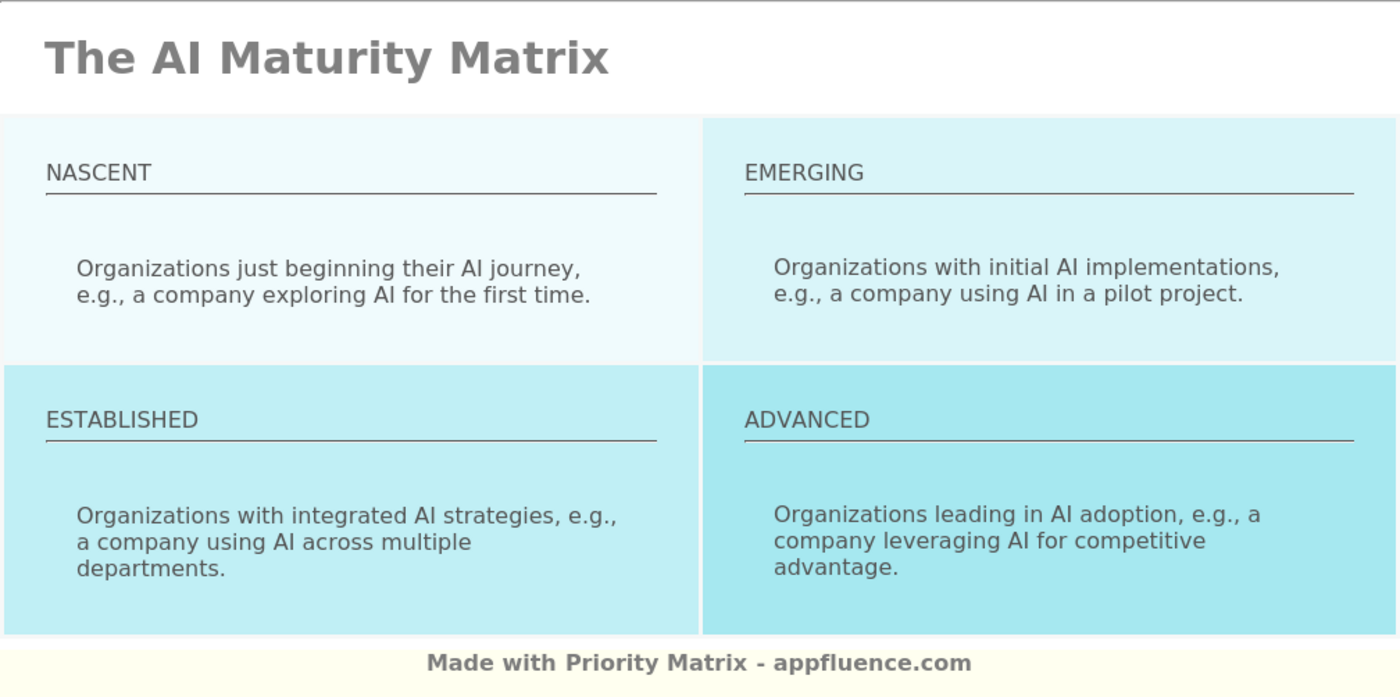
While the immediate gains from AI in content creation, data analysis, and customer service are appealing, it’s critical to look beyond the initial promise. The “lowest-hanging fruit” often comes with hidden costs or delayed consequences that can undermine the perceived efficiency.
For instance, relying too heavily on AI for initial content drafts can subtly dilute a brand’s unique voice over time, leading to generic output that struggles to differentiate. What seems like a time-saver can become a new bottleneck as teams spend more effort refining AI-generated content to meet brand standards or correcting factual inaccuracies. Similarly, AI’s ability to highlight data trends is powerful, but it’s only as good as the data it processes and the human context applied. Over-reliance without critical human oversight can lead to misinterpretations, driving strategic decisions based on flawed assumptions or spurious correlations, ultimately wasting resources on initiatives that don’t move the needle.
In customer service, the goal of freeing up human agents can be elusive. Poorly implemented AI chatbots, or those lacking continuous human training and oversight, often frustrate customers more than they help, leading to negative sentiment and increased churn. The operational burden shifts from handling routine inquiries to constantly refining the AI, managing complex handoffs, and dealing with escalated, often more irate, customers. This creates a new kind of decision pressure and frustration for teams who expected a reduction in workload, not a redistribution of it.
Given these practical realities, it’s a clear judgment call to deprioritize highly customized, enterprise-grade AI solutions that promise to revolutionize entire departments. For small to mid-sized businesses, these projects typically demand significant upfront investment, specialized talent, and lengthy implementation cycles that quickly exhaust limited budgets and headcount. Instead, focus on augmenting existing workflows with readily available, configurable AI features that solve specific, well-defined pain points. The goal is incremental, sustainable improvement, not a risky, all-encompassing transformation that often fails to deliver under real-world operational constraints.
AI for Content Generation and Optimization
For lean teams, content is a constant demand. AI tools, particularly large language models (LLMs), are indispensable for accelerating content workflows.
- Drafting & Ideation: Use AI to generate initial blog outlines, social media captions, email subject lines, or full first drafts. This reduces blank page syndrome and provides a solid starting point for human refinement.
- Repurposing Content: Transform a long article into multiple social media posts, a video script, or an email summary in minutes. This multiplies content value without significant additional effort.
- SEO Enhancement: Integrate AI with SEO platforms like Ahrefs or Semrush. AI helps identify content gaps, suggest keyword variations, and optimize existing content for better search visibility by analyzing competitors. AI content optimization
- Personalization: AI can tailor content variations for different audience segments based on behavior or demographic data, increasing relevance and engagement.
AI generates drafts; your team provides the unique voice, strategic direction, and critical human oversight for accuracy and brand alignment. This is about efficiency, not full automation.

What’s often overlooked is the hidden cost of verification. While AI excels at generating volume, the responsibility for accuracy, nuance, and brand alignment still rests entirely with your human team. This isn’t just a quick proofread; it’s a critical fact-checking and strategic review process that can be more time-consuming than anticipated, especially for complex or industry-specific content. Rushing this step, or assuming AI output is inherently reliable, is a common failure mode that can lead to factual errors, diluted brand voice, and ultimately, a loss of audience trust.
Another pitfall for lean teams is falling into the quantity-over-quality trap. The sheer ease of generating content with AI can create an internal pressure to produce more, faster. However, a flood of generic, uninspired content, even if technically “optimized,” rarely moves the needle. This second-order effect can lead to content bloat that dilutes your brand message and makes it harder for truly valuable pieces to stand out. Prioritizing strategic relevance and human refinement over sheer output volume is crucial to avoid wasting resources on content that doesn’t resonate.
Finally, the effectiveness of AI is directly proportional to the quality of human input. Many teams underestimate the skill involved in “prompt engineering” – crafting precise, detailed instructions that guide the AI to produce genuinely useful drafts. Expecting sophisticated output from vague prompts is a common source of frustration. Investing time in learning how to effectively communicate with these models is a necessary upfront cost, but one that pays dividends by reducing rework and maximizing the tool’s true potential.
AI for Data Analysis and Campaign Performance
Making informed decisions is crucial, but manual data analysis can overwhelm lean teams. AI excels at processing vast datasets and uncovering patterns.
- Automated Reporting & Insights: Google Analytics 4 now embeds AI capabilities that automatically surface key trends, anomalies, and predictive insights. Your team focuses on interpreting these, not building reports. Google Analytics 4 AI insights
- Ad Campaign Optimization: Major ad platforms (Google Ads, Meta Ads) leverage AI for bidding, targeting, and creative optimization. Your team must guide these AI systems with clear goals and feedback.
- Predictive Analytics: AI can forecast trends, identify churn risks, or predict high-converting leads. This allows proactive strategy adjustments and effective resource allocation.
Move from reactive reporting to proactive, insight-driven strategy. AI provides the ‘what’ and ‘why’ faster, allowing your team to focus on the ‘how’ and ‘what next’.
AI for Customer Engagement and Personalization
Building strong customer relationships is vital, but personalized engagement is resource-intensive. AI can scale these efforts.
- Chatbots for FAQs: Deploy AI-powered chatbots on your website or social media for twenty-four/seven common questions. This reduces support burden and provides instant answers, improving satisfaction.
- Personalized Email Marketing: AI tools segment audiences more effectively and dynamically generate personalized email content, product recommendations, or subject lines based on user behavior.
- Lead Qualification: AI analyzes incoming leads, scores them, and can even engage in initial conversations to qualify them before sales handoff. This ensures sales focuses on promising prospects.
These applications allow your lean team to deliver a more responsive and personalized customer experience, fostering loyalty and driving conversions, without needing additional staff.
What to Deprioritize Today
While AI’s potential is vast, a lean team’s biggest pitfall is attempting too much too soon. For now, deprioritize or completely avoid:
- Building Custom AI Models: Unless you have a dedicated data science team and a unique problem off-the-shelf solutions can’t address, custom AI development is a resource sink. Cost, complexity, and maintenance will far outweigh benefits for most small to mid-sized businesses.
- Automating Every Single Task: Not every task needs or should be automated. Focus on high-volume, repetitive, low-creativity tasks first. Trying to automate complex strategic thinking or nuanced creative processes will lead to poor results and wasted effort.
- Chasing Every New AI Tool: The AI landscape evolves rapidly. Resist jumping on every new tool. Integrate AI strategically into existing core workflows using established, reliable platforms. Evaluate new tools only when they clearly solve a specific, identified bottleneck.
Focus on practical, immediate gains that free up human capacity, not bleeding-edge experimentation that drains resources.
Integrating AI into Your Workflow for Sustainable Growth
Successfully integrating AI isn’t just about selecting tools; it’s about adapting your team’s processes and mindset.
- Start Small, Scale Gradually: Pick one or two high-impact areas (e.g., content drafting or basic chatbot support) and implement AI. Measure results, learn, then expand.
- Train Your Team: AI tools are only as effective as the people using them. Invest in basic training to help your team prompt AI effectively, refine outputs, and integrate it into daily tasks.
- Maintain Human Oversight: AI is a powerful assistant, not a replacement for human judgment. Always review AI-generated content, verify data insights, and ensure customer interactions align with your brand.
- Establish Clear Metrics: Define success. Are you aiming to reduce content creation time by thirty percent? Increase lead qualification speed? Measure these outcomes to demonstrate ROI.
By approaching AI strategically and pragmatically, lean marketing teams can significantly enhance capacity, drive efficiency, and achieve sustainable growth without overstretching limited resources.



Leave a Comment