

Why Proactive Responsibility Matters (Beyond PR)
For small to mid-sized businesses, social media responsibility often feels like a reactive chore – something to address only when a PR crisis looms. This mindset is a missed opportunity. Proactive brand responsibility on social media isn’t just about avoiding negative headlines; it’s about building genuine trust, fostering loyalty, and strengthening your brand’s foundation. In today’s landscape, consumers expect more than just a product or service; they expect ethical behavior and transparency. Ignoring this until a problem arises means you’re always playing catch-up, burning through valuable time and resources that could have been invested in growth.
This article will guide you through practical, actionable steps to integrate brand responsibility into your social media strategy, focusing on what works for teams with limited budgets and headcount. We’ll prioritize efforts that deliver real impact and discuss what to deprioritize to ensure your resources are spent wisely.
Core Pillars of Proactive Social Responsibility
Building a responsible social media presence hinges on a few fundamental principles. These aren’t complex, but they require consistent application.
- Transparency and Honesty: This means being clear about your products, services, and policies. If you make a mistake, own it. Don’t delete critical comments; address them respectfully. For instance, if a product is delayed, communicate it openly rather than letting customers discover it themselves.
- Ethical Engagement: Interact with your audience and competitors respectfully. Avoid manipulative tactics, spamming, or engaging in online arguments. Ensure any user-generated content you share is properly attributed and permission is obtained where necessary. This also extends to data privacy – be clear about how you use customer data, even if it’s just for analytics.
- Community Building and Listening: Social media is a two-way street. Actively listen to what your audience is saying about your brand, your industry, and broader societal issues relevant to your business. Respond thoughtfully, not just with canned replies. Foster a positive, inclusive environment where diverse voices feel welcome.
- Basic Crisis Preparedness: Even with the best intentions, issues can arise. Having a simple plan for how to respond to negative feedback, misinformation, or a genuine crisis is crucial. This isn’t about having a twenty-page manual, but knowing who responds, what the initial message should be, and how to escalate.
What often gets overlooked in these principles is the sheer operational overhead, particularly for lean teams. Transparency isn’t just about deciding to be open; it demands careful crafting of messages, internal alignment, and often, the emotional labor of delivering difficult news. Similarly, ethical engagement, like securing proper permissions for user-generated content, can become a significant time sink if not integrated into a streamlined workflow. For small teams, the pragmatic trade-off here means prioritizing clarity on major issues over exhaustive detail on every minor update. It’s better to be consistently clear on the big things than sporadically transparent on everything, which can quickly lead to team burnout and inconsistent messaging.
The commitment to community building and listening also carries a subtle but critical failure mode. It’s easy to implement tools that aggregate mentions or comments, giving the appearance of listening. However, if that feedback isn’t genuinely processed, understood, and, where appropriate, acted upon or acknowledged with a thoughtful explanation, it can backfire. Audiences quickly discern performative listening from authentic engagement, leading to a deeper erosion of trust than if you hadn’t pretended to listen at all. This creates a downstream effect where future attempts at engagement are met with cynicism.
Finally, basic crisis preparedness, while essential, often underestimates the human element under pressure. A ‘simple plan’ on paper can feel anything but simple when a real-time issue erupts, especially if the designated responders are already stretched thin or lack specific training in de-escalation and public communication. The hidden cost here isn’t just the direct impact of the crisis, but the opportunity cost of diverting critical team members from their core responsibilities, creating a ripple effect of delayed projects and missed opportunities long after the immediate fire is put out.
Prioritizing Your Efforts: What to Do First
With limited resources, you can’t do everything at once. Here’s where to focus your initial energy for maximum impact:
- Audit Your Current Presence: Start by reviewing your existing social media channels. Are there old posts that contradict your current values? Are your privacy settings appropriate? Identify immediate risks or areas where you’re falling short on basic transparency. This quick scan can highlight urgent fixes.
- Define Your Brand Values: Before you can be responsible, you need to know what you stand for. Work with your core team to articulate three to five clear, actionable brand values. These aren’t just marketing slogans; they should guide every interaction and decision on social media.

Brand Values Framework - Develop a Simple Social Media Policy: This doesn’t need to be a legal document. It’s an internal guide for anyone representing your brand online. Cover basics like tone of voice, how to handle negative comments, what information can and cannot be shared, and who is authorized to post. This prevents inconsistent messaging and potential missteps.

Social Media Policy Workflow - Set Up Active Listening: You don’t need expensive tools. Start with native platform analytics, Google Alerts for your brand name, and regularly checking comments and direct messages. Dedicate fifteen minutes daily to actively read and understand the sentiment around your brand.

While a simple social media policy is a critical first step, its true value often hinges on consistent internal communication and adaptation. It’s easy to draft a document and consider the task complete, but the hidden cost emerges when the policy isn’t regularly revisited or integrated into daily workflows. Teams can find themselves operating under outdated guidelines, leading to internal friction when a well-intentioned post is flagged, or worse, when a policy designed for protection inadvertently stifles authentic, timely engagement. The initial simplicity can breed a false sense of security, overlooking the ongoing effort required to keep it relevant and actionable for a dynamic online environment.
Similarly, ‘active listening’ isn’t just about collecting data; it’s about having a clear, low-friction path to act on what you hear. Many teams diligently set up alerts and monitor mentions, only to find themselves overwhelmed by the volume or paralyzed by the lack of a defined response protocol. This is a critical second-order effect: the initial effort of listening can quickly turn into a source of frustration if insights aren’t translated into actionable steps. Without clear ownership for different types of feedback – positive, negative, or neutral – valuable intelligence can languish, leading to missed opportunities to engage, correct, or adapt, and ultimately eroding the perceived value of the listening effort itself.
Finally, defining brand values is foundational, but the real challenge lies in embedding them into the daily decision-making of every team member, not just the marketing lead. It’s easy to articulate values on paper, but much harder to ensure they guide a quick response to a customer comment at 9 PM or influence the choice of a trending hashtag. The pressure to perform, meet deadlines, or simply keep up with the pace of social media can lead to subtle deviations from these core values. These small, inconsistent actions, while seemingly minor in isolation, accumulate over time, creating a disjointed brand perception that undermines the very authenticity the values were meant to foster. This gap between the stated ideal and the practical reality is a common pitfall.
What to Delay or Skip (and Why)
Many SMBs waste valuable time and money on initiatives that yield little return or are simply premature. Here’s what to deprioritize:
For most small to mid-sized businesses, investing in elaborate, AI-driven sentiment analysis tools should be delayed. While powerful, these tools often come with a significant cost and a steep learning curve. For a team with limited headcount, the nuances of human language and context are often better understood through manual review of comments, messages, and mentions. A dedicated team member spending thirty minutes a day actively listening and engaging will provide more actionable insights and foster better relationships than an expensive AI tool that requires constant calibration and interpretation. Your budget is better spent on creating valuable content or improving customer service directly.
- Large-scale Corporate Social Responsibility (CSR) Campaigns: While admirable, launching a grand CSR campaign before your core business operations are demonstrably ethical and responsible is often counterproductive. Focus first on fair labor practices, transparent sourcing, and data privacy within your own company. Authenticity matters more than grand gestures.
- Over-reliance on Automated Responses for Sensitive Topics: Automation is great for FAQs, but sensitive customer service issues or public relations challenges demand human empathy and nuance. Generic, automated replies to serious complaints can quickly escalate a situation and erode trust. Use automation for routine queries, but ensure a human is always available for complex or emotionally charged interactions.
Implementing Your Strategy with Limited Resources
Executing a proactive responsibility strategy doesn’t require a large team or budget. It requires consistency and smart allocation of existing resources.
- Integrate into Daily Workflow: Make social listening and policy adherence part of your daily routine, not an add-on. For example, before posting, quickly review your policy. When checking notifications, actively look for feedback.
- Empower and Train Your Team: Ensure everyone involved in social media understands the brand values and the social media policy. Regular, brief refreshers can prevent missteps. Empower team members to flag potential issues early.
- Leverage Existing Content: You don’t need to create entirely new content for responsibility. Your existing content can be framed through a lens of transparency or ethical practice. For example, a behind-the-scenes look at your product creation can highlight fair labor.
- Establish Simple Feedback Loops: How do you learn from mistakes? After a challenging interaction, take five minutes to discuss internally what went well, what didn’t, and how to improve. This iterative learning is key to long-term responsibility.

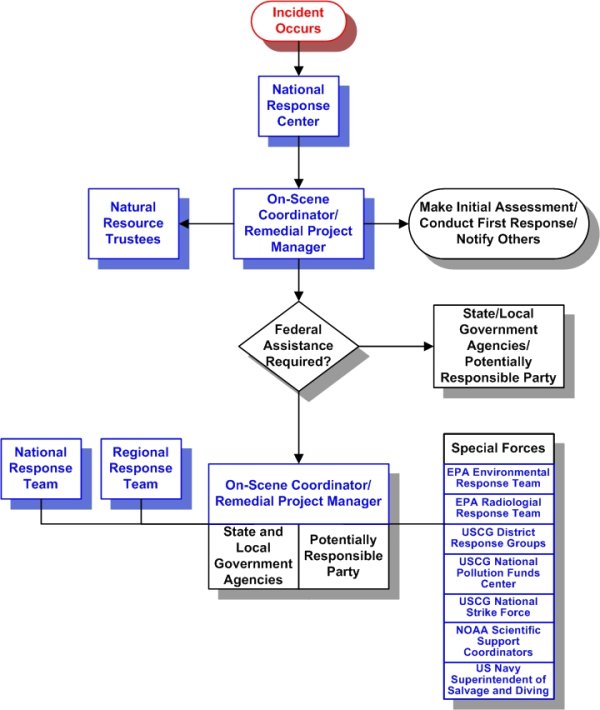
Crisis Response Flowchart
Sustaining Trust in a Dynamic Landscape
The social media landscape is constantly evolving, but the principles of trust and responsibility remain constant. By prioritizing transparency, ethical engagement, and a pragmatic approach to crisis preparedness, your small to mid-sized business can build a resilient brand that not only complies with expectations but actively earns and sustains customer loyalty. This isn’t a one-time project; it’s an ongoing commitment that pays dividends in brand equity and customer relationships. building brand trust social media



Leave a Comment