

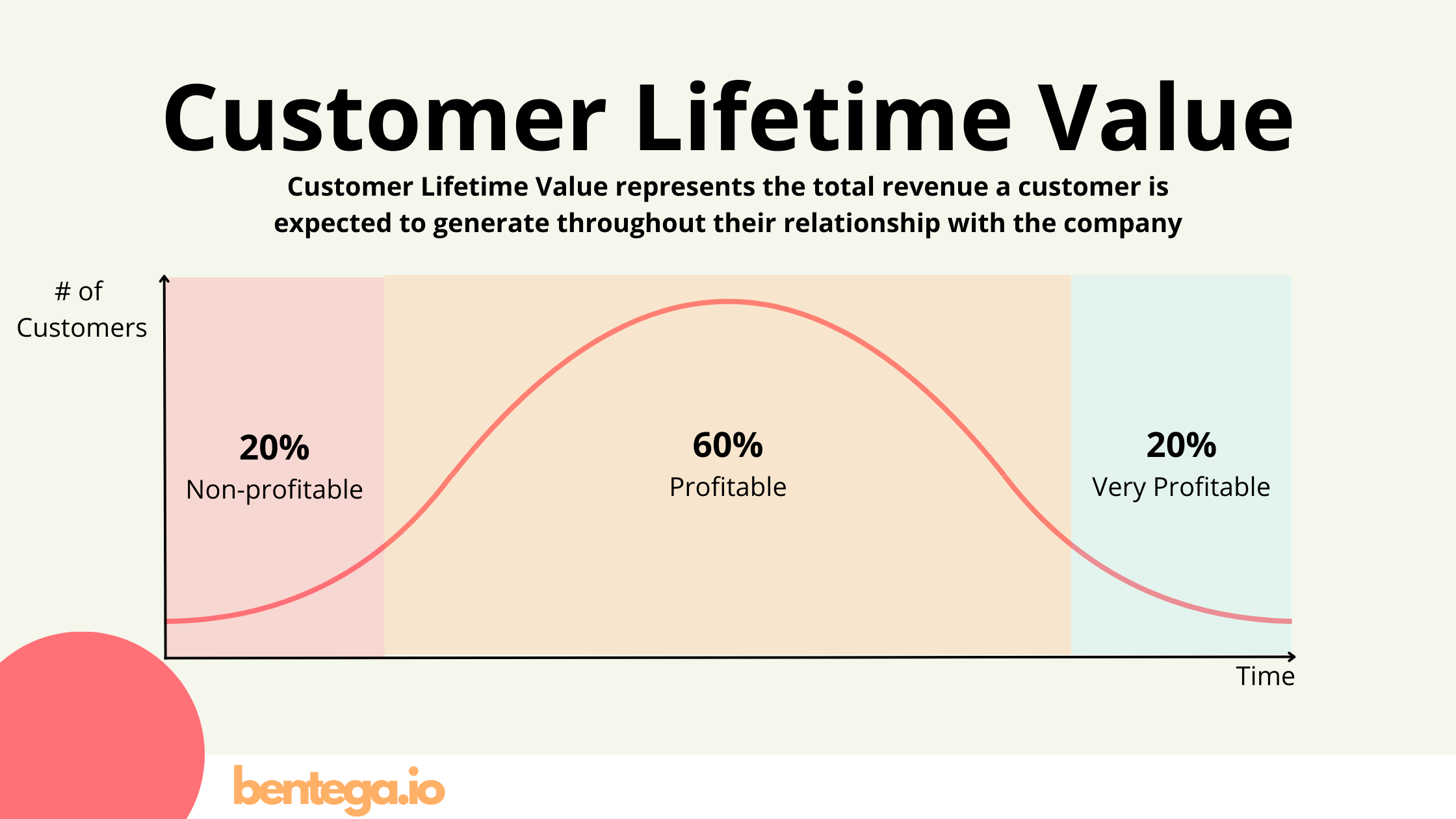
In today’s competitive landscape, simply acquiring new customers isn’t enough to guarantee sustainable growth. This article cuts through the noise to deliver actionable strategies for increasing Customer Lifetime Value (CLTV), directly addressing the resource constraints and operational realities faced by small to mid-sized businesses.
You’ll gain clear insights on where to focus your limited budget and headcount to build lasting customer relationships, improve retention, and drive revenue without getting bogged down in theoretical frameworks or expensive, unproven tactics.
Why CLTV Matters More Than Ever
For SMBs, the math is simple: customer acquisition costs are rising, and market competition is fierce. Relying solely on new customer acquisition is a treadmill that eventually breaks. Shifting focus to CLTV isn’t just a best practice; it’s a survival strategy. It means recognizing that your most valuable asset is your existing customer base.
From a practitioner’s standpoint, this isn’t about grand, expensive loyalty programs. It’s about making smart, incremental improvements that compound over time. It’s about understanding that a small increase in retention can have a disproportionately large impact on your bottom line compared to chasing marginal gains in acquisition.
Prioritizing Early Wins for CLTV
With limited resources, you need strategies that deliver tangible results quickly. Focus on the foundational elements that prevent early churn and build initial trust.
- Onboarding Optimization: Your customer’s first experience sets the tone. Ensure your onboarding process clearly delivers on your value proposition. This means clear communication, easy access to support, and immediate gratification where possible. Don’t overcomplicate it; just make sure they understand how to use your product or service to solve their immediate problem.
- Proactive, Segmented Communication: Don’t wait for customers to come to you with problems. Use simple segmentation (e.g., new customers, repeat buyers, at-risk users) to send relevant, helpful messages. This could be a “how-to” guide for a new feature, a reminder about an upcoming service, or a personalized offer based on past purchases.
- Simple Feedback Loops: You can’t improve what you don’t measure. Implement straightforward ways for customers to provide feedback—a quick email survey after a purchase, an in-app prompt, or a direct line to support. The key is to make it easy for them and, crucially, to act on the insights you gather.

What often gets overlooked, especially when resources are tight, is the internal capacity to *act* on the insights gathered. Setting up a “simple feedback loop” is the easy part. The hidden cost emerges when feedback piles up, and the team lacks the bandwidth or clear process to prioritize and implement changes. Customers notice when their input disappears into a black hole. This isn’t just a missed opportunity; it actively erodes trust and signals that their experience isn’t truly valued, leading to a more profound churn risk down the line than if you hadn’t asked at all.
Similarly, while proactive communication is vital, the temptation to over-automate or over-segment without genuine relevance can backfire. What starts as an effort to be helpful can quickly devolve into generic noise if the messages aren’t truly tailored or if the segmentation becomes too complex to maintain consistently. The downstream effect is communication fatigue, where customers start ignoring or unsubscribing from even genuinely valuable messages, making it harder to reach them when it truly matters.
Teams often face internal pressure to show immediate results from these initiatives. This can lead to prioritizing quick, visible fixes over deeper, more impactful changes that might take longer to implement. For instance, tweaking an onboarding flow for a minor conversion bump might take precedence over a more fundamental product improvement suggested by feedback, even if the latter would have a greater long-term CLTV impact. Navigating this tension between immediate wins and strategic investment is a constant challenge for practitioners.
Building Loyalty Through Experience, Not Just Discounts
While discounts have their place, relying solely on price reductions to retain customers often devalues your offering and attracts less loyal segments. True CLTV growth comes from delivering consistent, positive experiences that foster genuine loyalty.
- Personalized Engagement (Leveraging Existing Data): You likely have data on past purchases, browsing behavior, or service interactions. Use this to personalize recommendations, content, or offers. A simple “customers who bought X also liked Y” email or a birthday discount can go a long way without requiring complex AI systems.
- Exceptional Support as a Retention Tool: When customers encounter issues, your support team becomes your most critical retention asset. Empower them to resolve problems efficiently and empathetically. Turning a negative experience into a positive one is a powerful loyalty builder.
- Community Building (Where Appropriate): For some businesses, fostering a sense of community around your brand can significantly increase CLTV. This could be a private Facebook group, an online forum, or local meetups. It’s about creating a space where customers feel connected to each other and to your brand.
Even seemingly simple personalization efforts carry a hidden operational cost often overlooked at the outset. Setting up a basic “customers who bought X also liked Y” system is one thing; maintaining its relevance over time is another. Customer preferences evolve, product catalogs change, and the underlying data can decay or become stale. What starts as a helpful nudge can quickly become irrelevant or even frustrating if not regularly reviewed and updated, leading to a subtle but steady erosion of trust rather than its intended reinforcement. The initial “set it and forget it” mindset often leads to a downstream effect of neglected systems that eventually detract from the customer experience.
The directive to empower support teams is sound, but its practical execution often reveals a critical flaw: inconsistency. While the intent is to allow agents flexibility to resolve issues, without clear guidelines, ongoing training, and a feedback loop, this empowerment can manifest unevenly. One customer might receive an exceptional, above-and-beyond resolution, while another, facing a similar issue, gets a by-the-book, minimal response from a different agent. This disparity, rather than the individual resolution itself, becomes a significant source of frustration and a loyalty killer. Customers remember the best experience they had and expect it consistently, making inconsistent empowerment a non-obvious failure mode.
Furthermore, the promise of community building often glosses over the significant, ongoing investment required to make it effective. Simply creating a forum or a private group is the easy part. The harder reality is that communities rarely self-sustain or thrive without active moderation, content seeding, and consistent engagement from the brand. Without dedicated resources to foster discussions, enforce guidelines, and actively participate, these spaces can quickly become dormant, devolve into unmanaged complaint channels, or even attract negative sentiment. What was intended as a loyalty builder can, in practice, become a neglected digital graveyard or a public relations liability, creating more work and less value than anticipated.
What to Deprioritize (and Why)
In the pursuit of CLTV, it’s easy for SMBs to get sidetracked by initiatives that look good on paper but drain resources without delivering proportional returns. Today, you should actively deprioritize overly complex, multi-tiered loyalty programs that promise VIP status and exclusive benefits.
These programs often require significant upfront investment in technology, intricate rule sets, and dedicated personnel to manage and communicate effectively. For most small to mid-sized teams, the operational overhead quickly outweighs the perceived benefits. They become a burden to maintain, confusing for customers, and rarely deliver the promised uplift in retention or spend. Instead, focus on simpler, direct value propositions and exceptional service that don’t require customers to jump through hoops.
Similarly, resist the urge to immediately invest in every “AI-powered personalization” tool that hits the market. While AI has its place, many advanced tools require clean, extensive data sets and skilled analysts to configure and optimize. Without these foundational elements, you’ll likely end up with an expensive subscription and minimal actionable insights. Start with basic segmentation and A/B testing using your existing CRM or email platform before considering advanced, costly solutions.
Leveraging Data (Simply) for CLTV Growth
You don’t need a data science team to make data-driven CLTV decisions. Focus on accessible metrics and simple analysis.
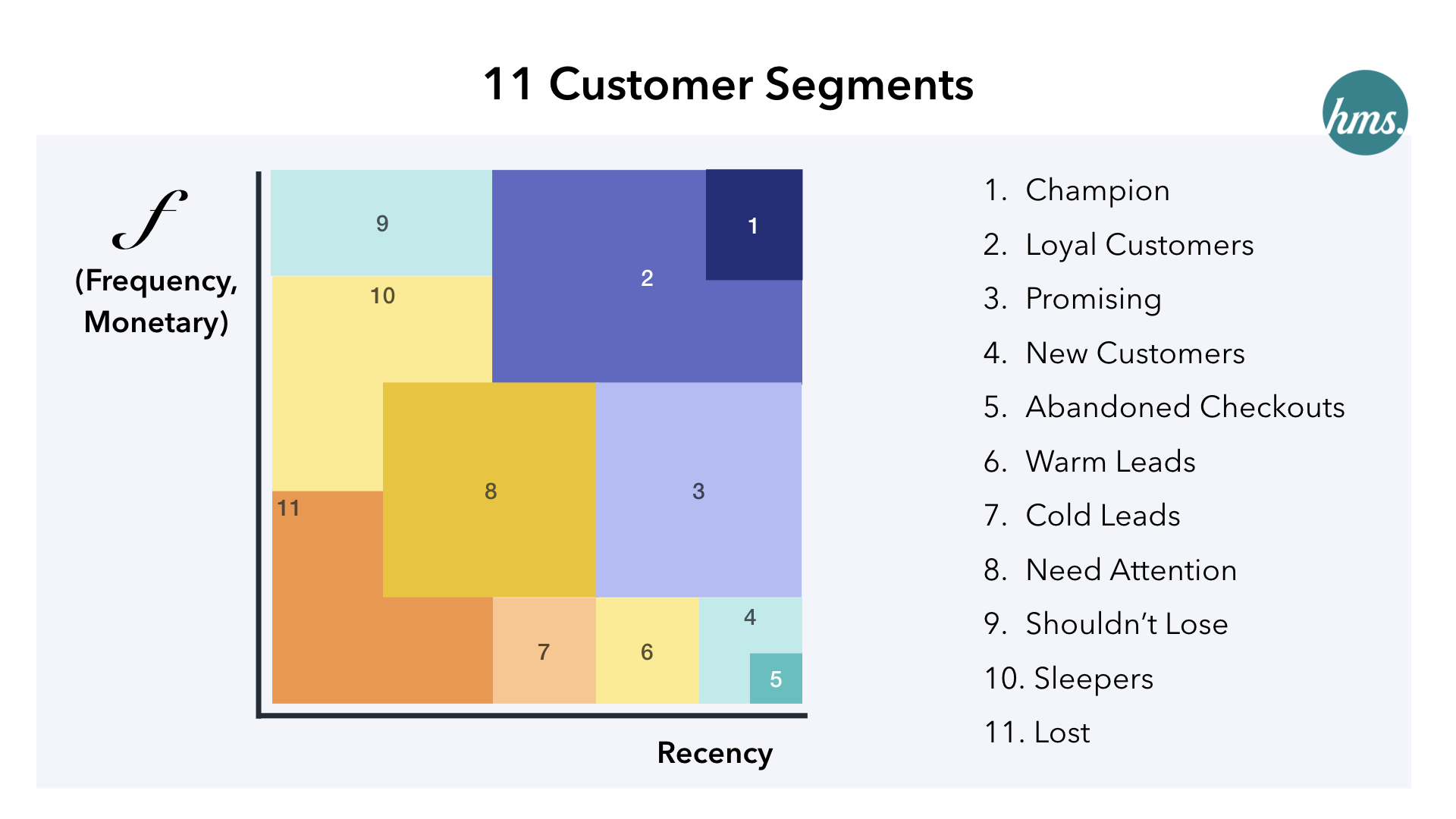
- Basic Segmentation (RFM): Recency, Frequency, Monetary value. This simple framework allows you to categorize customers based on how recently they purchased, how often, and how much they spend. It’s a powerful way to identify your most valuable customers, those at risk of churning, and those who need re-engagement. Many CRM systems can help with this. RFM segmentation guide
- Identifying Churn Signals: Pay attention to early indicators of disengagement. This could be a drop in product usage, decreased email open rates, or a lack of recent purchases. Setting up automated alerts for these signals allows your team to intervene proactively.
- A/B Testing for Iterative Improvement: Small, controlled experiments on your communication, offers, or website experience can yield significant CLTV gains over time. Test different subject lines, call-to-actions, or product recommendations to see what resonates best with your segmented audiences.
Sustaining Growth Through Iteration
Improving CLTV is not a one-time project; it’s an ongoing process of learning, adapting, and refining. The competitive landscape and customer expectations are constantly evolving. Regularly review your CLTV metrics, analyze what’s working and what isn’t, and be prepared to iterate on your strategies.
Focus on continuous improvement; even small gains in retention and customer satisfaction will compound into substantial business growth over time. Your most loyal customers are often your best advocates, driving organic growth and reducing your reliance on expensive acquisition channels. customer retention best practices


Leave a Comment