

Unlock Campaign Precision with AI Prompt Engineering
For small to mid-sized businesses operating with lean teams and tight budgets, every marketing effort needs to count. This article cuts through the hype to show you how prompt engineering – the art of crafting effective instructions for AI – can directly translate into more precise, impactful marketing campaigns. You’ll gain practical strategies to optimize your content creation, refine targeting, and make smarter decisions, all while working within your real-world constraints.
We’ll focus on actionable steps to integrate AI into your workflow, ensuring you get tangible benefits without overhauling your entire operation. The goal is to equip you with the judgment to prioritize what truly moves the needle for your business today.
Why Prompt Engineering Matters for SMB Marketing
In 2026, AI isn’t just a buzzword; it’s a practical tool for efficiency. For SMBs, prompt engineering is the key to unlocking that efficiency without needing a data science team. It’s about getting the AI to understand your specific marketing context and deliver outputs that are immediately useful, rather than generic. This precision saves time, reduces rework, and ensures your limited resources are directed towards content and campaigns that resonate with your target audience.
Think of it as giving a highly capable, but literal, assistant very clear instructions. The better your instructions (prompts), the better the assistant’s output. This directly impacts your ability to generate compelling ad copy, relevant social media posts, or targeted email content that aligns with your brand voice and campaign objectives.
However, the immediate efficiency gains from well-crafted prompts often overshadow a more insidious, downstream cost: the erosion of team trust and adoption. When prompts are consistently vague or poorly structured, the AI’s outputs become generic, requiring heavy editing or outright rejection. This isn’t just a waste of AI processing power; it’s a drain on human time and morale. Teams quickly develop ‘AI fatigue,’ where the perceived effort of correcting AI output outweighs the benefit, leading to underutilization of a potentially powerful tool.
What’s easy to overlook is that effective prompt engineering isn’t a one-time setup; it’s a skill that requires practice and refinement. Many teams underestimate the initial investment in learning to articulate their needs precisely. Without this commitment, the default becomes generating ‘good enough’ content – technically correct, but lacking the unique voice, strategic nuance, or market insight that differentiates an SMB. This leads to a proliferation of bland, undifferentiated marketing material that fails to move the needle, despite the illusion of rapid content creation.
The real-world pressure to meet deadlines often exacerbates this. Faced with a tight turnaround, it’s tempting to use a quick, basic prompt to get something out the door. While this might seem like a time-saver in the moment, it often results in content that needs significant human intervention to be effective, or worse, content that performs poorly. The trade-off is between investing a few more minutes upfront to refine a prompt for a truly useful output, versus spending hours later fixing, rewriting, or dealing with the fallout of ineffective campaigns. Prioritizing the latter means you’re not leveraging AI to its full potential; you’re just adding another layer of rework.
Core Principles of Effective Prompt Engineering for Marketing
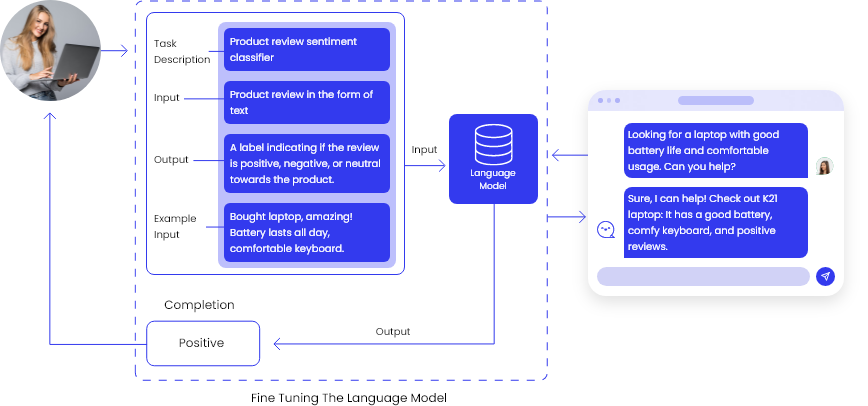
Effective prompts are built on a few fundamental principles. Mastering these will significantly improve the quality and relevance of your AI-generated marketing assets:
- Clarity and Specificity: Avoid vague language. Instead of “write a social post,” specify “write a LinkedIn post for B2B SaaS founders about the benefits of AI in lead generation, focusing on time savings and ROI, with a professional tone and a call to action to download our latest guide.”
- Context is King: Provide background information. Who is the target audience? What is the campaign goal? What is the product or service? What is the brand’s unique selling proposition?
- Define Output Format: Tell the AI exactly what you expect. “Generate five headline options,” “write a short paragraph,” “create a bulleted list of features.”
- Specify Tone and Style: “Use an authoritative but approachable tone,” “write in a casual, friendly style,” “adopt a persuasive, benefit-driven approach.”
- Iterate and Refine: Your first prompt won’t always be perfect. Treat prompt engineering as an iterative process. Review the AI’s output, identify what’s missing or incorrect, and refine your prompt based on that feedback.
What often gets overlooked in the pursuit of AI efficiency is the subtle erosion of quality that can occur when teams consistently settle for “good enough” output. While the immediate time savings are appealing, a steady diet of slightly off-brand, generic, or uninspired content—even if technically correct—accumulates. Over time, this can dilute your brand’s unique voice, reduce audience engagement, and make your marketing efforts feel less distinct. The hidden cost isn’t just the missed opportunity for truly impactful content; it’s the slow, almost imperceptible drift away from your strategic messaging, requiring a much larger, more painful course correction down the line.
Another common pitfall is underestimating the ongoing effort required for prompt management and refinement beyond the initial creation. It’s easy to assume that once a good prompt is written, it’s set and forget. In reality, effective prompts need to be documented, shared, and periodically updated as campaigns evolve, brand guidelines shift, or the AI models themselves change. Without a system for this, teams often find themselves reinventing the wheel, leading to inconsistent outputs across different team members or campaigns. This lack of centralized knowledge creates friction and negates much of the efficiency AI promises, turning what should be a strategic asset into a source of operational frustration.
Finally, the perceived speed of AI can mask the cognitive load of effective prompt engineering. While AI generates text quickly, crafting the precise, nuanced prompts that yield truly valuable output demands significant mental effort and iterative testing. This isn’t a one-and-done task; it’s an ongoing process of critical thinking, analysis, and refinement. Teams often experience “prompt fatigue,” where the mental energy required to consistently produce high-quality prompts can become a bottleneck, leading to rushed, less effective prompts and more time spent editing AI output than initially anticipated. The theory of instant content often clashes with the practical reality of thoughtful, deliberate prompt craftsmanship.
Practical Applications: Where to Start with Prompt Engineering
For SMBs, the immediate value of prompt engineering lies in automating or significantly accelerating specific, high-volume marketing tasks. Here’s where to focus your initial efforts:
- Content Generation First Drafts: Use AI to generate initial drafts for blog posts, email newsletters, or social media captions. Provide the topic, target audience, key message, and desired length. This drastically cuts down on staring at a blank page.
- Ad Copy Variations: Craft prompts to generate multiple headlines and body copy options for A/B testing on platforms like Google Ads or Meta. Specify the product, target benefit, and desired call to action.
- Email Subject Line Optimization: Ask the AI to generate ten compelling subject lines for a specific email campaign, focusing on open rates and urgency.
- Basic SEO Content Ideas: While not a replacement for deep keyword research, AI can help brainstorm long-tail keyword ideas or content clusters based on a seed keyword. Prompt it with your niche and ask for related questions or topics.
- Audience Persona Development (Initial Sketch): Provide basic demographic data and ask the AI to flesh out a preliminary persona, including pain points, goals, and preferred communication channels.
What to Prioritize and What to Delay
When integrating prompt engineering, strategic prioritization is crucial for SMBs. Focus your efforts where AI can deliver immediate, measurable impact without requiring extensive setup or oversight.
Prioritize: Tasks that are repetitive, require generating multiple variations, or benefit from rapid content ideation. Think first drafts of content, ad copy variations, social media posts, and email subject lines. These are areas where prompt engineering directly augments your existing team’s capacity and can quickly improve campaign performance or efficiency. The goal is to free up your team for higher-level strategic thinking and creative refinement.
Delay or Avoid: While the allure of fully automated, end-to-end AI-driven campaigns is strong, SMBs should deprioritize complex, multi-stage campaign automation today. The overhead of setting up, monitoring, and refining such intricate systems often outweighs the benefits for teams with limited resources. These systems demand significant data input, continuous validation, and a deep understanding of AI model limitations, which can quickly become a resource drain. Instead, focus on leveraging prompt engineering for specific, high-impact tasks that augment human capabilities rather than attempting to replace them entirely. Don’t get bogged down in perfecting prompts for minor tasks that yield little ROI or for areas where human judgment and nuance are paramount, such as brand voice development or complex strategic planning.
Iteration and Measurement: The Feedback Loop
Prompt engineering isn’t a one-and-done activity. The real power comes from treating it as a continuous feedback loop. After generating content or ideas with AI, you must:
- Test the Output: Deploy your AI-generated ad copy, social posts, or email subject lines.
- Measure Performance: Track key metrics like click-through rates (CTR), conversion rates, engagement, and open rates.
- Analyze and Refine: Based on performance data, identify what worked and what didn’t. Use these insights to refine your prompts. For example, if an ad copy performed poorly, adjust your prompt to emphasize a different benefit or tone.
This iterative process ensures that your AI outputs become increasingly aligned with your marketing goals and audience preferences.
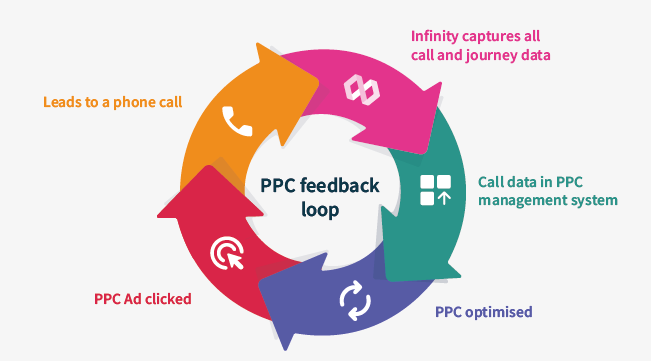
It’s about continuous improvement, not just initial generation. optimizing marketing campaigns with AI
Integrating Prompt Engineering into Your Workflow
To make prompt engineering a sustainable part of your marketing efforts, integrate it seamlessly into your existing workflow. Start by identifying specific bottlenecks where AI can offer immediate relief. Train your team on the core principles of prompt engineering, emphasizing experimentation and critical evaluation of AI outputs.
Consider creating a shared library of effective prompts for common tasks, such as generating blog outlines or social media captions. This standardizes quality and accelerates adoption. Remember, AI is a tool to enhance human creativity and efficiency, not replace it. Your team’s judgment remains paramount in guiding the AI and refining its outputs to truly resonate with your audience and achieve your business objectives.



Leave a Comment