


For small to mid-sized businesses, navigating the AI landscape can feel overwhelming. This guide cuts through the noise, offering a clear, actionable framework to integrate AI strategically, focusing on tangible business outcomes rather than chasing every new tool.
You’ll learn how to identify the most impactful AI applications for your team, prioritize initiatives that deliver immediate value, and avoid common pitfalls that drain resources. Our focus is on practical implementation, helping you leverage AI to optimize operations, enhance marketing efforts, and drive sustainable growth under real-world constraints.
Why a Focused AI Strategy Matters Now
The current pace of AI innovation is rapid, but for SMBs, this often translates into confusion rather than clarity. Without a focused strategy, teams risk investing in tools that don’t align with core business objectives or stretch limited resources too thin. A pragmatic AI strategy isn’t about adopting every new technology; it’s about identifying specific pain points and applying AI solutions that deliver measurable value. This means prioritizing solutions that directly address operational inefficiencies, improve customer engagement, or accelerate revenue generation, rather than chasing speculative trends.
Prioritizing Your First AI Initiatives
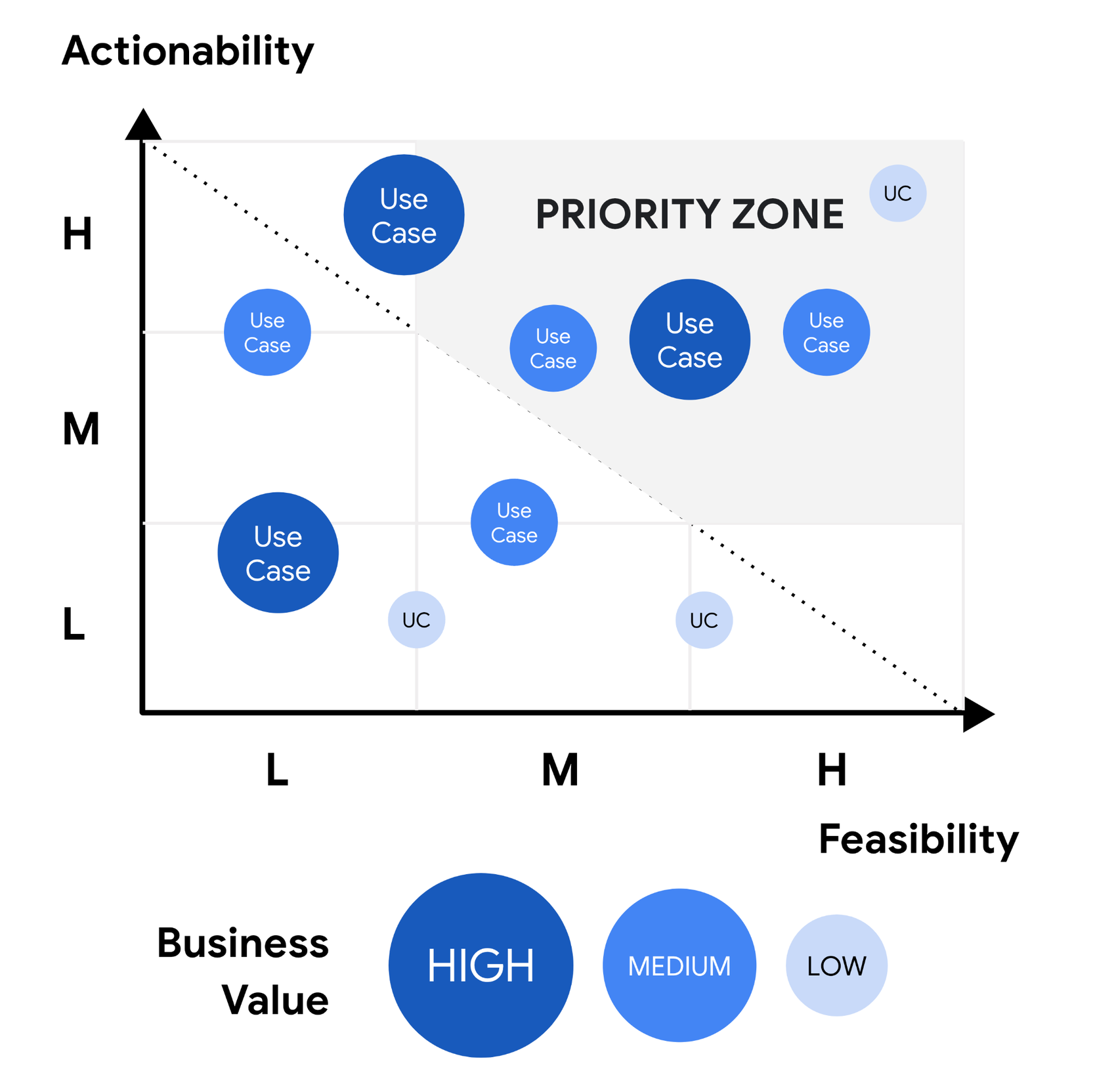
When resources are tight, the first step is to pinpoint AI applications that offer the highest impact with the lowest implementation complexity. This isn’t about grand transformations, but about targeted improvements.
- Content Generation & Optimization: Tools that assist with drafting blog posts, social media updates, ad copy, or email subject lines can significantly reduce the time spent on content creation. This frees up your team to focus on strategy and deeper analysis. For example, using AI to generate initial drafts for SEO-focused articles can accelerate your content calendar. AI tools for SEO content
- Customer Service Augmentation: Implementing AI-powered chatbots for frequently asked questions (FAQs) or using AI to summarize customer interactions can improve response times and free up human agents for more complex issues. This directly impacts customer satisfaction and operational efficiency.
- Data Analysis & Reporting: AI tools can quickly process large datasets to identify trends, segment audiences, or highlight performance anomalies that might otherwise be missed. This provides actionable insights for marketing campaigns and business decisions without requiring extensive manual analysis.
The decision framework here is simple: target areas where AI can immediately reduce manual effort, improve output quality, or provide clearer insights, all without demanding a complete overhaul of existing systems. Focus on quick wins that build confidence and demonstrate value.
However, the initial appeal of “quick wins” can mask deeper complexities and downstream costs. For instance, while AI can rapidly generate content drafts, the real work often shifts to intensive human editing, fact-checking, and brand voice refinement. What appears as a time-saver on the surface can become a bottleneck if teams lack the skills to effectively prompt AI or if they underestimate the effort required to transform generic output into authentic, high-quality content that truly resonates and avoids diluting brand authority over time. The perceived efficiency gain can quickly erode if the human oversight needed to prevent blandness or factual errors isn’t properly accounted for.
Similarly, augmenting customer service with AI chatbots introduces its own set of challenges. While they can handle FAQs, the moment a query deviates from pre-programmed paths, the system can quickly become a source of frustration for customers. The hand-off to a human agent, if not seamless, can exacerbate this. For the human team, this often means their workload shifts to exclusively dealing with the most complex, ambiguous, or irate customer issues—the very problems AI couldn’t solve. This can lead to increased stress and burnout among agents, who may feel devalued or overwhelmed by a constant stream of difficult interactions, rather than truly “freed up.”
Even with data analysis, where AI can surface trends, the critical step of human interpretation remains paramount. AI identifies correlations, but it doesn’t explain causation or the nuanced business context. Teams can easily fall into the trap of over-relying on AI-generated insights without sufficient domain expertise to critically evaluate the data’s quality or the model’s limitations. This can lead to flawed strategic decisions or misallocated resources based on incomplete understanding, creating a false sense of confidence that ultimately undermines effective decision-making. The real value isn’t just in the AI’s output, but in the team’s ability to apply seasoned judgment to it.
What to Delay or Skip Today
For most small to mid-sized businesses, certain AI initiatives, while promising in theory, are best deprioritized or skipped entirely today. Investing in custom AI model development, for instance, is typically cost-prohibitive and requires specialized data science expertise that few SMBs possess. The return on investment for such bespoke solutions rarely justifies the upfront cost and ongoing maintenance.
Similarly, highly complex predictive analytics projects, especially those requiring extensive data cleaning and integration across disparate systems, should be approached with extreme caution. Without robust, clean data infrastructure, these projects often fail to deliver accurate or actionable insights, becoming resource sinks. Focus instead on leveraging off-the-shelf AI tools that integrate with your existing platforms and provide immediate, tangible benefits. Avoid large-scale internal AI transformation projects that promise to revolutionize every aspect of your business; these are often too disruptive and resource-intensive for teams operating under real-world constraints. Prioritize augmentation over wholesale replacement.
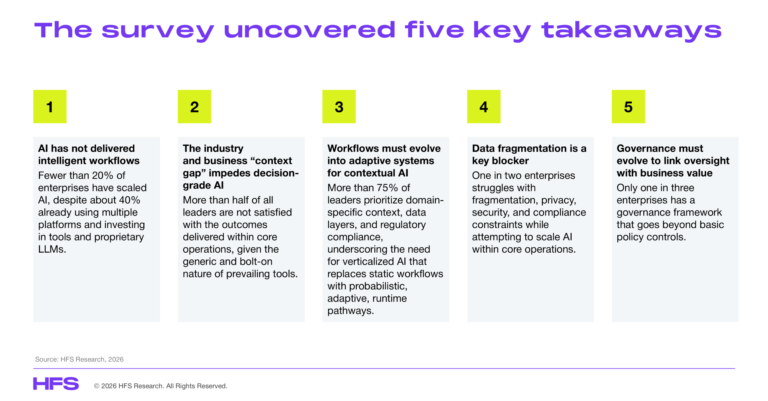
Even when focusing on off-the-shelf tools, a common pitfall is the rapid accumulation of disparate solutions. Each tool might solve a specific problem well, but without a cohesive strategy, teams can quickly find themselves managing a fragmented tech stack. This leads to new integration challenges, data synchronization headaches, and a hidden “tool tax” in terms of administrative overhead and training. The initial promise of immediate benefits can be eroded by the long-term cost of managing an uncoordinated ecosystem, creating more operational friction than it alleviates.
The emphasis on augmentation is sound, but it’s easy to overlook how this plays out in practice. Augmentation often means the AI handles a part of a task, but a human still needs to review, refine, or connect the dots. This can shift the bottleneck rather than eliminate it. Instead of purely manual work, teams might find themselves in a constant state of “AI output review,” which can be just as time-consuming and mentally taxing, especially if the AI’s output isn’t consistently high quality. The expectation of efficiency can quickly turn into frustration when the “augmented” workflow still demands significant human intervention and error correction.
Furthermore, while complex predictive analytics demand pristine data, even seemingly simple, off-the-shelf AI tools are only as good as the data they consume. It’s easy to assume that if a tool is “smart,” it can handle imperfect inputs. In reality, feeding messy, inconsistent, or incomplete data into an AI-powered content generator, a customer service chatbot, or a marketing automation system will yield similarly messy, inconsistent, or unhelpful outputs. The consequence isn’t just poor results; it’s a loss of trust in the technology and wasted effort in trying to make a “broken” tool work, when the true issue lies upstream in data hygiene.
Integrating AI into Existing Workflows
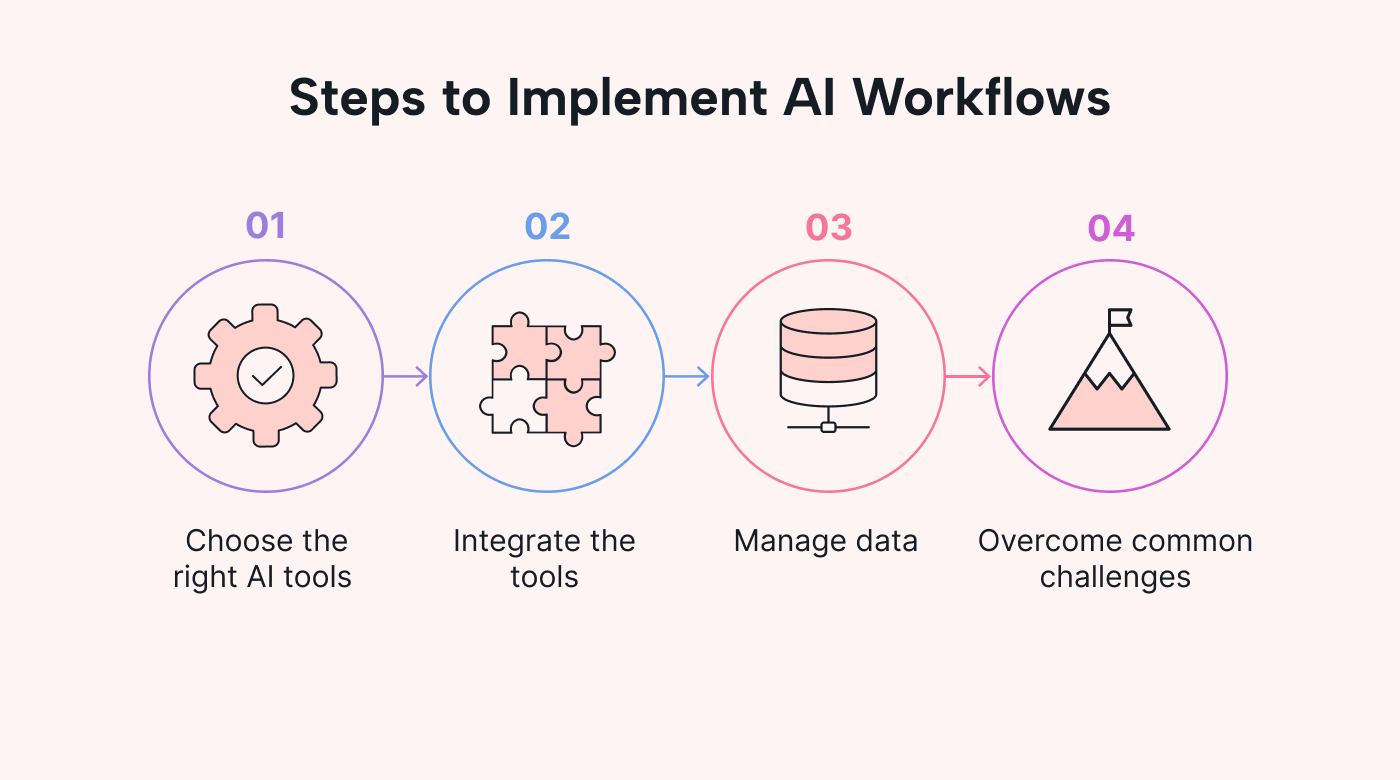
Successful AI adoption isn’t about ripping out your current systems; it’s about smart integration that augments your team’s capabilities. The goal is to make existing workflows more efficient, not to create entirely new ones from scratch.
- Marketing Automation Platforms: Many modern marketing platforms now offer integrated AI features. Leverage these for email subject line optimization, audience segmentation, or content personalization within your existing HubSpot or Mailchimp setup. AI marketing features
- Social Media Management Tools: Use AI to generate initial drafts for social posts, identify optimal posting times, or analyze sentiment in comments. This streamlines your social media calendar and improves engagement.
- Ad Campaign Management: AI can assist in generating multiple ad copy variations, optimizing bidding strategies, or identifying underperforming ad creatives. This allows your team to focus on strategic oversight rather than manual iteration.
The key is to identify specific tasks within your current workflows that are repetitive, time-consuming, or require data analysis, and then find AI tools that can automate or enhance those particular steps. This incremental approach minimizes disruption and maximizes adoption.
Measuring Impact and Iterating
Implementing AI without a clear method for measuring its impact is a wasted effort. For SMBs, tracking success means focusing on tangible business metrics, not just tool usage.
- Time Savings: Quantify the hours saved on tasks like content creation, customer support, or data analysis. This directly translates to increased capacity for your team.
- Conversion Rates: If AI is used for ad copy, landing page optimization, or email personalization, track the uplift in conversion rates.
- Lead Quality: For AI-assisted lead generation or qualification, monitor the quality of leads passed to sales.
- Customer Satisfaction (CSAT): If AI is used in customer service, track improvements in CSAT scores or reductions in resolution times.
Treat your AI strategy as an iterative process. Start small, measure the results, learn from what works and what doesn’t, and then refine your approach. This continuous feedback loop ensures your AI investments remain aligned with your business goals and deliver sustained value.
The Practitioner’s Mindset for AI Adoption
Adopting AI effectively isn’t about finding a magic bullet; it’s about cultivating a pragmatic, results-oriented mindset. As practitioners, our focus must remain squarely on solving business problems and driving measurable growth, not on the technology itself. This means being selective, prioritizing tools that integrate seamlessly and deliver clear value, and being prepared to adapt as the landscape evolves. Don’t chase every new feature; instead, ask how a specific AI application can genuinely improve your team’s efficiency, enhance your customer experience, or boost your bottom line. The most successful AI strategies for SMBs are built on continuous learning, practical application, and an unwavering commitment to tangible outcomes, not theoretical potential.


Leave a Comment