

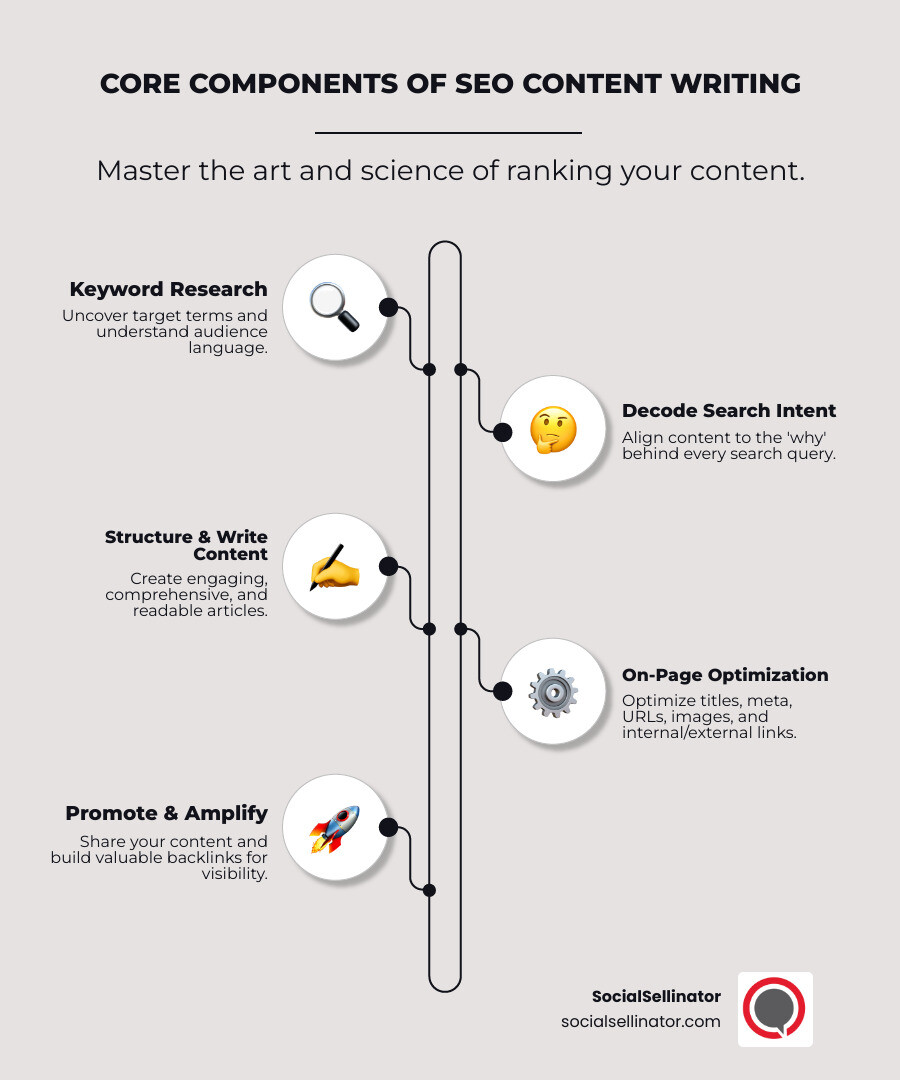
Unlock Better Rankings by Understanding Search Intent
For small to mid-sized businesses, every marketing effort needs to count. Understanding search intent isn’t just an SEO buzzword; it’s a critical lens for allocating your limited content resources effectively. By aligning your content with what users are actually trying to achieve when they search, you stop guessing and start creating assets that genuinely connect, drive traffic, and ultimately, convert. This approach helps you outmaneuver competitors who might have bigger budgets but lack this fundamental focus.
This article cuts through the noise to give you a pragmatic framework for identifying search intent and building content that works for your business today. You’ll learn what to prioritize, what to delay, and how to make smart trade-offs under real-world constraints.
Why Search Intent Isn’t Just a Buzzword for SMBs
Search intent is simply the underlying goal a user has when typing a query into a search engine. Are they looking to learn something, find a specific website, compare products, or make a purchase? For small teams, grasping this is non-negotiable. It dictates the type of content you should create, its format, and even its tone. Without this understanding, you risk pouring precious time and budget into content that Google won’t rank because it doesn’t match what searchers want, or worse, content that attracts the wrong audience.
Ignoring intent means you’re essentially throwing darts in the dark. With limited headcount and budget, you can’t afford to miss. Focusing on intent ensures your content directly addresses user needs, which is a primary signal for search engines like Google to rank your pages higher. It’s about efficiency and impact.
It’s easy to conflate “keyword research” with “intent research.” Many teams pull a list of keywords and jump straight to writing, assuming the keyword itself fully defines the user’s need. This is a critical misstep. The keyword is a signal, not the full story. Without digging into why someone typed that specific phrase, you’re building on a shaky foundation.
The immediate consequence of this oversight isn’t just poor ranking; it’s a growing content debt. Each piece of content created without a clear intent match becomes an asset that needs re-evaluation, rewriting, or removal. This isn’t just inefficient; it creates significant internal friction. Teams feel the pressure to produce, but when those efforts don’t yield results, it breeds frustration and can lead to a cynical view of content marketing itself. This makes it harder to secure buy-in and resources for future, more strategic efforts.
Given these realities, what should be deprioritized? Avoid the temptation to chase every high-volume keyword without first understanding its dominant intent. It’s better to create fewer pieces of content that deeply satisfy a specific intent than to churn out many that broadly touch on keywords but miss the mark. This means slowing down the initial content planning phase to truly dissect intent, even if it feels like it’s delaying production. The upfront investment in understanding intent saves exponential effort and frustration down the line.
Identifying the Four Core Intent Types (and What They Mean for You)
While search intent can be nuanced, most queries fall into one of four primary categories. Understanding these helps you categorize your target keywords and plan your content strategy:
- Informational: The user wants to learn something. Examples: “how to fix a leaky faucet,” “best practices for email marketing.” Your content should be educational, comprehensive, and answer questions.
- Navigational: The user is trying to find a specific website or page. Examples: “MarketingPlux login,” “Shopify pricing.” Your content here is typically your homepage, contact page, or specific product/service pages.
- Commercial Investigation: The user is researching products or services before making a purchase. They’re comparing options, looking for reviews, or seeking recommendations. Examples: “best CRM software for small business,” “iPhone 15 vs. Samsung S24.” Your content should offer comparisons, reviews, and detailed product/service information.
- Transactional: The user is ready to buy or take a specific action. Examples: “buy running shoes online,” “sign up for free trial.” Your content must facilitate this action directly, typically product pages, service pages, or dedicated landing pages with clear calls to action.
For small businesses, prioritizing content for commercial investigation and transactional intent often yields the most direct revenue impact. Informational content builds authority and drives top-of-funnel traffic, but it’s a longer play. Navigational intent is usually covered by your core website structure.
While these four categories provide a useful framework, real-world search queries rarely fit neatly into a single box. Many queries carry mixed intent, or a user’s intent can evolve rapidly within a single session. The practical pitfall here is oversimplifying intent, leading to content that either tries to serve too many masters and becomes unfocused, or rigidly targets one intent and misses opportunities to guide users further down the funnel. This often results in content that underperforms, requiring rework and wasting precious team bandwidth.
The advice to prioritize commercial investigation and transactional content for immediate impact is sound, especially for lean teams. However, a common, delayed consequence of this prioritization is the gradual erosion of top-of-funnel presence and brand authority. While informational content might not directly convert today, consistently neglecting it means you’re not building the organic visibility, trust, and audience that feeds future commercial investigation queries. This creates a hidden cost: future customer acquisition becomes more expensive as you rely more heavily on paid channels, and your brand struggles to establish itself as a go-to resource, making it harder to compete when users are ready to buy.
Another common challenge arises from the human tendency to seek comprehensive coverage. Teams often face internal pressure to produce content for every intent type simultaneously, particularly when stakeholders don’t fully grasp the resource implications. This leads to a common failure mode: spreading limited resources too thin, resulting in shallow, ineffective content across the board. The pragmatic approach is to acknowledge that perfect coverage is a luxury. Instead, focus on deeply serving one primary intent per content asset, even if it means temporarily deprioritizing others. This trade-off, while difficult, ensures that the content you do produce has a higher chance of achieving its specific goal, rather than failing broadly.
Practical Steps to Uncover Intent for Your Keywords
What to Do First:
- Google SERP Analysis: This is your most powerful, free tool. For any target keyword, simply search it on Google. Look at the top 5-10 results. What types of content are ranking? Are they blog posts, product pages, comparison articles, or videos? This immediately tells you the dominant intent Google perceives for that query. If you see mostly product pages, the intent is likely transactional. If you see “how-to” guides, it’s informational.
- “People Also Ask” and Related Searches: These sections on the Google SERP are goldmines. They reveal related questions and topics users are exploring, often clarifying the depth and breadth of their informational or commercial investigation intent.
- Keyword Research Tools: Tools like Ahrefs or Semrush can help categorize keywords by intent, but even without explicit labels, their data on SERP features (e.g., shopping results, featured snippets) and top-ranking pages will guide you. Focus on the *type* of content ranking, not just the keyword volume.
When you’re operating with limited resources, don’t get bogged down in overly complex intent classification models. Stick to the four core types and use the SERP as your primary guide. It’s the most accurate reflection of what Google believes users want.
What to Delay or Avoid Today:
Currently, many small businesses overcomplicate intent analysis. You should deprioritize or skip creating content for every minor keyword variation if the core intent is identical. For example, “best CRM for small business” and “top CRM for SMBs” likely share the same commercial investigation intent. Instead of two separate articles, focus on one comprehensive, well-optimized piece that addresses both. Also, avoid chasing high-volume keywords if their intent doesn’t align with your business goals or the stage of your customer journey. A high-volume informational keyword might bring traffic, but if your business sells a specific product, that traffic might be too far from a purchase decision to be efficient for your current resource constraints. Focus on keywords with clear commercial or transactional intent first, as these often have a more direct path to revenue.
Mapping Content to Intent: Real-World Examples
Once you’ve identified the intent, the next step is to create content that perfectly matches it. Here’s a practical breakdown:
- Informational Intent: Develop blog posts, comprehensive guides, “how-to” articles, FAQs, or educational videos. Example: For “how to start an online store,” a detailed guide on MarketingPlux covering steps from niche selection to launch.
- Commercial Investigation Intent: Produce comparison articles (“X vs. Y”), “best of” lists (“5 Best Project Management Tools for Startups”), in-depth reviews, or case studies. Example: For “best accounting software for freelancers,” a review article comparing features, pricing, and user experience.
- Transactional Intent: Design optimized product pages, service pages, landing pages with clear calls to action, or pricing pages. Example: For “buy custom t-shirts,” a product page with variations, sizing, and an “Add to Cart” button.
- Navigational Intent: Ensure your website’s main navigation, homepage, contact page, and “about us” page are clear and easily accessible. Example: For “MarketingPlux login,” a direct link to the user dashboard.
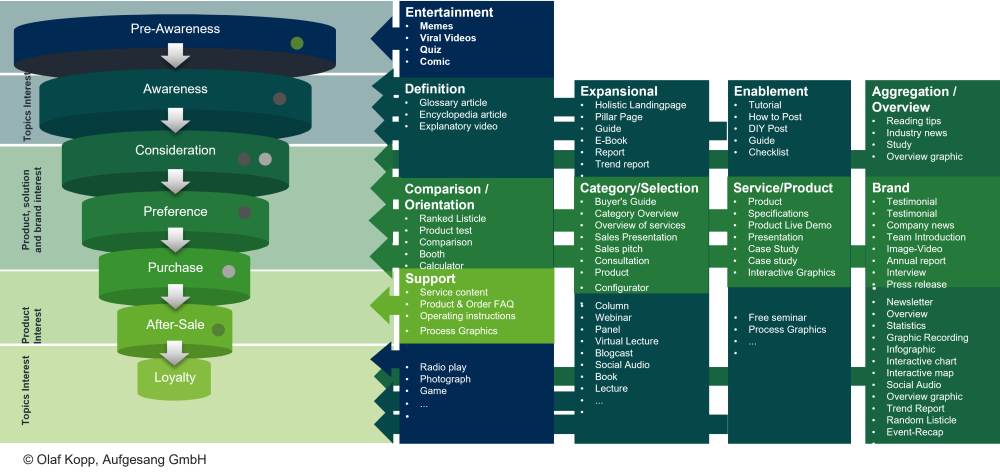
The key here is not just *what* you write, but *how* you structure and present it. A transactional query needs a direct path to purchase, not a long-form blog post. An informational query needs answers, not a sales pitch.
Optimizing for Intent: Beyond Just Keywords
Matching intent goes beyond simply including keywords. It’s about the entire user experience and the signals you send to search engines:
- Content Format: Does your content’s format align with the intent? A listicle for “best X,” a step-by-step guide for “how to Y,” or a product grid for “buy Z.”
- Depth and Comprehensiveness: For informational queries, is your content thorough enough to answer all potential sub-questions? For commercial investigation, does it provide enough detail for a user to make an informed decision?
- Call to Action (CTA): Is your CTA appropriate for the intent? An informational piece might have a CTA to download a guide or subscribe to a newsletter, while a transactional page needs a clear “Buy Now” or “Contact Us.”
- User Experience Signals: Google pays attention to how users interact with your content. High bounce rates or short time on page can indicate a mismatch between intent and content. Ensure your content is easy to read, visually appealing, and provides immediate value. how google uses user signals
Staying Relevant: Intent is Dynamic
Search intent isn’t static. User needs evolve, new products emerge, and search engine algorithms adapt. What was purely informational a year ago might now have a stronger commercial investigation component. Regularly review your top-performing keywords and their SERPs (e.g., quarterly) to ensure your content still aligns with current user intent. This doesn’t mean a complete overhaul every time, but rather strategic updates to keep your content fresh and relevant. Small tweaks can often yield significant results, especially when you’re working with limited resources.


Leave a Comment