

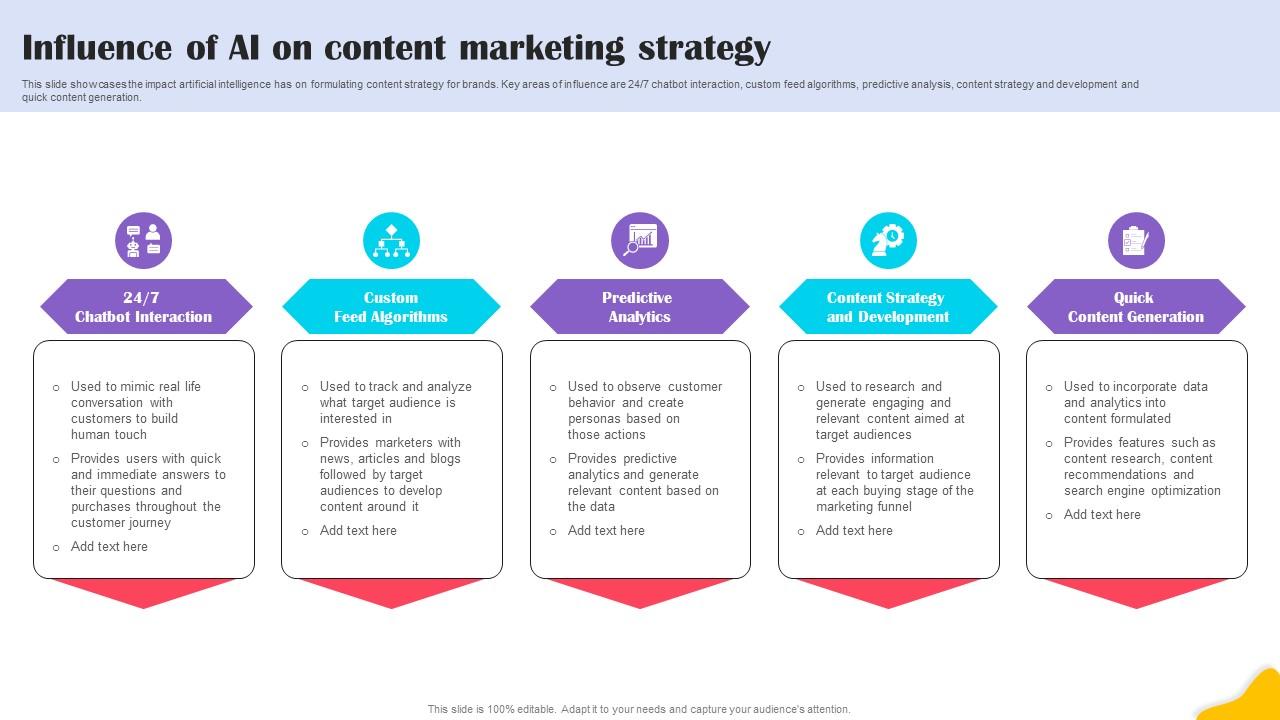
For small to mid-sized businesses, building a robust content library often feels like an uphill battle against limited time and budget. This article cuts through the noise, offering a pragmatic blueprint for leveraging AI to create evergreen content assets that deliver sustained value. We’ll focus on actionable strategies that work even with imperfect execution, helping you prioritize what truly moves the needle and avoid common pitfalls that drain precious resources.
The Core Principle: Evergreen Content, AI-Accelerated
Evergreen content is foundational for sustainable online growth. It’s content that remains relevant and valuable to your audience over a long period, consistently attracting organic traffic without constant updates. For lean teams, this means compounding returns on your effort, reducing the pressure to churn out new, ephemeral content, and building a strong SEO base.
AI’s role here is not to replace human insight but to accelerate the process. Think of AI as a powerful assistant that handles the heavy lifting of research, initial drafting, and optimization, making the creation of high-quality, evergreen assets feasible even with limited headcount.
Prioritizing Your Evergreen Content Pillars
The biggest mistake small teams make is trying to cover everything. With limited resources, you must be surgical. Start by identifying your core customer pain points, the most common questions they ask, and the high-value solutions your business provides. These are your content pillars.
- What to do first: Focus on three to five core topics directly tied to your primary services or products. These are the areas where you have deep expertise and where content can directly influence sales or lead generation. Use simple keyword research tools, like those offered by keyword research for content strategy or Google Keyword Planner, to identify topics with decent search volume and manageable competition.
- What to delay: Broad, highly competitive topics that require massive authority to rank, or niche areas that don’t directly impact your immediate revenue goals. These can be addressed once your core pillars are established and performing.
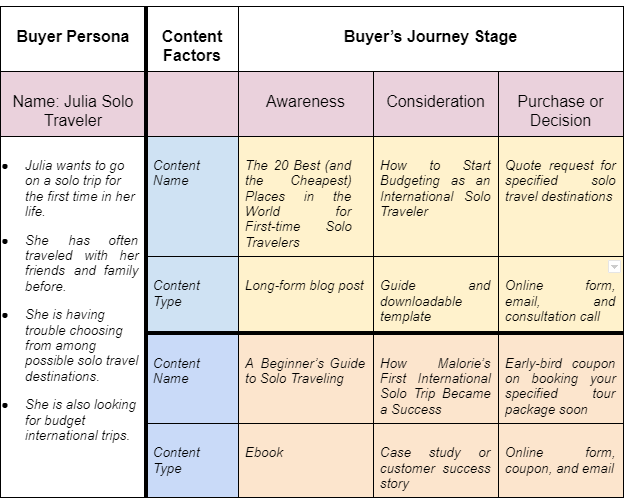
What’s easy to overlook is the hidden cost of spreading your resources too thin across too many content pillars. While the initial impulse might be to cover more ground, doing so often results in a collection of shallow, undifferentiated content. This isn’t just inefficient; it creates a long-term liability. Instead of building deep authority in a few critical areas, you end up with a volume of mediocre assets that require significant effort to update, replace, or even justify later on. This dilutes your impact and makes it harder to achieve meaningful search visibility or conversion rates for any single topic.
Another common oversight is the ongoing commitment required for truly evergreen content. The theory suggests you build it once, and it performs forever. In practice, even the most foundational content needs regular review, updates for accuracy, and sometimes expansion to maintain its relevance and competitive edge. Neglecting this leads to outdated information that erodes trust and search performance over time, effectively turning a valuable asset into a decaying one. The “set it and forget it” mentality is a non-obvious failure mode that saps the long-term value of your content investment.
Finally, practitioner teams frequently face internal pressure to chase every conceivable topic or competitor’s move, even if it falls outside defined pillars. This reactive approach, while seemingly responsive, dilutes focus and prevents the deep dives necessary to establish true authority in core areas. The real challenge isn’t just identifying your pillars, but rigorously defending them against scope creep and the temptation to chase fleeting trends or marginal queries. Saying “no” to non-pillar content is often harder and more critical than the initial act of selecting the pillars themselves, demanding consistent judgment under pressure.
AI in Action: Research and Ideation for Evergreen Topics
AI tools like ChatGPT or Claude are invaluable research assistants. They can help you rapidly brainstorm sub-topics, generate detailed outlines, and identify common questions related to your chosen pillars. The key is effective prompt engineering.
- Prompting for insights: Instead of vague requests, use specific prompts like, “Act as an expert in [your industry], generate 10 common questions about [your core topic, e.g., ‘small business SEO strategies’] that small business owners frequently ask.”
- Outline generation: Once you have a core topic, ask AI to “Create a detailed article outline for ‘[topic]’ targeting small business owners, including potential subheadings and key points for each section.”
- Validation is critical: Always cross-reference AI-generated ideas with real-world search results, competitor analysis, and your own customer interactions. AI provides a starting point; your expertise refines it.

While AI accelerates the initial stages, it introduces subtle pitfalls that often manifest downstream. One common trap is the allure of “good enough” content. AI excels at identifying widely searched questions and generating standard outlines, which can quickly fill a content calendar. However, an over-reliance on these generic starting points often results in content that is technically accurate but lacks unique insights, a distinct voice, or a fresh perspective. The hidden cost here isn’t just wasted effort; it’s the missed opportunity to differentiate your brand and build genuine authority in a crowded market.
Another area where theory diverges from practice is the “validation is critical” step. For lean teams, truly cross-referencing AI-generated ideas isn’t a quick check; it demands significant subject matter expertise and a deep understanding of your specific audience’s nuanced challenges. The operational pressure to publish quickly can lead to superficial validation, where teams confirm basic facts but fail to inject the unique value, proprietary data, or specific examples that only human experience can provide. This creates internal friction, as practitioners feel the tension between speed and the imperative to produce truly valuable content.
Furthermore, the ease of generating initial drafts can inadvertently shift the team’s focus from strategic content development to mere content production. Instead of using AI as a thought partner to explore complex angles or challenge assumptions, it can become a shortcut to bypass critical thinking. This leads to a proliferation of bland, undifferentiated pieces that, while technically fulfilling SEO requirements, do little to engage or convert. The long-term consequence is a diluted brand voice and an audience that struggles to find compelling reasons to return.
Crafting Evergreen Assets with AI Assistance
This is where AI truly accelerates production, but it requires a practitioner’s touch. AI is a powerful tool, not a replacement for your unique voice and expertise.
- Outlining and Drafting: Use AI to generate initial drafts for sections based on your refined outline. This saves significant time on getting words on the page. However, consider this a first pass.
- Human Editing and Voice: This is non-negotiable. Inject your brand’s voice, specific examples, case studies (if applicable), and practitioner insights. AI-generated content often lacks nuance, empathy, and a distinct perspective. Your editing transforms generic text into authoritative content.
- SEO Optimization: AI can suggest related keywords, entities, and even refine headings or meta descriptions for better search visibility. Use it to ensure your content is technically optimized, but always prioritize readability and user intent first.
What to deprioritize or skip today: Do not rely on AI to write entire articles without significant human oversight and editing. This leads to generic, unengaging content that fails to build authority and trust. The goal is efficiency in content creation, not automation of quality. Skipping the human touch in the editing phase is a critical mistake that will undermine your evergreen strategy.
Distribution and Iteration: Making Evergreen Content Work
Creating content is only half the battle; getting it seen and ensuring its longevity is the other. For small teams, focus on effective, rather than exhaustive, distribution.
- Initial Distribution: Publish on your website. Share across your most effective social channels – don’t try to be everywhere. Email your existing list.
- Internal Linking: This is crucial for evergreen content. As you build your library, consistently link new content to existing relevant pages and vice-versa. This boosts SEO by distributing link equity and improves user experience by guiding readers through related topics.
- Monitoring and Refreshing: Evergreen content isn’t “set it and forget it.” Use tools like Google Search Console and Google Analytics to track performance (traffic, rankings, engagement). Identify underperforming content or topics where information might be outdated. Refreshing content – adding new insights, updating statistics, or expanding sections – ensures it remains valuable and competitive. AI can assist in identifying gaps or suggesting updates for existing articles.

What to Avoid and Why
For small to mid-sized teams, knowing what not to do is as important as knowing what to do. Resource allocation is paramount.
- Avoid chasing every trending topic: While tempting, constantly jumping on trends diverts precious resources from building foundational evergreen assets. Trends are fleeting; evergreen content builds long-term authority and consistent organic traffic.
- Don’t over-automate without human review: Publishing AI-generated content without thorough editing, fact-checking, and brand voice injection risks your brand’s credibility. AI tools are powerful, but they lack judgment, nuance, and the ability to truly understand your audience’s unique needs.
- Resist the urge to create content for every possible keyword: Focus on high-impact topics relevant to your business goals and customer needs. A smaller library of high-quality, well-optimized evergreen content is far more effective than a vast collection of mediocre pieces. This is a critical trade-off for lean teams.
- Delay investing in complex, expensive AI content suites initially: Start with accessible, often free or low-cost, AI writing assistants. Master the workflow and prove the ROI before scaling up to more sophisticated and costly platforms.
Sustaining Your AI-Powered Evergreen Strategy
Building an evergreen content library is an ongoing commitment, but one that yields significant returns. To sustain your efforts with limited resources:
- Batching: Group similar content tasks together. Dedicate specific blocks of time for research, outlining, drafting, and editing. This improves focus and efficiency.
- Documentation: Create simple internal guidelines for using AI tools, maintaining brand voice, and the content review process. This ensures consistency as your team grows or roles shift.
- Continuous Learning: AI tools and best practices evolve rapidly. Dedicate a small amount of time weekly or monthly to explore new features, prompt engineering techniques, or industry shifts.
Your evergreen content library is a valuable asset that appreciates over time. Consistent, focused effort, intelligently augmented by AI, will yield sustainable growth for your business.


Leave a Comment