


Navigating Audience Shifts with Limited Resources
For small to mid-sized businesses, staying relevant on social media isn’t about chasing every trend; it’s about smart adaptation. This article cuts through the noise to provide practical strategies for decoding audience shifts and crafting agile social media plans. You’ll gain actionable insights to maintain engagement, optimize your limited marketing budget, and ensure your efforts genuinely contribute to business growth, even with a lean team.
We’ll focus on what truly moves the needle for businesses operating under real-world constraints, helping you prioritize effectively and avoid common pitfalls that drain time and resources without delivering results.
Why Audience Shifts Demand an Agile Approach
Audience behavior on social platforms is never static. New content formats emerge, platform algorithms evolve, and user demographics subtly (or not so subtly) change their preferences. For SMBs, ignoring these shifts isn’t an option; it leads to wasted content, declining engagement, and ultimately, a diminished return on your social media investment. An agile approach means you’re not just reacting, but proactively testing and adapting your strategy based on real signals, not just assumptions.
What’s often overlooked is the cumulative damage of delayed adaptation. It’s not just about a few underperforming posts; it’s about the subtle erosion of audience trust and relevance over time. When your content consistently feels a step behind, your audience begins to subconsciously categorize your brand as out of touch. This perception is difficult to reverse and creates a compounding disadvantage, making future, well-aligned efforts work harder to regain lost ground.
In practice, many SMBs fall into what I call ‘agile theater.’ They mistake frantic, reactive pivots for true agility. The team is constantly chasing the latest trend or algorithm tweak, but without a clear hypothesis, a systematic way to measure impact, or a structured learning loop. This isn’t adaptation; it’s just chaos. It leads to team burnout, decision fatigue, and a pervasive sense that efforts are scattered and ineffective, despite constant activity. The real work of agility lies in building a repeatable process for testing and learning, not just reacting faster.
This brings us to a critical deprioritization for SMBs: resist the urge to chase every single new platform feature or content format. With limited headcount and budget, the overhead of learning, implementing, and then measuring the impact of every shiny new object often outweighs any potential gain. Instead, focus your limited resources on deeply understanding the *why* behind significant audience shifts and then strategically testing those few opportunities that genuinely align with your core business objectives. A slower, more deliberate approach to a select few high-potential changes will yield far more actionable insights and better returns than a superficial attempt at many.
Prioritizing Data Signals Over Gut Feelings
Your social media platforms provide a wealth of data, often overlooked. For SMBs, the focus should be on accessible, actionable insights from native analytics. Look beyond vanity metrics like follower count. Instead, prioritize:
- Engagement Rates: How many people are actually interacting with your content (likes, comments, shares, saves)? Track this per post type and topic.
- Audience Demographics: Are the age groups, locations, or interests of your engaged audience changing?
- Peak Activity Times: Has the optimal time to post shifted?
- Content Format Performance: Which formats (short-form video, carousels, static images, polls) consistently drive the most meaningful engagement?
- Website Referral Traffic: Are your social efforts driving qualified traffic to your site? Use UTM parameters to track this accurately.
Practitioner Judgment: Don’t get bogged down in complex analytics tools if your team can’t interpret them quickly. Start with the basics provided by each platform. The goal is to identify trends and make quick, informed adjustments, not to generate exhaustive reports. Focus on metrics that directly inform your content strategy and indicate genuine audience connection.
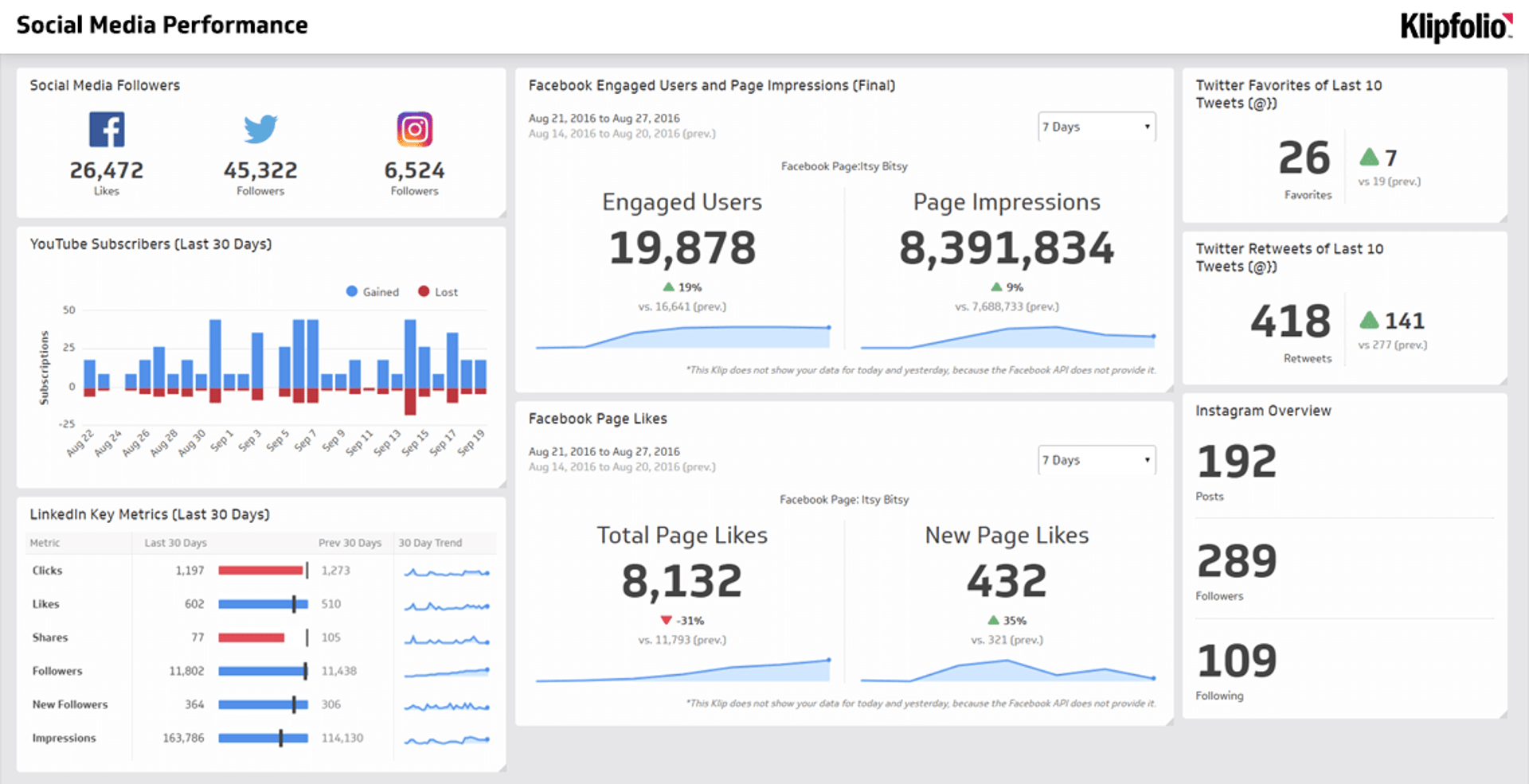
While native analytics offer a clear starting point, the real challenge often lies not in collecting the data, but in consistently acting on it. It’s easy to track engagement rates, but far harder to pivot an entire content calendar or production workflow based on those insights, especially for lean teams. The theoretical ideal of ‘data-driven’ can quickly devolve into ‘data-informed paralysis’ when resources are tight, and the effort required to implement changes outweighs the perceived benefit or immediate capacity.
Furthermore, relying exclusively on platform-specific metrics can create a tunnel vision. You might optimize for engagement on Instagram, for example, but overlook how that content contributes (or fails to contribute) to lead generation or sales on your website. The hidden cost here is a fragmented view of your customer journey and potentially misallocated effort. What looks like a win on one platform might be a dead end for your broader business objectives. This often leads to the frustration of conflicting signals: high reach but low conversions, or strong engagement on a post that doesn’t align with your strategic messaging. Without a clear hierarchy of what truly matters to the business, teams can find themselves chasing disparate metrics, leading to decision fatigue and a return to less effective, gut-based choices.
Crafting Your “What Works Now” Content Strategy
Once you understand the shifts, your content needs to adapt. This isn’t about reinventing the wheel daily, but about smart adjustments:
- Embrace Adaptability: If short-form video is dominating, experiment with it. If carousels are getting more saves, lean into that. But don’t chase every fleeting trend.
- Authenticity Over Polish: SMBs often have an advantage here. Your audience values genuine connection. Don’t feel pressured to produce hyper-polished, expensive content if it doesn’t feel authentic to your brand. Raw, real content often performs better for smaller brands.
- Community Building: Shift from broadcasting to conversing. Ask questions, respond thoughtfully to comments, and encourage user-generated content (UGC). This builds loyalty that endures beyond algorithm changes.
Trade-off: It’s tempting to try everything. Instead, identify one or two new content formats or engagement tactics that align with your brand voice and resource capabilities. Master those before expanding. Spreading yourself too thin leads to mediocre execution across the board.
Resource Allocation: Where to Focus Limited Bandwidth
For SMBs, every hour and dollar counts. Strategic deprioritization is as important as prioritization.
What to Deprioritize or Skip Today, and Why: Avoid spreading your efforts across too many social media platforms just because you feel obligated. If a platform isn’t delivering measurable engagement, website traffic, or leads, scale back your presence there significantly or pause it entirely. Don’t invest heavily in complex, high-production content (e.g., elaborate video series) if your team lacks the consistent bandwidth to produce it regularly. Sporadic, high-effort content often yields less return than consistent, valuable, simpler content. Furthermore, resist the urge to chase every viral trend that doesn’t genuinely align with your brand’s voice or audience interests; it often dilutes your message and wastes time.
What to Prioritize:
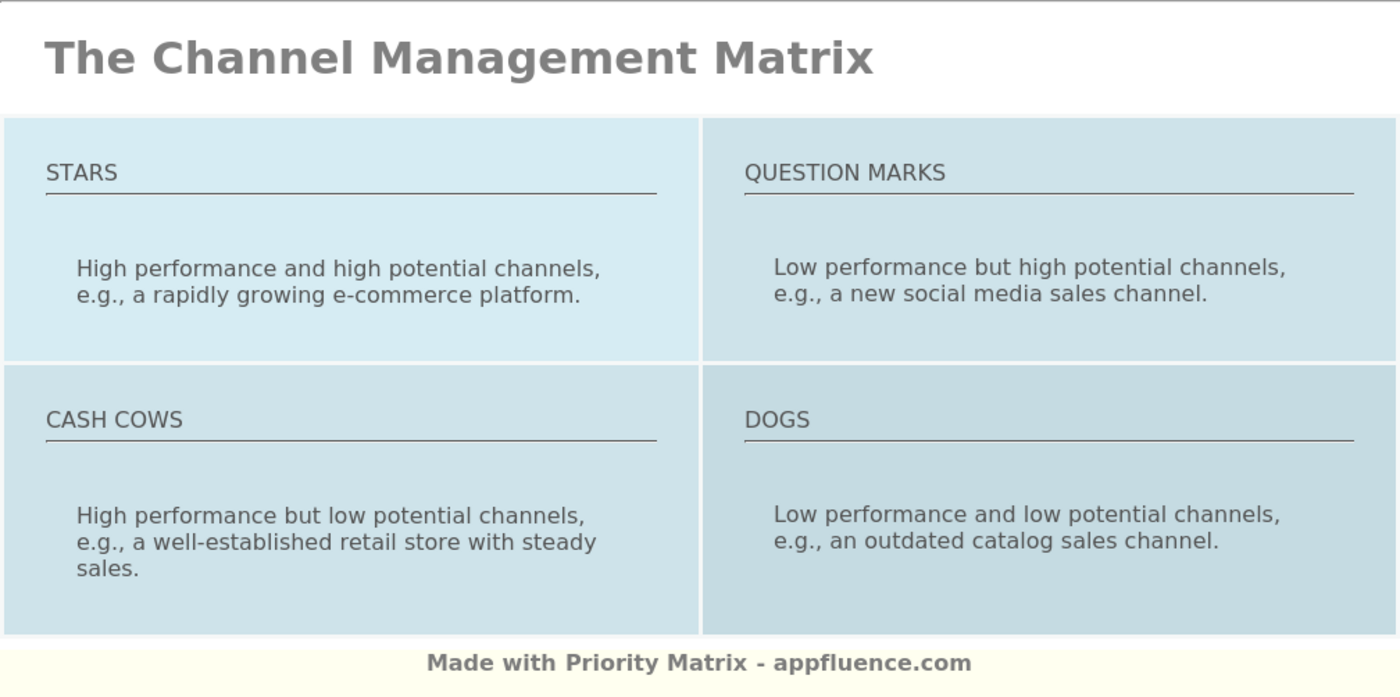
- Core Platforms: Focus your primary efforts on the 1-2 platforms where your target audience is most active and engaged. Deeply understand their specific content preferences on these platforms.
- Consistent, Valuable Content: Prioritize a steady stream of content that provides genuine value, answers questions, or entertains your audience. Consistency builds trust and keeps your brand top-of-mind.
- Engagement & Community Management: Dedicate time to actively engaging with your audience. Respond to comments, participate in relevant conversations, and foster a sense of community. This is where true loyalty is built.
- Leverage AI Tools Smartly: Use AI for content ideation, drafting initial captions, or scheduling, but always apply human oversight to ensure authenticity and brand voice. AI tools for social media content
Agile Testing and Iteration for Continuous Improvement
The core of agility is rapid learning. For social media, this means:
- Small, Frequent Experiments: Don’t overhaul your entire strategy at once. Test small changes: a different headline, a new visual style, a tweaked call-to-action.
- Measure and Learn: After each experiment, review the data. What worked? What didn’t? Why?
- Refine and Repeat: Apply your learnings to the next piece of content. This iterative process ensures you’re always optimizing based on real-world performance.
Practitioner Judgment: Don’t wait for perfect data or a grand strategy. The cost of inaction – losing relevance with your audience – is often higher than the cost of a small, failed experiment. Make informed guesses, test them quickly, and be prepared to pivot.
Connecting Social Engagement to Business Value
Ultimately, social media for an SMB needs to contribute to the bottom line. Ensure your engagement efforts are linked to measurable business outcomes:
- Track Website Traffic: Use Google Analytics to see how much traffic social media drives to your site and which platforms are most effective.
- Monitor Lead Generation: Are your social efforts contributing to sign-ups, inquiries, or direct messages that convert into leads?
- Attribute Sales: For e-commerce, track which social campaigns directly lead to purchases.
Social media isn’t just a branding play for SMBs; it’s a vital channel that, when managed strategically and agilely, can directly impact your revenue and growth.



Leave a Comment