


Social media platforms are no longer just places for casual scrolling; they’ve evolved into powerful search engines where users actively look for products, services, and information. For small to mid-sized businesses (SMBs), understanding and adapting to this shift is critical. This article will equip you with practical strategies to optimize your brand’s presence for social search, ensuring your content gets discovered by the right audience without draining your limited resources. You’ll learn what to prioritize, what to delay, and what to avoid to maximize your visibility and drive tangible business growth.
By focusing on these actionable insights, you can move beyond relying solely on algorithmic feeds and proactively position your brand to be found when potential customers are actively searching. This means more efficient marketing spend, better-qualified leads, and a stronger competitive edge in a crowded digital landscape.
The Evolving Landscape of Social Discovery
The way users discover content and brands on social media has fundamentally changed. What was once primarily a feed-driven experience, dictated by chronological posts or simple engagement metrics, is now heavily influenced by explicit search queries and sophisticated AI-driven recommendations. Users are increasingly turning to platforms like TikTok, Instagram, and even LinkedIn as their first stop for product research, local service discovery, and industry insights. This isn’t just about hashtags anymore; it’s about semantic understanding, content relevance, and user intent.
Algorithms are smarter, analyzing not just text but also visual elements, audio, and user behavior to connect searchers with the most relevant content. For SMBs, this means your content needs to be discoverable not just to your followers, but to anyone actively searching for what you offer, even if they’ve never heard of you before. Ignoring this shift means missing out on a significant pathway for brand discovery and customer acquisition.
Prioritizing Your Social Search Strategy
For SMBs with limited time and budget, a focused approach is essential. Here’s what to prioritize, what to delay, and what to avoid when optimizing for social search.
What to Do First:
- Audience-Centric Content & Keyword Integration: Start by understanding what your target audience searches for *on social platforms*. Use platform-specific insights, competitor analysis, and even simple keyword research tools to identify relevant terms. Naturally weave these keywords into your captions, video descriptions, and even spoken content (as platforms transcribe audio). Think about long-tail keywords that reflect specific user needs.
- High-Quality Visuals & Audio: Social search algorithms prioritize engaging content. High-quality images, well-produced videos, and clear audio are non-negotiable. These elements not only capture attention but also signal quality and relevance to the algorithms, improving your content’s discoverability.
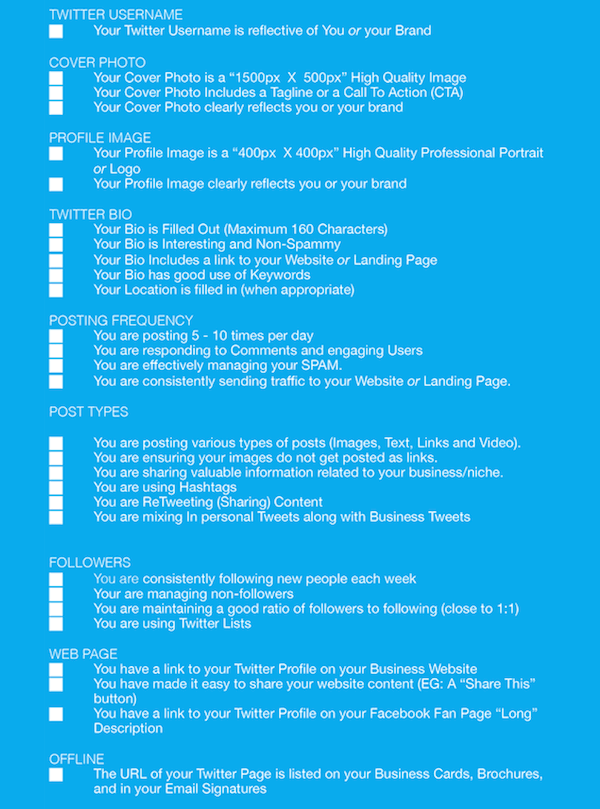
- Leverage Platform-Specific Features: Each platform offers unique features that enhance searchability. Utilize product tags on Instagram and Facebook, location tags for local businesses, topic tags on LinkedIn, and searchable audio on platforms like TikTok. Fully optimize your profile with keywords, a clear description, and relevant links.

Social media profile optimization checklist - Content Pillars for Search: Develop evergreen content themes that directly address common search queries in your niche. This provides a consistent stream of searchable content that remains relevant over time, reducing the need for constant trend chasing.
What to Delay:
While tempting, some activities can be resource-intensive with diminishing returns for SMBs focused on social search. Delaying these allows you to concentrate on more impactful efforts:
- Obsessive Trend Chasing: While timely trends can offer a temporary boost, constantly chasing every viral trend for search optimization can dilute your brand message and be a significant time sink. Prioritize evergreen, searchable content that aligns with your core offerings first. Once your foundational search strategy is solid, you can selectively engage with relevant trends.
- Complex AI-Powered Content Generation (without clear strategy): Don’t just generate content with AI for the sake of it. While AI tools can assist, ensure any AI-generated content aligns with your audience’s search intent, maintains brand voice, and meets quality standards. Without a clear strategy, it can lead to generic, unengaging content that performs poorly in search.
What to Avoid:
- Keyword Stuffing: This outdated tactic will hurt your visibility. Social algorithms are sophisticated; stuffing captions or descriptions with keywords looks spammy and can lead to penalties or reduced reach. Focus on natural language.
- Ignoring Platform Analytics: Don’t just post and hope. Neglecting platform analytics means you’re flying blind. Regularly check metrics like

Leave a Comment