

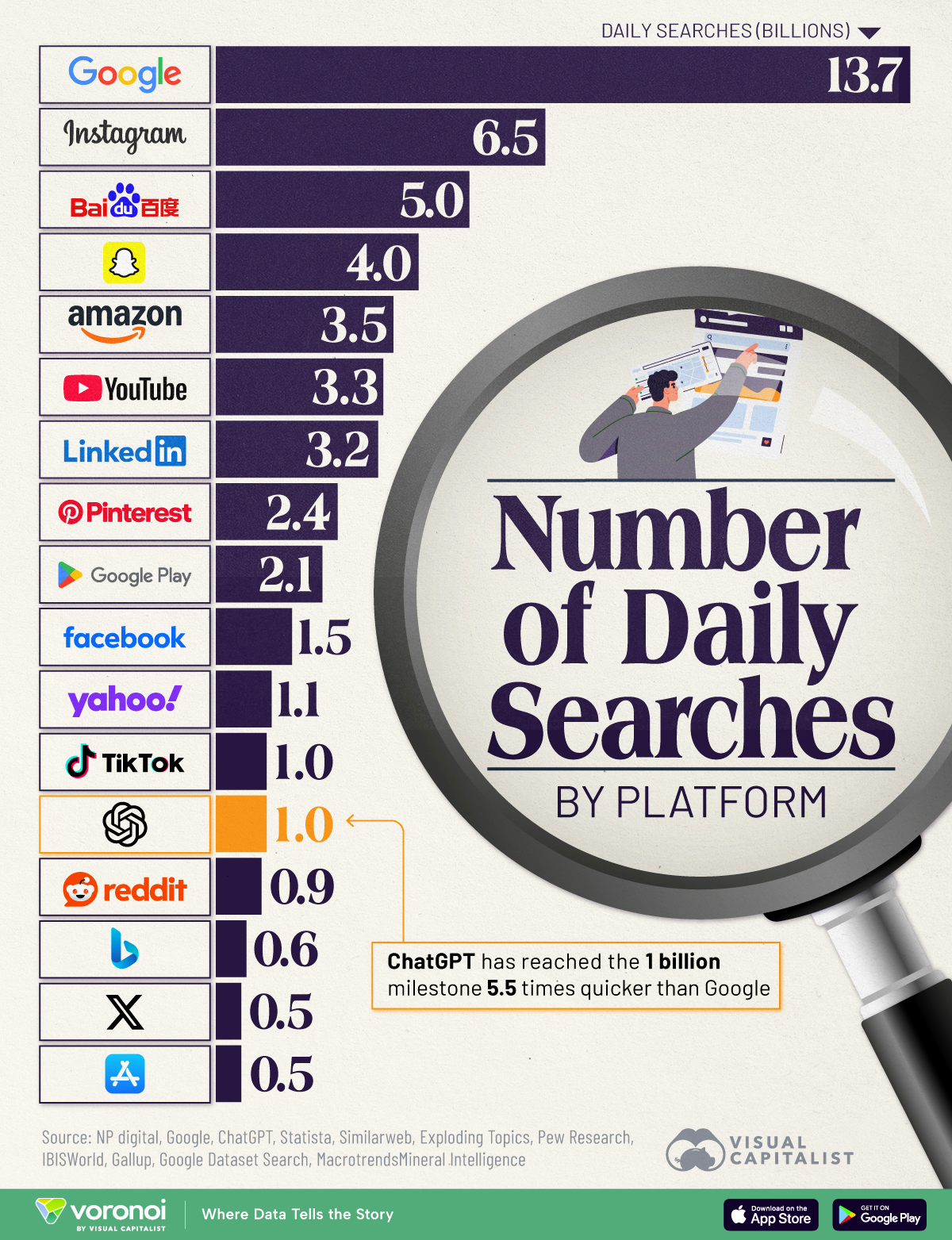
As search algorithms increasingly leverage AI, small and mid-sized businesses face a critical juncture in their SEO strategies. This guide cuts through the noise, offering actionable insights to help your team adapt, prioritize, and make smart trade-offs. You’ll learn where to focus your limited resources to maintain visibility, improve content relevance, and prepare for the next wave of search evolution, ensuring your efforts translate into tangible business growth.
The landscape is shifting rapidly, but the core principles of delivering value remain. Our focus here is on practical steps you can implement today, understanding that your team operates with real-world constraints, not unlimited budgets or perfect execution.
Understanding AI’s Impact on Search Today (February 2026)
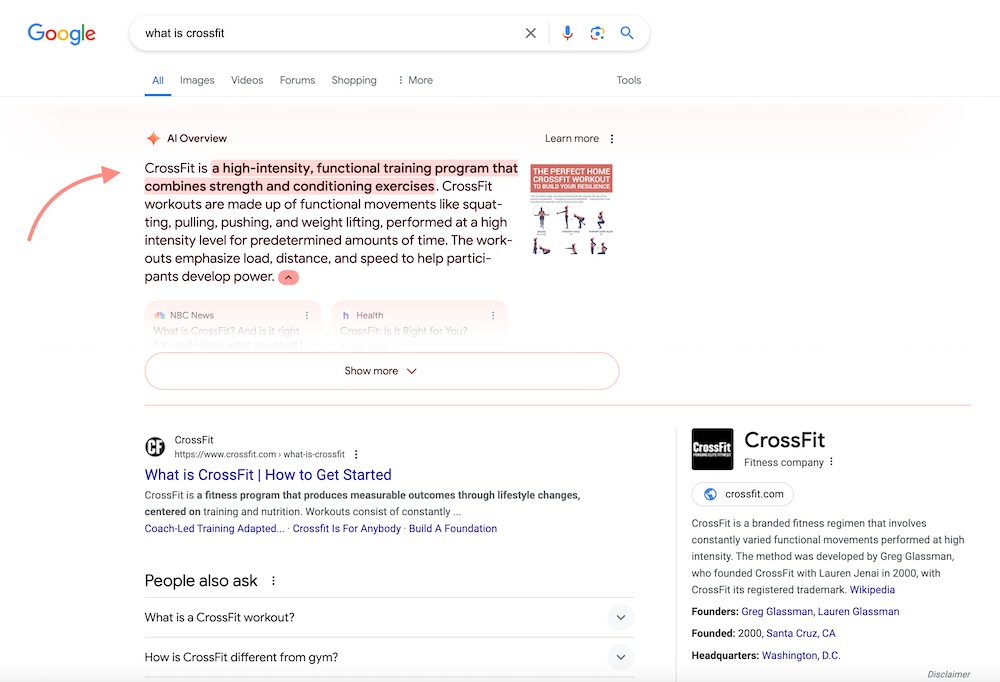
Currently, AI isn’t just a future trend; it’s actively reshaping how search engines interpret queries and rank content. We’re seeing advanced semantic understanding, where algorithms grasp the intent behind a search, not just the keywords. This means a user searching for “best coffee near me” isn’t just triggering results with those exact words, but rather local businesses with high ratings, relevant menus, and positive reviews, all interpreted through an AI lens. Generative AI features, often appearing as “AI Overviews” or similar summaries at the top of SERPs, are also becoming more common, directly answering user queries by synthesizing information from various sources.
For your business, this translates to a critical shift: moving beyond simple keyword matching to truly understanding and addressing user intent. The goal is to be the most relevant, authoritative, and helpful source for a given query, making your content a prime candidate for both traditional organic listings and AI-generated summaries.
Prioritizing Content Strategy for AI-Driven Search
Your content strategy needs to evolve beyond basic keyword targeting. Here’s where to focus your efforts:
- Deep, Authoritative Content: Prioritize creating comprehensive, well-researched content that fully answers user questions. Think long-form guides, detailed tutorials, and in-depth analyses. This signals expertise and trustworthiness to AI algorithms.
- Embrace E-E-A-T: Experience, Expertise, Authoritativeness, and Trustworthiness are paramount. Demonstrate real-world experience, cite credible sources, and ensure your content is accurate and verifiable. This is a non-negotiable for gaining visibility in AI-driven search. E-E-A-T guidelines
- Focus on User Intent Clusters: Instead of optimizing for single keywords, think about the broader intent behind a set of related queries. Create content that addresses all facets of that intent, building topical authority.
- Clarity and Conciseness: While depth is important, ensure your content is easy to read and understand. AI models are trained on vast datasets and reward clear, well-structured information that can be easily extracted and summarized.
What to deprioritize or skip today: Mass-producing low-quality, AI-generated content without significant human oversight and editing. While AI tools can assist with drafting, publishing unvetted AI output is a fast track to being flagged for low quality or unoriginality. Search engines are increasingly sophisticated at identifying and devaluing such content. Your limited resources are better spent on fewer, higher-quality pieces that truly demonstrate E-E-A-T.
While the focus on deep, authoritative content is critical, it introduces a significant, often overlooked, downstream cost: maintenance. Creating a comprehensive guide is one thing; keeping it accurate, current, and genuinely authoritative over time is another. Information evolves, data points shift, and even best practices are refined. Neglecting to regularly review and update these cornerstone pieces means they slowly degrade in value, eventually signaling a lack of current expertise rather than authority. This creates a hidden backlog and a constant decision pressure for small teams: do we invest limited resources in creating new content or in updating existing, high-value assets that are slowly becoming stale?
Similarly, embracing E-E-A-T is non-negotiable, but the practicalities for small teams are often underestimated. The ‘Experience’ and ‘Expertise’ components frequently reside within a few key individuals who are already stretched thin. Extracting that deep, nuanced knowledge, structuring it into verifiable content, and presenting it in a way that truly demonstrates authority is a monumental task. It’s not just about citing sources; it’s about articulating real-world application and insights, which demands significant time from the very people who have the least to spare. This can lead to content that, while technically accurate, lacks the authentic voice and depth of practical experience, making it harder to truly stand out against larger, better-resourced competitors.
The shift to user intent clusters, while theoretically sound, also presents a common failure mode in practice. Teams can easily fall into the trap of over-segmenting or creating too many narrowly focused pieces, believing they are covering every facet of an intent. Instead of building cohesive topical authority, this often results in a fragmented content library. Such fragmentation can dilute internal linking opportunities, confuse users navigating the site, and ultimately make it harder for AI to understand the overarching expertise. The goal is a well-integrated web of content that reinforces a central theme, not just a collection of related articles, and achieving that integration requires a strategic oversight that many operational teams struggle to maintain amidst daily content demands.
Technical SEO Adjustments for AI Algorithms
While content quality takes center stage, technical SEO remains the foundation. AI algorithms still need to efficiently crawl, index, and understand your site.
- Structured Data Implementation: This is more critical than ever. Use schema markup (e.g., FAQPage, HowTo, Product, Article) to explicitly tell search engines what your content is about. This helps AI understand context and can lead to rich snippets or direct answers in SERPs.
- Core Web Vitals: User experience signals like page load speed, interactivity, and visual stability remain crucial. AI algorithms factor these into ranking, as they directly impact how users engage with your site. Core Web Vitals
- Mobile-First Indexing: Ensure your site is fully optimized for mobile devices. This isn’t new, but its importance is amplified as AI prioritizes user experience across all devices.
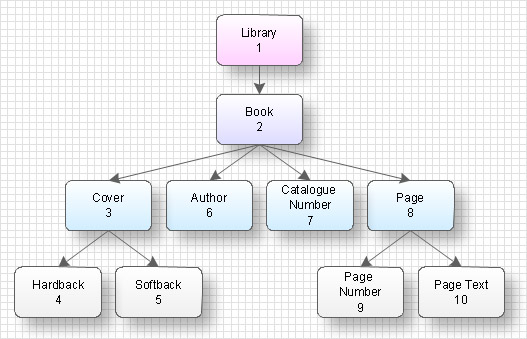
- Logical Site Architecture and Internal Linking: A clear, hierarchical site structure with strong internal linking helps AI bots understand the relationships between your content pieces and identify your most important pages.
While structured data is non-negotiable, the practical reality of its implementation often gets overlooked. It’s not a set-it-and-forget-it task. Content changes, new product lines, or even minor site updates can easily break existing schema or render it inaccurate. The hidden cost here is the ongoing validation and maintenance. Without a consistent process to audit and update your markup, you risk feeding search engines outdated or incorrect information, which at best dilutes its benefit and at worst can lead to misinterpretation or even manual actions if misused.
The downstream effects of neglecting Core Web Vitals extend beyond direct ranking signals. A slow or janky user experience creates a negative feedback loop. Users bounce faster, spend less time on site, and are less likely to convert. This isn’t just a technical problem; it’s a direct hit to your marketing and sales funnel. For teams, this often manifests as frustration: excellent content or compelling offers underperforming because the underlying site infrastructure sabotages user engagement before it even begins. It’s a foundational issue that can silently undermine all other efforts.
Building a truly logical site architecture and robust internal linking scheme is often more challenging in practice than in theory, especially for businesses with years of accumulated content. The non-obvious failure mode here isn’t just that bots struggle to crawl, but that your site fails to establish clear topical authority in the eyes of AI. Orphaned pages and inconsistent linking prevent search engines from fully grasping the depth and breadth of your expertise on a given subject. For many teams, a complete site re-architecture is a daunting, resource-intensive project that often gets pushed down the priority list. Instead of aiming for theoretical perfection, prioritize identifying your core pillar content and ensuring strong, relevant internal links to supporting articles. This pragmatic approach provides immediate clarity to search engines on your most important topics without requiring an overwhelming, all-at-once overhaul that most small teams can’t sustain.
Adapting to Generative AI in SERPs
With the rise of features like “AI Overviews,” your goal is to be the authoritative source that these generative models pull from. This requires a slightly different approach:
- Direct Answers: Structure your content to provide clear, concise answers to common questions early in your articles. Use headings and bullet points to make information easily digestible.
- Fact-Based Authority: Ensure all claims are backed by data, expert opinion, or verifiable sources. Generative AI prioritizes accuracy and trustworthiness.
- Unique Insights: Offer perspectives or data that isn’t widely available elsewhere. This makes your content stand out as a valuable source for AI models.
Avoid trying to game these systems with overly simplistic or repetitive content. The AI is designed to synthesize, not just regurgitate. Focus on providing genuine value that a human would appreciate, and the AI will follow.
The Role of AI Tools in Your SEO Workflow
AI tools are powerful accelerators, not magic bullets. For small to mid-sized teams, they can significantly enhance efficiency when used strategically:
- Keyword and Topic Research: Use AI tools to identify semantic clusters, long-tail variations, and emerging topics that human analysis might miss. They can help you understand the nuances of user intent.
- Content Ideation and Outlining: AI can generate outlines, suggest subtopics, and even draft initial paragraphs. This speeds up the content creation process, but always requires human refinement for accuracy, tone, and E-E-A-T.
- Competitive Analysis: AI-powered tools can quickly analyze competitor content, identify gaps in their strategy, and suggest opportunities for your own.
- Technical SEO Audits: Some AI tools can rapidly scan your site for technical issues, flagging problems that might otherwise take hours to uncover.
When it comes to AI tools, deprioritize investing in overly complex or expensive enterprise-level solutions if your team isn’t yet proficient with basic SEO principles or if your budget is tight. Start with accessible, user-friendly tools that offer clear value for specific tasks, and integrate them incrementally. The biggest gains come from smart application, not just tool acquisition.
Measuring Success in an Evolving Landscape
Traditional ranking metrics still matter, but they tell only part of the story. Your measurement strategy must adapt:
- Focus on Traffic Quality: Beyond raw traffic numbers, analyze engagement metrics like time on page, bounce rate, and pages per session. Are users finding what they need and staying on your site?
- Conversion Metrics: Ultimately, SEO should drive business goals. Track leads, sales, sign-ups, or whatever constitutes a conversion for your business.
- Visibility in AI-Driven Features: Monitor your presence in “AI Overviews” or similar generative answers. Tools like Google Search Console can provide some insights into these new SERP features.
- Topical Authority Growth: Look for improvements in your overall topical authority, not just individual keyword rankings. Are you becoming the go-to source for specific subjects?
Don’t get fixated on daily ranking fluctuations for individual keywords. Instead, focus on long-term trends and the overall impact of your SEO efforts on your business objectives. The goal isn’t just to rank, but to genuinely serve your audience and grow your business.



Leave a Comment