

Why Transparency Isn’t Optional Anymore
For small to mid-sized businesses, building genuine trust isn’t just a nice-to-have; it’s a foundational strategy for long-term survival and growth. In today’s market, customers are savvier and more skeptical than ever. They expect honesty, and they have the tools to verify claims. Transparent marketing isn’t about revealing every internal detail, but about consistently demonstrating integrity in your customer interactions, product claims, and business practices.
This approach directly translates into stronger customer loyalty, reduced churn, and a more resilient brand reputation. It helps you stand out in crowded markets, not by shouting louder, but by being more reliable and authentic. For teams with limited resources, this means focusing efforts where transparency genuinely impacts customer perception and decision-making.
Prioritizing Transparency: Where to Start for SMBs
When resources are tight, you can’t tackle every aspect of transparency at once. The key is to prioritize what directly impacts customer trust and purchasing decisions. Start with the basics that build a solid foundation, then expand as your capacity allows.
Clear Product/Service Communication: This is non-negotiable. Ensure your website, marketing materials, and sales team provide accurate, unambiguous descriptions of what you offer. Be upfront about features, limitations, pricing, and any potential extra costs. No hidden fees, no vague promises. This includes realistic expectations for delivery times or service outcomes.

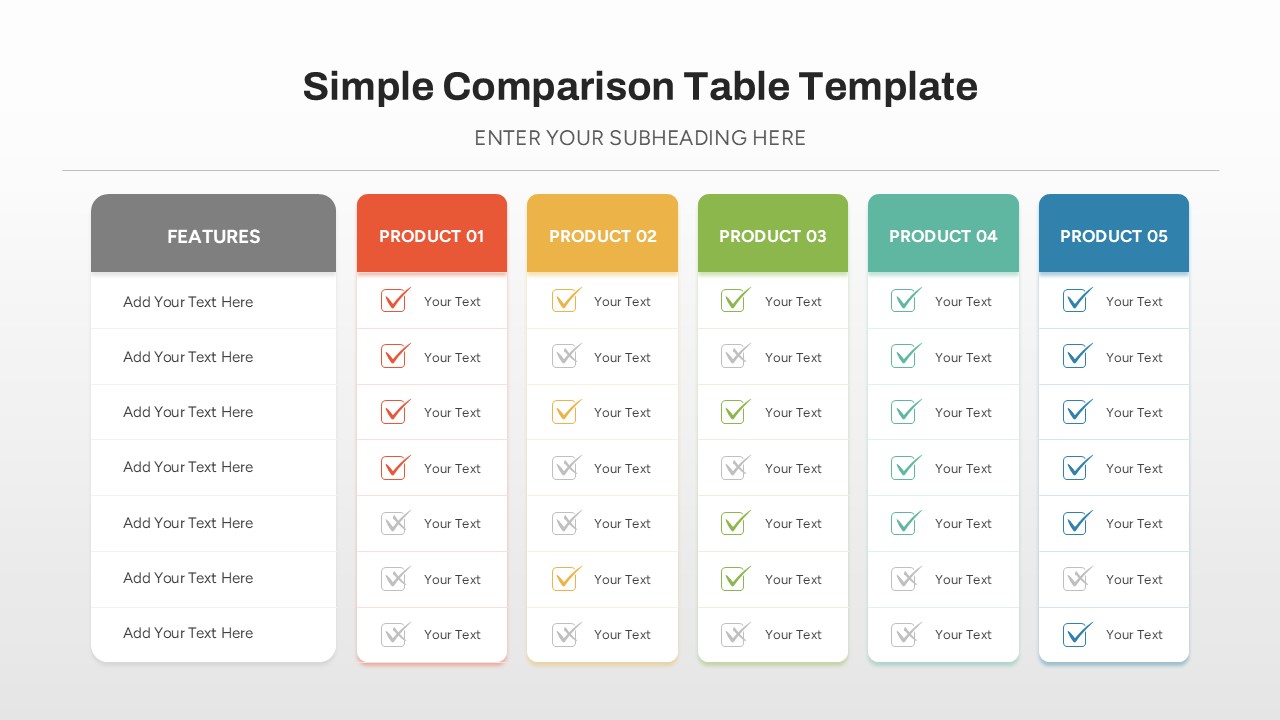
Product feature comparison table Authentic Customer Service: When issues arise, transparency means owning mistakes, communicating clearly about resolutions, and setting realistic expectations. Train your team to be honest, even when the news isn’t ideal. Acknowledge feedback, both positive and negative, and respond thoughtfully. This builds immense goodwill.
Privacy Policy & Data Handling: Don’t just link to a generic legal document. Ensure your privacy policy is easy to find and understand. Clearly explain what data you collect, why you collect it, and how you use it. For SMBs, this often means simplifying the language and highlighting key points that matter to customers. privacy policy best practices
What to Deprioritize or Skip Today
While full transparency might sound appealing in theory, for small to mid-sized businesses, attempting to be transparent about *everything* can be a drain on resources and even counterproductive. You should deprioritize or skip efforts like sharing internal financial reports, detailed employee salary structures, or every single operational challenge. These often don’t directly impact customer trust in your product or service, and the effort required to manage and explain such information can divert focus from core business activities. Instead, concentrate on customer-facing transparency that directly influences their purchasing decisions and ongoing loyalty. Avoid oversharing that creates more questions than answers or exposes vulnerabilities without clear, direct customer benefit.
While the initial push for clear product communication is critical, an easy oversight is mistaking partial clarity for full transparency. It’s not enough to simply list features; omitting known limitations, specific use-case constraints, or the true complexity of integration can lead to significant customer frustration down the line. What seems like a minor omission to simplify the sales process often translates into increased support tickets, negative reviews, and ultimately, higher churn rates. The immediate relief of a quicker sale is quickly overshadowed by the hidden cost of managing disillusioned customers who feel misled, even if unintentionally.
Another common pitfall lies in the execution of authentic customer service. The intent to be transparent often collides with the human desire to reassure an upset customer. This can manifest as over-promising resolution timelines or outcomes that the team lacks the immediate capacity to deliver. While the initial impulse is to calm the situation, failing to meet these transparently communicated expectations erodes trust far more deeply than an honest, albeit less optimistic, assessment would have. Teams under pressure might inadvertently set themselves up for failure, turning a moment for building goodwill into a source of deeper resentment.
Finally, transparency isn’t a static state; it’s an ongoing operational commitment. What’s often overlooked in the initial setup phase is the continuous effort required to keep all customer-facing information current. As products evolve, pricing structures change, or privacy regulations shift, every piece of transparent communication—from website copy to terms of service—needs review and update. For lean SMB teams, this maintenance often gets deprioritized amidst daily demands. The delayed consequence is that outdated information, once a beacon of clarity, slowly transforms into a source of confusion and distrust, effectively undermining the very foundation of transparency you worked to build.
Key Transparent Marketing Tactics That Work
Once you have the foundational elements in place, these tactics can amplify your transparency efforts without requiring massive budgets.
Honest Reviews & Testimonials: Actively solicit reviews and display them prominently, even the less-than-perfect ones. Respond to all feedback professionally. Showing a balanced view, along with your commitment to improvement, builds more trust than a curated list of only five-star reviews.
Behind-the-Scenes Content (Curated): Share glimpses into your company culture, your production process, or the people behind your brand. This humanizes your business. It’s not about full disclosure, but about sharing authentic, relevant stories that reinforce your values and commitment to quality. Think short videos or blog posts, not documentaries.
Clear Value Proposition & Pricing: Reiterate your core value proposition clearly and consistently. Ensure your pricing structure is easy to understand and free of surprises. If you have different tiers or add-ons, explain them simply. This prevents buyer’s remorse and builds confidence.
Ethical Sourcing & Practices (If Applicable): If ethical sourcing, sustainability, or fair labor practices are core to your brand, communicate these efforts clearly. Provide verifiable information without making unsubstantiated claims. This resonates deeply with a segment of customers and reinforces your brand’s integrity. ethical marketing strategies
Proactive Communication During Issues: When a product recall, service outage, or significant operational challenge occurs, communicate proactively and honestly. Explain what happened, what you’re doing to fix it, and what customers can expect. This demonstrates accountability and can turn a negative experience into a trust-building opportunity.
What’s often overlooked is the potential for “transparency fatigue,” both internally and externally. While sharing glimpses behind the curtain is valuable, there’s a fine line between authentic insight and simply adding noise. Teams can feel pressured to constantly generate “behind-the-scenes” content, for instance, without a clear strategic tie-in, leading to a drain on resources and diluted impact. The goal isn’t to disclose everything, but to strategically reveal what genuinely builds trust and reinforces your brand narrative, avoiding the trap of over-sharing for its own sake.
Furthermore, the commitment implied by “Honest Reviews & Testimonials” carries a significant downstream responsibility. Responding professionally to all feedback is critical, but if negative patterns emerge and the underlying issues are not genuinely addressed and improved upon, the initial transparency can become a liability. Customers are savvy; they’ll notice if the same complaints reappear over time, leading to a deeper cynicism than if you had never engaged at all. The hidden cost here is the erosion of trust that’s far harder to rebuild once your transparency is perceived as performative rather than a genuine commitment to improvement.
Finally, while “Clear Value Proposition & Pricing” is a cornerstone, maintaining true simplicity in practice is a constant battle. As businesses evolve, adding new features, services, or pricing models, the pressure to optimize for sales or product complexity can inadvertently undermine pricing clarity. What seems straightforward internally might still be confusing to a new customer. The ongoing effort required to keep pricing genuinely transparent and easy to understand, despite internal pressures and product evolution, is often underestimated and can lead to internal friction between departments trying to balance growth with clarity.
Measuring Trust and Iterating Your Approach
Transparency isn’t a one-time setup; it’s an ongoing commitment. To ensure your efforts are effective, you need to measure their impact and be prepared to adjust. For SMBs, this doesn’t require complex analytics platforms.
Customer Feedback: Regularly collect feedback through simple surveys, direct conversations, and social media listening. Pay attention to sentiment around honesty, reliability, and clarity.
Review Sentiment: Monitor the themes in your online reviews. Are customers mentioning trust, transparency, or honesty? Are they complaining about hidden costs or unmet expectations?
Repeat Purchases & Referrals: These are strong indicators of trust. Loyal customers who repeatedly choose your brand and recommend you to others are a testament to your transparent practices.
Use these insights to refine your communication, improve your processes, and further embed transparency into your marketing and operations. It’s an iterative process that, over time, solidifies your brand’s reputation as one customers can truly rely on.



Leave a Comment