

Leveraging AI for audience insights on social media isn’t about chasing the latest tech trend; it’s about making smarter, more efficient marketing decisions with the resources you have. For small to mid-sized businesses, this means moving beyond basic demographics to truly understand what drives engagement, what content resonates, and where to focus your limited time and budget.
This article cuts through the noise to show you how to practically apply AI-driven insights to your social media strategy right now. You’ll learn to prioritize tools, identify actionable data, and make trade-offs that lead to tangible improvements in your social media engagement and ultimately, your business growth.
Why AI-Driven Insights Matter for SMBs Now
The social media landscape is more competitive and data-rich than ever. Relying solely on intuition or basic analytics leaves significant opportunities on the table. For SMBs, AI isn’t about replacing your marketing team; it’s about augmenting their capabilities, allowing them to extract deeper meaning from vast amounts of social data without needing a dedicated data science department.
AI tools can quickly analyze sentiment, identify emerging trends, pinpoint optimal posting times, and even segment your audience in ways that manual analysis simply can’t match for speed or scale. This translates directly into more relevant content, better targeting, and a higher return on your social media efforts.
Prioritizing Your AI Insight Tools and Data Sources
Navigating the AI tool landscape can feel overwhelming, especially with budget and headcount constraints. The key is to start smart, not big.
- What to do first: Begin with the analytics tools built directly into your primary social media platforms (Meta Business Suite, LinkedIn Analytics, TikTok Analytics, X Analytics). These platforms are continuously integrating more AI-powered insights, offering valuable data on audience demographics, content performance, and engagement patterns. Supplement this with simple, accessible AI features for text analysis, such as those found in many CRM platforms or even basic online sentiment analysis tools for monitoring comments and reviews. Focus on extracting actionable insights from data you already own or can easily access.
- What to delay: Hold off on investing in expensive, complex third-party AI analytics platforms that promise comprehensive solutions. These often require significant integration effort, specialized training, and a larger data volume than most SMBs possess to deliver their full value. Their advanced features might be overkill for your immediate needs and divert resources from more impactful activities.
- What to avoid: Steer clear of generic AI content generation tools that operate without specific audience insight input. While they can produce text quickly, content not informed by deep audience understanding often falls flat. Also, be wary of tools that make grand promises without transparent methodologies or clear data sources; they can lead to wasted investment and misleading insights.
For most small to mid-sized businesses today, investing in enterprise-level AI analytics suites is a mistake. The cost, complexity, and data integration demands often outweigh the marginal benefit over leveraging existing platform tools and more accessible AI features. Your priority should be extracting maximum value from what you already have or can easily access, rather than chasing the most advanced, and often least practical, solutions.
However, the decision to delay complex tools isn’t just about avoiding upfront costs. Premature investment often triggers a cascade of hidden expenses and operational drag. Beyond the license fee, there’s the significant internal resource drain required for data integration, ongoing maintenance, and the steep learning curve for your team. This isn’t just about training hours; it’s about diverting precious headcount from direct marketing execution to tool administration and troubleshooting. The result is often a sophisticated platform that becomes shelfware, generating minimal tangible value while consuming budget and eroding team confidence in future technology investments.
Even when sticking to simpler, built-in analytics, a common pitfall is mistaking data availability for actionable insight. These platforms can generate a deluge of metrics, and without a clear framework for interpretation or specific questions to answer, teams can quickly become overwhelmed. The human element of sifting through reports, identifying patterns, and translating them into strategic adjustments is often underestimated. This can lead to analysis paralysis, where the sheer volume of information creates decision pressure without providing clear direction, ultimately slowing down rather than accelerating marketing efforts.
Furthermore, an ‘insight’ is only truly valuable if your team has the capacity and capability to act on it. A small marketing team, already stretched thin, might uncover a nuanced audience segment or a complex content gap through AI-powered analytics. However, if implementing a new strategy to address these insights requires significant additional resources, specialized skills, or a complete overhaul of existing processes, the insight effectively becomes unactionable. This creates a frustrating cycle where valuable data is identified but cannot be leveraged, leading to a sense of wasted effort and underutilization of even the most accessible tools.
Practical Applications: Turning Insights into Engagement
Once you start gathering AI-driven insights, the next step is to translate them into concrete actions that boost engagement.
- Content Personalization: AI can identify which content formats (video, image, text), topics, and tones resonate with specific audience segments. For example, if AI reveals that your younger audience on TikTok responds best to short, humorous videos about product hacks, while your LinkedIn audience prefers in-depth articles on industry trends, you can tailor your content accordingly.
- Optimal Posting Times: Beyond general peak hours, AI can analyze your historical data to predict the precise times when your unique audience segments are most active and receptive to your content, leading to higher visibility and engagement.
- Audience Segmentation Refinement: AI can uncover subtle sub-segments within your broader audience based on their interaction patterns, interests, and even language nuances. This allows for hyper-targeted campaigns that feel more personal and relevant.
- Sentiment Analysis for Customer Service & Content Ideas: AI tools can quickly process thousands of comments, reviews, and direct messages to gauge overall sentiment, identify common pain points, frequently asked questions, or even emerging product ideas. This directly informs both your customer service responses and your future content strategy.
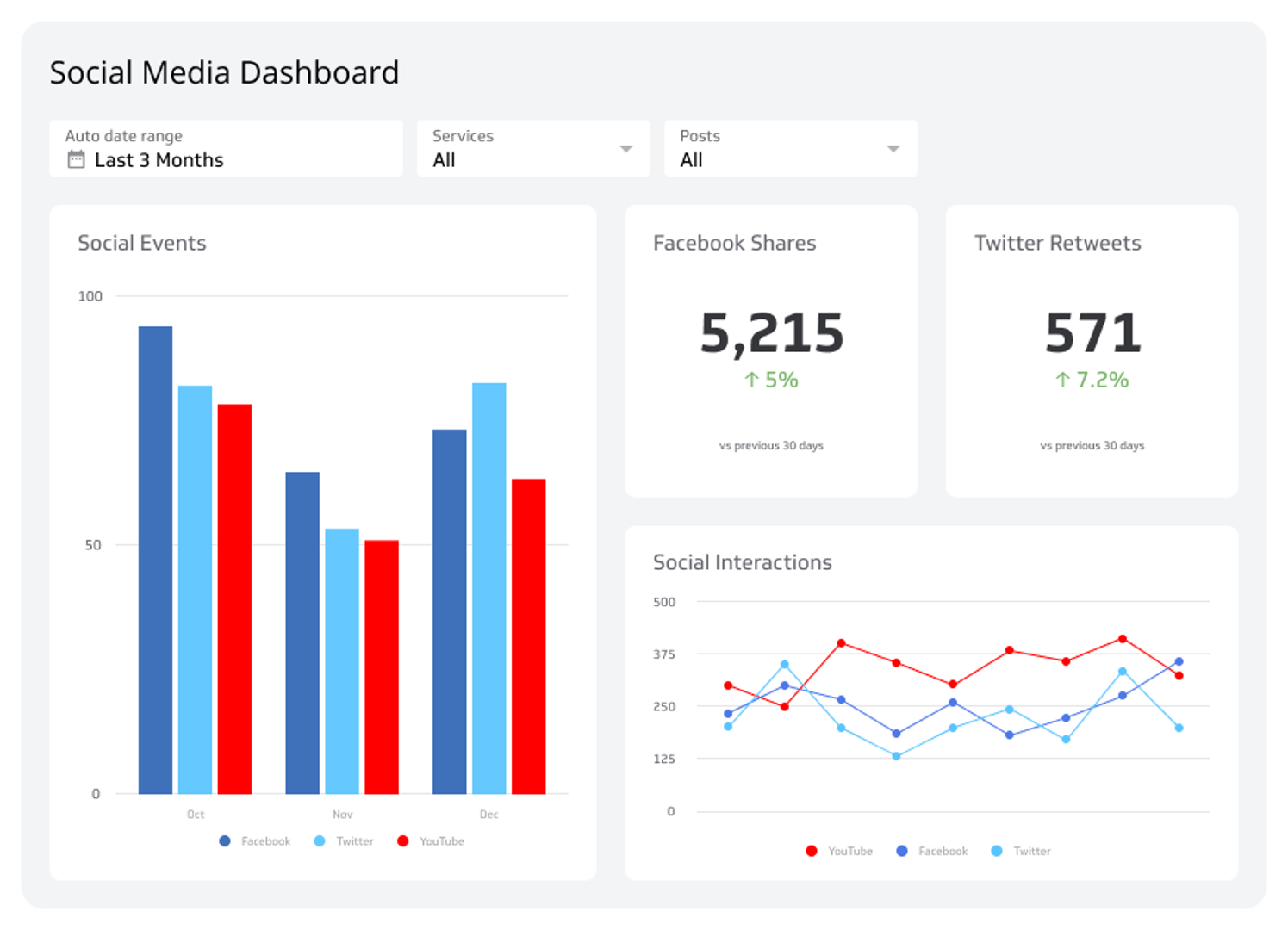
What often gets overlooked, however, is the operational burden these insights place on lean teams. AI can identify a dozen micro-segments and suggest hyper-personalized content for each, but a small marketing team with limited headcount simply cannot execute on that level of granularity. The theoretical ideal of perfect personalization quickly collides with the practical reality of finite resources, forcing difficult trade-offs. Deciding which 2-3 segments to prioritize and which insights to defer becomes a critical, often frustrating, decision point, rather than a straightforward implementation.
Similarly, while AI pinpoints optimal posting times, relying solely on these can lead to a reactive content strategy. If every competitor also chases the ‘optimal’ window, the feed becomes saturated, diminishing the impact of any single post. The second-order effect here is a potential race to the bottom, where content visibility becomes a function of algorithmic timing rather than strategic differentiation or truly compelling value. It also doesn’t account for the *quality* of engagement; being seen doesn’t automatically mean being absorbed or acted upon.
Finally, sentiment analysis, while powerful for identifying trends, is a diagnostic, not a prescriptive tool. It tells you *what* people are feeling, but not always *why* or *how* to respond effectively. Nuance, sarcasm, or deeply embedded cultural contexts can still elude even advanced AI, requiring human judgment to interpret accurately. Acting on raw sentiment data without this human layer can lead to missteps, especially in customer service, where a templated AI-driven response might further alienate a frustrated customer rather than de-escalate the situation.
Implementing AI Insights with Limited Resources
Success with AI insights doesn’t require a massive overhaul; it requires a focused, iterative approach.
- Start Small: Pick one social media platform or one specific marketing goal (e.g., increasing engagement on Instagram Reels, improving click-through rates on LinkedIn posts). Focus your AI insight efforts there first.
- Leverage Built-in AI: Many social media platforms are rapidly integrating more sophisticated AI features into their native analytics. Explore these first before looking externally. For instance, Meta’s tools offer increasingly granular audience insights and content performance predictions.
- Simple AI Tools: Don’t overlook affordable or even free AI tools for specific tasks. Tools for basic text summarization, keyword trend analysis, or even AI-powered copywriting assistants can be invaluable when informed by your audience insights.
- Iterate and Learn: Treat your AI insight strategy as an ongoing experiment. Formulate hypotheses based on insights, test them with new content or targeting, analyze the results, and refine your approach. This continuous feedback loop is where the real value lies.
The Practitioner’s Edge: Making Smart Trade-offs
AI is a powerful tool, but it’s not a magic bullet. For practitioners, the real skill lies in interpreting the insights and making informed judgment calls, especially when resources are tight. Don’t chase every data point; prioritize insights that directly inform a clear, actionable change in your strategy or content. If an insight doesn’t lead to a tangible decision or improvement, it’s likely a distraction.
Your goal isn’t perfect data or a fully automated system; it’s about making better, more impactful decisions with the information available. Focus on the insights that help you understand your audience more deeply, allowing you to create more resonant content and build stronger connections, even with operational limitations. This pragmatic approach ensures AI genuinely fuels your business growth, rather than becoming another unfulfilled tech investment.

Leave a Comment