

Why Authority Matters More Than Ever
In today’s competitive digital landscape, simply ranking for keywords isn’t enough. Search engines, and more importantly, users, are increasingly prioritizing trustworthy and authoritative sources. For small to mid-sized businesses, this means moving beyond basic SEO tactics to actively build digital authority. Doing so positions your brand as a reliable expert, leading to higher rankings, more qualified traffic, and ultimately, better business outcomes.
This isn’t about chasing every algorithm update; it’s about establishing a genuine foundation of trust that resonates with both search engines and your target audience. With limited budgets and headcount, your focus must be on strategic efforts that yield the greatest impact on your perceived authority.
Foundational Trust Signals: Get These Right First
Before you can build authority, you must establish a baseline of trustworthiness. These are non-negotiable elements that signal reliability to both users and search engines. Neglecting them undermines all other efforts.
- Content Quality and Depth: This is paramount. Your content must be original, accurate, and genuinely helpful. It should thoroughly answer user questions and demonstrate a deep understanding of the topic. Shallow, rehashed content actively harms your authority.
- Technical Health and Security: A fast, mobile-friendly, and secure website (HTTPS) is a fundamental trust signal. Users expect a smooth, safe experience. If your site is slow or insecure, it erodes trust immediately.
- Clear Contact and About Us Information: Transparency is key. Make it easy for users to understand who you are, what you do, and how to contact you. A detailed ‘About Us’ page that highlights your team’s expertise and values builds credibility.
Prioritization: Start with content quality and technical basics. Ensure your core service/product pages and key informational content are top-notch. Address any major site speed issues or mobile usability problems immediately. These are foundational.
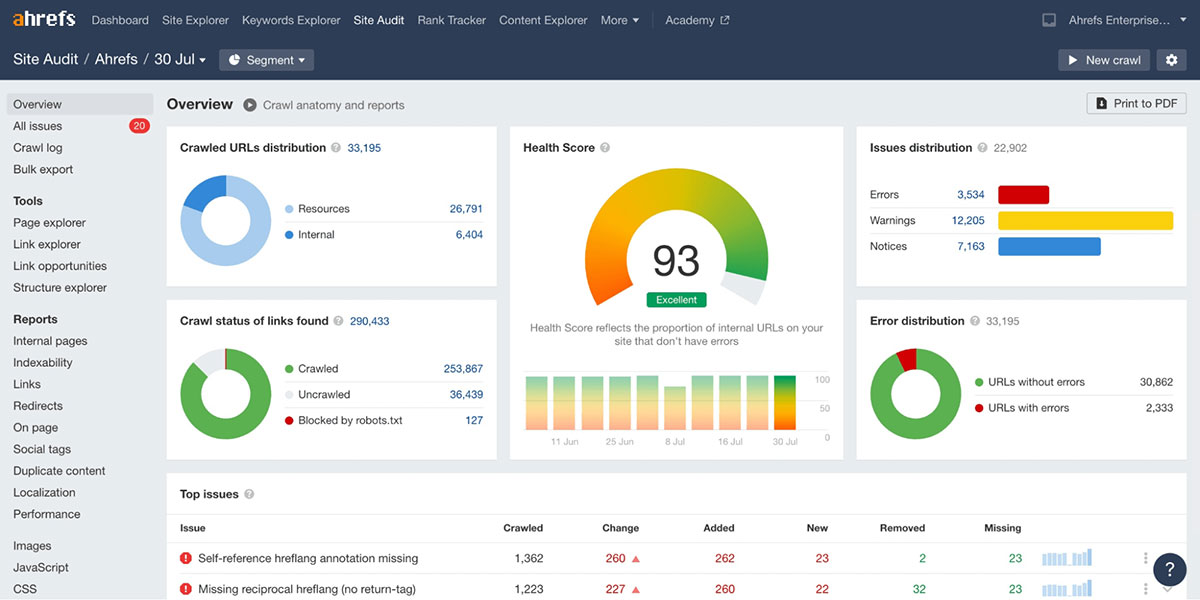
What to Delay or Skip: Don’t get bogged down in chasing every minor technical SEO optimization if your site is already performing adequately for users. For instance, obsessing over a few milliseconds in page load time when your site is already under two seconds can be a distraction. Focus on the significant user experience improvements first, rather than marginal gains that won’t move the needle for your audience or search engines.
What often gets overlooked is the cumulative impact of seemingly minor deficiencies. While it’s wise to avoid obsessing over single milliseconds, a collection of small issues – an ‘About Us’ page that hasn’t been updated in two years, a few internal links that lead to 404s, a slightly inconsistent content tone across different sections, or a contact form that occasionally glitches – can collectively signal neglect. No single item is a deal-breaker, but together, they create a subtle, pervasive sense that the business isn’t meticulously managed. This slow erosion of perceived quality makes it harder for users to commit, leading to higher bounce rates and lower engagement, which search engines eventually interpret as a lack of authority.
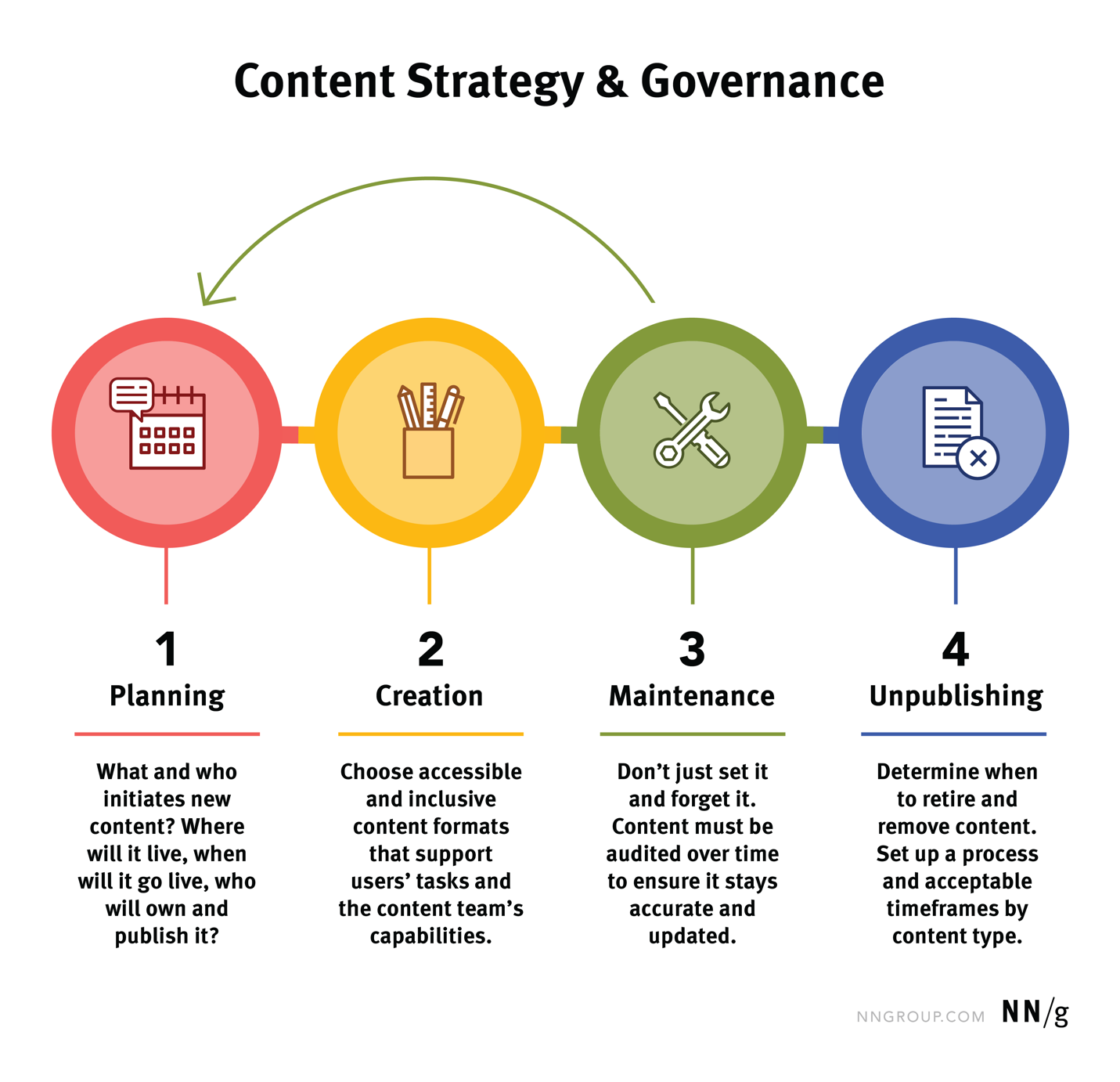
Another common pitfall is the ‘set it and forget it’ mentality, particularly with elements like ‘About Us’ pages or technical health. Teams often make a strong initial effort to get these foundational pieces in place, only to deprioritize their ongoing maintenance. Business models evolve, team members change, and contact methods shift, yet the website content remains static. This creates a disconnect between the current reality of the business and what’s presented online, turning a once-strong trust signal into an outdated liability. The pressure to move onto ‘growth’ initiatives often overshadows the critical, but less glamorous, work of maintaining foundational integrity, leading to technical and content debt that silently undermines future efforts.
Earning Authority Through Content and Expertise
Once the foundations are solid, you can actively demonstrate your expertise and build authority through your content strategy.
- Demonstrate Genuine Expertise: Write about what you know best. Share unique insights, practical tips, and real-world experiences from your business. This isn’t about regurgitating common knowledge; it’s about adding your distinct perspective.
- Original Research or Data: Even small-scale surveys, internal data analysis, or unique case studies can differentiate your content. This establishes you as a source of new information, not just a curator.
- Thought Leadership: Don’t just report facts; offer an opinion, a solution, or a new way of looking at a problem within your niche. This positions you as a leader, not just a participant.
- Evergreen Content Focus: Prioritize creating in-depth, evergreen content that addresses core customer problems and remains relevant over time. This content will continue to attract and build authority long after publication.
Prioritization: Focus on deep dives into your core niche topics. Identify the top 5-10 questions your customers frequently ask and create the definitive answers on your site.
What to Delay or Skip: Avoid producing shallow content simply to hit a publishing quota or chase every trending keyword. This dilutes your authority and wastes limited resources. A few pieces of truly authoritative content are far more valuable than dozens of mediocre ones.
What often gets overlooked is the ongoing commitment required to sustain that authority. Creating definitive answers isn’t a one-time project; it’s a promise. Once you’ve established yourself as a go-to source, the expectation shifts. If those foundational pieces become outdated, inaccurate, or simply unrefreshed, they don’t just become less effective; they actively erode the trust you worked hard to build. This maintenance burden, often underestimated by lean teams, is a critical second-order effect that can turn an asset into a liability if neglected.
Furthermore, the practical challenge of extracting genuine expertise from within the business can be significant. It’s easy to advise “share unique insights,” but getting busy subject matter experts to articulate their tacit knowledge, or overcoming internal reluctance to share what feels like proprietary information, requires more than just a content brief. This often demands a dedicated internal process, clear incentives, and a cultural shift to prioritize knowledge sharing, which can be a slow and frustrating endeavor for teams already stretched thin.
Finally, the long-term play of building authority through evergreen content often clashes with the immediate pressures of marketing. While the strategic value of deep, authoritative content is clear, teams frequently face demands for quick wins, immediate lead generation, or rapid SEO gains. This short-term pressure can lead to a tactical drift, where resources are diverted to chasing trending keywords or producing shallower content, even when practitioners know it undermines the very authority they are trying to build. Balancing these competing demands requires strong internal conviction and a willingness to defend the long-term strategy against short-term temptations.
Building Trust Through External Signals
Your authority isn’t solely determined by what’s on your site; how others perceive and reference you also plays a critical role.
- Quality Backlinks: Focus on earning links from relevant, authoritative websites in your industry. This is about building relationships and creating content so valuable that others naturally want to reference it. Think quality over quantity. how to get high quality backlinks
- Brand Mentions and Citations: Even mentions of your brand without a direct link contribute to your perceived authority. For local businesses, consistent citations (Name, Address, Phone) across directories are crucial for local SEO and trust.
- Online Reviews and Testimonials: Social proof is a powerful trust signal. Actively encourage satisfied customers to leave reviews on relevant platforms (Google Business Profile, industry-specific sites). Respond professionally to all reviews, positive or negative.
Prioritization: For most SMBs, actively managing and soliciting customer reviews is a high-impact, low-cost activity. Simultaneously, focus on earning a few high-quality, relevant backlinks through outreach to industry partners or by promoting your best content. google business profile reviews
What to Delay or Skip: Steer clear of buying links or participating in low-quality link schemes. These tactics are risky, can lead to penalties, and ultimately harm your long-term authority. Focus on genuine value exchange.
Operationalizing Authority Building with Limited Resources
Building digital authority isn’t a one-off project; it’s an ongoing process that needs to be integrated into your daily operations.
- Integrate into Workflow: Make authority-building a natural part of your content creation, customer service, and marketing efforts. Every interaction is an opportunity to reinforce your expertise and trustworthiness.
- Repurpose Content Smartly: Maximize the value of your high-quality content. Turn a comprehensive guide into a series of social media posts, an email newsletter, or even a short video. This extends its reach and reinforces your authority without creating new content from scratch.
- Focus on Your Niche: Don’t try to be everything to everyone. Double down on being the absolute best resource within your specific niche. This focus makes your authority building efforts more efficient and impactful.
- Consistency over Intensity: Small, consistent efforts in content creation, review management, and relationship building will yield better long-term results than sporadic, intense bursts.
Sustaining Your Digital Authority
Digital authority is not static; it requires continuous nurturing. Regularly update and refresh your most important content to ensure its accuracy and relevance. Monitor your online reputation and address any issues promptly and professionally. Stay current with industry changes and evolving user needs to ensure your expertise remains cutting-edge. By consistently delivering value and demonstrating trustworthiness, your business will not only maintain but grow its digital authority, securing its place as a trusted resource in your market.

Leave a Comment