

Leveraging AI for Content Ideation and Scripting
For small to mid-sized businesses, the pressure to produce consistent, high-quality social media content often clashes with limited time and resources. AI-powered creative tools are no longer futuristic concepts; they are practical assets that can significantly reduce the burden of content generation. This article cuts through the noise, offering a practitioner’s guide to integrating these tools effectively, helping your team make smart trade-offs to boost engagement and free up valuable time.
You’ll learn which AI applications deliver the most immediate value for social media, how to streamline your content workflows, and crucially, what to deprioritize to avoid wasting precious budget and effort. Our focus is on tangible benefits for teams operating under real-world constraints, not ideal conditions.
The initial hurdle for many teams is simply generating fresh, relevant content ideas. AI excels here, acting as a powerful brainstorming partner. Instead of staring at a blank screen, you can prompt AI tools to generate a range of concepts, headlines, and even full video scripts tailored to your niche and target audience. This isn’t about replacing human creativity, but augmenting it, providing a strong foundation to build upon.
For instance, a simple prompt outlining your product, target demographic, and desired post format can yield several compelling hooks or short-form video scripts. This allows your team to spend less time on initial drafts and more time refining the message, ensuring it aligns with your brand voice and strategic goals. Prioritize tools that offer clear, concise outputs and allow for iterative refinement rather than complex, black-box solutions. Focus on generating multiple variations quickly to test what resonates best with your audience.
- Idea Generation: Quickly produce lists of topics, angles, and themes relevant to current trends or evergreen content.
- Headline & Hook Writing: Generate attention-grabbing titles and opening lines for posts and videos.
- Script Outlines: Develop structured scripts for short-form video content, including calls to action.
- Copy Variations: Create multiple versions of ad copy or social media captions for A/B testing.
Streamlining Visual Creation with AI
Visuals are paramount on social media, but creating unique, high-quality graphics and videos can be a major time sink. AI creative tools are rapidly maturing, offering practical solutions for visual content. For images, AI can generate unique visuals that align with your brand aesthetic, reducing reliance on generic stock photos. This is particularly valuable for creating custom graphics for blog post promotions, social media ads, or even unique illustrations that stand out.
When it comes to video, AI can assist with basic editing tasks like generating captions, cutting clips to music, or even creating simple animations from text prompts. While advanced video production still requires significant human input, AI can handle repetitive or time-consuming elements, allowing your team to focus on storytelling and overall creative direction. Look for tools that integrate easily into your existing workflow and offer intuitive interfaces, even if their capabilities are not exhaustive.
- Custom Image Generation: Create unique graphics and illustrations that match your brand’s style.
- Background Removal/Editing: Quickly isolate subjects or modify image backgrounds.
- Automated Captioning: Generate accurate captions for video content, improving accessibility and engagement.
- Basic Video Editing: Assist with trimming, merging clips, and adding simple effects for short-form content.
While AI promises efficiency, the reality is that “generating” isn’t the same as “ready to publish.” Teams often underestimate the iterative effort required to refine prompts and curate outputs. What looks like a simple text-to-image command often demands multiple revisions, specific negative prompts, and careful selection from dozens of variations to get something truly on-brand and usable. This isn’t a one-click solution; it’s a new form of creative direction that shifts the effort from manual creation to meticulous guidance and curation. The initial time savings can quickly be eaten up by this refinement loop, leading to unexpected project delays and team frustration when the first few attempts fall short of expectations.
A less obvious pitfall is the potential for brand homogenization. If every business leans heavily on similar AI models and common prompt structures, the unique visual voice that differentiates a brand can subtly erode over time. What starts as efficiency can lead to a sea of visually similar content, making it harder for your brand to stand out in a crowded feed. For this reason, it’s crucial to deprioritize using AI for core brand identity assets or highly strategic visual concepts that demand deep market understanding and a truly unique creative vision. While AI excels at execution, it’s not a substitute for human strategic insight in defining what your brand should look like. Relying on it for foundational elements risks a generic aesthetic that’s difficult to course-correct later.
Optimizing Content for Platform Engagement
Beyond creation, AI tools can help optimize your content for better performance across different social media platforms. This involves understanding what types of content resonate where, and how to adapt your message accordingly. AI can analyze engagement data to suggest optimal posting times, identify trending topics relevant to your audience, and even recommend specific hashtags or keywords to increase visibility. This isn’t about blindly following algorithms, but using data-driven insights to inform your strategy.
For small teams, this means less guesswork and more targeted effort. Instead of manually researching trends or guessing at the best posting schedule, AI can provide actionable recommendations, allowing you to fine-tune your content strategy without dedicating extensive analytical resources. The goal is to maximize the reach and impact of your AI-generated creative assets, ensuring they perform effectively once published. AI social media analytics for engagement
- Trend Identification: Pinpoint emerging topics and content formats relevant to your niche.
- Optimal Posting Schedules: Suggest the best times to publish content for maximum audience reach.
- Hashtag & Keyword Recommendations: Enhance discoverability and targeting for your posts.
- Content Repurposing Suggestions: Adapt existing content into new formats suitable for different platforms.
While AI promises efficiency, a subtle trap lies in over-optimization. Relying too heavily on AI for “optimal” everything—from topics to timing—can inadvertently lead to a homogenization of content. If every business in a niche uses similar AI insights, the unique voice and personality that differentiate a brand can erode. This isn’t just about sounding generic; it’s a long-term risk to brand equity, making it harder to build genuine connection when your content starts to blend into the noise. The immediate gain in reach might come at the cost of distinctiveness over time.
Another common pitfall is mistaking AI recommendations for a complete strategy. The tools provide data-driven insights, but they don’t provide context or judgment. An AI might suggest a trending topic, but it won’t tell you if that topic genuinely aligns with your brand values or if your team has the expertise to speak authentically about it. Small teams often feel pressured to chase every “optimal” suggestion, leading to a fragmented content calendar and a sense of constantly reacting rather than proactively building a cohesive narrative. This can be a significant source of frustration, as the effort invested doesn’t always translate into meaningful business outcomes if the underlying content lacks strategic intent.
Furthermore, the “optimal posting schedules” or “best hashtags” are often derived from broad data sets. In practice, your specific audience might behave differently, or your team’s operational realities might make strict adherence impractical. What’s theoretically optimal might not be consistently achievable given limited headcount or other priorities. Chasing marginal gains from hyper-optimized timing, for example, can divert focus from the fundamental quality and relevance of the content itself—which, for small businesses, remains the most potent driver of engagement, regardless of the precise minute it goes live. It’s easy to overlook that the biggest levers are still human creativity and strategic alignment, not just algorithmic precision.
Prioritizing AI Tool Adoption for SMBs
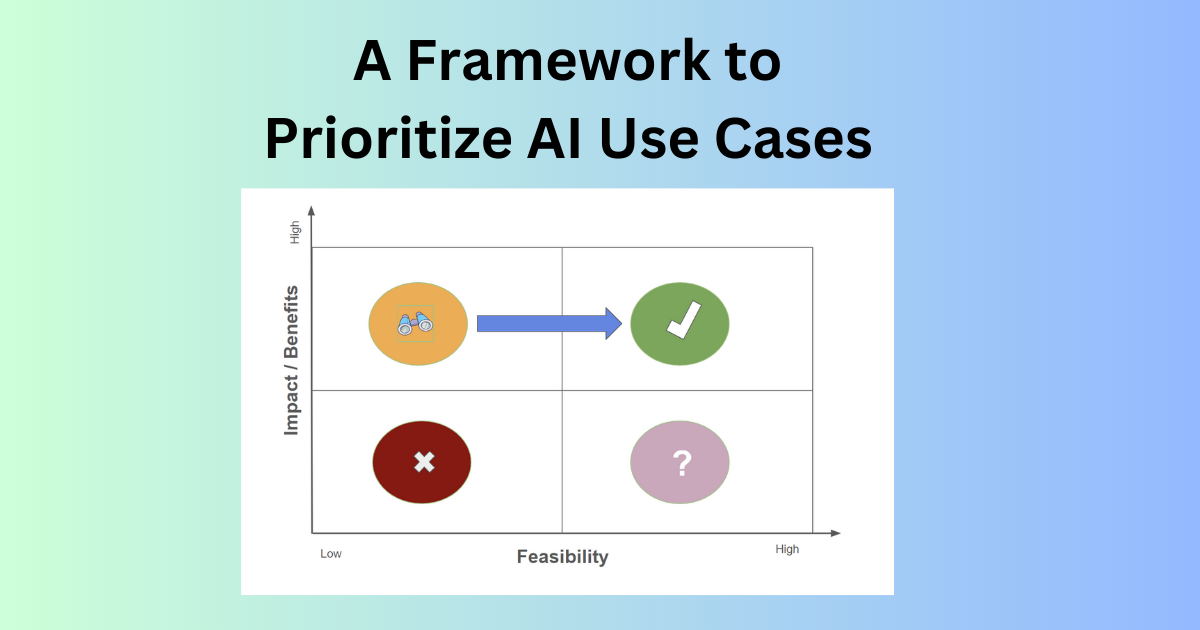
For small to mid-sized businesses, the sheer volume of AI tools can be overwhelming. The key is to prioritize adoption based on immediate impact and ease of integration, rather than chasing every new feature. Start with tools that address your most significant content bottlenecks. If your team struggles with consistent copy, invest in a robust AI writing assistant. If unique visuals are a challenge, explore AI image generators. The goal is to achieve tangible improvements without overhauling your entire workflow.
Focus on tools that offer clear value propositions and have a relatively low learning curve. Free or freemium versions are excellent starting points for experimentation. Prioritize solutions that integrate with your existing marketing stack or offer straightforward export options. A phased approach, where you introduce one or two tools, master them, and then expand, is far more effective than attempting a broad, simultaneous adoption. This pragmatic approach ensures your team gains confidence and sees immediate returns on their investment of time and limited budget.
What to Deprioritize and Why
While AI offers immense potential, not all applications are equally beneficial for SMBs today, especially given budget and operational constraints. Currently, deprioritize highly complex, fully automated AI video production tools. These often come with steep learning curves, significant subscription costs, and may still produce generic or unpolished results that don’t align with a unique brand voice. The time and money invested in mastering these advanced systems are often better spent on refining human-led creative processes or simpler AI-assisted tasks.
Additionally, avoid the temptation to chase every niche AI tool that emerges. The market is saturated, and many tools offer overlapping functionalities or address problems that aren’t critical for your business right now. Instead of spreading your resources thin across many tools, focus on mastering a select few that deliver consistent, measurable value. Over-reliance on AI for brand voice development without human oversight should also be deprioritized; AI is a tool to assist, not replace, the nuanced understanding of your brand’s identity and audience. Your brand’s authenticity and unique perspective are still your most valuable assets.


Leave a Comment