

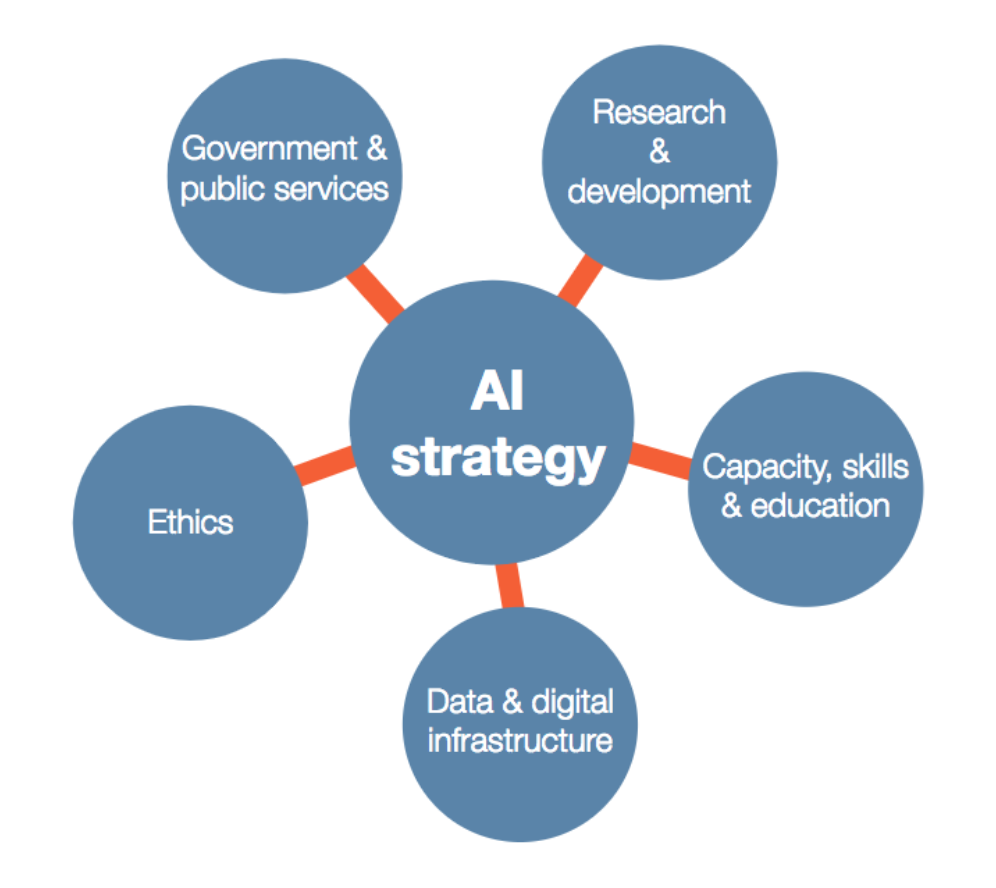
The rapid evolution of AI isn’t just a challenge for tech giants; it’s a critical inflection point for small to mid-sized businesses. This guide cuts through the noise, offering a practitioner’s perspective on how to strategically upskill your team for the AI era. You’ll learn to identify the most impactful skills, prioritize training efforts with limited resources, and integrate AI tools effectively to boost efficiency and maintain a competitive edge, all without overhauling your entire operation.
Our focus is on actionable steps that deliver tangible benefits today, helping you make smart decisions about where to invest your team’s time and effort. We’ll highlight what truly works for lean teams and what can, and should, be deprioritized.
Why AI Upskilling Isn’t Optional Anymore (But Don’t Panic)
As of early 2026, AI has moved beyond novelty into a foundational layer for business operations. For SMBs, this means adapting isn’t a luxury; it’s a necessity for sustained growth and efficiency. The goal isn’t to replace human talent with AI, but to augment your team’s capabilities, allowing them to achieve more with existing resources. Ignoring this shift risks falling behind competitors who are already leveraging AI for everything from content generation to customer service optimization.
The real challenge for SMB leaders isn’t just understanding AI, but understanding how to integrate it practically into their specific business context. This requires a workforce that is not only aware of AI but proficient in using it as a tool to solve real-world problems.
Prioritizing Core AI Skills: What Matters Most Today
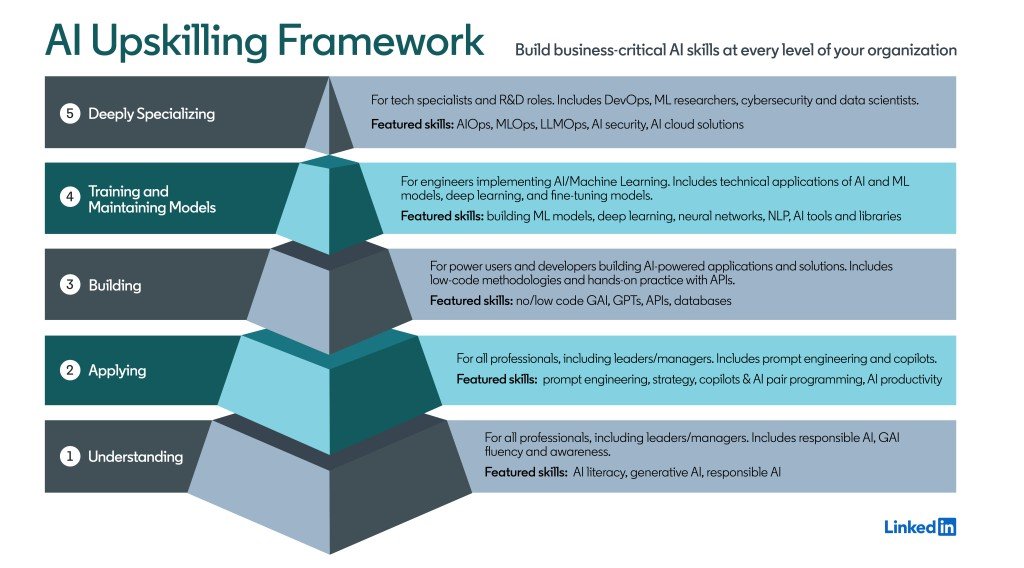
With limited budgets and time, you can’t afford to train everyone on every facet of AI. The pragmatic approach is to focus on foundational skills that offer the highest immediate return on investment for your specific business needs. For most SMBs, these are not deep technical skills, but rather practical application proficiencies.
- Prompt Engineering Basics: This is currently the most accessible and impactful AI skill. Training your team to write effective prompts for generative AI tools (for content, marketing copy, customer service responses, data analysis queries) can immediately boost productivity and creativity. It’s about clear communication with the AI.
- Data Literacy and Interpretation: AI tools often generate data or require data input. Your team needs to understand basic data concepts, how to interpret AI-generated insights, and how to identify potential biases or inaccuracies. This isn’t about becoming a data scientist, but about being an intelligent consumer of AI outputs.
- AI Tool Integration and Workflow Adaptation: Many existing business tools (CRM, marketing automation, project management) are rapidly integrating AI features. Upskilling here means understanding how to leverage these new capabilities within your current workflows, rather than adopting entirely new, complex AI platforms.
What should be deprioritized or skipped today? For the vast majority of SMBs, investing in deep training on AI model development, complex machine learning algorithms, or advanced data science techniques is a misallocation of resources. These are highly specialized fields that require significant time and capital, offering little direct ROI for general business operations. Focus on being a smart user of AI, not a developer of it. Your limited budget is better spent on practical application training.
What often gets overlooked in the rush to adopt AI is the amplified impact of poor inputs. While AI can process information rapidly, it doesn’t inherently correct for ambiguity, outdated data, or flawed assumptions in your prompts or source material. The “garbage in, garbage out” principle isn’t just about receiving bad answers; it’s about the hidden cost of wasted team time spent iterating on unclear requests or correcting AI outputs that were doomed from the start due to insufficient human clarity. This isn’t a technical limitation of the AI, but a practical challenge in how teams frame their needs.
Another subtle pitfall is the temptation to scale AI usage too quickly without establishing robust human oversight. The immediate productivity gains can mask a creeping inconsistency in brand voice, factual inaccuracies, or even compliance risks if AI-generated content or insights are published or acted upon without thorough review. The real work often shifts from initial content creation to meticulous validation and refinement. This second-order effect means that while AI can accelerate drafting, it also demands a more disciplined approach to quality control and human judgment, which can be a significant time sink if not planned for.
Teams can also face unexpected frustration when the “magic” of AI doesn’t perfectly align with real-world demands. The initial excitement can give way to disappointment when AI requires more nuanced prompting, extensive editing, or simply fails to grasp complex business context. This isn’t a reason to abandon AI, but it highlights the ongoing need for human critical thinking and adaptation. The goal isn’t to replace human effort, but to redirect it towards higher-value tasks like strategic oversight, ethical review, and ensuring the AI’s output truly serves the business’s unique objectives.
Strategic Training Approaches for Lean Teams
Effective upskilling doesn’t require a massive training budget. Smart, targeted approaches yield better results for lean teams.
- Internal Champions and Peer Learning: Identify early adopters or tech-savvy individuals within your team. Empower them with initial training and resources, then have them act as internal champions, sharing knowledge and best practices with their colleagues. This fosters a culture of continuous learning and reduces external training costs.
- Micro-Learning and On-Demand Resources: Leverage the abundance of free or low-cost online courses and tutorials. Focus on short, digestible modules that can be completed during downtime or dedicated learning blocks. Platforms like Coursera, LinkedIn Learning, or even YouTube offer excellent foundational content. free AI courses
- Project-Based Learning: The best way to learn is by doing. Assign small, low-risk projects where team members can experiment with AI tools to solve real business problems. This could be drafting a blog post with an AI writer, analyzing customer feedback with an AI sentiment tool, or generating social media captions.
- Vendor-Provided Training: Many AI-powered software solutions offer comprehensive tutorials, webinars, and knowledge bases. Encourage your team to utilize these resources when adopting new tools.
While internal champions are invaluable for scaling knowledge, it’s easy to overlook the hidden cost of this approach: burnout and bottlenecking. These individuals often take on an additional, uncompensated role, diverting time and energy from their primary responsibilities. If not formally recognized and supported, their enthusiasm can wane, or they become a single point of failure, slowing down the entire team’s progress when they’re unavailable or overwhelmed. The initial cost saving can quickly turn into a productivity drain if not managed proactively.
Similarly, the appeal of micro-learning and on-demand resources can mask a common failure mode: fragmented knowledge. While accessible, these bite-sized modules often lack the connective tissue required to build a holistic understanding or integrate new skills into complex workflows. Teams might accumulate a checklist of completed courses without truly grasping how to apply these disparate pieces of information strategically or troubleshoot real-world problems. The theoretical knowledge gained doesn’t always translate into practical, integrated capability, leading to frustration when the tools don’t perform as expected in a live environment.
Project-based learning, while effective, also presents a practical challenge that often goes unacknowledged. The pressure to deliver a tangible output, even on a “low-risk” project, can inadvertently push team members away from genuine experimentation. Instead of truly exploring the AI tool’s capabilities and limitations, they might default to using it in the most straightforward, least challenging way to meet the deadline. This can lead to superficial adoption, where the tool is used as a minor enhancement rather than a transformative capability, limiting the depth of learning and the potential for significant business impact.
Integrating AI Tools into Daily Workflows
Upskilling is only valuable if the knowledge is applied. The key is to integrate AI tools seamlessly into existing daily workflows, rather than creating entirely new, separate processes. Look for AI solutions that complement your current tech stack.
For example, a marketing team might use AI to generate initial drafts of email campaigns, then refine them manually. A customer service team could use AI chatbots for initial query handling, escalating complex issues to human agents. Sales teams can leverage AI for lead scoring or personalized outreach message generation. The goal is to augment human effort, freeing up time for more strategic, high-value tasks.
Measuring Impact and Iterating Your Strategy
Don’t just train and hope for the best. Establish clear, measurable objectives for your AI upskilling initiatives. This isn’t about tracking hours spent in training, but about tangible business outcomes.
Consider metrics like: time saved on routine tasks (e.g., content creation, data entry), improved quality or volume of output (e.g., more blog posts, faster customer response times), or enhanced campaign performance (e.g., higher click-through rates due to AI-optimized ad copy). Start with small, measurable pilots, gather feedback, and iterate your approach. AI adoption is an ongoing journey, not a one-time project. Regularly review which tools and skills are delivering the most value and adjust your training focus accordingly.
Avoiding Common Pitfalls in AI Adoption
While the benefits of AI are clear, several common mistakes can derail your upskilling and adoption efforts:
- Over-reliance Without Human Oversight: AI tools are powerful, but they are not infallible. Always maintain human oversight for quality control, accuracy, and ethical considerations. Blindly trusting AI outputs can lead to errors, misinformation, or even reputational damage.
- Ignoring Ethical Considerations: Data privacy, algorithmic bias, and intellectual property are real concerns. Educate your team on responsible AI use and establish internal guidelines. AI ethics
- Investing in Unproven or Overly Complex Tools: For SMBs, stick to established, user-friendly AI tools with clear use cases and support. Avoid chasing every new, experimental AI solution that emerges, especially if it requires significant technical expertise or integration effort. Pragmatism over novelty.
- Expecting Immediate, Magical Results: AI is a tool that enhances human capabilities; it’s not a magic bullet. Integration and proficiency take time. Manage expectations within your team and leadership, focusing on incremental improvements rather than revolutionary overnight changes.

Leave a Comment