


Beyond Clicks: Mastering Conversion Rate Optimization for Sustainable Growth
Clicks are easy to get, but conversions drive revenue. This article cuts through the noise to give you a pragmatic framework for Conversion Rate Optimization (CRO) that delivers real results for small to mid-sized businesses. We’ll focus on actionable steps, smart prioritization, and what to skip when resources are tight.
You’ll learn how to identify high-impact areas, make data-driven decisions without complex tools, and build a CRO process that scales with your team, ensuring every visitor contributes more to your bottom line.
Why CRO Isn’t Just for Enterprises
Many small to mid-sized businesses view Conversion Rate Optimization as a luxury reserved for large enterprises with dedicated teams and massive testing budgets. This is a misconception. For businesses with limited marketing spend, CRO is arguably more critical. It’s about squeezing more value from every dollar spent on traffic, turning existing visitors into customers, and improving your overall marketing efficiency.
Instead of chasing more expensive clicks, a focused CRO effort helps you convert a higher percentage of the traffic you already have. This directly impacts your revenue without requiring a proportional increase in your ad spend or content creation efforts.
However, the practical application of CRO in a small business often diverges from the textbook ideal. It’s easy to get caught in the trap of chasing superficial “quick wins” – changing button colors or headline fonts – without truly understanding the underlying user friction points. While these minor tweaks can sometimes yield small bumps, they rarely address systemic issues. This fragmented approach can lead to diminishing returns, leaving teams frustrated and questioning the value of CRO itself, rather than recognizing the need for a more strategic, hypothesis-driven process.
The real hidden cost isn’t just the lost revenue from unoptimized pages; it’s the compounding inefficiency. Every dollar you continue to spend on acquiring new traffic to a poorly converting site amplifies the problem. It’s like pouring water into a leaky bucket – the more you pour, the more you lose. This sustained inefficiency drains marketing budgets faster, forces teams to work harder just to maintain status quo, and can delay critical growth milestones, creating a cycle of reactive rather than proactive decision-making.
For teams with limited traffic, the rigorous statistical significance often touted in CRO theory can be a significant hurdle. You might not have the volume to run A/B tests for weeks on end to reach a 95% confidence level. This doesn’t mean CRO is impossible, but it demands a different approach. Instead of solely relying on quantitative A/B tests, practitioners must lean more heavily on qualitative insights – user feedback, session recordings, heatmaps, and simple surveys – to form strong hypotheses. The pitfall here is making decisions based on insufficient data or personal bias, rather than a balanced view of available evidence.
What should be deprioritized today? For most small to mid-sized businesses, it’s the pursuit of complex, multi-variant testing (MVT) or micro-optimizations on pages with minimal traffic. These advanced tactics require significant traffic, specialized tools, and a deep understanding of statistical modeling that most SMB teams simply don’t possess or need initially. Instead, focus your limited resources on foundational improvements: clarifying your value proposition, simplifying your user journey on high-traffic pages, and addressing obvious points of confusion or friction. These efforts, while less glamorous, yield far greater returns and build a solid base for future, more sophisticated optimization.
Prioritizing Your CRO Efforts: Where to Start
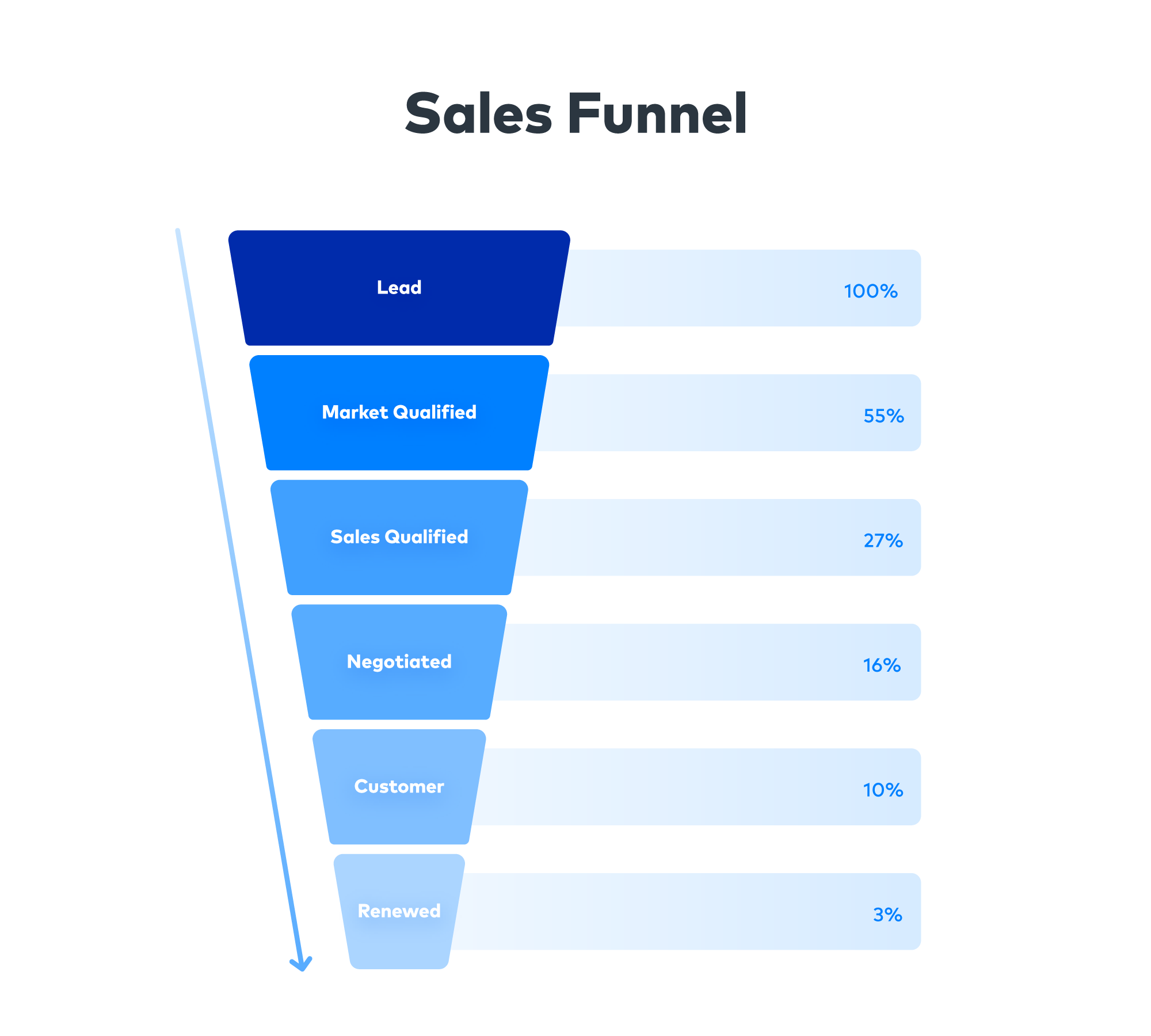
With limited resources, you can’t optimize everything at once. The pragmatic approach starts with identifying your most critical conversion points and the biggest leaks in your funnel. Don’t get bogged down in optimizing minor elements on low-traffic pages.
First, clearly define your primary conversion goal. Is it a purchase, a lead form submission, or a demo request? Then, use your existing analytics to pinpoint where users drop off most significantly on the path to that goal. This is your highest-leverage area for improvement.
Next, gather qualitative insights. Talk to your sales team about common objections, run simple on-site polls, or even conduct a few user interviews. Tools like Hotjar or Microsoft Clarity offer free tiers for heatmaps and session recordings, providing invaluable visual data on user behavior without a significant investment. Look for areas of confusion, hesitation, or unexpected clicks.
What’s easy to overlook is the ‘why’ behind the ‘what.’ Analytics and heatmaps show you *where* users drop off or *what* they click, but they rarely tell you *why* they hesitate, get confused, or abandon. Without understanding the underlying motivation or friction, any “fix” is often a shot in the dark. This is where the real work begins, and it often requires more than just looking at numbers; it demands empathy and direct engagement with potential customers, which can feel time-consuming and less immediate than tweaking a headline.
A common pitfall for teams with limited bandwidth is the rush to A/B test minor elements without first validating the core problem. You might spend weeks testing button colors or hero image variations, only to find no significant impact because the fundamental issue lies deeper – perhaps in an unclear value proposition, a confusing product description, or an unexpected shipping cost. This isn’t just wasted effort; it breeds cynicism within the team, making future, more impactful CRO initiatives harder to champion. The delayed consequence is a loss of internal trust in the process itself.
For this reason, deprioritize chasing “best practices” or optimizing elements on pages that aren’t part of your primary conversion path or don’t have significant traffic. Don’t get distracted by minor UI tweaks or A/B testing every micro-interaction if your main funnel has glaring leaks. These activities, while seemingly productive, offer diminishing returns and consume precious resources that should be focused on the highest-leverage problems identified through your initial analysis.
What to Deprioritize and Why
For small to mid-sized teams, it’s just as important to know what to not do. Resist the urge to launch complex A/B tests on minor elements like button colors on pages that receive minimal traffic. The statistical significance will be hard to achieve, and the impact, even if positive, will be negligible on your overall revenue. Your time is better spent elsewhere.
Similarly, avoid investing heavily in enterprise-level CRO platforms or hiring expensive consultants until you’ve exhausted the insights available from your existing analytics and basic user feedback tools. Many businesses can achieve significant gains by simply addressing obvious friction points and improving clarity, rather than chasing marginal gains through sophisticated multivariate testing.
Focusing on vanity metrics like ‘time on page’ or ‘bounce rate’ in isolation can also be a distraction. While these can be indicators, they don’t directly correlate with revenue. Always tie your CRO efforts back to your primary business goals: leads, sales, or customer acquisition.
Actionable CRO Levers for Immediate Impact
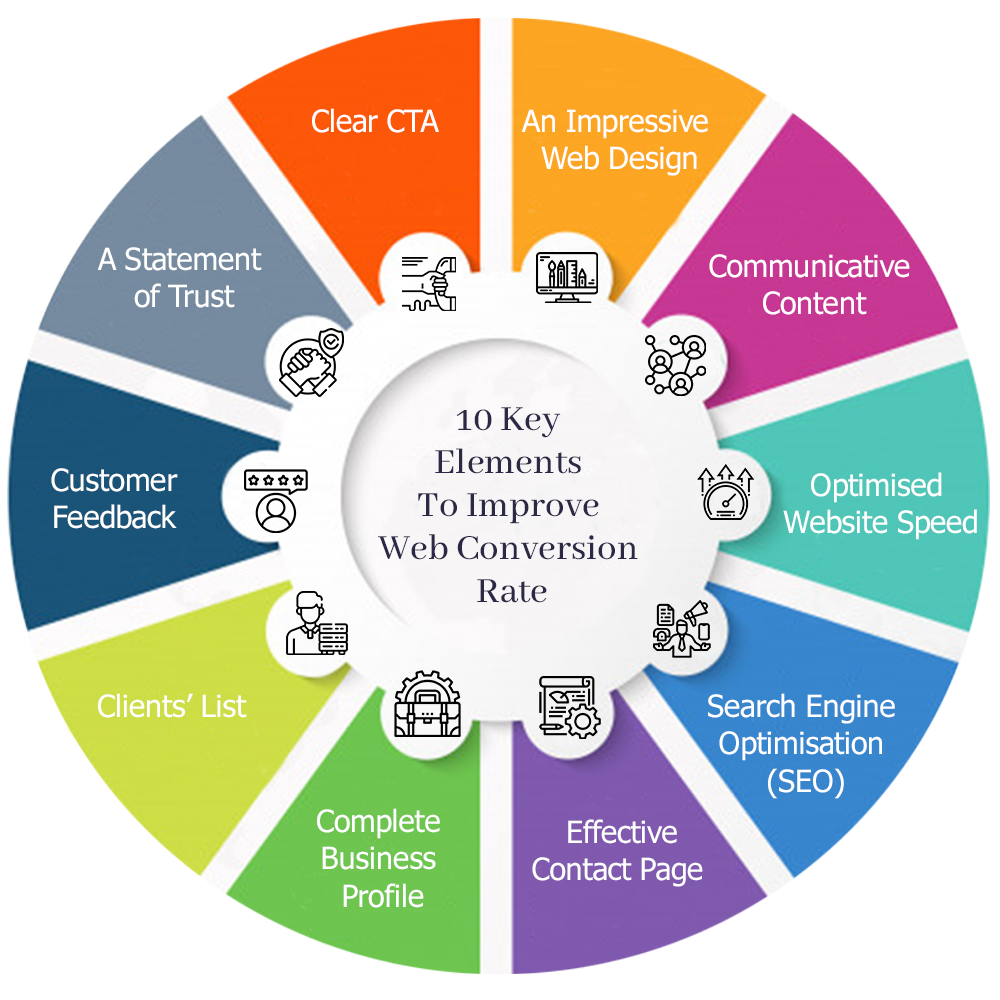
Once you’ve identified your high-impact areas, focus on these proven levers:
- 1. Enhance Clarity and Value Proposition: Can a first-time visitor understand what you do and why they should care within five seconds? Ambiguity kills conversions. Ensure your headlines, subheadings, and introductory paragraphs clearly articulate your unique value. Use simple language, avoid jargon, and speak directly to your audience’s pain points and desired outcomes.
- 2. Reduce Friction in the User Journey: Every extra field in a form, every unnecessary click, and every slow-loading element adds friction. Streamline your checkout process or lead forms. Consider guest checkout options, progress indicators, and clear error messages. Improve your website’s loading speed – even a one-second delay can significantly impact conversions. page speed impact on conversions
- 3. Build Trust and Credibility: Especially for online transactions, trust is paramount. Display customer testimonials, reviews, security badges, and clear contact information prominently. A robust ‘About Us’ page and transparent privacy policy can also reinforce credibility. Show, don’t just tell, that you are a legitimate and reliable business.
- 4. Optimize Calls to Action (CTAs): Your CTAs should be clear, concise, and compelling. Instead of generic ‘Submit’ or ‘Click Here,’ use action-oriented language that highlights the benefit, such as ‘Get Your Free Quote,’ ‘Start Your 14-Day Trial,’ or ‘Download the Guide Now.’ Ensure CTAs stand out visually and are placed strategically where users are ready to act.
Building a Sustainable CRO Mindset
CRO isn’t a project with a start and end date; it’s an ongoing process. For small teams, this means fostering a culture of continuous improvement and learning. Start with small, manageable tests and iterate based on what you learn. Don’t aim for perfection on the first try.
Regularly review your analytics, gather feedback, and brainstorm new hypotheses. Even without sophisticated tools, you can implement changes, monitor their impact, and refine your approach. This iterative mindset ensures you’re always optimizing for better performance and sustainable growth, making your marketing efforts more efficient over time.
Your Next Steps to Higher Conversions
To move beyond just clicks and start driving real revenue, begin by auditing your primary conversion funnel. Identify the biggest drop-off points using your existing analytics. Prioritize fixing obvious friction and enhancing clarity on those critical pages. Remember, small, focused improvements consistently applied will yield far greater returns than sporadic, large-scale overhauls. Start simple, learn fast, and build momentum.


Leave a Comment