

Navigating Social Media Authenticity
In today’s social media landscape, misinformation isn’t just a problem for large corporations; it’s a direct threat to the reputation and trust small to mid-sized businesses (SMBs) work hard to build. This article cuts through the noise to provide actionable strategies for maintaining brand authenticity and effectively addressing false narratives. You’ll gain practical insights on what to prioritize, how to respond, and what to avoid, ensuring your brand remains trusted and resilient even with limited resources.
We’ll focus on real-world tactics that help you proactively build a strong, authentic presence, making your brand less susceptible to the spread of misinformation and better equipped to handle it when it inevitably arises. This isn’t about complex, expensive tools, but about smart, consistent execution.
The Reality of Misinformation for SMBs
For SMBs, misinformation isn’t always about elaborate conspiracy theories. More often, it manifests as misinterpretations of your products, outdated service information, negative reviews amplified out of context, or even rumors spread by competitors. With smaller teams and direct customer interaction, these issues can quickly erode trust and divert valuable resources if not handled strategically.
Your audience, operating under similar time constraints, often doesn’t have the bandwidth to fact-check every claim. Their perception is shaped by what they see and hear first. This makes proactive authenticity and a clear, consistent brand voice your most potent defense.
The immediate impulse is often to directly counter every piece of misinformation. However, this reactive stance carries a significant hidden cost: it shifts your team’s focus from strategic growth initiatives to constant damage control. This isn’t just about time spent; it’s about the opportunity cost of what isn’t getting built or improved. Furthermore, simply correcting a factual error without understanding its root cause—be it a confusing product description, an inconsistent customer experience, or a gap in your communication strategy—means you’re treating a symptom, not the disease. The misinformation will likely reappear in another form, creating a perpetual cycle of reactive effort.
This constant firefighting also takes a toll on small teams. The emotional burden of defending against unfair criticism or outright falsehoods can lead to burnout and frustration, especially when resources are already stretched thin. It’s easy to feel compelled to address every single negative comment or minor inaccuracy, but this is where practitioner judgment is critical. For most SMBs, chasing every obscure forum post or low-reach social media comment is a losing battle. Deprioritize these low-impact skirmishes. Instead, focus your limited energy on misinformation that has significant reach, directly impacts purchasing decisions, or fundamentally misrepresents your core value proposition.
The theoretical ideal of “setting the record straight” often overlooks the practical reality of information decay and persistence. Even after you’ve corrected an error, outdated information can linger in search results, old articles, or cached pages, continuing to influence perceptions long after you’ve addressed it on your own channels. This means managing misinformation isn’t a one-time fix; it requires ongoing vigilance and a strategy that includes not just correction, but also actively pushing accurate, fresh content to outrank and overshadow the old. The downstream effect is a continuous need for content maintenance and reputation monitoring, which demands a dedicated, albeit lean, operational rhythm.
Prioritizing Proactive Authenticity
Building an authentic brand isn’t a one-off campaign; it’s an ongoing commitment. For SMBs, this means focusing on foundational elements that yield the greatest return on your limited time.
- Define and Live Your Brand Voice: Before you post anything, ensure your team understands your brand’s core values and how they translate into communication. This isn’t just about tone; it’s about the principles that guide your content and interactions. Consistency across all platforms is non-negotiable.
- Transparency as a Default: Be open about your products, services, pricing, and policies. If there’s a delay, a change, or a mistake, communicate it clearly and promptly. Hiding information or being vague only fuels suspicion.
- Active Listening and Monitoring: You don’t need enterprise-level social listening suites. Start with free tools like Google Alerts for brand mentions and industry keywords. Regularly check comments, direct messages, and review sites. Understand what people are saying about you and your industry. This early warning system is crucial.
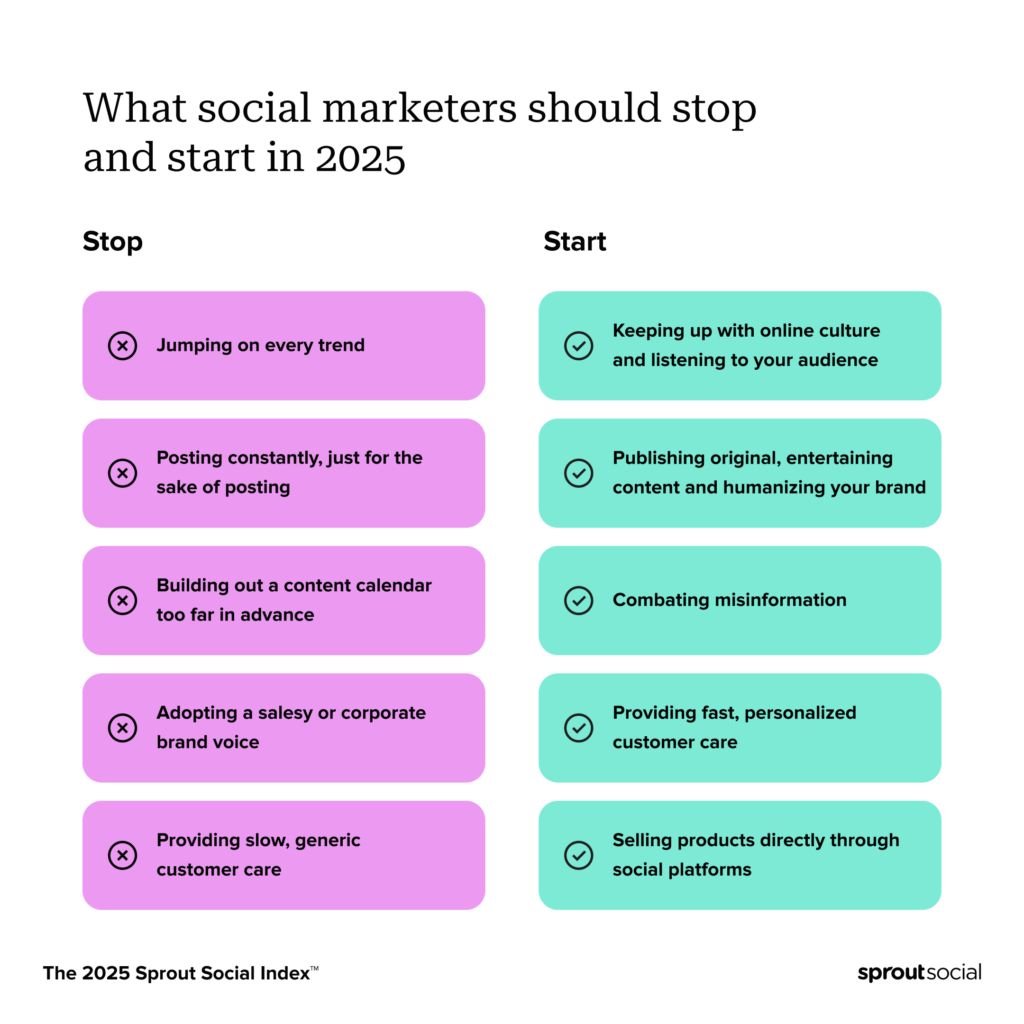
- Humanize Your Brand: Share behind-the-scenes glimpses, introduce team members, and tell your brand’s story. People trust people, not faceless corporations. This builds an emotional connection that makes your audience more resilient to external negativity.
What often gets overlooked in the pursuit of a defined brand voice is the internal friction it can create if not genuinely adopted. It’s one thing to document a voice guide; it’s another to ensure every team member, from sales to customer service, truly embodies it. When there’s a disconnect, you end up with internal debates over messaging, inconsistent external communication, and wasted cycles trying to course-correct after the fact. The real cost isn’t just the inconsistent message, but the erosion of internal alignment and the decision paralysis that follows when no one is truly confident in the “right” way to speak.
Similarly, while transparency is a clear objective, the practical challenge lies in overcoming the human instinct to avoid immediate discomfort. When a mistake happens or a delay is imminent, the natural inclination is to soften the blow or delay the announcement, hoping the problem resolves itself. This short-term relief almost always leads to a greater loss of trust down the line. Customers are far more forgiving of honest mistakes communicated promptly than they are of perceived deception or evasion, even if well-intentioned. The pressure to manage optics in the moment often overrides the long-term strategic imperative of building unwavering trust.
Finally, “active listening” sounds straightforward, but without a clear strategy for processing and responding to what you hear, it can quickly become a significant drain. For lean teams, the sheer volume of comments, reviews, and direct messages can be overwhelming. The non-obvious failure mode here is getting bogged down in reactive firefighting, attempting to address every single piece of feedback, regardless of its strategic importance or validity. This diverts precious time and energy from proactive work, leading to team burnout and a reactive posture that prevents meaningful progress. It’s critical to establish not just what you’ll listen to, but also what you’ll prioritize, and crucially, what you’ll intentionally deprioritize or ignore to protect your team’s focus.
Responding to Misinformation: A Practical Playbook
When misinformation surfaces, a measured, strategic response is critical. Not every negative comment warrants a public rebuttal. Your resources are finite, so prioritize where you engage.
When to Respond
- Direct Brand Impact: If the misinformation directly damages your brand’s reputation, sales, or operational integrity.
- Widespread Reach: If the false information is gaining significant traction or comes from a prominent, albeit misinformed, source.
- Safety or Legal Concerns: If the misinformation poses a risk to public safety or has legal implications.
How to Respond (If Necessary)
- Assess and Verify: Before reacting, verify the facts. Is it truly misinformation, or a legitimate customer complaint? Gather all relevant information.
- Be Factual and Calm: Respond with clear, concise, accurate information. Avoid emotional language, defensiveness, or accusations. Stick to the facts.
- Choose the Right Channel: For individual customer issues, move the conversation to direct messages or email. For widespread public misinformation, a public statement on the platform where it originated, or a dedicated post on your own channels, might be necessary.
- Educate, Don’t Preach: Frame your response as an opportunity to clarify and educate, rather than to


Leave a Comment