


The shift to generative search, particularly with AI Overviews becoming more prominent, fundamentally changes how your business gains visibility. For small to mid-sized teams with limited resources, this isn’t about chasing every new algorithm tweak. It’s about strategically adapting your existing content and creation processes to ensure your expertise is surfaced directly in these new answer formats.
This article outlines a pragmatic approach to optimizing for AI Overviews, helping you prioritize efforts that yield real results under real-world constraints. You’ll learn what content attributes matter most, what tactics to implement first, and what to confidently deprioritize today.
Understanding the Generative Search Shift
Generative AI in search, exemplified by Google’s AI Overviews, aims to synthesize information from multiple sources to provide direct answers to user queries, often appearing above traditional organic listings. This means users might get their answers without ever clicking through to a website. For SMBs, this isn’t a death knell for traffic; it’s a new opportunity to establish authority and be the source cited by the AI.
The core challenge is ensuring your content is not just discoverable, but also digestible and authoritative enough for AI models to confidently extract and present. This requires a shift from purely keyword-focused optimization to a more holistic approach centered on topical depth, clarity, and trustworthiness.
Prioritizing Content for AI Overviews
Not all content is equally likely to appear in an AI Overview. Focus your efforts on these types of content first:
- Direct Answers to Specific Questions: Content that clearly and concisely answers common ‘how-to’, ‘what is’, ‘why’, or ‘best X for Y’ questions.
- Structured Information: Data that can be easily parsed, such as lists, steps, comparisons, definitions, and FAQs.
- Authoritative Guides and Explanations: In-depth content that establishes your expertise on a topic, providing comprehensive yet easy-to-understand explanations.
- Product/Service Comparisons and Reviews: Objective, detailed analyses that help users make informed decisions.
These content types lend themselves well to AI summarization because they often present information in a clear, factual, and organized manner.
What often gets overlooked, however, is the ongoing maintenance burden these content types introduce. While they are prime candidates for AI summarization, their utility hinges entirely on their accuracy and freshness. A direct answer or structured list that becomes outdated due to product changes, evolving best practices, or new regulations doesn’t just lose its value; it becomes a liability. Teams must factor in a continuous review cycle, which can be a significant drain on limited resources, especially for content that appears straightforward on the surface.
There’s also a subtle trap in over-optimizing for AI Overviews: the potential to inadvertently degrade the human user experience. Content crafted solely for quick AI extraction can sometimes become too terse or stripped of the contextual nuance that a human reader needs to fully understand and trust the information. While the AI might pull a perfect snippet, a visitor landing on that page might find it lacking in depth, persuasive detail, or the broader narrative that builds authority. This can lead to higher bounce rates or a failure to convert, effectively sacrificing the full-page engagement for a fleeting AI impression.
Practically, this means teams face a constant tension. The theoretical benefit of “easy to parse” content often translates into a demanding editorial process in practice. Ensuring clarity, conciseness, and factual accuracy for AI consumption, while simultaneously maintaining richness and context for human readers, requires more than just initial creation. It demands a sustained commitment to refinement and a clear understanding of where the trade-offs lie, rather than simply chasing immediate visibility in AI results.
Actionable Content Optimization Tactics
Clarity and Conciseness
AI models excel at extracting information from well-structured, clear text. Write with the assumption that an AI might be reading your content to summarize it. This means:
- Front-load Answers: Provide the direct answer to a question early in the paragraph or section.
- Use Simple Language: Avoid jargon where possible, or explain it clearly.
- Break Down Complex Topics: Use headings, subheadings, bullet points, and numbered lists to make content scannable and digestible.
- Focus on One Idea Per Paragraph: This improves readability for both humans and AI.
Structured Data (Schema Markup)
Schema markup remains a critical signal for search engines, and by extension, for generative AI. It helps AI understand the context and meaning of your content. Prioritize implementing schema for:
- FAQPage: For pages with clear question-and-answer pairs.
- HowTo: For step-by-step guides.
- Product: For product pages, including reviews and pricing.
- Article: For blog posts and informational articles.
- LocalBusiness: Essential for local visibility.
While not a guarantee, well-implemented schema provides explicit signals that can increase the likelihood of your content being selected for an AI Overview. schema markup guidelines
Topical Authority and E-E-A-T
Generative AI prioritizes information from authoritative and trustworthy sources. Building topical authority means creating a cluster of high-quality content around a core subject, demonstrating comprehensive knowledge. E-E-A-T (Experience, Expertise, Authoritativeness, Trustworthiness) signals are more important than ever:
- Demonstrate Experience: Share real-world examples, case studies, or personal anecdotes.
- Show Expertise: Provide in-depth, accurate information. Cite credible sources when appropriate.
- Build Authoritativeness: Get mentions and links from other reputable sites. Ensure your authors have clear bios and credentials.
- Foster Trustworthiness: Maintain accurate, up-to-date information. Have clear contact information and privacy policies.
For SMBs, this often means focusing on a niche where you genuinely have deep knowledge, rather than trying to cover every broad topic superficially.
Internal Linking and Site Structure
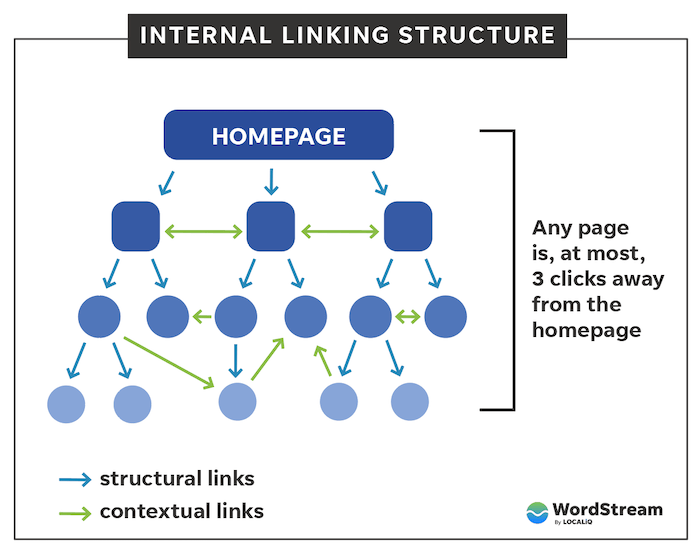
A well-organized website with a logical internal linking structure helps AI understand the relationships between your content pieces and the overall depth of your topical coverage. Ensure:
- Relevant Internal Links: Link from high-authority pages to new or important content.
- Clear Navigation: A logical menu structure helps both users and crawlers.
- Content Hubs: Create pillar pages that link out to more detailed sub-topics, establishing your authority on a broad subject.
The discipline required for true clarity and the long-term commitment to E-E-A-T often clash with the practical realities of content creation. Teams, especially those with limited resources, might find themselves under pressure to produce volume or chase immediate traffic, leading to a rushed approach where conciseness is sacrificed for speed, or authority is diluted by chasing broad, less relevant topics. This short-term thinking is a non-obvious failure mode; it undermines the very foundation of trust and expertise that AI models increasingly prioritize. The hidden cost isn’t just the time spent, but the mental overhead of constantly refining and challenging established writing habits, coupled with the frustration of delayed gratification from long-term authority building.
While implementing schema markup seems like a technical win, a common pitfall is treating it as a one-time setup. The reality is that schema requires ongoing validation and maintenance. Content changes, new pages are added, and existing information is updated, yet the corresponding structured data often lags or is forgotten entirely. This oversight can lead to outdated or incorrect schema, which, rather than helping AI, can actively confuse it. The delayed consequence is a gradual erosion of trust signals, making content less likely to be featured as AI models learn to discount inconsistent or inaccurate markup over time.
Similarly, the theory of a robust internal linking structure is sound, but in practice, it’s often one of the first things to be deprioritized. As a site grows, manually managing and optimizing internal links becomes a significant operational burden, especially without dedicated tools or personnel. Teams might link opportunistically rather than strategically, missing opportunities to reinforce topical clusters or strengthen the authority of key pages. This oversight creates a downstream effect: a less coherent site graph for AI to crawl and understand, potentially leading to under-indexed content or a diluted perception of topical depth. It’s easy to overlook how much ongoing effort is required to maintain this foundational element effectively, and it’s often the first task to be pushed aside when resources are stretched.
What to Deprioritize (or Avoid) Today
Given limited resources, it’s crucial to know where *not* to spend your time. Today, you should deprioritize:
- Obsessive Keyword Density: While keywords are still relevant for understanding intent, over-optimizing for exact match keyword density is counterproductive. AI understands context and synonyms far better than older algorithms. Focus on natural language and answering user intent comprehensively.
- Chasing Every AI Trend: The generative AI landscape is evolving rapidly. Don’t invest heavily in every new tool or technique without first understanding its long-term value and how it aligns with your core business goals. Many speculative tactics offer little ROI for SMBs.
- Thin, AI-Generated Content Without Human Oversight: While AI can assist in content creation, publishing large volumes of unedited, low-quality AI-generated content will likely harm your E-E-A-T and overall site quality. AI Overviews prioritize high-quality, trustworthy sources; thin content won’t cut it.
Measuring Success in the Generative Era
Traditional ranking reports still hold some value, but you need to expand your measurement approach. Focus on:
- Impression Share in Generative Results: While direct metrics are still developing, monitor your brand and content mentions within AI Overviews for relevant queries.
- Direct Traffic from Generative Features: Look for traffic sources that indicate referrals from AI-powered search results, even if they are currently bundled under broader categories.
- Brand Mentions and Authority Signals: Track how often your brand or specific content is cited or referenced by other authoritative sources, which indirectly signals your value to AI models.
- Engagement Metrics: For the traffic you do get, monitor time on page, bounce rate, and conversion rates. High engagement signals quality to search engines.
Tools like Google Search Console provide some insights into how your content performs in various search features, and third-party SEO platforms are continually adapting their reporting for the generative era. generative search analytics
Next Steps for SMBs
To effectively navigate SEO for generative search, start with these practical steps:
- Audit Existing Content: Identify your top-performing pages and those that answer common questions. Prioritize optimizing these for clarity, conciseness, and schema markup.
- Focus on Topical Depth: Choose a few core topics where your business has genuine expertise and build out comprehensive content clusters around them.
- Enhance E-E-A-T: Review your author bios, ‘About Us’ page, and ensure all factual claims are supported. Actively seek opportunities for expert citations or mentions.
- Monitor and Adapt: Keep an eye on how AI Overviews evolve in your industry. Be prepared to adjust your content strategy based on what you observe working for successful competitors.


Leave a Comment