

For small to mid-sized businesses, building genuine customer loyalty isn’t about grand gestures or massive budgets; it’s about consistent, relevant interactions. This article cuts through the noise to provide actionable strategies for hyper-personalization and loyalty that you can implement today, even with limited resources. You’ll gain clarity on where to focus your efforts, what to deprioritize, and how to leverage your existing data to foster stronger customer relationships and drive repeat business.
We’ll focus on practical steps that deliver tangible benefits: increased customer retention, higher customer lifetime value, and more efficient marketing spend. This isn’t about theoretical frameworks, but rather a practitioner’s guide to making personalization work for your business under real-world constraints.
Why Hyper-Personalization Isn’t Just for Enterprises
The term “hyper-personalization” often conjures images of massive data lakes and complex AI algorithms, leading many SMBs to dismiss it as out of reach. This is a misconception. At its core, hyper-personalization is about delivering highly relevant experiences to individual customers based on their unique data and behavior. For SMBs, this means being smart and strategic, not necessarily having an enterprise-level tech stack.
Your advantage lies in your ability to be agile and often closer to your customers. You can leverage readily available tools and existing customer data to create meaningful, tailored interactions that build trust and loyalty. It’s about quality of insight and action, not just quantity of data.
Prioritizing Your Personalization Efforts
When resources are tight, prioritization is everything. Here’s a breakdown of where to start, what to delay, and what to avoid.
What to Do First: High-Impact, Low-Barrier Strategies
- Audience Segmentation Fundamentals: Start with basic, actionable segmentation. Group customers by purchase history (first-time vs. repeat, high-value vs. low-value), website behavior (pages visited, products viewed), and basic demographics. Most CRM and email marketing platforms offer these capabilities out of the box.
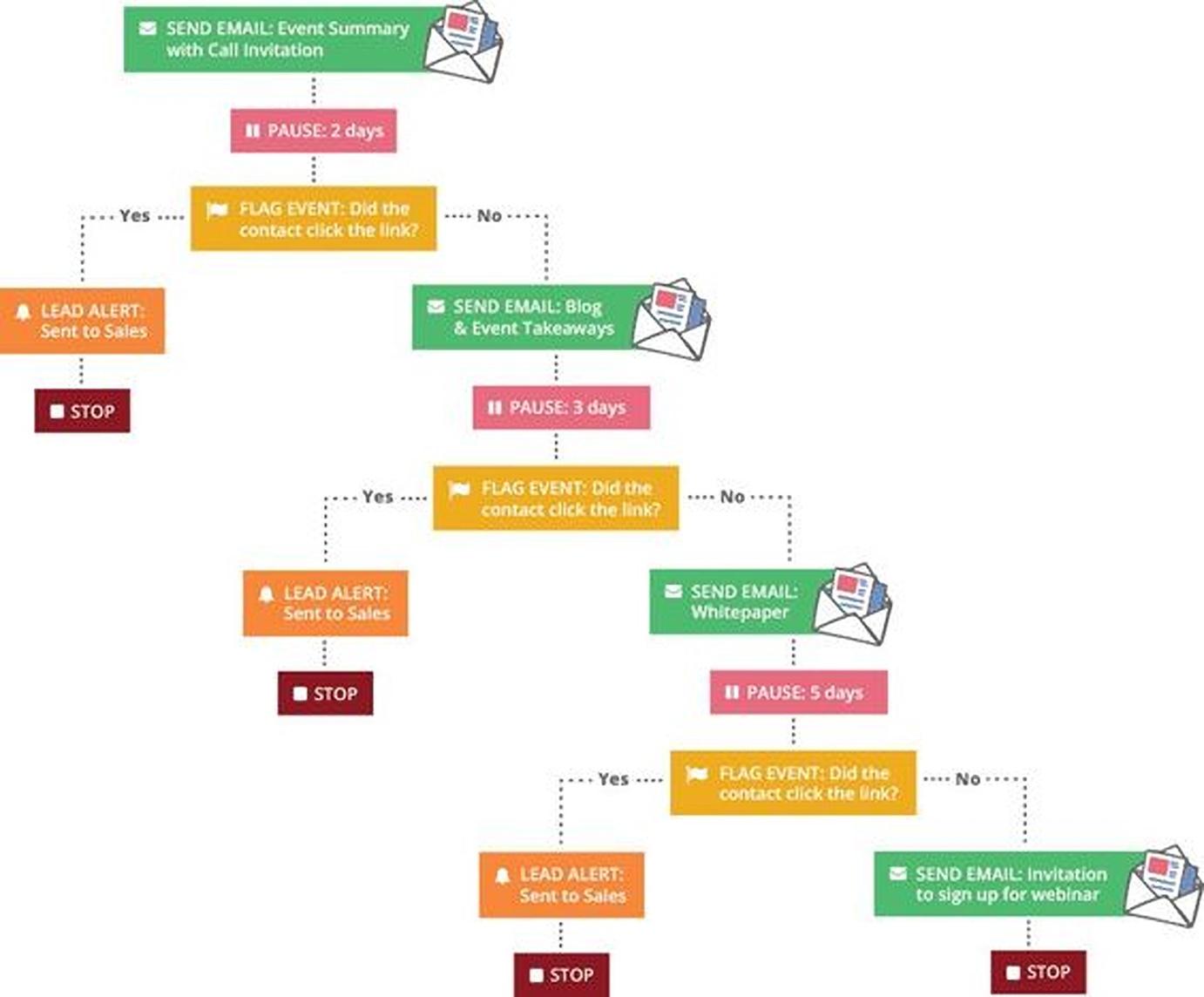
- Personalized Email Automation: This is often the highest ROI starting point. Implement automated email sequences for:
- Welcome Series: Tailor content based on how they signed up or their first interaction.
- Abandoned Cart Reminders: Crucial for e-commerce. Personalize with the exact items left behind.
- Post-Purchase Follow-ups: Suggest complementary products, ask for reviews, or provide usage tips relevant to their purchase.
- Re-engagement Campaigns: Target inactive customers with personalized offers or content based on their past interests.
- Basic On-Site Personalization: Use simple rules to show dynamic content. For example, greet returning customers by name, recommend products based on their browsing history, or highlight categories they’ve previously shown interest in. Many e-commerce platforms like Shopify offer apps or built-in features for this.
What to Delay: Advanced Strategies Requiring More Investment
While appealing, certain advanced personalization tactics should be delayed until your foundational efforts are robust and generating clear returns. This includes complex, AI-driven real-time personalization across every single touchpoint, especially if it requires integrating multiple disparate systems or hiring specialized data scientists. Focus on mastering the basics first.
Similarly, deep predictive analytics for churn or highly complex customer lifetime value modeling can wait. These require significant historical data, advanced analytical tools, and a dedicated team to interpret and act on the insights. Build up your data collection and basic analysis capabilities before diving into these more resource-intensive areas.
What to Avoid: Common Pitfalls
- Over-Automating Without Oversight: Personalization can quickly become creepy or irrelevant if not monitored. Avoid setting up complex rules without regular review. A poorly personalized message is often worse than a generic one.
- Collecting Data You Don’t Use: Don’t just collect data for the sake of it. Every piece of data you gather should have a clear purpose for improving the customer experience. Unused data is a liability, not an asset, and can create privacy concerns.
- Chasing Every New Tech Trend: The personalization tech landscape is constantly evolving. Resist the urge to adopt every new AI tool or platform feature without a clear strategy and understanding of how it fits into your existing workflow and budget. Stick to tools that solve immediate, high-priority problems.
Even seemingly “set and forget” automation isn’t truly static. The initial setup is just the start. Content decays, offers become stale, and customer preferences shift. The hidden cost here isn’t just wasted effort, but a gradual erosion of trust and engagement. What was once a highly relevant welcome series can become a generic, ignored message if its content isn’t periodically reviewed and refreshed. This requires dedicated time, which small teams often fail to budget for after the initial launch.
Another common oversight is underestimating the ongoing human effort required, even for foundational personalization. While platforms simplify execution, someone still needs to define segments, craft compelling copy, design A/B tests, and interpret results. The assumption that “the tool will do it” often leads to underutilized features and abandoned initiatives because the internal team lacks the dedicated time or specific skill set to manage it effectively. This isn’t about hiring a data scientist, but ensuring existing marketing or operations staff have the bandwidth and basic analytical literacy to keep the personalization engine running.
The allure of “advanced” personalization can also create internal pressure, pushing teams to adopt complex strategies before they’ve mastered the basics. This often stems from a fear of being left behind or a desire to emulate larger competitors. However, attempting to implement real-time, multi-channel personalization with limited resources typically results in fragmented efforts, inconsistent customer experiences, and significant operational overhead. It’s a classic case of spreading resources too thin, leading to a superficial implementation that fails to deliver real value, rather than a deep, impactful execution of simpler tactics.
Building Loyalty Through Tailored Experiences
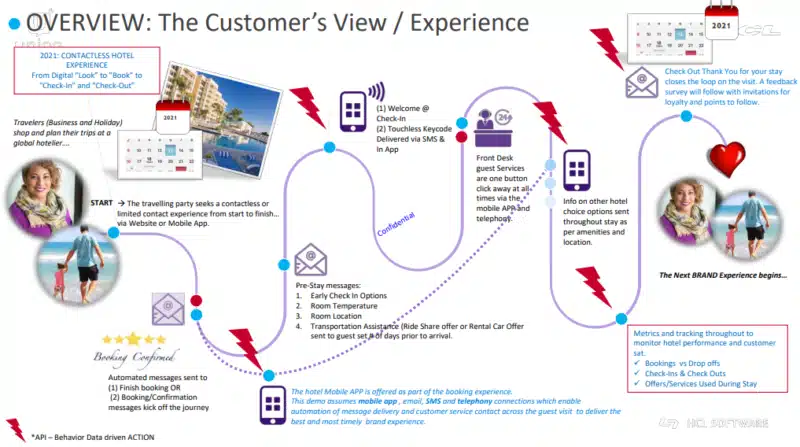
Loyalty goes beyond transactional points programs. It’s built on consistent, positive experiences that make customers feel valued and understood.
- Personalized Customer Service: Empower your customer service team with access to customer history, past purchases, and previous interactions. This allows them to provide context-aware support, reducing frustration and building rapport. A good CRM is invaluable here. CRM for small business
- Exclusive Content and Offers: Segment your most loyal customers and offer them exclusive access to new products, early bird sales, or premium content. Ensure these offers are genuinely valuable and relevant to their past behavior or expressed interests.
- Proactive Communication: Anticipate customer needs. Send personalized updates about product restocks for items they viewed, provide helpful tips related to their recent purchase, or offer solutions to common problems before they even ask.
- Solicit and Act on Feedback: Implement personalized feedback loops. After a purchase or service interaction, send a tailored request for feedback. More importantly, demonstrate that you listen and act on it. Close the loop by informing customers how their feedback led to improvements.
What often gets overlooked in the pursuit of tailored experiences is the underlying data hygiene. The promise of personalization hinges entirely on accurate, up-to-date customer data. Without a rigorous, ongoing process to clean and enrich your CRM, personalized communications quickly become irrelevant, or worse, incorrect. Sending an offer for a product a customer just bought, or addressing them by the wrong name, doesn’t just miss the mark; it actively erodes trust and signals a lack of attention. This operational burden is a significant hidden cost that many small teams underestimate, leading to frustration when the expected ROI doesn’t materialize.
Another common pitfall is pushing personalization too far, crossing the line from helpful to ‘creepy.’ While customers appreciate relevance, they also value their privacy. Overly specific targeting based on obscure browsing history, or communications that feel like surveillance, can trigger a negative reaction. The goal isn’t to demonstrate how much you know about them, but to use that knowledge to genuinely enhance their experience. Finding this balance requires judgment, not just data, and it’s a constant calibration that can cause internal debate and decision pressure within teams.
For teams with limited resources, the temptation to personalize every touchpoint can lead to diluted efforts. Instead of trying to implement advanced personalization across the entire customer journey, it’s often more effective to identify 1-2 high-impact areas where a truly tailored experience will make the most difference. For instance, prioritize personalized follow-ups for high-value purchases or critical support interactions over hyper-segmenting every newsletter. Deprioritize complex, multi-channel personalization initiatives until your foundational data quality and core service personalization are rock solid. Chasing every personalization trend without the underlying operational maturity will only spread your team thin and deliver mediocre results.
Practical Tools and Data Sources for SMBs
You don’t need a massive budget to implement effective personalization. Focus on leveraging tools you likely already use or can easily integrate.
- CRM Systems: A robust CRM is your central hub for customer data. Platforms like HubSpot, Zoho CRM, or even simpler solutions can track interactions, purchases, and preferences. This data fuels all your personalization efforts.
- Email Marketing Platforms: Tools like Mailchimp, ActiveCampaign, or Klaviyo offer powerful segmentation, automation, and personalization features that are accessible for SMBs. They integrate well with most e-commerce platforms.
- E-commerce Platforms: Shopify, WooCommerce, and similar platforms are rich sources of customer data, including purchase history, browsing behavior, and demographics. Many have built-in personalization features or app ecosystems to extend capabilities. Personalization apps for Shopify
- Website Analytics: Google Analytics provides invaluable insights into user behavior on your site. Understand which pages are popular, where users drop off, and what content resonates. This informs your on-site personalization and content strategy.
Measuring Success and Iterating
Personalization is an ongoing process of testing, learning, and refining. Focus on key metrics that reflect customer loyalty and engagement:
- Repeat Purchase Rate: A direct indicator of customer loyalty.
- Customer Lifetime Value (CLTV): How much revenue a customer is expected to generate over their relationship with your business. Personalization should aim to increase this.
- Email Engagement Rates: Open rates, click-through rates, and conversion rates for personalized campaigns versus generic ones.
- Churn Rate: The percentage of customers who stop doing business with you. Effective personalization should help reduce churn.
- Customer Satisfaction (CSAT) / Net Promoter Score (NPS): Surveys can gauge how valued and satisfied your customers feel.
Regularly review these metrics. If a personalized campaign isn’t performing, analyze why. Was the segmentation off? Was the offer irrelevant? Use these insights to iterate and improve your approach.
Sustaining Personalized Relationships
Building and sustaining personalized customer relationships is a long-term play, not a one-off project. It requires a commitment to understanding your customers and adapting your strategies based on their evolving needs and behaviors. The goal isn’t just to sell more, but to build a community around your brand where customers feel seen and valued.
Balance the efficiency of automation with the authenticity of human touch. While technology enables hyper-personalization at scale, remember that the most impactful experiences often combine smart automation with genuine human interaction, especially in customer service or high-value sales. Continuously seek feedback, stay agile, and prioritize the customer’s experience above all else to cultivate lasting loyalty.

Leave a Comment