

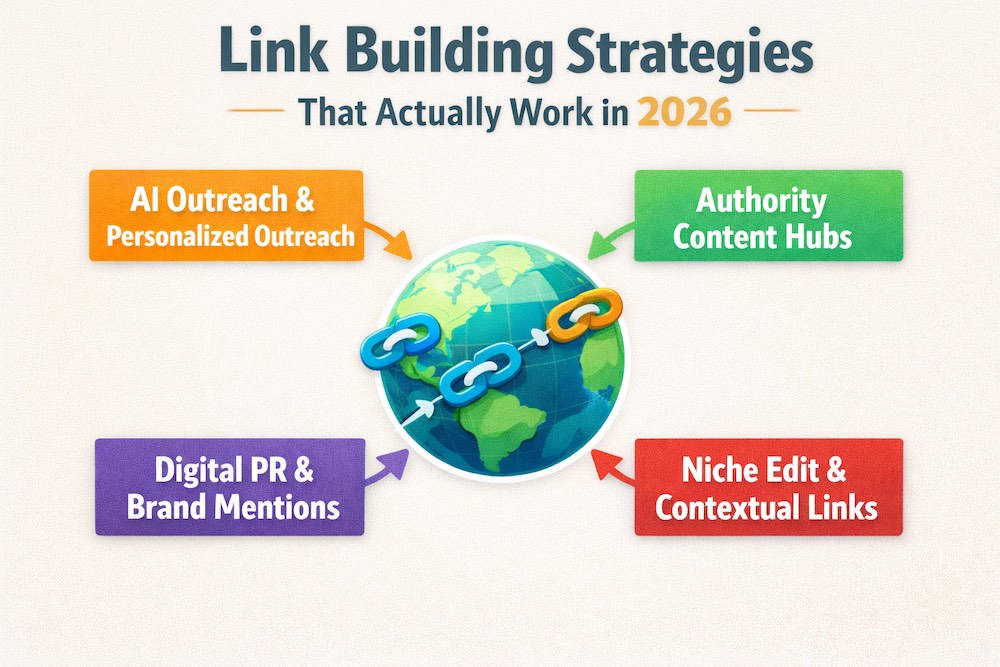
Building Authority: Why Links Still Matter
For small to mid-sized businesses, navigating the complexities of SEO often means making tough choices. When it comes to link building, the goal isn’t just more links; it’s about earning authority and relevance that Google recognizes. This article cuts through the noise, offering a pragmatic approach to link building that focuses on what actually moves the needle for teams with limited resources. You’ll gain clear guidance on prioritizing effective strategies, understanding critical trade-offs, and avoiding common pitfalls that waste precious time and budget.
We’ll focus on actionable tactics that deliver sustainable results, helping you build a robust backlink profile that supports long-term organic growth. This isn’t about chasing every link opportunity; it’s about strategically acquiring high-quality links that genuinely enhance your site’s credibility and search performance.
Prioritizing Foundational Link Building Tactics
Before you even think about external outreach, ensure your internal linking structure is optimized. This is often overlooked but provides immediate SEO benefits by distributing authority across your site and improving crawlability. Think of it as strengthening your own foundation before building external bridges.
- Strategic Internal Linking: Map out your content clusters and ensure relevant pages link to each other using descriptive anchor text. Your most important pages should receive internal links from many related, authoritative pages on your site. This is a zero-cost, high-impact activity.
- Creating Linkable Assets: The most sustainable way to earn links is to have content worth linking to. This means investing in high-quality, unique, and valuable content that solves a problem, provides deep insights, or presents original data. Examples include in-depth guides, original research, comprehensive tools, or unique data visualizations. This content acts as a magnet, attracting natural links over time.
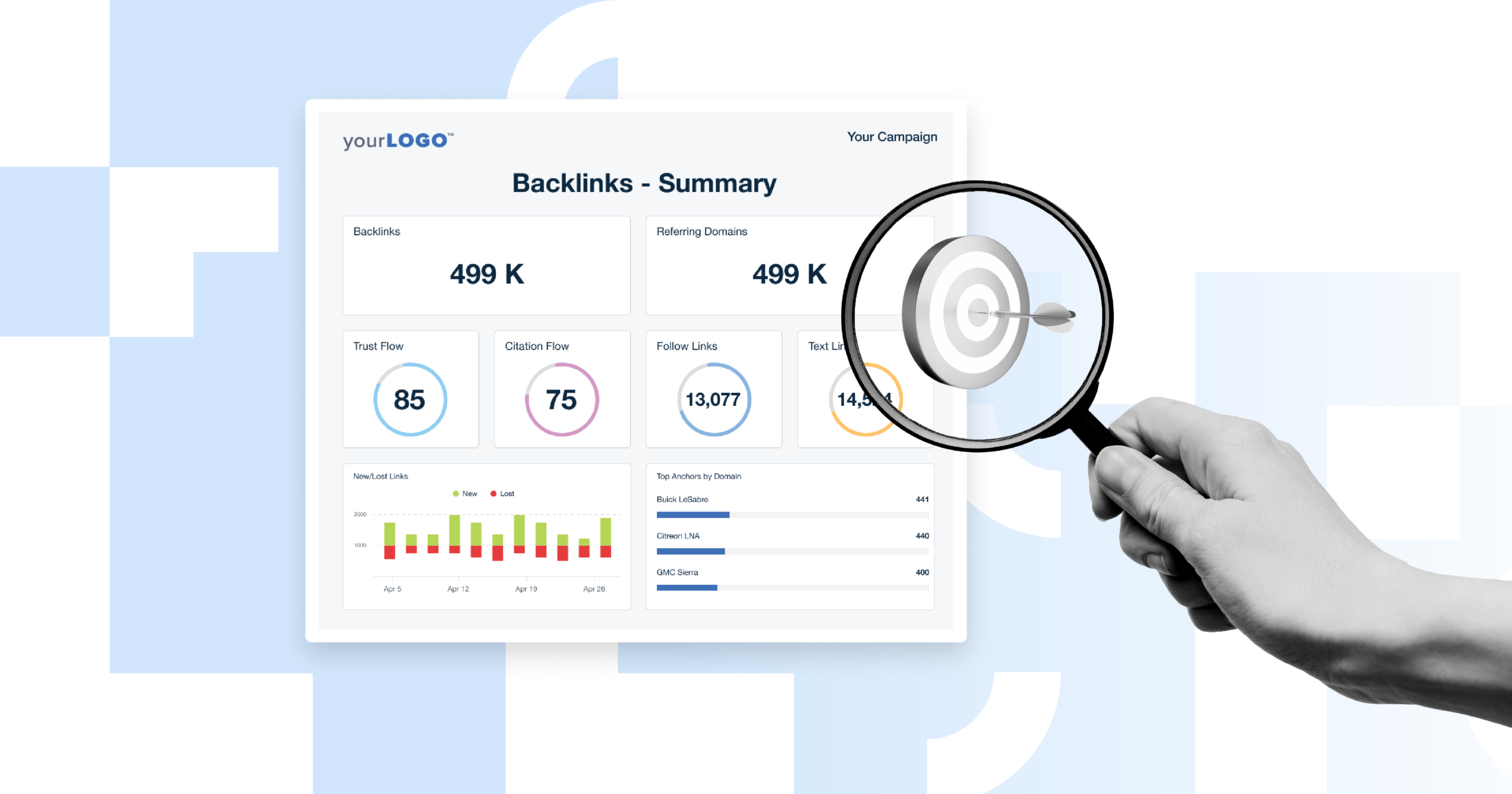
- Competitor Backlink Analysis for Insights: Use tools like Ahrefs or Semrush to analyze your top competitors’ backlink profiles. Don’t aim to replicate every link; instead, identify patterns. Look for common types of linking sites (e.g., industry blogs, resource pages, news outlets) and the *types* of content that attract links. This informs your content strategy and outreach targets.

Competitor backlink analysis dashboard
While strategic internal linking is indeed a zero-cost activity in terms of direct spend, it’s easy to overlook the ongoing time investment required. As your site grows, maintaining a logical, optimized internal link structure demands regular audits and updates. Neglecting this can lead to a tangled web of outdated or irrelevant links, diluting the very authority you aimed to distribute and making future content integration more complex than it needs to be. This is a classic example of a “set it and forget it” approach turning into a hidden operational debt.
Similarly, the promise of “natural links over time” from linkable assets often creates a false sense of passive success. In practice, even exceptional content rarely attracts significant links without some form of proactive promotion or initial seeding. Teams frequently invest heavily in creating a definitive guide or original research, only to see it languish because they assume discovery will happen organically. This leads to wasted resources and significant team frustration when the expected inbound links don’t materialize, highlighting a critical gap between the theory of content excellence and the reality of a crowded web.
Finally, competitor backlink analysis, while invaluable for insights, can also become a trap if not approached with a critical eye. It’s tempting to focus solely on the sheer volume of competitor links or to try and replicate every single one. This often leads to chasing low-quality, irrelevant links or attempting outreach that is unlikely to succeed because the context or relationship behind the original link is missing. The real challenge, and the true value, lies in discerning the intent behind a competitor’s link profile – understanding what kind of value proposition or relationship earned that link, rather than just listing the domains.
What to Deprioritize and Avoid Today
Given limited budgets and headcount, small to mid-sized teams must be ruthless about what they *don’t* do. Currently, you should deprioritize or outright avoid tactics that offer low ROI, carry high risk, or simply don’t scale effectively for your operational realities.
Specifically, steer clear of mass, untargeted outreach campaigns that send generic emails to hundreds of irrelevant websites. This approach yields abysmal conversion rates, damages your brand reputation, and wastes significant time. Similarly, outright buying links or participating in obvious link schemes is a dangerous game. While it might offer a temporary boost, Google’s algorithms are increasingly sophisticated at detecting and penalizing such practices, leading to severe long-term damage to your organic visibility. Focus your energy on earning links through genuine value and relationships, not shortcuts that could cost you everything. link schemes
Following the advice on avoiding mass outreach, it’s also critical to apply the same scrutiny to your content production. Many teams, under pressure to “feed the beast” of content marketing, default to churning out low-quality, keyword-stuffed articles or blog posts. This isn’t just ineffective; it carries a significant hidden cost. Each piece of mediocre content dilutes your brand’s authority, making it harder for genuinely valuable insights to stand out. Over time, this creates a vast “content debt” – a collection of assets that require auditing, updating, or outright deletion, consuming resources that could be better spent on impactful work. The immediate pressure to publish often overshadows the long-term damage to credibility and the operational burden of managing a bloated, underperforming content library.
Another common pitfall for resource-constrained teams is the urge to chase every new platform or feature. The fear of missing out (FOMO) can drive decisions to establish a presence on every emerging social channel or experiment with every new AI tool. In practice, this almost always leads to fragmented effort and mediocre execution across the board. Each new platform demands dedicated strategic thinking, content adaptation, and consistent engagement. Spreading your limited headcount and budget too thin means you’re likely doing a poor job everywhere, rather than excelling in the channels that genuinely resonate with your audience. The real cost isn’t just the time spent setting up profiles; it’s the opportunity cost of not deepening your presence and impact where you already have traction, and the human toll of constantly context-switching and feeling overwhelmed.
Modern Link Earning Strategies That Work
With a solid internal linking structure and valuable content in place, you can strategically pursue external links. These methods focus on earning, not just asking.
- Resource Page Link Building: Identify websites in your niche that curate lists of helpful resources. If your content genuinely adds value to their audience, reach out and suggest it as an addition. This works well because these pages are explicitly designed to link out to useful external content.
- Broken Link Building (Strategic): Find broken links on authoritative websites in your niche. Create superior content that addresses the topic of the broken link, then inform the webmaster about the broken link and suggest your content as a replacement. This requires careful research and a genuinely better piece of content.
- HARO (Help A Reporter Out) & Media Outreach: Sign up for services like HARO to receive daily queries from journalists looking for sources. By providing expert commentary or unique insights, you can earn high-authority links from news sites and publications. This is a time-intensive but highly effective strategy for securing editorial links.
- Strategic Content Partnerships: Collaborate with non-competing businesses or influencers in your industry. This could involve co-creating content, guest appearances on podcasts, or joint webinars, all of which can naturally lead to mutual link opportunities and expanded reach.
- Leveraging Existing Relationships: Don’t overlook your current network. Partners, suppliers, clients, and industry associations often have websites and may be willing to link to your valuable content if it benefits their audience. A simple, polite request can go a long way.
Measuring Impact and Adapting Your Approach
Link building isn’t a set-it-and-forget-it activity. You need to track its impact and adapt your strategy based on what’s working. Focus on metrics that reflect real business value, not just vanity numbers.
- Monitor Organic Traffic & Keyword Rankings: The ultimate goal of link building is improved organic visibility. Track the organic traffic to pages that have acquired new links and observe changes in keyword rankings.
- Analyze Referral Traffic: While not the primary goal, high-quality links can also drive direct referral traffic. Monitor your analytics to see which new links are sending engaged visitors to your site.
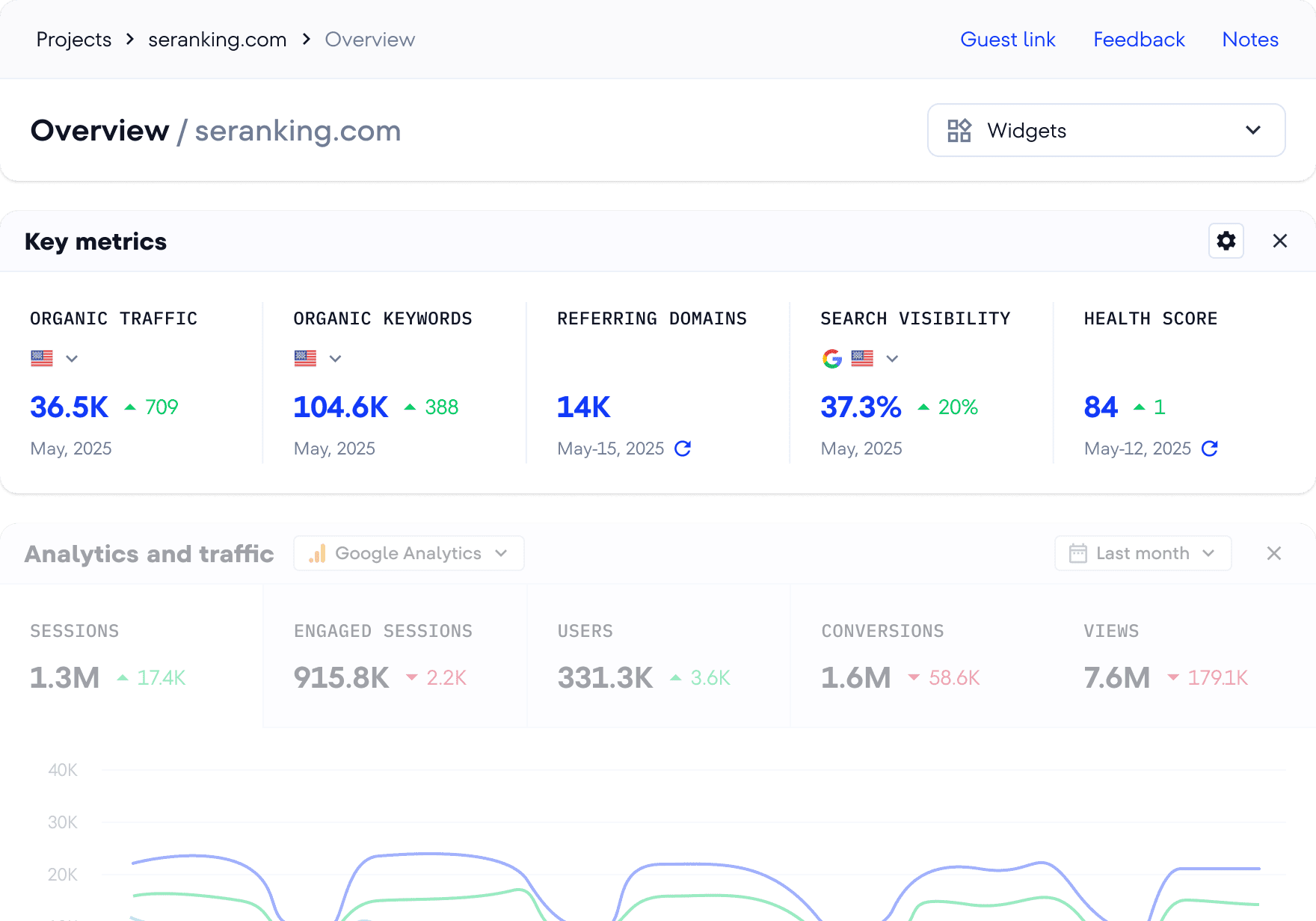
- Track New Referring Domains: Use tools like Ahrefs or Semrush to monitor new referring domains and the quality of those links. Pay attention to the domain authority and relevance of the linking sites.

SEO backlink tracking dashboard - Iterate Based on Performance: If a particular outreach method or content type consistently yields high-quality links, double down on it. If another approach is failing, adjust or abandon it. Your strategy should be dynamic, informed by real-world data.
Sustaining Your Authority Through Consistent Effort
Earning authority through link building is an ongoing process, not a one-time project. For small to mid-sized businesses, consistency and a focus on genuine value are far more important than aggressive, short-term tactics. By prioritizing internal linking, creating truly valuable content, and engaging in strategic, relationship-based outreach, you’ll build a robust and sustainable backlink profile. This approach not only improves your search rankings but also strengthens your brand’s overall credibility and digital footprint, ensuring long-term growth even with limited resources.

Leave a Comment