

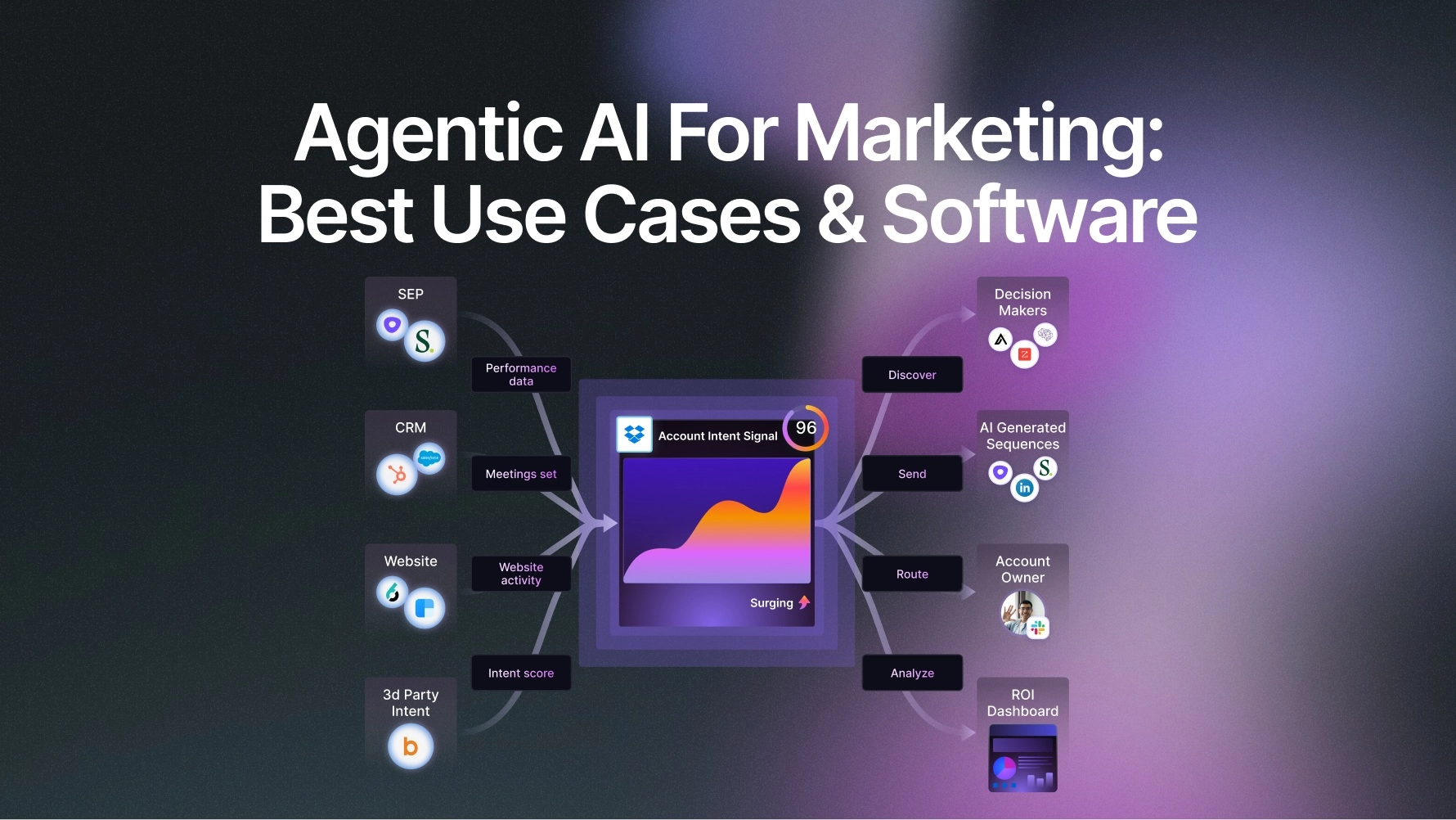
For small to mid-sized marketing teams, the promise of agentic AI isn’t about replacing people, but about amplifying their impact. These tools offer a tangible path to automate complex, multi-step marketing tasks that typically consume significant time and resources. By understanding how to integrate them strategically, you can free up your team for higher-level strategy and creative work, directly translating into more efficient campaigns and better revenue outcomes.
This article cuts through the hype to focus on practical applications, helping you identify where agentic AI can deliver real value today, what to prioritize given your constraints, and what to deprioritize to avoid wasted effort.
What Agentic AI Means for Your Marketing Team
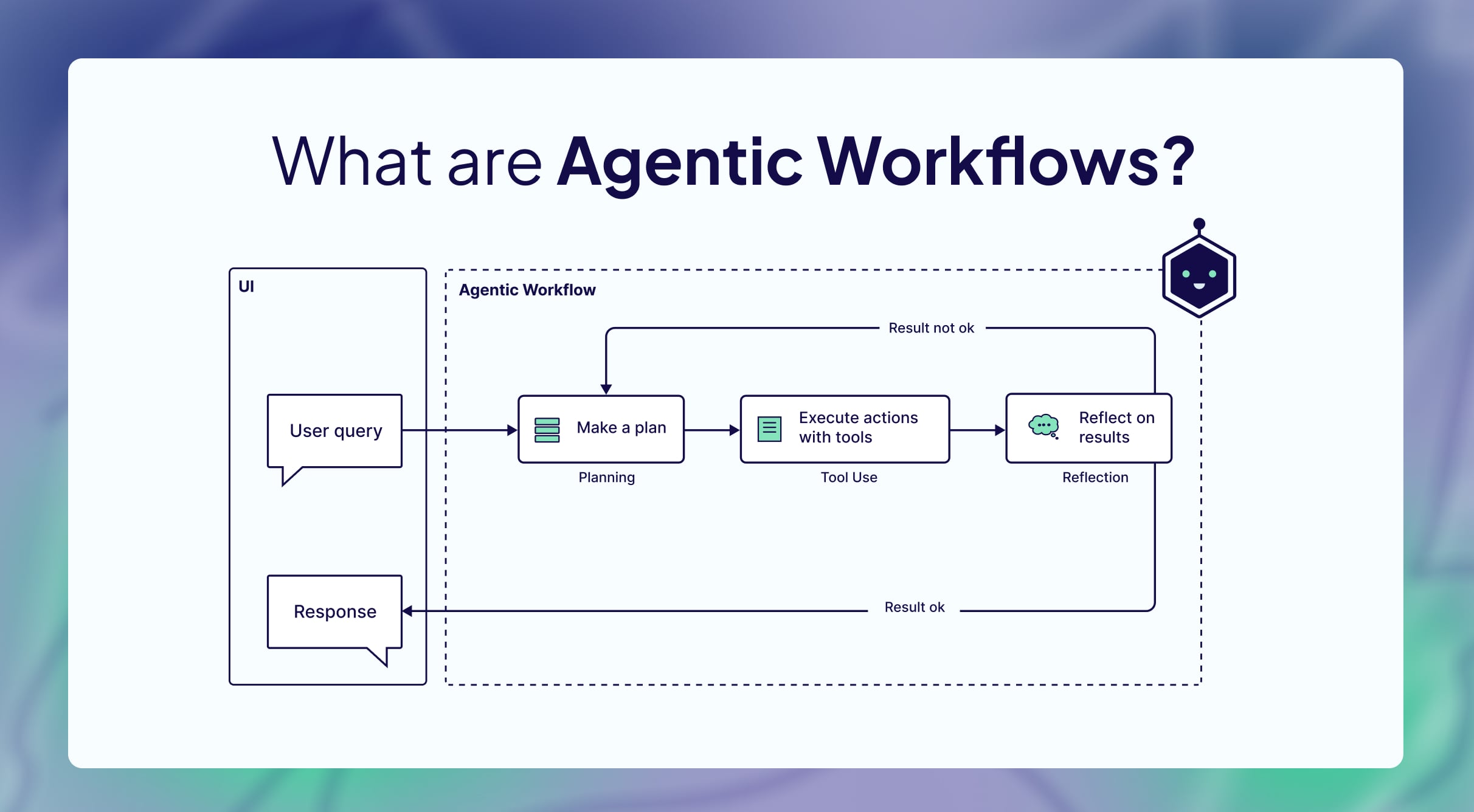
Agentic AI tools differ from simpler automation or single-task AI by their ability to autonomously plan, execute, and adapt a sequence of actions to achieve a defined goal. Think beyond a chatbot that answers questions; an agentic AI might research market trends, draft a blog post, generate social media updates, and schedule them, all based on an initial prompt and feedback loop. This capability is particularly powerful for SMBs operating with limited headcount and budget.
Instead of just assisting with a single step, these agents can orchestrate entire micro-workflows. For example, an agent could monitor competitor activity, identify new content gaps, and then propose or even draft content ideas, complete with keyword suggestions and audience targeting insights. The key is their capacity for iterative problem-solving and goal-oriented action without constant human intervention.
Prioritizing Agentic AI Implementations for SMBs
Given limited resources, strategic prioritization is crucial. Focus on areas where agentic AI can deliver immediate, measurable time savings or performance improvements with minimal integration overhead.
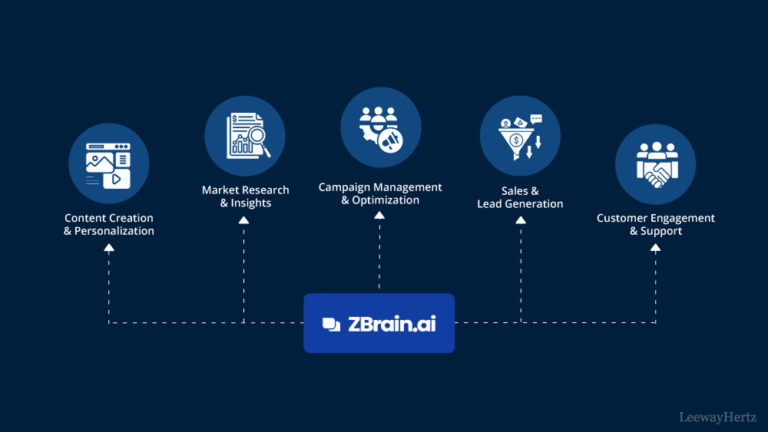
Content Generation & Repurposing: This is often the lowest-hanging fruit. Agentic tools can take a long-form article and autonomously generate multiple social media posts, email snippets, or even video script outlines. This dramatically reduces the manual effort in content distribution and ensures consistent messaging across channels. Prioritize tools that integrate with your existing content management systems or social media schedulers.
Initial Market Research & Trend Spotting: Deploy agents to continuously monitor industry news, competitor movements, and emerging search trends. They can synthesize information and flag opportunities or threats, providing your team with actionable insights without hours of manual data sifting. This is especially valuable for identifying new keyword opportunities or shifts in customer sentiment. market research with AI
Campaign Monitoring & Optimization Suggestions: While full autonomous campaign management is still maturing, agents excel at monitoring campaign performance against KPIs. They can identify underperforming ads, suggest budget reallocations, or recommend A/B test variations based on real-time data. This reduces the need for constant manual oversight and helps optimize spend.
What often gets overlooked in the initial excitement around agentic content generation is the shift in human effort, not its elimination. While agents can indeed churn out volume, they frequently struggle with the nuances of a specific brand voice, industry-specific jargon, or the subtle context required for truly impactful messaging. The result isn’t always a time saving; instead, it often translates into a new bottleneck: intensive human review and refinement to elevate generic output to a publishable standard. Without this critical human layer, the risk is a deluge of mediocre content that dilutes brand authority or, worse, requires more editing time than original creation.
Similarly, relying solely on agent suggestions for campaign monitoring can introduce a different kind of hidden cost. Agents excel at optimizing for specific, predefined KPIs, but they lack the broader strategic context that a human practitioner brings. An agent might efficiently optimize for the lowest cost-per-click, for instance, without understanding that those clicks are coming from an audience segment unlikely to convert into actual customers. The downstream effect is often wasted budget on high-volume, low-quality traffic, making it harder to diagnose the true performance issues and achieve meaningful business outcomes.
This brings us to a critical, often frustrating, practical reality: the need for continuous human oversight and judgment. The promise of “autonomous” can lead to an expectation of set-it-and-forget-it, but in practice, teams spend considerable time validating agent outputs and suggestions. This isn’t just about initial trust; it’s about understanding the agent’s limitations, recognizing when its recommendations diverge from strategic goals, and knowing when to override its decisions. This constant validation creates a new cognitive load and decision pressure, requiring a deeper level of human expertise than simply executing tasks, which can be a source of significant frustration when the initial expectation was reduced workload.
What to Deprioritize or Skip Today
While the potential of agentic AI is vast, it’s critical for SMBs to avoid chasing every shiny new tool or attempting overly ambitious implementations. Today, deprioritize or skip building highly customized, multi-agent systems from scratch that require significant development resources or deep technical expertise. The cost and complexity often outweigh the immediate benefits for teams with limited IT support. Similarly, avoid relying on agents for high-stakes, strategic decision-making without robust human oversight and validation. The nuance of brand voice, ethical considerations, and complex customer relationships still requires human judgment. Focus on augmenting your team’s capabilities, not replacing their strategic roles.
What often gets overlooked in the initial excitement is the hidden cost of maintenance and drift. Even seemingly simple agentic setups require ongoing attention. Data sources change, business rules evolve, and the underlying models can subtly shift their output over time. For a small team, this isn’t just an IT burden; it becomes a marketing or operations task to constantly monitor, retrain, or reconfigure, turning what was pitched as an efficiency gain into a new, recurring operational overhead.
Another common pitfall is the subtle erosion of brand voice. While agents can generate content at scale, relying on them too heavily without a robust human editorial layer often leads to a generic, homogenized output. The initial speed advantage quickly dissipates when every piece of content requires extensive human rewriting to inject personality, nuance, or a specific brand perspective. This isn’t just about quality; it’s a downstream effect that creates significant human frustration and can actually slow down content pipelines as teams spend more time correcting than creating.
Furthermore, the theoretical efficiency of agents handling routine tasks frequently collides with the reality of edge cases. In practice, a significant portion of human effort in any process is dedicated to managing exceptions, unusual customer queries, or non-standard scenarios. Agents, especially simpler ones, struggle with these deviations. Teams can find themselves spending more time identifying, triaging, and manually handling the agent’s failures or correcting its outputs for these exceptions than they would have spent performing the entire task manually. This creates a difficult decision point: is the “automation” truly saving time, or merely shifting the burden to a more complex, error-prone oversight role?
Navigating Integration and Data Challenges
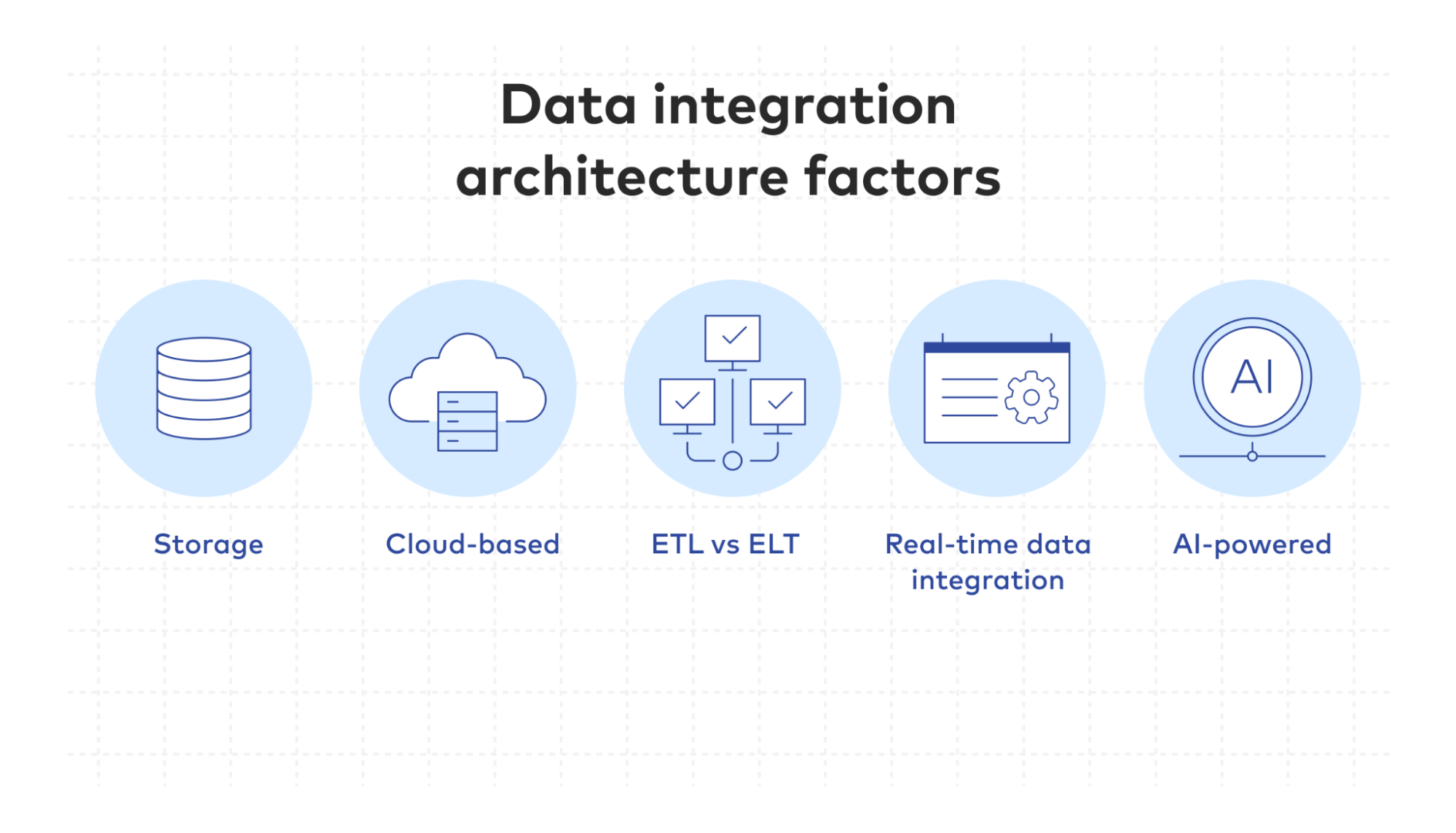
The real-world effectiveness of agentic AI hinges on seamless integration with your existing marketing stack and access to clean, relevant data. Many SMBs struggle with siloed data and disparate tools, which can hinder an agent’s ability to perform complex tasks effectively.
API-First Approach: When evaluating tools, prioritize those with robust APIs that allow for easier connection to your CRM, analytics platforms, and content management systems. This reduces manual data transfer and improves the agent’s operational scope.
Data Hygiene: Garbage in, garbage out. Invest time in cleaning and structuring your marketing data. An agent can only be as effective as the data it processes. This might mean standardizing naming conventions, consolidating customer data, or ensuring consistent tagging across campaigns.
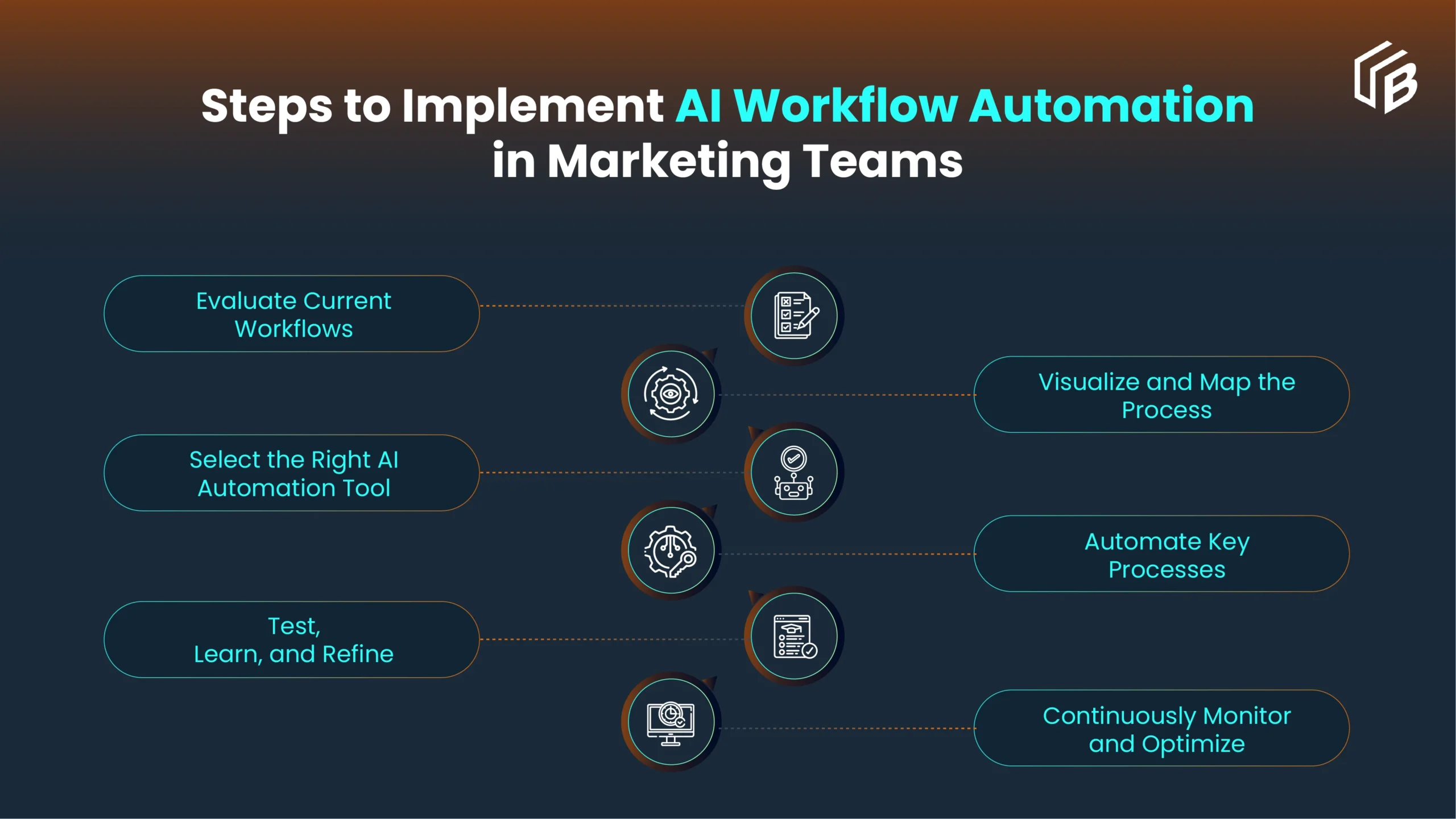
Phased Rollouts: Don’t try to automate everything at once. Start with a single, well-defined workflow, measure its impact, and then expand. This iterative approach allows your team to learn, adapt, and refine the agent’s performance without overwhelming your operations.
The Practitioner’s Mindset: Augmentation, Not Replacement
The most successful adoption of agentic AI in SMB marketing won’t come from a desire to replace human marketers, but to augment their capabilities. View these tools as force multipliers, handling the repetitive, data-intensive, or time-consuming tasks that prevent your team from focusing on creativity, strategic thinking, and genuine customer engagement. Your role shifts from execution to oversight, refinement, and strategic direction. This pragmatic approach ensures that agentic AI becomes a valuable asset, not another technological burden, helping your business grow smarter and faster.

Leave a Comment