

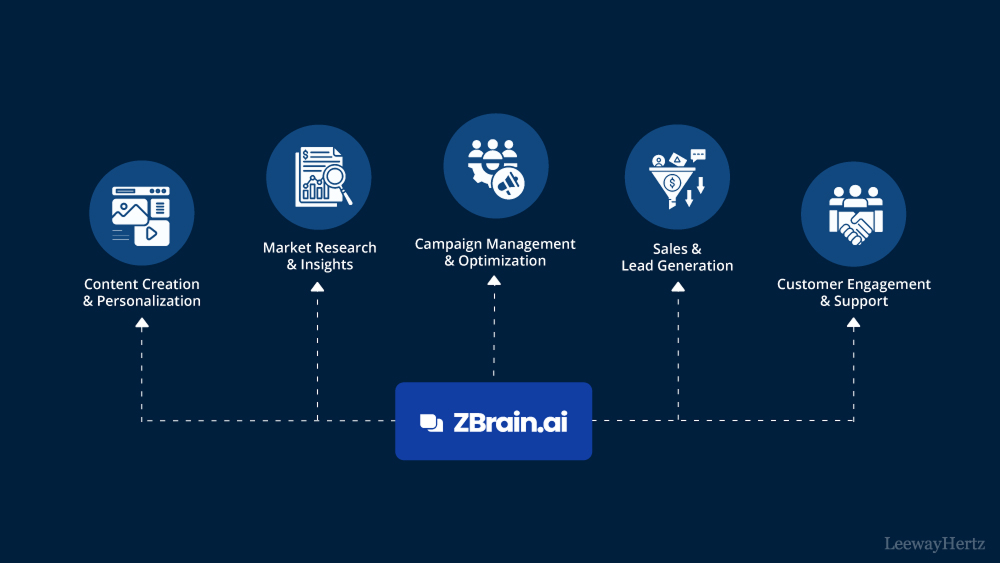
For small to mid-sized businesses, Generative AI isn’t just a buzzword; it’s a practical tool that can significantly amplify your marketing efforts without demanding a massive budget or specialized team. This article cuts through the hype to show you where Generative AI delivers real, tangible benefits right now. You’ll learn how to prioritize its applications, craft effective prompts, and integrate these tools into your existing workflows to produce compelling content and campaigns that drive growth. We’ll also highlight what to skip, ensuring your limited resources are focused on what truly moves the needle.
Understanding Generative AI’s Practical Role Today
Generative AI, as of April 2026, serves as a powerful assistant for marketing teams, not a replacement. For SMBs, its immediate value lies in accelerating content creation, ideation, and personalization. It acts as a force multiplier, enabling more variations, faster testing, and tailored messages without proportional headcount increases. AI excels at repetitive tasks, rapid iteration, or diverse linguistic/visual outputs. This isn’t about automating your entire strategy, but making your strategists more productive.
Prioritizing Generative AI Applications for SMBs
Given limited resources, focus on applications offering the highest return with least friction.
- Content Generation (Text): The low-hanging fruit. Use AI for drafting blog outlines, social media captions, email subject lines, ad copy variations, and initial article drafts. Reduces time spent on blank pages.
- Basic Image and Visual Asset Creation: For social media, blog headers, or simple ad visuals, generative AI tools quickly produce unique images from text prompts. Useful when stock photos feel generic or custom photography is costly.

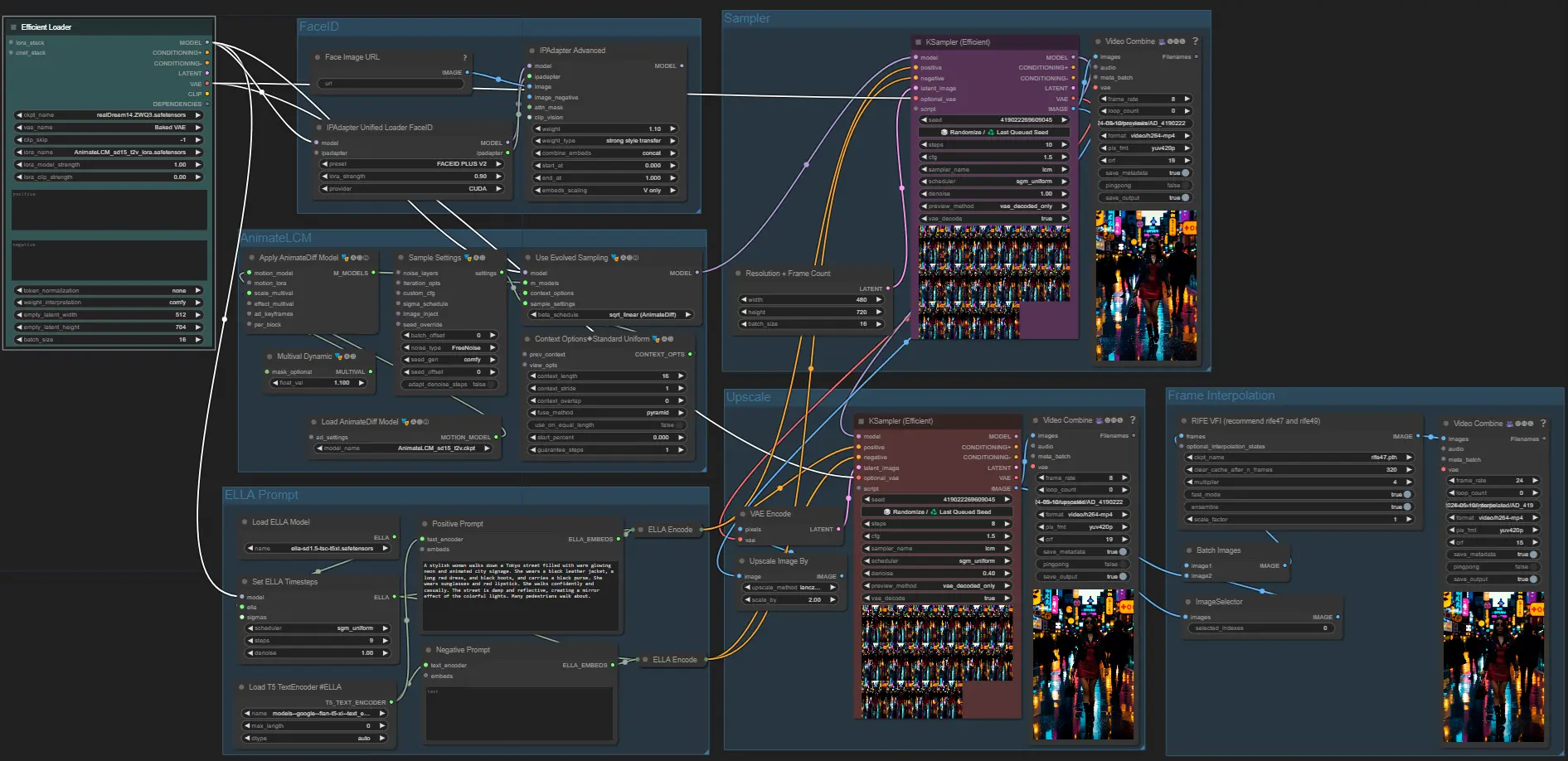
Workflow for AI image generation - Campaign Ideation and Brainstorming: AI generates campaign themes, taglines, and content angles based on audience and objectives. Helps break creative blocks and expands initial thinking.
- Personalization at Scale: AI can tailor email segments or ad copy variations for different personas much faster than manual methods, allowing more relevant messaging.
Prioritize these areas first; they offer immediate efficiency gains and directly impact campaign output.
However, the immediate efficiency gains often mask hidden costs and downstream effects that small teams must anticipate. One common pitfall is the subtle erosion of brand voice. While AI excels at generating variations and filling content gaps quickly, an over-reliance without rigorous human oversight can lead to a homogenized output. Your content might become technically correct but lack the unique personality, specific nuances, and authentic tone that differentiate your brand. This isn’t an immediate failure, but a gradual dilution that can diminish audience connection and trust over time.
Another overlooked aspect in practice is the skill required for effective prompt engineering. The promise of “instant content” can lead teams to underestimate the iterative process of refining prompts to achieve truly usable, on-brand results. What looks like a simple text box often demands a clear understanding of desired output, context, and constraints. Without this investment in learning to “speak” to the AI effectively, teams can waste significant time generating and discarding irrelevant or low-quality drafts, turning a promised efficiency gain into a frustrating time sink.
For now, deprioritize using generative AI for highly sensitive communications, complex strategic planning, or content that demands deep, nuanced empathy and original thought. While AI can assist with brainstorming, it should not replace the core strategic thinking or the human touch required for truly impactful messaging. The risk of factual inaccuracies, misinterpretations, or simply generic output in these critical areas often outweighs the perceived speed benefit, especially when a small team’s reputation is on the line.
Crafting Effective Prompts: The Core Skill
The quality of your AI output directly correlates with prompt quality. It’s about clear context, desired persona, tone, format, length, and examples. Think of prompting as precise instructions to a fast, literal intern.
A good prompt includes:
- Role:

Leave a Comment