

For small to mid-sized businesses, cutting through the digital noise isn’t about bigger budgets; it’s about deeper connections. This article will show you how to leverage actionable storytelling to build genuine rapport with your audience, making your marketing efforts more effective and your brand more memorable. You’ll gain practical insights into prioritizing narrative strategies that deliver real impact, even with limited headcount and resources, helping you convert more prospects into loyal customers.
Why Storytelling Isn’t Just a Buzzword for SMBs
Storytelling often gets framed as a luxury for large brands with dedicated creative teams. In reality, it’s a fundamental human communication tool that small to mid-sized businesses can wield with significant advantage. Your size allows for authenticity and direct connection that larger enterprises struggle to replicate. It’s not about Hollywood production values; it’s about relatability. When you tell a compelling story, you don’t just sell a product; you sell a solution, an experience, or a transformation that resonates on an emotional level. This approach helps you stand out in crowded markets without needing to outspend competitors.
Uncovering Your Core Narrative: Beyond Features and Benefits
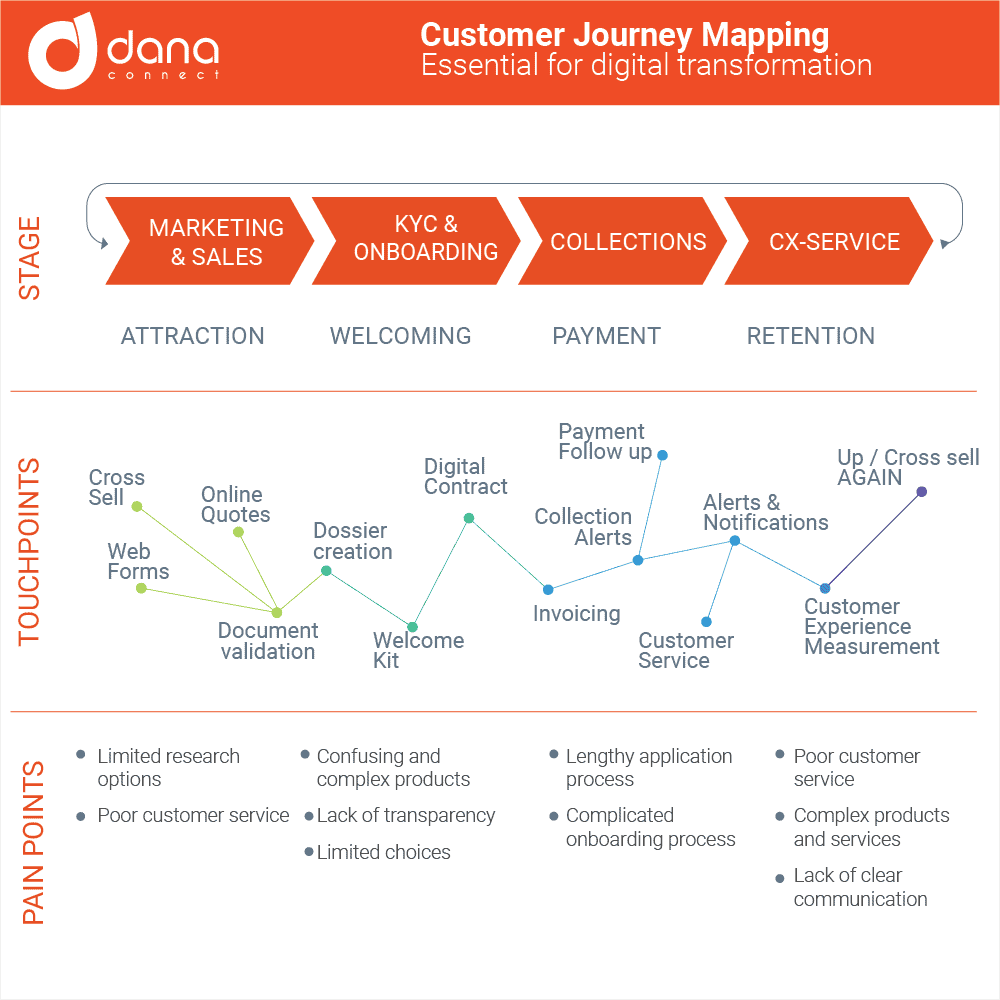
Many businesses default to listing features or benefits. While important, these rarely create an emotional bond. Your core narrative isn’t just what you do, but why it matters to your customer. It’s about understanding the journey your customer takes: their initial problem, their search for a solution, and the positive change they experience with your product or service.
To uncover this, ask:
- What specific problem does our customer face before they find us?
- What emotional state are they in when struggling with this problem?
- How does our offering directly address that pain point?
- What does their life or business look like after successfully using our solution? What transformation occurs?
Prioritize deep customer empathy. Conduct informal interviews, analyze support tickets, and review testimonials to pinpoint recurring themes. This isn’t a theoretical exercise; it’s the bedrock for all effective marketing communication.
What often gets overlooked is the depth required to truly unearth this narrative. Many teams stop at a plausible story, one that sounds good internally but lacks the raw, emotional truth that resonates with customers. The hidden cost here isn’t just wasted ad spend; it’s the cumulative effect of campaigns that consistently underperform, leading to team frustration, a constant scramble for new tactics, and a slow erosion of confidence in marketing efforts. Without a truly resonant narrative, every communication feels like pushing a boulder uphill.
Another common pitfall, especially for lean teams, is the assumption that once the narrative is defined, it will automatically permeate the organization. In practice, getting every customer-facing team member — from sales to support — to consistently articulate and embody this core story is a significant, ongoing challenge. When sales reverts to feature lists or support agents don’t connect issues back to the larger customer transformation, the narrative breaks down, creating a disjointed experience that undermines all the effort put into its creation.
This brings us to a crucial judgment call: deprioritize the pursuit of narrative perfection today. While the exercise of uncovering your core story is foundational, don’t get bogged down in endless internal debates, workshops, or trying to wordsmith every nuance before launch. The real-world constraint is that a “good enough” narrative, consistently applied and iterated upon based on actual customer feedback, will always outperform a theoretically perfect one that remains an internal document. Focus on getting a clear, authentic version out into the market, then listen and adapt.
Crafting Stories for Lean Teams: Prioritizing Impact
With limited resources, every storytelling effort must be strategic.
What to do first: Focus on authentic customer testimonials and case studies. These are gold. They provide social proof and tell a story of transformation directly from a trusted source. Encourage customers to share their ‘before and after’ experiences. Simple written testimonials, short video clips recorded on a phone, or a structured case study highlighting problem, solution, and results are highly effective. These require minimal creative heavy lifting and leverage existing successes.
What to delay: Elaborate brand origin stories or complex, multi-part narrative arcs. While these can be powerful, they demand significant time, budget, and professional production that most SMBs can’t sustain initially. Build your foundation on verifiable customer success first.
What to avoid: Generic ‘we’re the best’ or ‘our product is innovative’ narratives. These are self-serving and fail to connect. Shift the focus entirely to the customer’s journey and how your business empowers them to be the hero. Also, avoid trying to tell too many stories at once; pick one compelling narrative and refine it.
Use simple storytelling frameworks like Problem-Agitate-Solution (PAS) or the Hero’s Journey (with your customer as the hero) to structure your content. Apply these to blog posts, social media captions, and even email sequences.
While customer testimonials are indeed gold, the hidden cost often lies in their ongoing management and strategic deployment. It’s easy to collect a few great quotes or video snippets and then let them sit in a shared drive. The real value isn’t in collection, but in the systematic integration across your marketing touchpoints – website, emails, sales collateral, social media. Without a simple process for refreshing, categorizing, and actively distributing these stories, even the best testimonials become static assets, losing their cumulative impact over time. This requires a small but consistent effort that often gets deprioritized when the next “urgent” content piece comes along.
Applying simple frameworks like Problem-Agitate-Solution (PAS) is sound advice, but the practical pitfall is often a superficial understanding of the “Problem” and “Agitate” stages. Teams can rush to define a problem based on internal assumptions rather than deep customer insight. If you haven’t truly listened to how your customers articulate their pain, or if you’re not genuinely agitating that pain point in a way that resonates with their lived experience, your story will fall flat. It’s not enough to just have a problem statement; it needs to be their problem statement, expressed in their language, reflecting their specific frustrations. This requires more than just knowing the framework; it demands empathy and diligent research, which are easy to overlook in the rush to publish.
The pressure to constantly produce “new” content can also lead lean teams astray. There’s an internal pull, often driven by a perceived need for fresh material or competitive comparison, to invest in those elaborate brand stories or complex narratives that were initially flagged for delay. This often happens before the existing, high-impact customer stories have been fully exhausted or optimized. The frustration builds when resources are stretched thin chasing a high-production, low-return effort, while simpler, more effective storytelling opportunities (like repurposing a powerful customer case study into five different micro-content pieces) are left on the table. Prioritizing impact means resisting the urge for novelty until the foundational, verifiable stories are working hard for you.
Integrating Storytelling Across Marketing Channels
Once you have your core narratives, weave them consistently into every customer touchpoint.
- Website: Your ‘About Us’ page should tell your why, but product and service pages should tell customer success stories. Use testimonials prominently.
- Email Marketing: Share snippets of customer stories, behind-the-scenes glimpses of your team solving problems, or the journey of a new product from concept to customer impact.
- Social Media: This is ideal for micro-stories. Share user-generated content, quick customer spotlights, or short videos demonstrating a problem and its solution.
- Advertising: Instead of just listing features, craft ad copy that presents a common customer problem and hints at the transformative solution you offer. A simple narrative can significantly boost ad recall and engagement.
Measuring Story Impact Without a Data Science Team
You don’t need complex analytics to gauge the effectiveness of your storytelling. Focus on accessible metrics that indicate engagement and conversion.
- Engagement Metrics: Track time on page for story-driven blog posts, social media shares, comments, and direct messages. Higher engagement suggests your narrative is resonating.
- Conversion Metrics: Monitor lead form submissions or sales directly attributed to content that heavily features customer stories or problem-solution narratives. Compare conversion rates of pages with strong storytelling versus those that are purely descriptive.
- Qualitative Feedback: Pay attention to how customers talk about your brand. Do they repeat elements of your story? Do they share their own stories in response? This qualitative data is invaluable.
Simple A/B tests on headlines or ad copy that incorporate narrative elements versus those that don’t can provide clear directional insights. For example, test an ad headline like ‘Struggling with [Problem]? See how [Customer Name] found [Solution]’ against a feature-focused headline.
The Trade-Offs: What to Deprioritize Today
For small to mid-sized teams, the biggest trap in storytelling is aiming for cinematic perfection. Currently, you should deprioritize investing heavily in high-production value video storytelling, interactive narrative experiences, or elaborate brand documentaries. While these can be impactful, they demand significant budget, specialized skills, and a dedicated team that most SMBs simply don’t have. The operational overhead and financial risk often outweigh the potential gains. Instead, channel those limited resources into authentic, low-cost formats: written customer testimonials, simple interview videos shot on a smartphone, user-generated content, or compelling written case studies. The goal is genuine connection and relatability, not a blockbuster production. Focus on the message and the emotion, not the gloss.
Sustaining Your Narrative Advantage
Storytelling isn’t a one-time campaign; it’s an ongoing process. To maintain your narrative advantage, consistently seek out new customer stories. Encourage feedback, run surveys, and actively listen to your audience. As your business evolves and your customers’ needs shift, so too should your narrative. Regularly revisit your core message to ensure it remains relevant and impactful. Your most powerful stories are often waiting to be discovered within your existing customer base and daily operations. customer success storytelling


Leave a Comment