

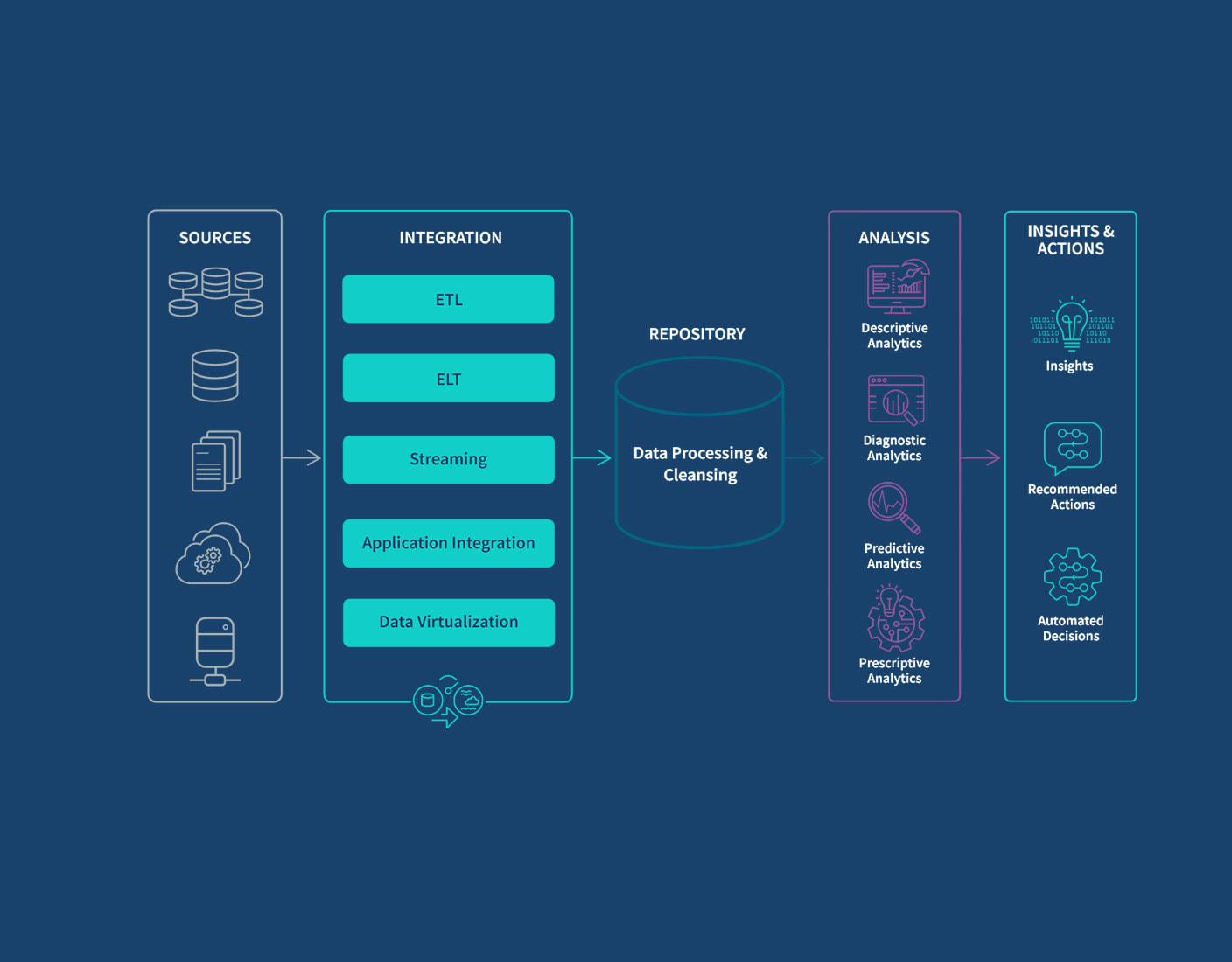
Making smart marketing decisions with limited resources is a constant challenge for small to mid-sized businesses. This article cuts through the noise, showing you how to practically apply AI tools to extract actionable insights from your data, enabling you to optimize campaigns and increase revenue without needing a data science team.
You’ll learn where to focus your efforts, what AI applications deliver real value today, and critically, what to deprioritize to avoid wasting precious budget and time. Our goal is to equip you with a pragmatic framework for leveraging AI to make better, faster marketing choices.
Why AI for Marketing Insights Isn’t Optional Anymore
The days of relying solely on intuition or basic analytics dashboards are largely behind us. Customer behavior is more complex, competition is fiercer, and data volumes are growing. For SMBs, this means the ability to quickly understand what’s working, what’s not, and why, is paramount. AI tools aren’t just for enterprise-level operations; they’ve become accessible and essential for extracting meaningful patterns from your marketing data that human analysis alone often misses.
This isn’t about replacing human marketers, but augmenting their decision-making capabilities. AI can process vast datasets, identify correlations, and predict outcomes with a speed and scale that allows your team to focus on strategy and execution, rather than manual data crunching.
Prioritizing AI Tools for Data Analysis: Where to Start
When budgets and headcount are tight, choosing the right AI tools is about impact and integration. Don’t chase every shiny new feature. Focus on tools that directly address your most pressing data analysis needs and can integrate with your existing marketing stack.
- Customer Segmentation & Personalization: Start here. AI can identify distinct customer segments based on behavior, demographics, and purchase history far more accurately than manual methods. This allows for highly targeted messaging and offers, improving conversion rates. Look for AI capabilities within your CRM or email marketing platforms.
- Campaign Performance Optimization: Tools that analyze ad spend, click-through rates, and conversion paths across channels are invaluable. They can recommend budget shifts, audience adjustments, or creative changes in near real-time. Many ad platforms (e.g., Google Ads, Meta Ads) now incorporate significant AI-driven optimization features.
- Content Performance & SEO Insights: AI can analyze content engagement, identify trending topics, and suggest improvements for SEO. This helps you create content that resonates and ranks better. Tools like Semrush or Ahrefs are increasingly integrating AI for deeper content and keyword analysis. AI content marketing
Prioritize tools that offer clear, actionable recommendations rather than just raw data. The goal is to move from


Leave a Comment