

Unlock Local Visibility and Foot Traffic
For small to mid-sized businesses, local SEO isn’t just an option; it’s a fundamental growth lever. This guide cuts through the noise, offering a pragmatic roadmap to boost your online visibility and get more customers through your door. We’ll focus on actionable steps that deliver real results, even with limited budgets and headcount, helping you make smart trade-offs.
You’ll learn precisely where to invest your time and resources for maximum impact, understanding what truly moves the needle in today’s local search landscape. This isn’t about doing everything; it’s about doing the right things first to outmaneuver competitors and connect with your local customer base.
Prioritize Your Google Business Profile (GBP)
Your Google Business Profile is the single most critical asset for local SEO. Think of it as your digital storefront on Google Search and Maps. Neglecting it is akin to having a physical store with no signage. Optimizing your GBP is not optional; it’s the first, most impactful step you can take.
- Claim and Verify: If you haven’t already, claim and verify your business profile. This is non-negotiable.
- Complete All Sections: Fill out every single field accurately and thoroughly. This includes business name, address, phone number (NAP), website, hours, services, products, and categories. Use specific, relevant categories that accurately describe your core business.
- High-Quality Photos: Upload compelling photos of your storefront, interior, products, and team. Visuals significantly increase engagement and trust.
- Regular Posts: Use the GBP Posts feature to share updates, offers, events, or new products. This keeps your profile active and signals to Google that your business is current.
- Q&A Section: Monitor and answer questions in your Q&A section. Proactively add frequently asked questions and their answers.
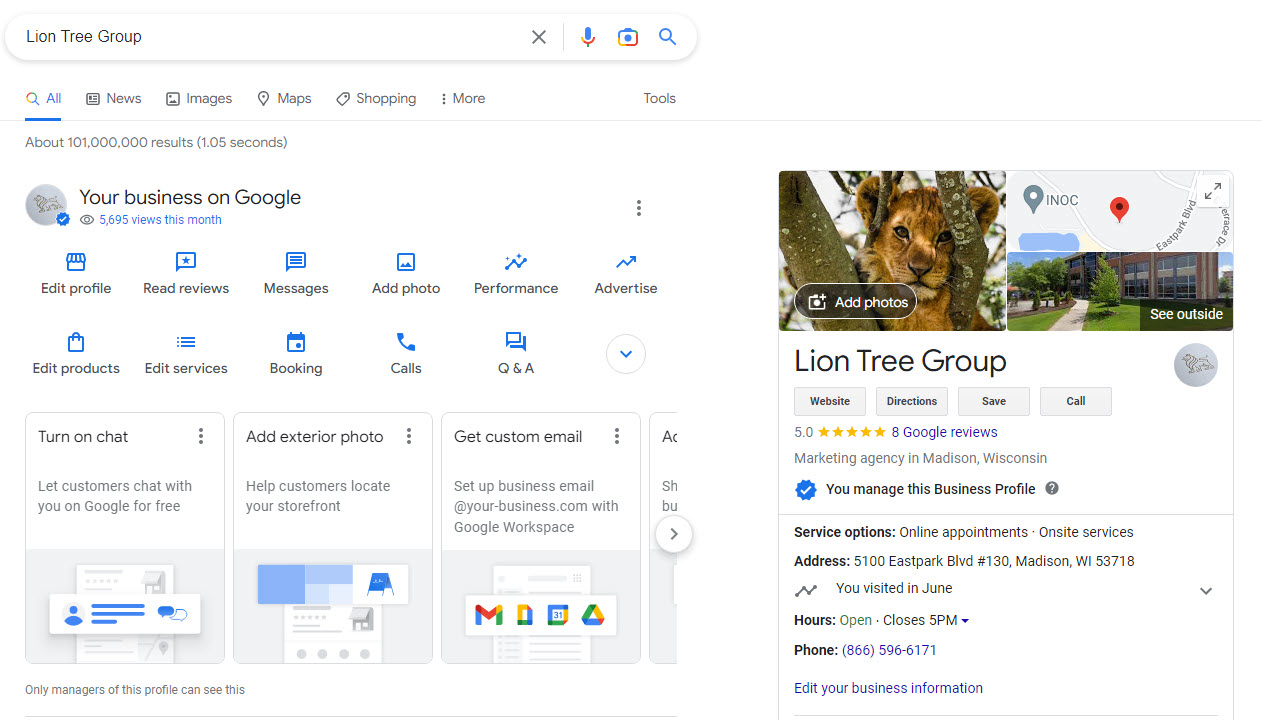
While the initial setup of your Google Business Profile is a critical project, many teams fall into the trap of treating it as a “set it and forget it” task. This oversight carries significant hidden costs. An outdated profile—whether it’s incorrect holiday hours, services no longer offered, or old photos—can actively deter potential customers. They might show up to a closed business, call a disconnected number, or assume your business isn’t current, leading directly to frustration, negative reviews, and lost opportunities. The immediate impact of a missing field is obvious, but the slow decay of an unmaintained profile is a more insidious failure mode.
The real challenge lies in the ongoing commitment required. Monitoring the Q&A section and actively responding to reviews, for instance, isn’t just an SEO best practice; it’s a direct customer service channel. Neglecting these interactions sends a clear signal that you’re not engaged, eroding trust over time. Furthermore, Google’s algorithm values consistency. If your GBP details contradict information on your website or other online directories, it creates confusion not only for search engines but also for potential customers, diluting the authority and impact of your profile.
For small teams, the continuous effort of posting updates, managing reviews, and ensuring data accuracy often gets deprioritized against more immediate operational demands. It’s easy to view these tasks as administrative overhead rather than direct marketing and customer retention activities. However, delaying or skipping this ongoing maintenance means you’re not just missing out on potential gains; you’re actively undermining the initial investment and risking a slow, but steady, decline in your local search visibility and customer perception.
Master Local Citations and NAP Consistency
Beyond GBP, consistent Name, Address, and Phone number (NAP) across the web is crucial. These are ‘citations’ – mentions of your business information on other websites. Inconsistent NAP data confuses search engines and erodes trust, hindering your local ranking potential.
- Core Directories: Focus on major, high-authority directories like Yelp, Apple Maps, Facebook, and industry-specific platforms. These carry the most weight.
- Manual Audit: Conduct a manual audit of your existing citations. Correct any discrepancies immediately. Even a slight variation in your address (e.g.,


Leave a Comment