

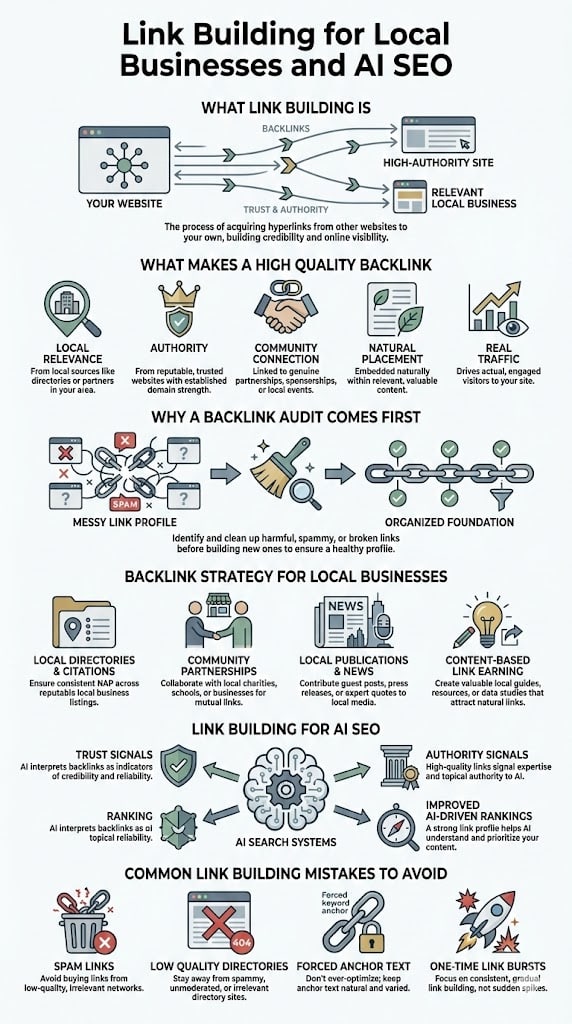
The AI Shift: Why Traditional Link Building is Evolving
The search landscape is shifting rapidly, driven by advanced AI. For small to mid-sized businesses, this means traditional link building tactics are less effective, and a focus on genuine authority is paramount. This article cuts through the noise to provide a pragmatic roadmap for earning high-quality links and building domain authority in an AI-first world, helping you make smart decisions with limited resources. You’ll learn where to invest your effort for maximum impact and what to deprioritize to avoid wasted time and budget.
Today, search engines leverage AI not just for ranking, but for understanding content context, user intent, and the true authority of a source. This means the old playbook of acquiring links purely for quantity or specific anchor text is increasingly obsolete. AI algorithms are far more adept at identifying manipulative patterns and valuing genuine expertise, experience, authoritativeness, and trustworthiness (E-E-A-T). For your business, this translates to a critical need to shift from ‘link acquisition’ to ‘link earning’ – a distinction that matters more than ever. The goal isn’t just a backlink; it’s a signal of trust and relevance from a credible source.
Prioritizing Real Authority: What Works Now
With limited resources, every link building effort must count. Focus on strategies that align with AI’s emphasis on genuine value.
Exceptional Content as Your Magnet: This isn’t new, but its importance is amplified. Create content that genuinely solves problems, offers unique insights, or provides definitive answers. Think long-form guides, original research, or deeply practical how-tos that become go-to resources in your niche. When your content is truly valuable, others will naturally want to reference it. This is the most sustainable and AI-proof approach to earning links.

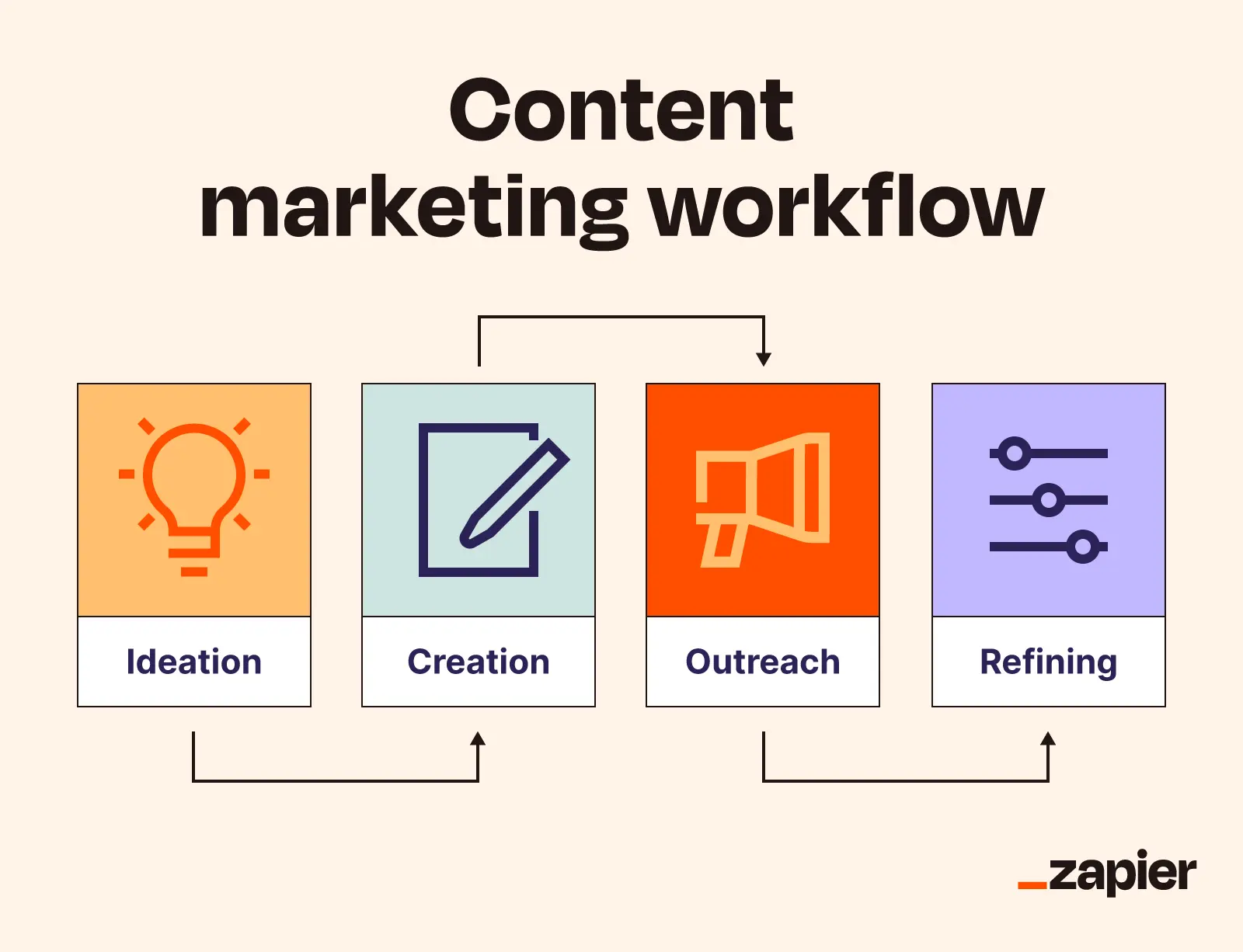
Content creation workflow Strategic Relationship Building: Forget mass outreach to irrelevant sites. Instead, identify key influencers, industry publications, and complementary businesses in your niche. Build genuine relationships through networking, collaboration, and offering real value. This could involve co-creating content, offering expert commentary, or participating in industry discussions. A handful of high-quality, relevant links from trusted partners will always outperform hundreds of low-quality, transactional ones.
Niche Specialization and Topical Depth: AI rewards depth. Instead of trying to be a generalist, focus on becoming the definitive source for a specific sub-niche within your industry. When you consistently produce comprehensive, expert-level content on a narrow topic, you establish topical authority. This makes you a natural candidate for references and links from others seeking authoritative information in that specific area. It’s about being a big fish in a small, relevant pond.
Leveraging Brand Mentions: Monitor mentions of your brand, products, or key personnel across the web. Not all mentions include a link, but many can be converted into one with a polite, value-driven request. This is often low-hanging fruit, as the site already recognizes your brand’s relevance. Tools like Google Alerts or more advanced monitoring platforms can help you track these opportunities efficiently. set up Google Alerts
What often gets overlooked in these strategies, however, are the hidden costs and practical friction points. For instance, while “exceptional content” is the goal, the pursuit of perfection can lead to analysis paralysis. Small teams, already stretched thin, can spend disproportionate time on a single piece, delaying publication and missing timely opportunities. The theoretical ideal of content so good it “naturally earns links” often collides with the reality that even the best content needs strategic promotion and consistent, patient relationship building to gain traction. The true cost isn’t just the hours spent, but the opportunity cost of not publishing more consistently or engaging in other vital activities.
Similarly, “strategic relationship building” is a long game that often clashes with the pressure for immediate, measurable results. It’s easy for the genuine intent to build trust and mutual value to degrade into transactional outreach when teams are under pressure to hit quarterly link targets. This short-sighted approach can damage nascent relationships, making future, more authentic collaborations harder to establish. The second-order effect is a reputation for being solely focused on self-interest, which is counterproductive to earning the high-quality, authoritative links that truly matter.
Even “leveraging brand mentions,” while seemingly straightforward, introduces its own operational overhead. Monitoring mentions is the easy part; consistently and effectively converting them into links requires a dedicated, persistent effort. This involves personalized outreach, clear articulation of value for the linking site, and meticulous follow-up. For a small team, this administrative burden can quickly become overwhelming, leading to inconsistent execution or outright abandonment of opportunities. The frustration often stems from the gap between the perceived “low-hanging fruit” and the actual, sustained effort required to pick it.
What to Deprioritize and Avoid Today
For small to mid-sized teams, every hour and dollar spent on marketing needs to deliver tangible results. In the current AI-first landscape, certain link building tactics are not just inefficient but potentially detrimental.
You should immediately deprioritize or completely skip broad, untargeted guest posting campaigns where the primary goal is a link, not audience value. Similarly, avoid submitting to generic web directories, participating in link farms, or engaging in any scheme that promises quick, cheap links without genuine editorial vetting. These tactics are easily detected by modern AI algorithms and offer diminishing returns, if any. The risk of penalties or simply wasting resources on efforts that don’t build real authority is too high. Your time is better spent creating one piece of truly exceptional content or building one genuine relationship than chasing a hundred low-quality, easily devalued links. Focus on quality over quantity, always.
Beyond the direct waste of budget and time, the insidious cost of these low-quality link building efforts is the erosion of internal trust and strategic clarity. When a team dedicates resources to tactics that yield no meaningful results, or worse, attract penalties, it breeds cynicism. This can lead to a pervasive belief that SEO itself is ineffective, making it harder to secure buy-in for legitimate, long-term strategies later on. The initial “easy win” illusion quickly gives way to frustration and a sense of futility, impacting team morale and making future strategic pivots more challenging.
Another overlooked consequence is the creation of a misleading internal narrative. Reporting on the sheer volume of acquired links, even if they are low-quality, can temporarily satisfy stakeholders who demand activity metrics. However, this masks the true lack of impact on organic visibility, traffic, or conversions. It delays the necessary introspection into why genuine authority isn’t being built, pushing off critical adjustments to content strategy or audience engagement efforts. This false sense of progress can keep a team stuck on an unproductive path for far longer than necessary.
The pressure to demonstrate immediate activity, especially in lean teams, often drives the adoption of these shortcuts. It’s a human tendency to gravitate towards tasks that are quantifiable and appear to show progress, even if that progress is superficial. Resisting this urge requires strong leadership and a commitment to long-term value over short-term, vanity metrics. The real challenge isn’t just avoiding bad tactics, but cultivating the patience and discipline to invest in what truly moves the needle, even when the immediate returns aren’t as visible or easily reported.
Measuring Your Link Earning Success
In an AI-first world, success isn’t just about the number of backlinks. It’s about the impact those links have on your overall search visibility and business goals.
Track Organic Traffic and Keyword Rankings: The ultimate measure of effective link earning is an increase in organic traffic to your target pages and improved rankings for your most important keywords. High-quality links from authoritative sources will contribute directly to these metrics.
Monitor Domain Authority/Rating: While not a direct Google metric, third-party scores like Ahrefs’ Domain Rating or Semrush’s Authority Score can provide a directional indicator of your site’s perceived authority. Focus on gradual, consistent improvement rather than sudden spikes. domain rating explained
Analyze Referral Traffic: Links from relevant, high-traffic sites can also drive direct referral traffic, which is a clear indicator of value beyond SEO. This traffic often converts well because it comes from an already engaged audience.
Brand Mentions and Industry Recognition: As your authority grows, you’ll see more brand mentions, invitations for expert commentary, and features in industry publications. These are strong signals of genuine influence and often precede or accompany new link opportunities.
By focusing on these practical, impact-driven metrics, you can ensure your link earning efforts are truly contributing to your business growth in the evolving search landscape.


Leave a Comment