

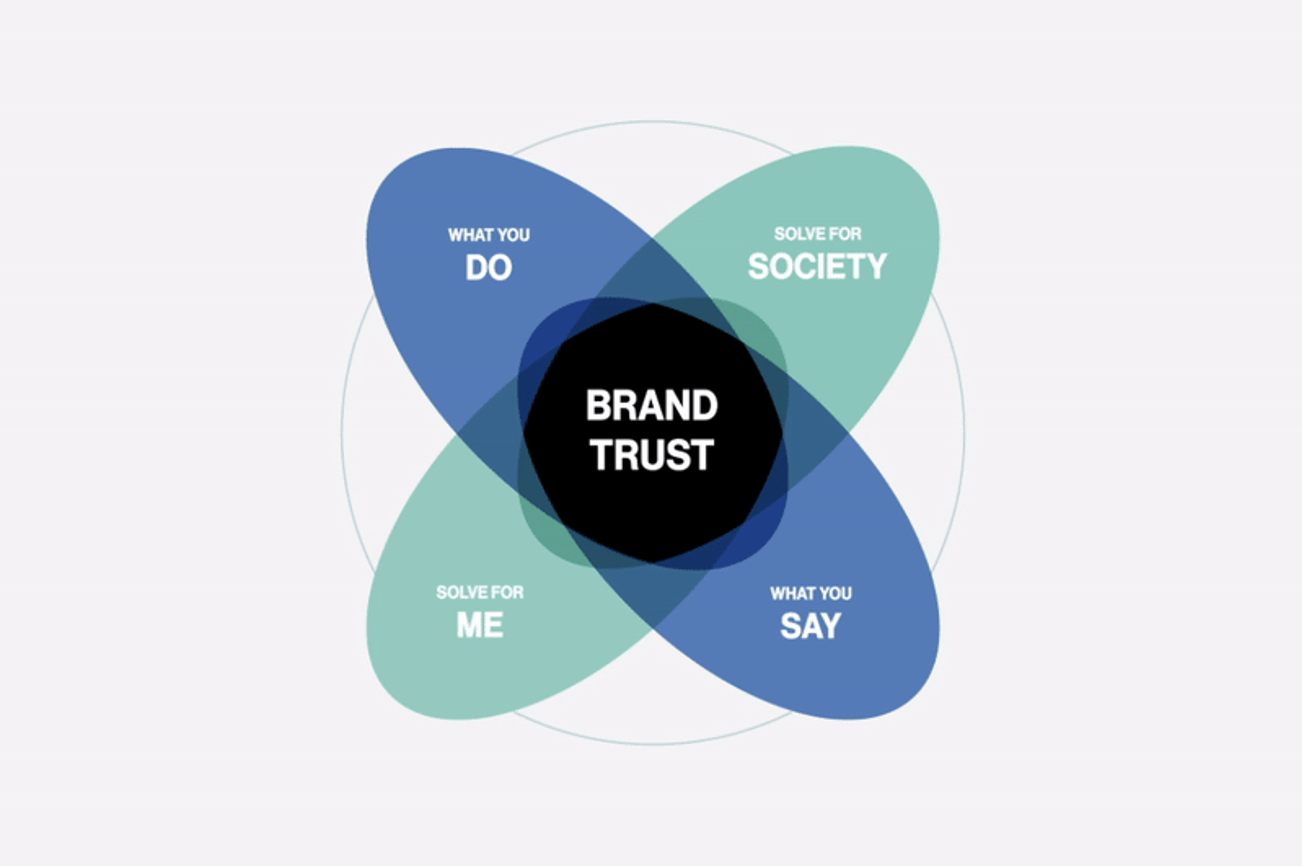
In today’s crowded market, building genuine brand trust isn’t a luxury; it’s a strategic imperative, especially for small to mid-sized businesses operating with lean teams and tight budgets. This article cuts through the noise to offer practical, actionable strategies for embedding authenticity and transparency into your marketing. You’ll learn where to focus your limited resources to build lasting customer relationships, what common pitfalls to avoid, and how to make smart trade-offs that deliver real impact.
What “Authenticity” Means for Your Business Today
Forget the vague notions of “being real.” For a business, authenticity in 2026 means consistently aligning your actions with your stated values and communicating that alignment clearly and honestly. It’s not about being perfect, but about being transparent about your imperfections, your processes, and your commitment to your customers. This isn’t a marketing campaign you launch; it’s a foundational approach to how you operate and communicate. For SMBs, this often means focusing on the tangible: your product, your service, and your direct customer interactions.
Prioritizing Transparency: Where to Start
With limited resources, you can’t be transparent about everything. The pragmatic approach is to identify the areas where transparency directly impacts customer trust and purchasing decisions. Start with:
- Product/Service Details: Be explicit about what your product does, what it doesn’t, its limitations, and how it’s made or delivered. This includes pricing, ingredients, materials, and service scope.
- Customer Feedback: Actively solicit and visibly respond to both positive and negative feedback. Show how you’re using it to improve. This builds immense credibility.
- Company Values & Mission (Action-Oriented): Don’t just state values; demonstrate them. If you claim sustainability, show your practices. If you claim customer-centricity, show your support policies and response times.

For SMBs, this means prioritizing clarity in your product descriptions, FAQs, and customer support channels. It’s about making it easy for customers to understand what they’re getting and what to expect.
What’s often underestimated is the operational drag created by insufficient transparency. When product limitations or service scope aren’t explicitly clear upfront, the initial ‘win’ of a sale can quickly turn into a costly support burden. Customers with misaligned expectations generate more inquiries, higher return rates, and ultimately, negative word-of-mouth. This isn’t just a lost future sale; it’s a direct drain on limited team resources that could be better spent on growth or innovation, representing a significant hidden cost that accrues over time.
The theory of transparency is straightforward, but the practice often hits a wall when it comes to admitting imperfections or responding to critical feedback. There’s a natural internal pressure, especially in lean teams, to present a flawless front. However, delaying or sugarcoating issues, whether it’s a product bug, a service interruption, or a policy change, almost always backfires. Customers appreciate honesty, even when the news isn’t ideal, far more than they tolerate perceived deception or evasion. Furthermore, simply acknowledging feedback isn’t enough; the real credibility comes from visibly demonstrating how that feedback led to tangible improvements. Without closing that loop, the effort to solicit input becomes a hollow gesture, and the opportunity to build deeper trust is easily overlooked.
What to Deprioritize and Why
Many businesses, especially those with limited marketing bandwidth, waste valuable time and budget on initiatives that offer little return on authenticity. Today, you should deprioritize:
- Performative “Authenticity” Campaigns: Avoid launching elaborate, expensive campaigns solely designed to look authentic without genuine operational changes. Customers see through this quickly. For example, a glossy video about your “passion” for sustainability rings hollow if your packaging is still single-use plastic and your supply chain is opaque.
- Over-reliance on Influencers Without True Alignment: While influencer marketing has its place, partnering with influencers who don’t genuinely use or believe in your product can backfire. Focus on micro-influencers or brand advocates who truly resonate with your brand, even if their reach is smaller.
- Complex, Unverifiable “Trust Badges” or Certifications: Unless a certification is widely recognized and genuinely adds value (e.g., organic, fair trade), don’t invest heavily in creating your own obscure badges. Focus on verifiable actions and clear communication instead.
Your limited budget is better spent on improving your product, streamlining customer service, and clearly communicating those improvements, rather than on marketing fluff designed to project an image that isn’t backed by reality.
The real cost of performative authenticity isn’t just a failed campaign; it’s the erosion of internal morale and a creeping cynicism within your own team. When marketing is tasked with creating a narrative that doesn’t align with operational reality, it creates a disconnect. Teams spend cycles trying to spin or justify, rather than genuinely improve, leading to frustration and a loss of focus on what truly matters: delivering value. This internal misalignment often manifests externally as inconsistent messaging or a lack of conviction from customer-facing staff, further undermining trust.
Beyond the immediate risk of a campaign backfiring, the operational overhead of managing misaligned influencer relationships is a significant, often overlooked drain. It consumes valuable time in vetting, contracting, content review, and performance tracking – resources that could be better allocated to organic community building or direct customer engagement. The pressure to justify these partnerships can also lead to skewed reporting, where vanity metrics overshadow actual impact, delaying the realization that the strategy is ineffective.
Similarly, the pursuit of bespoke ‘trust badges’ often diverts attention and resources from the foundational work of earning trust. The time spent designing, promoting, and explaining these self-created symbols is time not spent on improving product quality, enhancing customer support, or simplifying your value proposition. In practice, customers are far more swayed by tangible improvements to their experience and transparent communication about your operations than by an unfamiliar logo on your website. The decision to invest in these superficial markers often stems from a desire for a quick fix, overlooking the slower, more impactful process of genuine operational refinement.
Practical Channels for Transparent Communication
Once you know what to communicate, choose the right channels. For SMBs, efficiency is key:
- Your Website: This is your primary hub. Ensure your “About Us,” product pages, FAQs, and support sections are clear, comprehensive, and honest. Consider a dedicated “Transparency” page if you have complex processes (e.g., sourcing, data privacy). For guidance on structuring effective content, refer to effective content marketing strategies.
- Email Marketing: Use newsletters to share updates, behind-the-scenes glimpses, and responses to common customer questions. Be upfront about changes, delays, or issues.
- Social Media: Engage directly. Respond to comments and messages, both positive and negative. Use it to share real-time updates, address concerns, and showcase your team and processes.
- Customer Support: Your support team is on the front lines of transparency. Empower them with accurate information and the ability to communicate openly and empathetically.
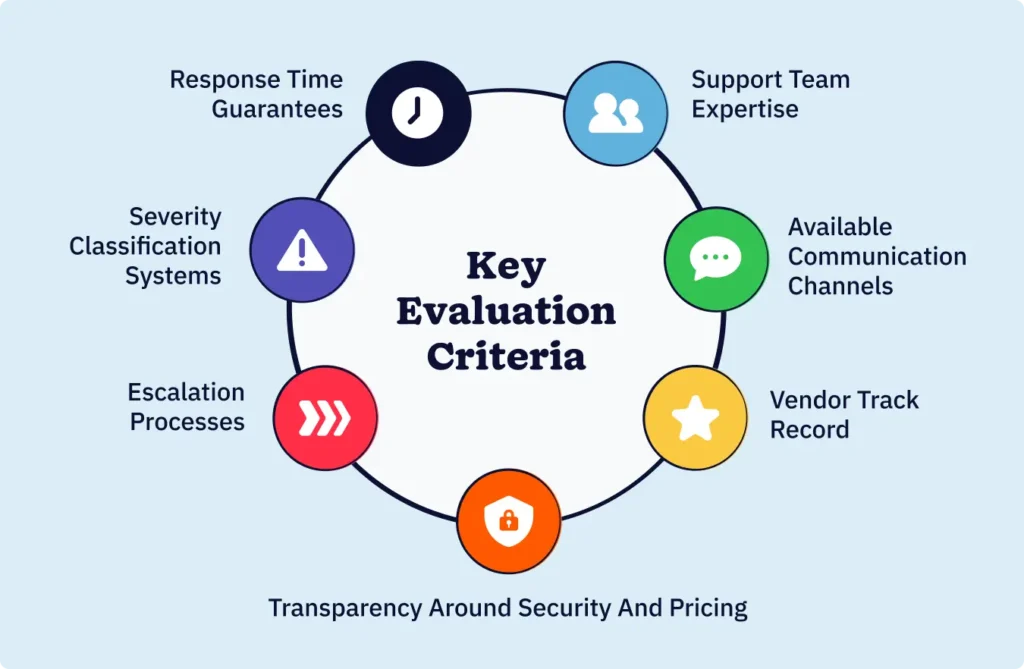
Remember, consistency across these channels reinforces your commitment to transparency. Inconsistent messaging erodes trust faster than almost anything else.
Measuring Trust and Authenticity (Without Overcomplicating It)
You don’t need complex algorithms to gauge trust. Focus on direct indicators:
- Customer Feedback & Reviews: Monitor sentiment across platforms. Look for recurring themes related to honesty, reliability, and communication. Tools like Google My Business, Yelp, and industry-specific review sites are invaluable.
- Net Promoter Score (NPS): While not a direct measure of authenticity, a high NPS often correlates with strong trust. It indicates customers are willing to recommend you, which stems from a positive, reliable experience.
- Repeat Purchase Rate & Customer Lifetime Value (CLTV): Loyal customers are trusting customers. An increase in these metrics suggests your efforts are resonating.
- Direct Engagement: How often do customers ask clarifying questions? Are they engaging with your transparent content? High engagement on “behind-the-scenes” posts or detailed FAQs can be a good sign.
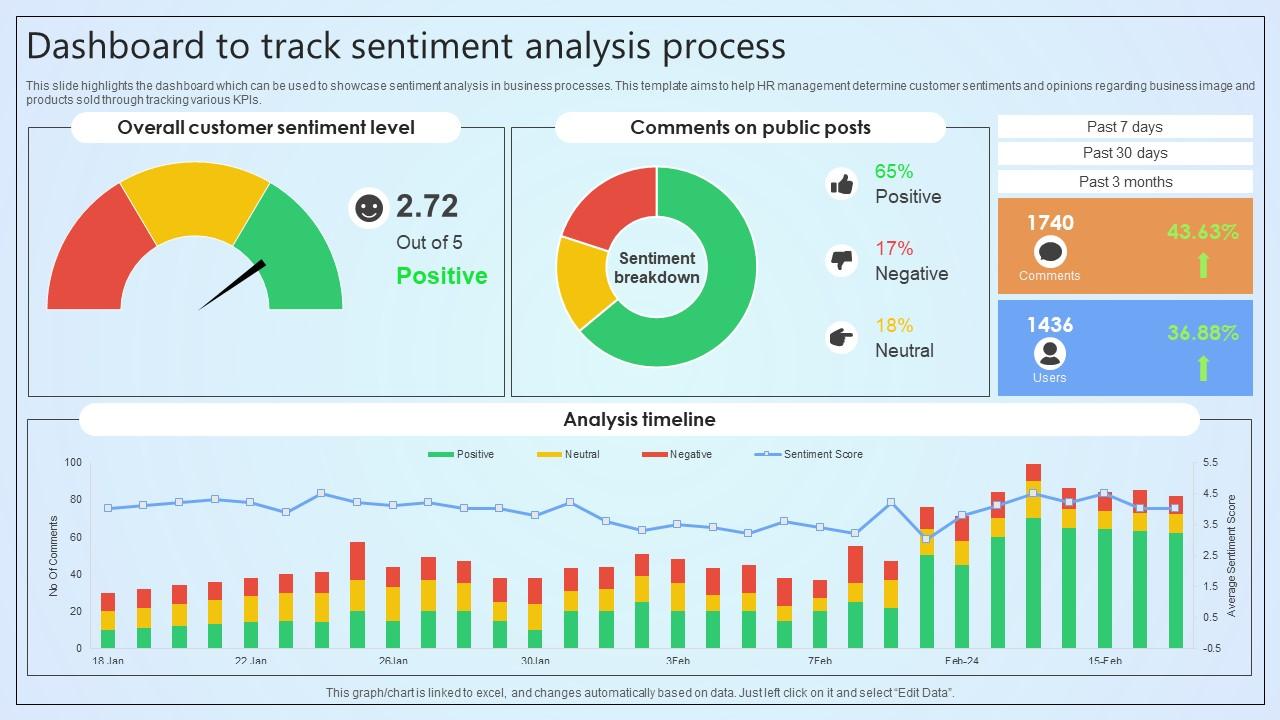
For SMBs, the simplest approach is often the most effective: listen intently to your customers and observe their behavior. customer feedback best practices
Sustaining Authenticity in a Dynamic Market
Authenticity isn’t a one-time project; it’s an ongoing commitment. To sustain it:
- Internal Alignment: Ensure every team member, from sales to support, understands and embodies your brand’s commitment to transparency. Inconsistent internal messaging leads to external confusion.
- Be Proactive, Not Reactive: Address potential issues before they become crises. If there’s a product delay or a service interruption, communicate it openly and early.
- Learn from Mistakes: When you inevitably fall short, acknowledge it, apologize sincerely, explain what went wrong, and outline steps to prevent recurrence. This builds more trust than pretending perfection.
- Regularly Review Your Communications: Periodically audit your website, marketing materials, and customer interactions to ensure they remain clear, honest, and aligned with your operational reality.
Ultimately, building brand trust through transparent marketing is about earning credibility every single day. It’s a long-term play that pays dividends in customer loyalty and resilience, especially when market conditions are tough. Focus on consistent, honest action, and your audience will respond.



Leave a Comment