

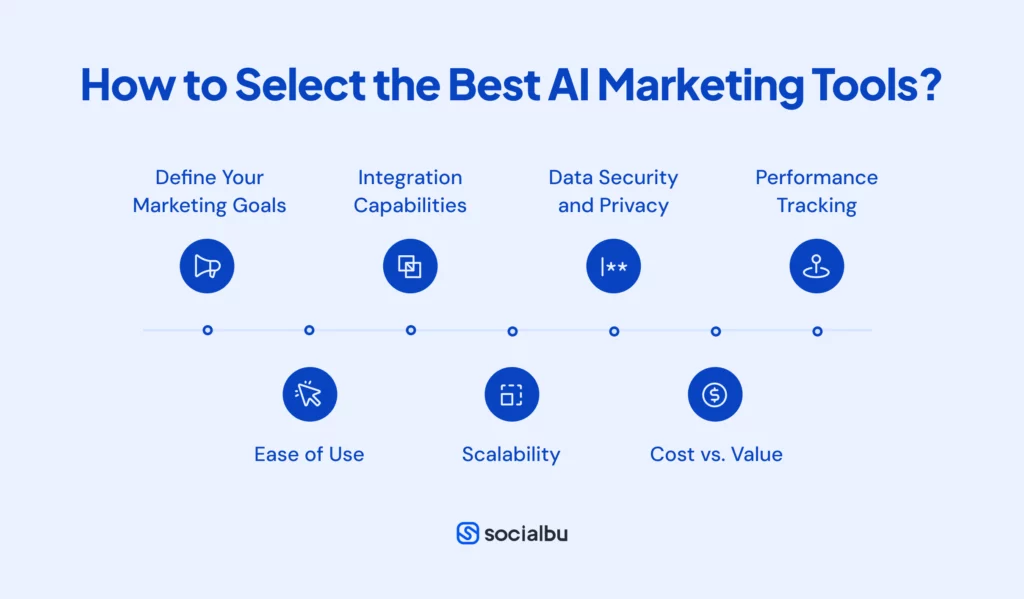
The Core Problem: Overwhelm and Misdirection
The current AI tool landscape is vast and growing, presenting a significant challenge for small to mid-sized marketing teams. Every week, new platforms emerge, promising to revolutionize everything from content creation to ad optimization. For teams with limited budgets and headcount, this abundance often leads to analysis paralysis or, worse, investing in tools that don’t deliver real value. The fundamental mistake is approaching AI from a tool-first perspective rather than a problem-first one. Simply adding more AI tools without a clear strategy often complicates workflows, drains resources, and yields negligible improvements.
Prioritizing Your AI Investments: Where to Start
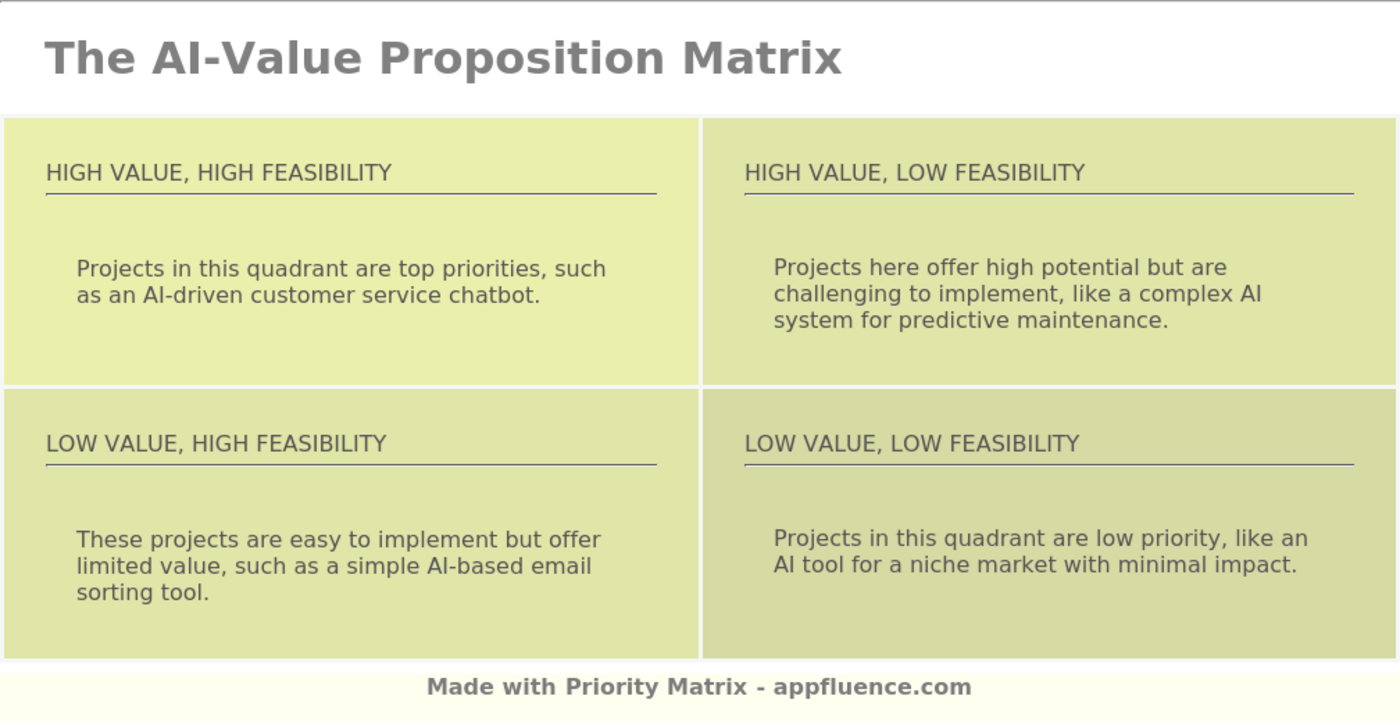
For most small to mid-sized businesses, the initial focus for AI adoption should be on addressing immediate, high-impact pain points. Don’t chase every shiny new object. Instead, identify areas where manual effort is a significant bottleneck or where existing processes are demonstrably inefficient. This typically means starting with single-purpose tools that offer clear, measurable benefits.
- Content Generation Bottlenecks: If your team struggles to produce consistent blog posts, social media updates, or email copy, an AI writing assistant can be a game-changer. These tools can draft outlines, generate initial content, or help with repurposing existing material, freeing up your human writers for editing and strategic oversight.
- Basic SEO Analysis and Optimization: Tools that use AI to analyze keyword gaps, suggest content improvements for search rankings, or even optimize meta descriptions can provide quick wins. Focus on those that integrate with your existing SEO workflow, rather than requiring a complete overhaul.
- Ad Copy Optimization: Generating multiple variations of ad copy for A/B testing can be time-consuming. AI tools can rapidly produce diverse headlines and body text, allowing you to test more options and identify high-performing creatives faster.
Prioritize tools that are easy to implement, have a low learning curve, and can demonstrate a return on investment within a few weeks or months. Think about immediate time savings or direct performance uplifts.
While the initial time savings from AI tools are appealing, it’s crucial to account for the hidden costs of integration and quality control. An AI writing assistant might generate content faster, but the human oversight required for fact-checking, brand voice consistency, and legal compliance doesn’t disappear. In fact, if the volume of AI-generated drafts increases significantly, the human editing and approval process can become the new bottleneck, shifting the problem rather than solving it entirely. This often leads to increased pressure on a small team’s limited editorial capacity.
Another common oversight is the potential for skill atrophy. When AI handles tasks like basic SEO analysis or ad copy variations, teams can inadvertently become less adept at understanding the underlying principles and nuances. This isn’t about replacing human skill, but rather about maintaining it. If practitioners stop actively engaging with the “why” behind AI suggestions, they lose the critical judgment needed to identify when the AI is wrong, when it’s providing generic advice, or when market conditions demand a different approach. This can lead to a passive acceptance of suboptimal outputs, especially when the AI’s performance plateaus or declines.
The promise of a “low learning curve” often refers to the tool’s interface, not the strategic application or the ongoing refinement required to maximize its value. Teams can easily fall into the trap of treating AI as a set-and-forget solution. In practice, getting truly valuable output means understanding how to prompt effectively, interpret results critically, and iterate based on performance data. This demands a different kind of skill set—one focused on strategic guidance and critical evaluation, rather than just execution. Failing to invest in this human-AI collaboration can lead to frustration and a perception that the tool isn’t delivering on its promise, even when the issue lies in its operational integration.
What to Delay or Skip Today (and Why)
Given the constraints of small to mid-sized teams, it’s crucial to exercise judgment on what to deprioritize. Today, you should generally delay or skip:
- Complex, Multi-Feature AI Platforms: Many enterprise-grade AI suites offer a dizzying array of features, from predictive analytics to advanced personalization. While powerful, these often require significant data integration, custom setup, and dedicated data science or IT resources that most SMBs simply do not possess. Attempting to implement them will likely consume disproportionate time and budget without delivering commensurate value.
- Niche, Unproven, or “Bleeding Edge” AI Tools: The market is flooded with new AI solutions that promise revolutionary results but lack a track record. These tools often come with high risk, unstable features, and poor support. Investing in them diverts precious resources from proven strategies and tools that offer reliable, incremental gains.
- AI Tools Requiring Extensive Data Cleaning or Migration: If an AI tool demands a complete overhaul of your existing data infrastructure or extensive manual data cleaning before it can even function, it’s a non-starter for most SMBs. The operational overhead will negate any potential benefits.
The core reason to delay or skip these is simple: limited resources. Every dollar and every hour spent on a tool that doesn’t quickly and clearly contribute to your marketing goals is a dollar and hour not spent on core activities that drive revenue. Avoid the temptation to chase every new trend; instead, focus on practical applications that solve real business problems with minimal friction.
Even when a complex platform offers a seemingly relevant subset of features, the underlying architecture and documentation are often geared towards enterprise users. This means your team isn’t just learning a feature; they’re navigating a system designed for a different scale of operations, leading to cognitive overload. What looks like a simple integration on paper can quickly become a multi-week project as your team grapples with obscure settings, API limitations, or data models that don’t quite align with your existing setup. The “minimal friction” promised by vendors rarely accounts for the friction of adapting an enterprise solution to an SMB context.
Beyond the direct financial and time costs, repeatedly investing in unproven or overly complex AI solutions carries a significant hidden cost: team morale and trust. When a team dedicates time and effort to implement a new tool that ultimately fails to deliver, or worse, creates more problems than it solves, it breeds cynicism. This “tech fatigue” makes future, potentially more viable, technology initiatives harder to champion and implement. Teams become resistant to change, even when a genuinely practical solution emerges, because they’ve been burned before. This erosion of trust can slow down legitimate progress for months or even years.
The demand for extensive data cleaning or migration isn’t just an operational hurdle; it’s a significant human-level frustration. For most marketing teams, data cleaning is a tedious, manual, and often thankless task that pulls them away from strategic work. It’s not their core competency, and forcing them into it can lead to errors, incomplete data, and a general resentment towards the new tool. The perceived “efficiency gain” of the AI tool is often offset by the inefficiency and demotivation of the team tasked with preparing the data, creating a net negative impact on productivity and job satisfaction.
Integration Strategy: Making Tools Work Together
Effective AI tool adoption isn’t just about selection; it’s about integration. For small teams, the goal is seamless workflow, not complex technical architecture. Start with tools that offer straightforward integrations or operate within existing ecosystems.
- Leverage Native Integrations: Many AI tools offer direct integrations with popular marketing platforms like HubSpot, Google Ads, or Shopify. Prioritize these. They minimize setup time and reduce the likelihood of data silos. For example, an AI content tool that can directly publish to your CMS or an AI ad tool that syncs with your ad platform is invaluable.
- Focus on Data Flow, Not Data Lakes: You don’t need a sophisticated data lake to benefit from AI. Instead, think about how data flows between a few key tools. Can your analytics platform feed insights to your AI ad optimizer? Can your AI writing assistant export directly into your email marketing platform?

Simple AI tool integration flow - Consider AI Features Within Existing Platforms: Before adding a new standalone AI tool, check if your current CRM, email marketing platform, or SEO suite has integrated AI capabilities. Often, these built-in features are sufficient for initial needs and simplify your tech stack. AI marketing features
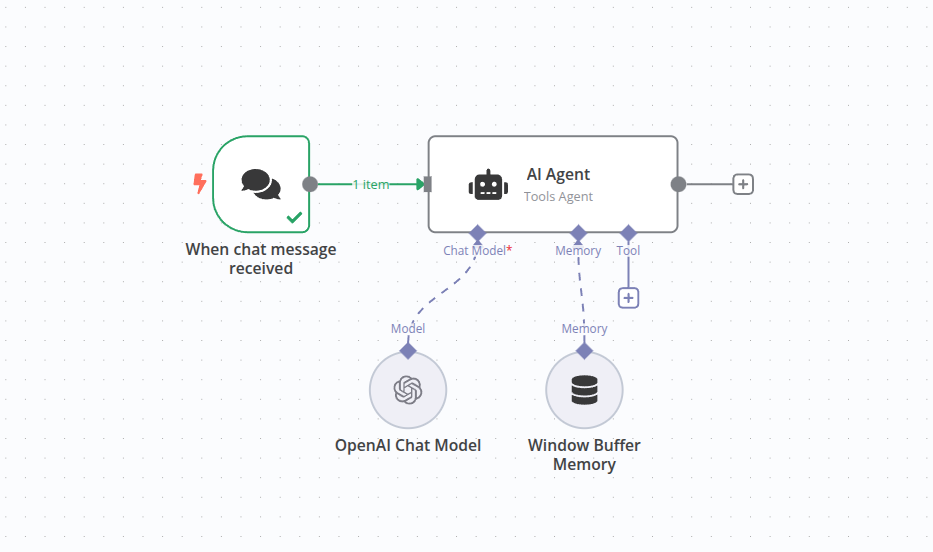
Avoid custom API integrations unless you have dedicated development resources and a clear, high-value use case. The maintenance burden and potential for errors often outweigh the benefits for small teams.
Measuring Impact and Iterating
Adopting AI tools without a plan to measure their effectiveness is a common pitfall. Before you even sign up for a trial, define what success looks like. What specific Key Performance Indicators (KPIs) will this tool impact?
- Time Savings: Track the hours saved on tasks like content drafting, ad copy generation, or basic research.
- Output Volume: Measure the increase in content pieces produced, ad variations tested, or social media posts scheduled.
- Performance Metrics: Monitor direct impacts on metrics like conversion rates, click-through rates (CTR), organic traffic, or lead generation.
Be prepared to iterate. Start with a pilot project, gather data, and assess. If a tool isn’t delivering the expected value, don’t hesitate to discontinue its use. The AI landscape evolves rapidly, and your strategy should too. The goal is continuous improvement, not permanent commitment to any single tool.
The Practitioner’s Mindset for AI Adoption
Ultimately, successful AI adoption for small to mid-sized marketing teams comes down to a pragmatic, problem-solving mindset. AI tools are powerful accelerators, but they are not magic bullets. They augment human capabilities, automate repetitive tasks, and provide data-driven insights. They do not replace strategic thinking, creative judgment, or genuine customer understanding.
Approach AI with a clear understanding of your business objectives, a willingness to experiment, and a disciplined approach to measurement. Focus on solving real problems, prioritize ruthlessly, and integrate thoughtfully. This approach ensures that AI becomes a true asset, helping your business grow smarter and more efficiently, rather than just adding complexity.


Leave a Comment