

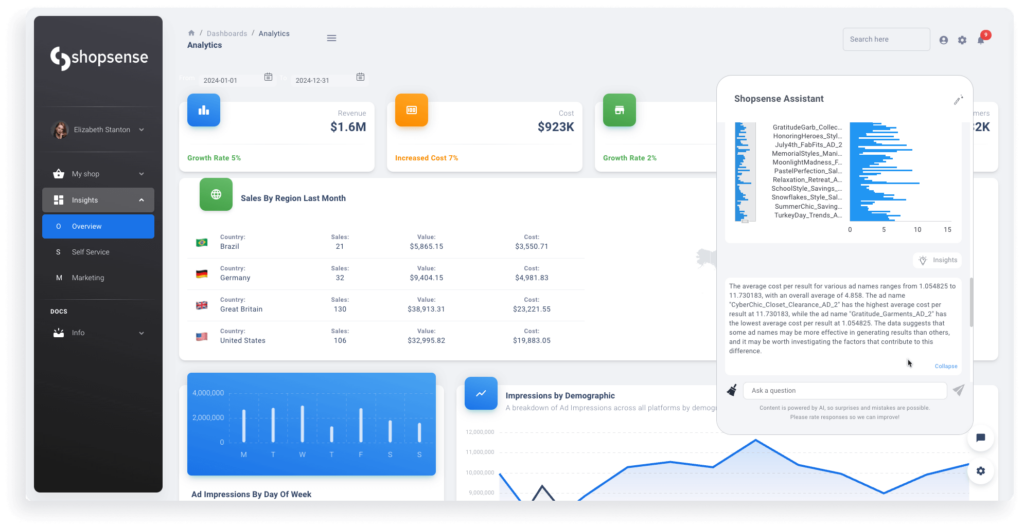
For small to mid-sized marketing teams, the sheer volume of data can be overwhelming, often leading to analysis paralysis rather than clear action. This article cuts through the noise, showing you how to practically harness AI-powered insights to transform your raw marketing data into concrete strategies. You’ll gain a clearer understanding of what’s working, where to allocate your limited budget, and how to make impactful decisions that directly contribute to business growth, even with imperfect execution.
We’ll focus on actionable steps to identify critical data points, leverage accessible AI tools, and translate complex findings into straightforward marketing initiatives. This isn’t about chasing every new AI trend, but about deploying smart, pragmatic approaches that deliver tangible results under real-world constraints.
Understanding AI-Powered Marketing Insights
AI-powered insights are more than just automated reports; they represent the ability of algorithms to identify patterns, predict outcomes, and recommend actions from vast datasets that human analysis alone would miss or take too long to uncover. For small teams, this means moving beyond basic metrics to understand why certain campaigns perform, who your most valuable customers are, and what future trends might impact your strategy. It’s about gaining foresight and efficiency, allowing you to optimize spend and effort where it matters most. This capability is no longer exclusive to large enterprises; accessible tools are making it a practical reality for businesses with limited resources.
Prioritizing Data Sources for AI Analysis
The biggest mistake small teams make is trying to feed every piece of data into an AI tool. With limited bandwidth, you must prioritize. Start with your highest-impact data sources first.
- Website Analytics (e.g., Google Analytics 4): This is foundational. AI can reveal user behavior patterns, conversion funnels, and content performance that directly inform SEO, content strategy, and user experience improvements.
- Advertising Platform Data (e.g., Google Ads, Meta Ads): Connect your ad spend directly to performance. AI can optimize bidding strategies, identify underperforming ad creatives, and pinpoint audience segments with the highest ROI.
- CRM Data (e.g., HubSpot, Salesforce Essentials): If you have a CRM, integrate it. AI can segment customers, predict churn risk, and identify upsell opportunities, directly impacting customer retention and lifetime value.
- Email Marketing Platform Data: Analyze open rates, click-through rates, and conversion paths to optimize email content, send times, and segmentation.
Focus on integrating one or two core sources first, ensuring data quality, before expanding. Poor data in means poor insights out.
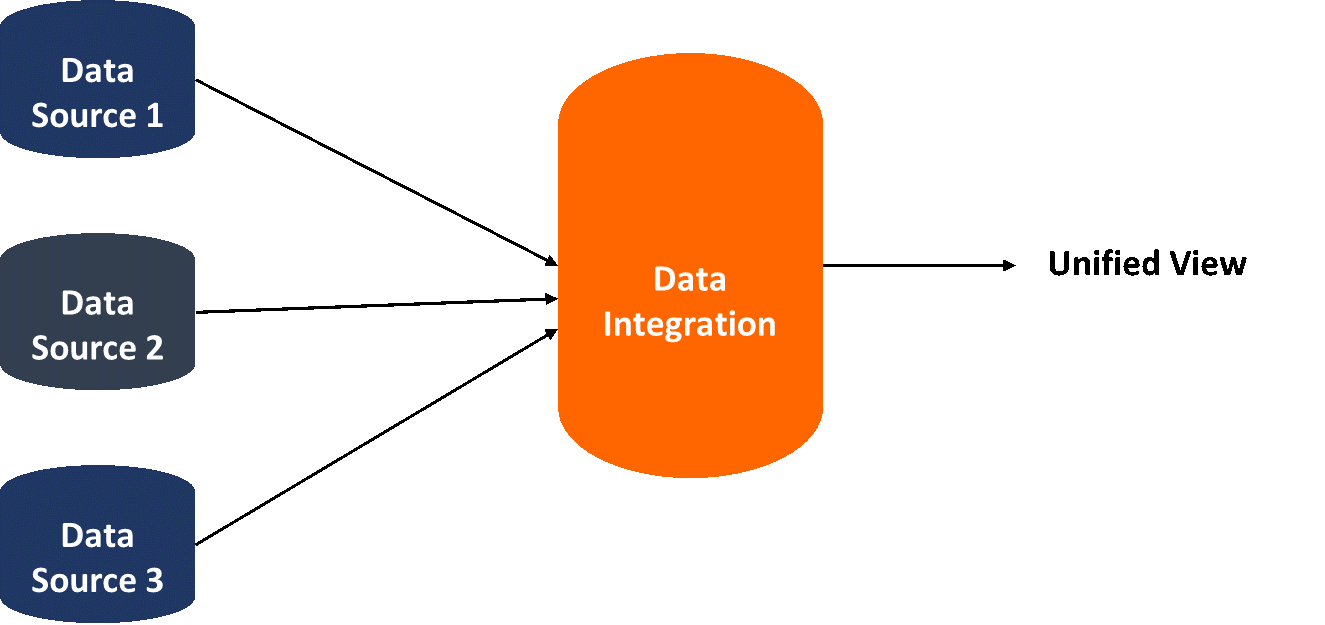
The existing advice to focus on data quality isn’t just about getting better insights; it’s about avoiding significant hidden costs. Flawed data doesn’t just produce useless output; it actively misleads. Teams can spend valuable cycles chasing phantom problems or implementing strategies based on incorrect assumptions, only to discover much later that the underlying data was the culprit. The real cost isn’t just the bad output, but the wasted time, the misallocated budget, and the erosion of trust in the AI’s utility. This can lead to a team abandoning AI initiatives prematurely, convinced the technology itself is the problem, when the root cause was a lack of data hygiene and validation.
Another common pitfall is underestimating the ongoing operational overhead. Integrating data is only the first step. APIs change, tracking parameters shift, and data schemas evolve. Without dedicated attention to data hygiene and integration maintenance, the quality of your input can degrade slowly over time, a phenomenon often called “data drift.” This means your AI models, once effective, start producing less relevant or even misleading recommendations, creating frustration and doubt within the team. It’s easy to treat data integration as a set-and-forget task, but in practice, it requires continuous oversight and occasional adjustments.
Given these realities, it’s critical to be ruthless about what to deprioritize. Resist the urge to integrate every available data point just because it’s technically possible. For most small to mid-sized businesses, attempting to pull in highly granular data from niche platforms – like specific social listening tools for low-volume channels, or detailed internal operational logs that don’t directly impact customer acquisition or retention – is often a distraction. The effort required for integration, validation, and ongoing maintenance for these peripheral sources rarely justifies the marginal increase in insight, especially when your core data sources still offer significant untapped potential. Focus on mastering the fundamentals before chasing diminishing returns.
Practical AI Tools for Insight Generation
You don’t need a data science team to leverage AI for insights today. Many marketing platforms now embed AI capabilities directly.
- Built-in Analytics AI: Platforms like Google Analytics 4 offer AI-driven insights that automatically flag significant changes in trends, identify key audience segments, and even predict future user behavior. Learn to use these features first.
- Ad Platform Optimization: Google Ads and Meta Ads use AI for smart bidding, audience expansion, and ad creative optimization. While not always transparent, understanding how to guide these systems with your goals is crucial.
- CRM Intelligence: HubSpot and similar CRMs increasingly use AI to score leads, predict sales outcomes, and personalize customer interactions. These features can help prioritize sales efforts and improve conversion rates. AI features for small business CRM
- Content Optimization Tools: AI can analyze competitor content, suggest topic clusters, and even help refine your copy for better SEO performance. Tools like Semrush and Ahrefs are integrating more AI-driven suggestions.
The key is to leverage the AI that’s already integrated into the tools you use daily, rather than seeking out standalone, complex AI solutions initially.
While the immediate benefits of embedded AI are clear, it’s crucial to acknowledge the less obvious pitfalls. The convenience of automatically generated insights can inadvertently lead to a passive acceptance of outputs, dulling the team’s critical thinking skills. When AI flags a trend or suggests an action, the temptation is to simply execute, rather than deeply interrogate the underlying ‘why.’ This can cause teams to miss crucial nuances, misinterpret market shifts, or even perpetuate existing biases that the AI has learned from historical data.
A significant hidden cost lies in the quality of the data feeding these systems. AI is only as intelligent as the data it processes. For small to mid-sized businesses, data collection is rarely perfect; it often contains gaps, inconsistencies, or historical biases. When AI operates on imperfect data, its insights, predictions, and optimizations will reflect those flaws. This can lead to misallocated marketing spend, incorrect strategic pivots, or a false sense of security, with the delayed consequence of discovering these errors only after resources have been committed.
Furthermore, the “black box” nature of many embedded AI features presents a practical challenge. While platforms offer recommendations, the exact reasoning behind them is often opaque. This lack of transparency makes it difficult for practitioners to truly understand the logic, troubleshoot effectively when performance deviates, or confidently explain outcomes to stakeholders. The call to “guide these systems with your goals” is easier said than done when you can’t fully see how the system interprets your inputs, leading to a frustrating cycle of trial-and-error that consumes valuable time and mental energy.
Translating Insights into Actionable Strategy
An insight is only valuable if it leads to action. The practitioner’s challenge is to bridge the gap between data findings and strategic decisions.
For example, if AI insights from your website analytics reveal that users who visit three specific blog posts are significantly more likely to convert, your action isn’t just

Leave a Comment