

For small to mid-sized businesses, turning social media engagement into tangible sales often feels like a moving target. This article cuts through the noise, offering a pragmatic approach to social commerce that focuses on measurable brand growth. You’ll gain clear guidance on where to invest your limited time and budget, what strategies genuinely drive conversions, and critically, what to deprioritize to avoid wasted effort.
We’ll focus on actionable steps to build a social commerce presence that not only engages your audience but also seamlessly guides them towards a purchase, all while operating within the real-world constraints of an SMB team.
Why Social Commerce Isn’t Just “Selling on Social”
Many businesses mistake social commerce for simply posting product links on their social feeds. That’s a transactional approach, not a strategic one. True social commerce integrates the entire shopping experience directly within the social platform, from product discovery and interaction to checkout. It’s about creating a seamless, native journey that leverages the social context – community, trust, and peer influence – to drive purchasing decisions.
- It minimizes friction: Customers don’t leave the app to buy.
- It builds trust: Recommendations and user-generated content are powerful.
- It’s interactive: Live shopping and direct messaging enhance the experience.
Prioritizing Your Social Commerce Channels
You can’t be everywhere effectively, especially with a lean team. The critical decision here is to focus your efforts where your target audience is most active and where the platform offers robust, native commerce features. For most SMBs, this means prioritizing platforms like Instagram and Facebook Shops, TikTok Shop, or Pinterest Buyable Pins, which offer integrated product catalogs and checkout flows. These platforms are designed to reduce friction and keep the customer within the social ecosystem.
Deprioritize platforms that lack direct commerce integrations or where your audience engagement is minimal. Trying to force a commerce experience onto a platform not built for it, or one where your community isn’t strong, will dilute your efforts and yield poor returns. Focus on depth over breadth.
What’s easy to overlook is that while these integrated features simplify the customer journey, they often introduce significant operational complexity for the business. Each platform, despite offering native commerce, typically operates as a distinct silo. This means managing separate product catalogs, inventory levels, order fulfillment processes, and customer service queues for each channel. The initial appeal of “reduced friction” for the buyer can quickly translate into increased friction for your lean operations team, especially when dealing with returns, exchanges, or cross-platform customer inquiries.
This fragmentation isn’t just an administrative burden; it’s a hidden cost that saps productivity and can lead to inconsistent customer experiences. The theoretical benefit of keeping customers within the social ecosystem often clashes with the practical reality of managing disparate backends. Without robust, often expensive, third-party integrations, teams find themselves manually reconciling data, leading to errors, delays, and significant frustration.
Furthermore, the pressure to chase every new platform or feature launch is a common pitfall. While the initial decision to focus on depth over breadth is correct, the fear of missing out (FOMO) can easily derail it. Teams, under pressure, might allocate minimal resources to “test” a new channel, inadvertently diluting their focus from the core platforms that are actually generating revenue. This often results in a superficial presence across many channels, rather than a truly optimized and high-performing presence on a select few.
Building Trust and Community First
Before you push products, you must cultivate trust. Social commerce thrives on authenticity and community. This means investing in content that educates, entertains, and solves problems, not just sells. Encourage user-generated content (UGC) by featuring customer photos and testimonials. Run Q&A sessions, polls, and interactive stories to build rapport. Live shopping events, even with minimal production, can be incredibly effective for demonstrating products and answering real-time questions, fostering a sense of connection that traditional e-commerce often lacks.
- Actively solicit and feature customer reviews and photos.
- Engage in conversations, not just broadcasts.
- Host regular live sessions to showcase products and interact directly.
What often gets overlooked in the pursuit of authenticity and community is the operational overhead. While user-generated content (UGC) is invaluable, curating, moderating, and securing proper usage rights for a growing volume of submissions can quickly become a significant, unbudgeted time sink for lean teams. The initial excitement around “keeping it real” can also lead to content that feels genuinely unpolished, but not in a good way—sometimes crossing the line into amateurish or unclear, which can inadvertently erode the very trust you’re trying to build.
Furthermore, the immediate gratification of live sessions and interactive content can obscure the deeper challenge of conversion. Building rapport is one thing; guiding that rapport into a sales outcome without breaking the established trust is another entirely. Many teams feel pressure to push products too directly during or immediately after these community-building activities, which can feel jarring and transactional to an audience expecting connection, not a hard sell. This misstep can quickly undo the goodwill you’ve worked to cultivate, leading to a delayed, negative consequence on customer loyalty.
The expectation of “always-on” engagement also presents a hidden cost in terms of team bandwidth and mental fatigue. Consistently running Q&A, polls, and live events demands a sustained, high-energy effort that small teams often struggle to maintain alongside their other responsibilities. The risk here is burnout, leading to inconsistent execution or a reactive approach that lacks strategic depth. Prioritizing which interactive elements truly move the needle, and accepting that not every interaction needs to be real-time, is a critical judgment call to avoid exhausting your team and diluting the impact of your community efforts.
Streamlining the Path to Purchase
Once trust is established, the path to purchase must be as smooth as possible. This means leveraging shoppable posts, product tags, and direct links that lead straight to a product page or, ideally, an in-app checkout. Ensure your product descriptions are clear, concise, and highlight benefits. High-quality, consistent visuals are non-negotiable. For SMBs, integrating your social commerce channels with your existing e-commerce platform (like Shopify) is crucial for inventory synchronization and order fulfillment. This prevents overselling and simplifies backend operations. social commerce integrations
Measuring What Matters: Beyond Likes
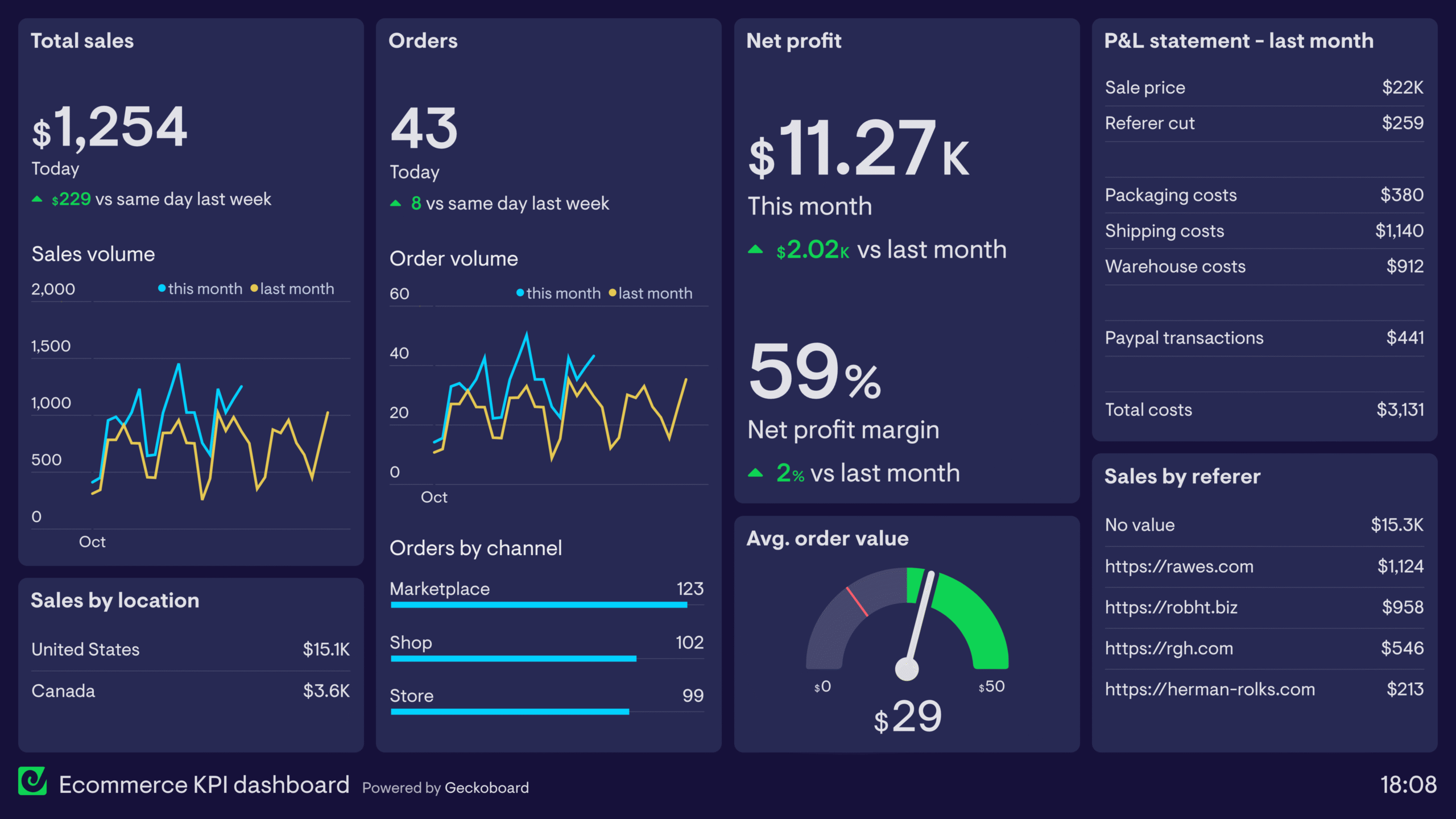
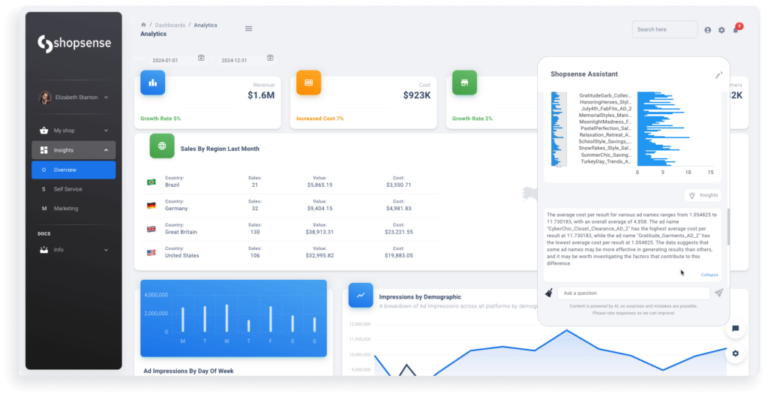
The true measure of social commerce success isn’t likes or shares; it’s conversions. Focus on metrics like conversion rate from social, average order value (AOV), and customer acquisition cost (CAC) from your social channels. While attribution can be complex for SMBs, keep it simple: use UTM parameters on all your social links to track traffic and sales within your analytics platform. Monitor which content types and platforms are most effective at driving actual purchases, not just engagement. This data will inform your future content and ad spend decisions.
- Track clicks to product pages and completed purchases.
- Analyze which content formats (e.g., Reels, Stories, Live) lead to sales.
- Calculate the ROI of your social commerce efforts.
What to Deprioritize or Skip Today
For small to mid-sized teams, it’s easy to get sidetracked by shiny new technologies. Currently, you should deprioritize complex augmented reality (AR) or virtual reality (VR) shopping experiences. While these technologies hold promise, their development and implementation costs are often prohibitive for SMBs, and the immediate ROI is typically low compared to the effort required. The operational overhead for creating and maintaining these experiences can quickly drain resources that are better spent on proven strategies like optimizing shoppable posts or improving live shopping interactions. Focus on mastering the fundamentals of direct, in-app purchasing and community building before venturing into highly experimental or resource-intensive avenues.
Optimizing for Repeat Business
Social commerce isn’t a one-time transaction; it’s an opportunity to build lasting customer relationships. Post-purchase engagement is key. Use social channels to provide excellent customer service, answer questions, and solicit feedback. Offer exclusive discounts or early access to new products for your social followers. Implement retargeting campaigns for abandoned carts, reminding potential customers of items they showed interest in. By nurturing these relationships on social media, you can significantly increase customer lifetime value and turn one-time buyers into loyal brand advocates.


Leave a Comment