

For small to mid-sized businesses, fostering a positive digital space isn’t just about good PR; it’s about building genuine trust and mitigating risks with limited resources. This article cuts through the noise to offer actionable strategies for creating online environments that reflect your brand’s values, engage your community constructively, and protect your reputation without stretching your team thin.
You’ll gain practical insights into prioritizing your efforts, making smart trade-offs, and focusing on what truly moves the needle in building a responsible and resilient brand presence online. We’ll cover how to manage interactions, craft impactful content, and decide where to invest your precious time and budget for maximum effect.
Defining Your Brand’s Digital Ethos
Establishing a clear digital ethos isn’t a fluffy exercise; it’s about setting foundational boundaries and expectations for your online presence. This ethos guides every piece of content, every response, and even your choice of platforms. It’s your internal compass for responsible engagement.
- Identify core values: What principles will your brand consistently uphold online? Think transparency, respect, helpfulness, or accuracy.
- Outline interaction guidelines: How will your team handle disagreements, misinformation, or direct criticism? Having a pre-defined approach saves time and ensures consistency.
- Communicate internally: Ensure every team member involved in social media understands and embodies these principles daily.
Practitioner Judgment: Don’t overcomplicate this with lengthy mission statements. Boil it down to three to five core principles that are easy for your team to remember and apply in real-time. This clarity is more valuable than exhaustive documentation.
Prioritizing Proactive Community Management
Reactive crisis management is expensive and stressful. Proactive community management, on the other hand, builds resilience and fosters a loyal audience. It’s about nurturing your community before issues escalate.
- Listen actively: Use simple, accessible tools like native platform insights, Google Alerts, or even manual checks to track mentions of your brand, industry keywords, and relevant conversations.
- Engage authentically: Respond to comments, questions, and positive feedback. Show your audience that there are real people behind your brand who are listening and care.
- Set clear community guidelines: Inform your community about expected behavior on your pages. This isn’t about censorship, but about maintaining a respectful and productive environment for everyone.
Practitioner Judgment: Don’t chase every trending topic or try to engage with every single comment if your resources are tight. Focus your energy on engaging meaningfully with your actual audience where they are most active. Quality interactions consistently outperform quantity of posts.
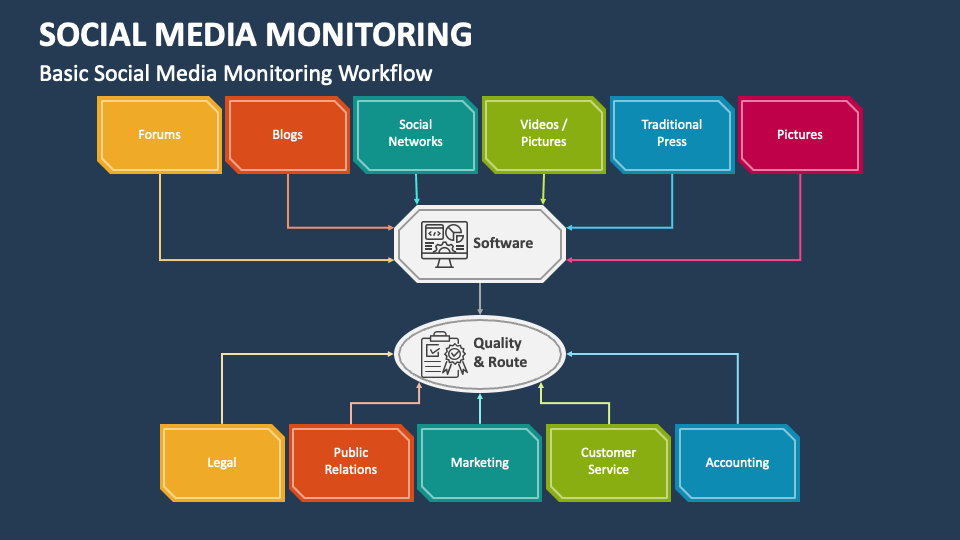
What often gets overlooked is the hidden cost of inconsistent engagement. Teams, especially those stretched thin, might start strong but then let community interactions slide when other priorities emerge. This sporadic presence isn’t just a missed opportunity; it actively erodes the trust and rapport you’ve built. Your audience notices when you disappear, and the perception shifts from “they care” to “they’re only here when it’s convenient.” Rebuilding that connection later takes significantly more effort than maintaining it consistently, creating a delayed consequence that manifests as a less vibrant, less responsive community.
Another common pitfall is the assumption that “authentic engagement” is self-evident. In practice, without clear internal alignment on what authenticity means for your specific brand voice and values, team members can struggle. They might default to generic responses, or worse, engage in ways that feel off-brand, leading to a diluted message and internal frustration. This lack of clarity can make it difficult to prioritize which conversations truly matter, pushing teams towards reactive, surface-level interactions rather than truly meaningful ones.
Even with clear community guidelines, the real challenge lies in consistent, impartial enforcement. If guidelines are set but not actively monitored or if violations are inconsistently addressed, the community quickly learns where the boundaries truly lie. This can lead to a gradual degradation of the environment you aimed to protect, as bad actors test limits and respectful members disengage. The downstream effect is a community that becomes harder to manage, requiring more intensive, reactive moderation down the line—precisely what proactive management aims to avoid.
Navigating Feedback and Criticism Constructively
Negative feedback is an inevitable part of having an online presence. How your brand handles it is a defining moment for your responsibility and reputation.
- Respond promptly and professionally: Acknowledge the comment, apologize if appropriate, and offer a clear path to resolution. Even if you can’t solve the problem immediately, acknowledging it shows you’re listening.
- Take sensitive conversations offline: For complex, personal, or highly emotional issues, move the conversation to direct message, email, or phone. Public arguments rarely benefit anyone.
- Learn from every interaction: Use feedback, both positive and negative, as an opportunity to improve your products, services, or communication. Document common issues to identify patterns.
Practitioner Judgment: Never get into public arguments or become defensive. Your response is often more for the audience watching than for the individual commenter. Maintain a calm, helpful tone, even when faced with unfair criticism.
The directive to respond promptly and professionally, and to avoid public arguments, often masks a deeper challenge: the internal pressure to “win” or justify. What’s easy to overlook is that a public argument, even if you feel you’re “right,” rarely looks good to the silent majority observing the exchange. The hidden cost isn’t just the immediate negative impression, but the slow erosion of perceived brand maturity and trustworthiness. Each defensive reply, each prolonged public back-and-forth, subtly signals a lack of control and a thin skin, which can deter potential customers more effectively than the initial complaint itself.
Moving sensitive conversations offline is crucial, but the follow-through is where many teams stumble. The non-obvious failure mode here isn’t just failing to resolve the specific issue, but failing to close the loop internally. If the offline resolution isn’t documented and shared with the relevant internal teams, the “learning from every interaction” becomes a hollow exercise. This creates a delayed consequence: the same issue resurfaces, frustrating customers and team members alike, who then question the value of the feedback process itself. It’s a resource drain to keep solving the same problem because the internal knowledge transfer broke down.
Another common pitfall is the emotional and resource drain of handling a constant stream of negative feedback, especially for lean teams. The pressure to respond quickly can lead to reactive, rather than strategic, communication. This often means diverting valuable time from proactive marketing or product development to firefighting. For small teams, this isn’t just an inconvenience; it’s a direct trade-off. Deciding which feedback warrants a deep dive versus a quick acknowledgment, and when to escalate internally, becomes a critical judgment call that often gets made under duress, leading to inconsistent application of the very principles outlined.
Content Strategy for Positive Impact
The content you publish directly shapes the digital space around your brand. A responsible content strategy goes beyond promotion to actively contribute positively to your community.
- Educate and inform: Share valuable insights, practical tips, or relevant industry news that genuinely benefits your audience.
- Inspire and uplift: Highlight positive stories, celebrate customer successes, or showcase your brand’s community involvement.
- Promote dialogue: Ask open-ended questions, run polls, and encourage user-generated content (UGC) to foster a sense of community and belonging.
- Demonstrate values: Show, don’t just tell, your brand’s values through your actions and the stories you share.
Practitioner Judgment: Avoid clickbait or overly sensational content. While it might generate short-term attention, it often erodes trust and attracts negative or superficial engagement. Focus on consistent, evergreen value. For deeper dives into crafting a cohesive content plan, consider resources like social media content strategy guide.
What to Deprioritize Today
For small to mid-sized businesses operating with limited budgets and headcount, making smart strategic cuts is as crucial as deciding what to do. Focus your energy where it yields the most tangible results.
- Deprioritize chasing every new social media platform: Unless your core audience is demonstrably active and engaged there, spreading your resources too thinly across many platforms dilutes your efforts. Focus on mastering two to three platforms where you can genuinely connect and build a community.
- Skip overly complex, expensive sentiment analysis tools: While valuable for large enterprises, basic monitoring tools (like Google Alerts, native platform analytics, or even manual checks) are often sufficient for most SMBs to gauge sentiment and identify immediate issues. Invest in human judgment and direct engagement first, before expensive tech.
- Avoid trying to go viral with every post: The pursuit of viral content is often a distraction. Focus on consistent, valuable engagement with your existing community. Building a loyal, positive audience is a sustainable strategy; viral content is often a fleeting moment.
Leveraging AI for Responsible Monitoring (Carefully)
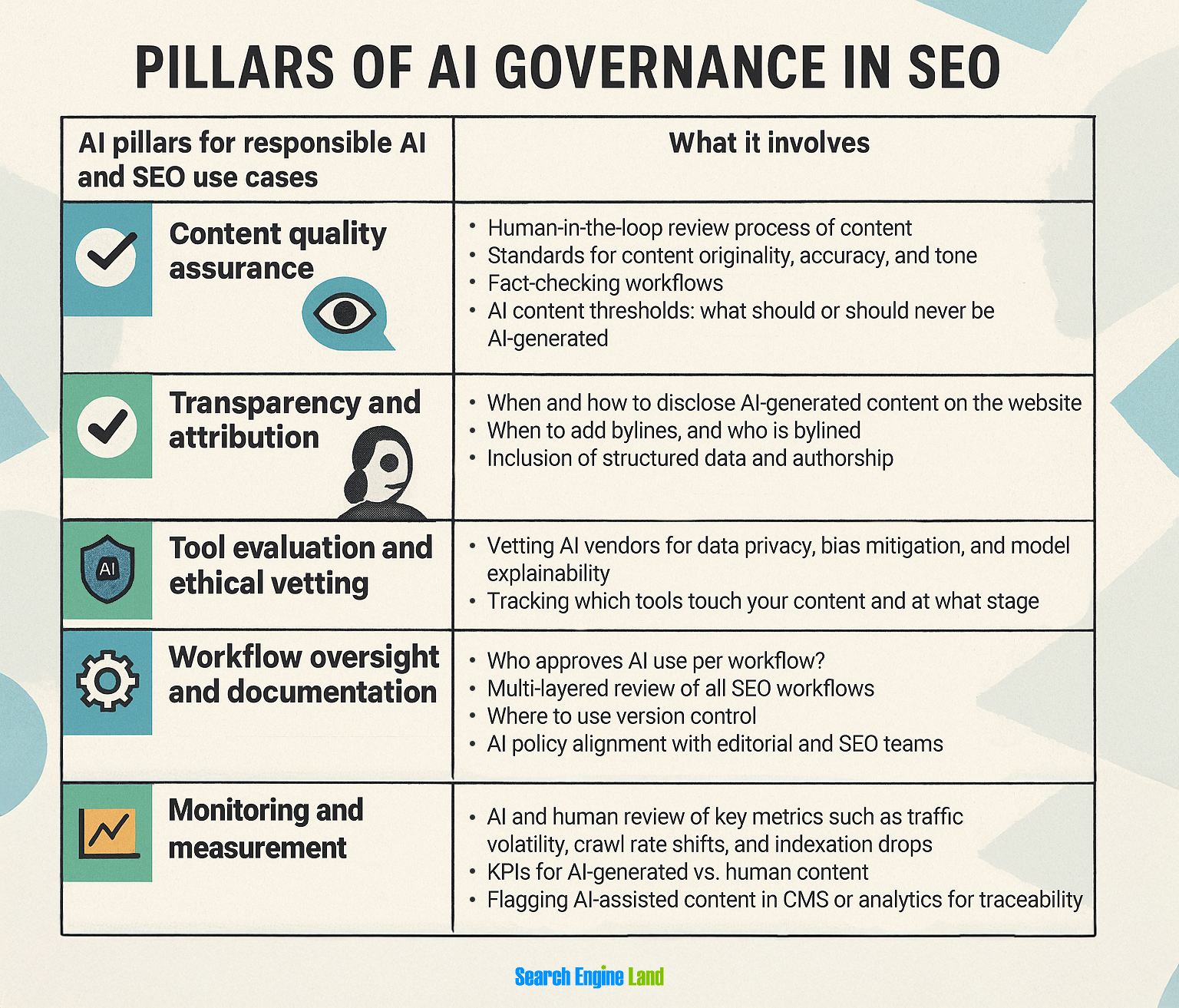
AI tools can be powerful allies in fostering positive digital spaces, but they must augment, not replace, human oversight and judgment. Used carefully, AI can free up your team for more strategic engagement.
- Automate basic monitoring: Use AI-powered tools to flag keywords, brand mentions, or significant sentiment shifts, saving your team valuable time in sifting through data.
- Draft response templates: AI can help generate initial drafts for common queries or feedback, which your team can then personalize and approve, ensuring consistency and speed.
- Identify emerging trends: AI can help spot emerging topics, questions, or concerns within your community that might require a proactive content piece or response strategy.
Practitioner Judgment: Always keep a human in the loop. AI can miss nuance, context, and sarcasm, especially in complex social interactions. Never let AI publish responses without thorough human review, particularly for sensitive customer service or public relations interactions. For more on this, see AI tools for social media management.
Measuring Impact Beyond Vanity Metrics
To truly understand if your efforts are fostering a positive digital space, you need to look beyond superficial metrics like follower counts or total likes. Focus on metrics that reflect community health and brand reputation.
- Engagement Rate: Are people interacting meaningfully with your content (comments, shares, saves) rather than just passively scrolling past?
- Sentiment Analysis (basic): Track the ratio of positive to negative comments and mentions. Is the overall tone of conversations around your brand improving?
- Customer Service Resolution: How many customer issues were successfully resolved via social media? What was the average resolution time?
- Brand Mentions & Share of Voice: Are people talking about your brand, and is the sentiment generally positive?
Practitioner Judgment: Prioritize metrics that reflect the health of your community and the strength of your brand’s reputation over pure reach or follower count. A smaller, highly engaged, and positive community is invariably more valuable and resilient than a large, indifferent, or toxic one.



Leave a Comment