


Elevating Customer Experience with AI: A Practitioner’s View
For small to mid-sized businesses, leveraging AI to enhance customer experience isn’t about chasing the latest trend; it’s about making smart, targeted investments that yield tangible results. This guide cuts through the hype, offering a pragmatic approach to integrating AI tools that directly address your operational realities: limited budgets, lean teams, and the need for immediate impact. You’ll gain clarity on where to start, what truly works, and critically, what to avoid to ensure your efforts translate into improved customer satisfaction and business growth.
We’ll focus on actionable strategies that empower your team to make informed decisions, prioritize effectively, and implement AI solutions that are both effective and sustainable within your existing operational framework. This isn’t about theoretical perfection, but about practical progress in a competitive landscape.
Why AI for CX Isn’t Just for Enterprises Anymore
The perception that advanced AI tools are exclusive to large corporations with vast resources is outdated. Today, many AI-powered customer experience solutions are accessible, scalable, and designed for businesses of all sizes. The key isn’t to replicate enterprise-level systems, but to identify specific pain points in your customer journey where AI can provide disproportionate value without overwhelming your team or budget.
Consider the common challenges: long wait times for support, inconsistent information, or missed opportunities for personalized engagement. These are precisely the areas where modern AI tools, often cloud-based and subscription-friendly, can deliver immediate improvements. The goal is to augment your existing team, not replace them, by automating repetitive tasks and providing insights that were previously out of reach.
While the upfront subscription costs for many AI CX solutions are manageable, the true investment often lies in the ongoing effort required to make them effective. It’s easy to overlook the ‘shadow workload’ involved in data preparation, model training, and continuous refinement. An AI tool is only as good as the data it learns from; if your existing knowledge base is incomplete, inconsistent, or outdated, the AI will simply amplify those flaws, leading to customer frustration and increased manual correction by your team. This isn’t a set-it-and-forget-it solution, but an ongoing partnership that demands attention and resources.
Furthermore, a common pitfall is the assumption that AI will simply eliminate support volume. What often happens, especially with initial deployments, is a shift in the nature of inquiries. Simple, repetitive questions get handled by AI, but the remaining human-handled cases become disproportionately complex or emotionally charged. This can put immense pressure on your human agents, who now spend more time on difficult, nuanced interactions, potentially leading to burnout if not properly supported and trained for this elevated level of engagement. Over-reliance without a robust feedback loop and human oversight can also lead to ‘AI drift,’ where the system’s performance subtly degrades over time, eroding customer trust more insidiously than a slow human response.
Prioritizing Your AI CX Initiatives: Where to Start
When resources are tight, prioritization is paramount. For most small to mid-sized businesses, the highest impact areas for initial AI investment in customer experience revolve around efficiency and immediate customer needs. Start with solutions that address high-volume, low-complexity interactions or provide quick, data-driven insights.
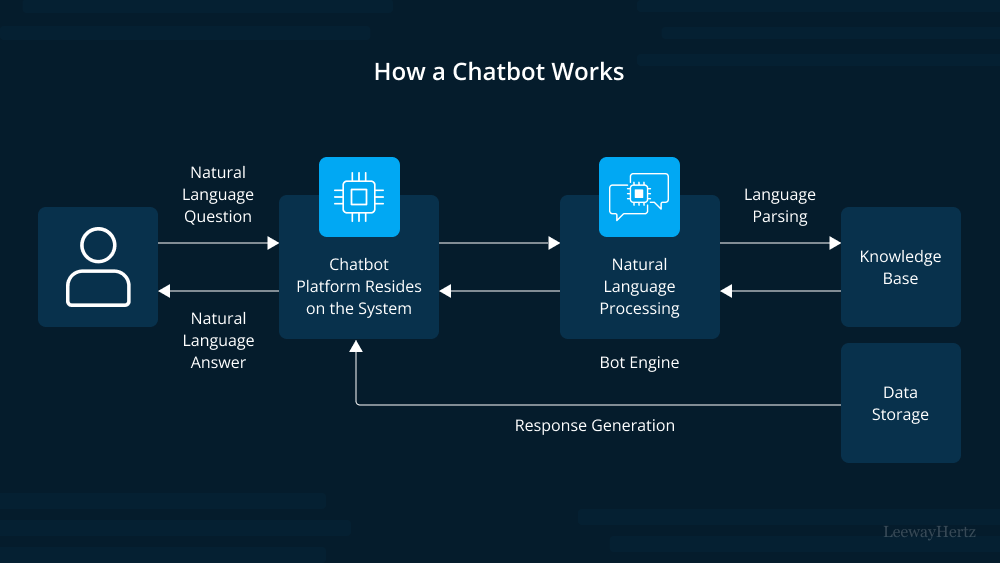
- Automated Customer Support (Tier One): Implementing AI-powered chatbots or virtual assistants for frequently asked questions (FAQs) is often the most effective first step. This offloads repetitive queries from your human agents, freeing them to handle more complex issues. Focus on tools that integrate easily with your existing website or messaging platforms.

AI chatbot workflow - Personalized Product Recommendations: If you operate an e-commerce business, AI-driven recommendation engines can significantly enhance the customer journey and increase average order value. These tools analyze browsing and purchase history to suggest relevant products, often requiring minimal setup with platforms like Shopify or WooCommerce.
- Basic Sentiment Analysis: Understanding customer mood from reviews, social media, or support interactions can be invaluable. Simple AI tools can flag negative sentiment, allowing your team to proactively address issues before they escalate. This provides a quick pulse check on customer satisfaction without extensive manual review.
While the immediate benefits of these initiatives are clear, it’s crucial to anticipate the downstream effects and common pitfalls. For automated support, the theoretical gain of freeing up agents can quickly reverse if the chatbot isn’t continuously trained and monitored. A poorly performing bot doesn’t just fail to resolve queries; it actively frustrates customers, who then arrive at human agents already agitated. This doesn’t reduce agent workload; it often increases the emotional labor and complexity of the interactions, leading to burnout and a net negative impact on CX.
Similarly, the promise of personalized recommendations hinges entirely on the quality and volume of your underlying data. For many SMBs, sparse purchase histories or inconsistent product categorization can lead to irrelevant suggestions that erode customer trust rather than building it. It’s easy to overlook that the AI is only as good as the data it’s fed. For basic sentiment analysis, identifying negative feedback is only half the battle. The real challenge lies in having the operational capacity and clear processes to act on that insight. Without a defined workflow for escalation and resolution, sentiment analysis becomes a diagnostic tool without a treatment plan, leading to a backlog of unaddressed issues and a sense of futility among the team tasked with monitoring it.
The practical reality is that these AI initiatives demand ongoing attention, not just initial setup. The temptation to “set it and forget it” is strong, especially with limited resources, but it’s a guaranteed path to diminishing returns and team frustration. Prioritize the continuous feedback loops and the human processes that support the AI, rather than just the technology itself.
Practical AI Applications for Immediate CX Impact
Let’s break down specific applications that deliver quick wins:
- Chatbots for FAQ Resolution: Deploy a chatbot on your website to answer common questions about shipping, returns, product features, or operating hours. Ensure it has a clear escalation path to a human agent when it can’t resolve a query. This reduces inbound call volume and improves response times.
- AI-Powered Knowledge Bases: Use AI to organize and make your internal and external knowledge bases more searchable. This empowers both customers (self-service) and your support agents (faster answers). Some tools can even suggest relevant articles based on a customer’s query.
- Email Response Automation: For common email inquiries, AI can draft initial responses or suggest templates, significantly speeding up your team’s workflow. This is particularly useful for acknowledging receipt of inquiries or providing standard information.
- Customer Feedback Analysis: Beyond sentiment, AI can analyze open-ended feedback from surveys or reviews to identify recurring themes, emerging issues, or areas for product improvement. This moves beyond anecdotal evidence to data-driven insights.
What to Deprioritize (and Why)
While the allure of advanced AI is strong, for small to mid-sized businesses, certain initiatives should be deprioritized or skipped entirely in the near term. Avoid complex, resource-intensive projects that require significant data infrastructure, specialized AI talent, or deep integration with legacy systems. This includes:
- Full-Scale Predictive Analytics for Churn: While valuable, building robust predictive models for customer churn often demands extensive historical data, specialized data scientists, and significant computational resources. The initial investment and ongoing maintenance can quickly outweigh the benefits for a lean team. Focus instead on reactive measures and simpler indicators of dissatisfaction.
- Highly Custom AI Model Development: Resist the urge to develop bespoke AI models from scratch. Off-the-shelf, configurable solutions are far more cost-effective and faster to implement. Custom development is expensive, time-consuming, and requires expertise most SMBs don’t possess internally.
- Deep, Multi-Channel AI Orchestration: Attempting to seamlessly integrate AI across every single customer touchpoint (email, chat, social, phone, in-person) from day one is overly ambitious. Start with one or two channels where you see the most immediate need and highest volume, then expand incrementally. Over-engineering leads to project delays and budget overruns.
Focus your energy on proven, accessible AI tools that solve specific, high-impact problems rather than chasing comprehensive, bleeding-edge solutions that are better suited for larger enterprises with dedicated R&D budgets.
Building Your AI CX Roadmap
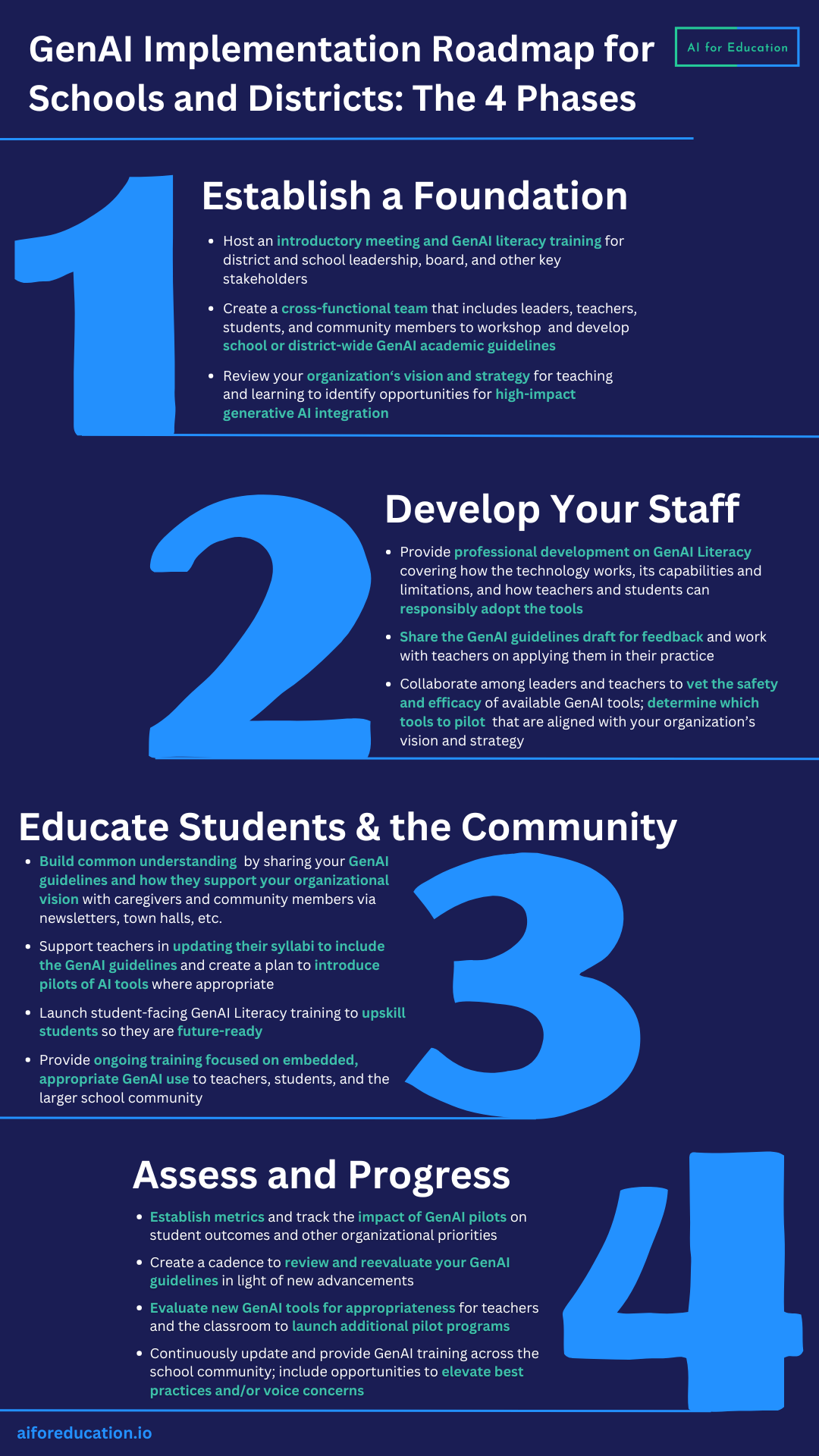
A strategic roadmap for AI in CX doesn’t need to be rigid, but it should be phased and iterative. Think in terms of crawl, walk, run.
- Crawl (Months 1-3): Identify one to two critical pain points. Implement a simple, off-the-shelf AI solution like an FAQ chatbot or a basic recommendation engine. Focus on ease of integration and immediate impact. Define clear, measurable success metrics.
- Walk (Months 4-12): Based on initial success, expand to another high-impact area. This might involve enhancing your chatbot’s capabilities, integrating sentiment analysis, or automating email responses for specific query types. Start exploring how AI can provide insights from your existing customer data.
- Run (Beyond 12 Months): Once you have established a foundation and proven value, you can consider more sophisticated applications. This could include more advanced personalization, proactive outreach based on AI insights, or deeper integration of AI across multiple channels. Always evaluate new initiatives against your budget, team capacity, and measurable ROI.
Measuring Success and Iterating
Implementing AI without measuring its impact is a missed opportunity. Define clear Key Performance Indicators (KPIs) before you deploy any AI solution. For customer support, these might include:
- First Contact Resolution Rate: How often is the AI able to resolve an issue without human intervention?
- Average Response Time: How quickly does the AI respond to customer queries?
- Customer Satisfaction (CSAT) Scores: Are customers happier with the AI-powered interactions?
- Agent Efficiency: How much time are human agents saving due to AI automation?
Regularly review these metrics. AI models improve with data and feedback. Be prepared to iterate, fine-tune your chatbot’s responses, adjust recommendation algorithms, or refine your data analysis parameters. This continuous improvement cycle is critical for long-term success.
The Human Element in AI-Powered CX
Even with the most advanced AI, the human touch remains indispensable. AI should augment your team, not replace it. Your human agents are crucial for handling complex, emotional, or nuanced customer interactions that AI cannot effectively manage. They also provide the critical oversight needed to train and improve AI systems.
Invest in training your team to work alongside AI. Teach them how to leverage AI tools for efficiency, how to escalate issues effectively, and how to maintain empathy and personal connection when AI handles the routine. The most successful AI-powered CX strategies blend technological efficiency with genuine human understanding, ensuring that your customers always feel valued, whether interacting with a bot or a person.



Leave a Comment