

For small to mid-sized businesses, navigating the complex landscape of marketing compliance can feel daunting. This article cuts through the noise, offering a pragmatic approach to understanding and implementing the essential compliance measures that protect your business, build customer trust, and ensure sustainable growth. You’ll learn where to focus your limited resources first, what common pitfalls to avoid, and how to integrate integrity into your marketing strategy without overcomplicating your operations.
The goal isn’t to become a legal expert, but to equip you with the practitioner’s judgment needed to make smart trade-offs under real-world constraints. By prioritizing effectively, you can mitigate significant risks and foster a reputation for trustworthiness that pays dividends in customer loyalty and acquisition.
Why Compliance Isn’t Optional for SMBs Anymore
In today’s digital landscape, regulatory bodies and consumer expectations have evolved. What might have been overlooked for smaller businesses a few years ago is now under increased scrutiny. Non-compliance isn’t just a theoretical risk; it carries tangible consequences, from hefty fines that can cripple a small operation to severe reputational damage that erodes customer trust and makes future acquisition exponentially harder. Think of it as a foundational element of your marketing infrastructure, not an optional add-on. Ignoring it is akin to building a house on sand.
Prioritizing Key Compliance Areas Today
Given limited resources, you can’t tackle everything at once. Focus your efforts where the risk is highest and the impact on your core marketing activities is most direct:
- Data Privacy Regulations (e.g., GDPR, CCPA-like laws): This is paramount. If you collect any customer data—emails, names, browsing behavior—you are subject to these rules. Prioritize clear consent mechanisms for data collection, transparent privacy policies, and secure data handling. Understand the basics of what constitutes personal data and how it must be protected. General Data Protection Regulation
- Email Marketing Laws (e.g., CAN-SPAM, CASL): If email is part of your marketing mix, ensure you have explicit consent (opt-in) before sending promotional messages. Always include a clear, easy-to-use unsubscribe link in every email, and ensure your sender information is accurate.
- Advertising Transparency (e.g., FTC guidelines): Any endorsements, testimonials, or sponsored content must be clearly disclosed. Pricing and promotional claims must be accurate and not misleading. This is crucial for maintaining credibility with your audience.
- Website Accessibility (e.g., ADA considerations): While often seen as a larger enterprise concern, basic web accessibility ensures your site is usable by people with disabilities. Simple steps like proper alt text for images, clear navigation, and keyboard accessibility can prevent issues and broaden your audience.
For most SMBs, data privacy and email marketing compliance should be at the top of the list. These areas often involve direct customer interaction and carry significant penalties for common missteps.
While the initial focus on data privacy often centers on getting a privacy policy up and adding consent banners, the real challenge emerges later. Many teams overlook the operational burden of managing consent over time. It’s one thing to collect consent; it’s another to prove it, track its scope, and honor withdrawal requests efficiently. When a customer asks what data you hold or demands its deletion, a poorly implemented system can quickly turn into a costly, time-consuming scramble. This isn’t just a legal risk; it’s a significant drain on limited team resources, pulling people away from core marketing tasks to manually sift through data or untangle fragmented records.
Similarly, email marketing compliance goes beyond simply including an unsubscribe link. The speed and reliability of that unsubscribe process are critical. If a user clicks ‘unsubscribe’ but continues to receive emails for days or weeks, the immediate consequence isn’t just a legal violation; it’s a direct assault on your sender reputation. These frustrated users are more likely to mark your emails as spam, which signals to email providers that your content is unwanted. Over time, this erodes your deliverability, meaning even your legitimate, opted-in emails start landing in spam folders, effectively gutting the ROI of your entire email program. The short-term gain of holding onto an email address for a few extra days is rarely worth the long-term damage to your ability to reach your audience.
What’s easy to overlook across all these areas is that compliance isn’t a one-time project; it’s an ongoing operational discipline. Policies and practices need to evolve as your marketing activities change, as new data points are collected, or as regulations shift. The friction often arises when the marketing team, focused on campaigns and conversions, makes changes without fully understanding the compliance implications, or when the legal/operations team isn’t adequately looped in. This creates a constant tension and the risk of non-compliance creeping in through the back door, often discovered only when a problem arises, leading to reactive, stressful, and expensive fixes rather than proactive management.
What to Deprioritize and Why
As an SMB, you must make strategic trade-offs. Today, you should deprioritize investing in overly complex, enterprise-grade compliance software suites or hiring a dedicated, full-time compliance officer. These solutions are often overkill for small teams and can drain budgets without providing commensurate value for your specific risk profile. Instead, focus on embedding compliance into your existing workflows and leveraging features within your current marketing tools. Delay deep dives into highly niche or industry-specific regulations unless you operate in a sector with extremely stringent, unique requirements (e.g., healthcare, finance). Start with the broad, widely applicable regulations first, and build a solid foundation before adding layers of complexity.
Even when the initial investment in enterprise-grade software is somehow justified or forced, the downstream operational burden is often overlooked. Small teams lack the dedicated IT or legal resources to properly configure, integrate, and maintain these systems. What looks like a “solution” on paper quickly becomes a black hole of unallocated time, requiring constant context switching from core marketing tasks. This leads to partial adoption, data silos, and a system that’s technically present but functionally ineffective, creating a costly illusion of compliance rather than actual risk mitigation.
The advice to embed compliance into existing workflows, while sound, often hits a wall in practice. Without clear, explicit process owners and robust, repeatable checklists, these “embedded” steps become optional under deadline pressure. Marketing teams, focused on campaign launches and performance metrics, will naturally prioritize output over an extra compliance check if it’s not deeply ingrained and consistently enforced. This creates a compliance gap that isn’t due to ignorance, but rather the friction of imperfect operationalization and the human tendency to cut corners when under duress.
Furthermore, simply understanding the broad strokes of regulations is only half the battle. The real challenge lies in consistently operationalizing those rules across every piece of content, every ad platform, and every customer interaction. It’s easy to overlook how quickly new campaigns or channel expansions can introduce fresh compliance vectors, requiring constant vigilance and adaptation. What starts as a simple set of rules can quickly become a complex web of execution details, demanding ongoing training and internal communication to prevent drift.
Building a Pragmatic Compliance Workflow
Effective compliance doesn’t require a legal department; it requires a structured approach:
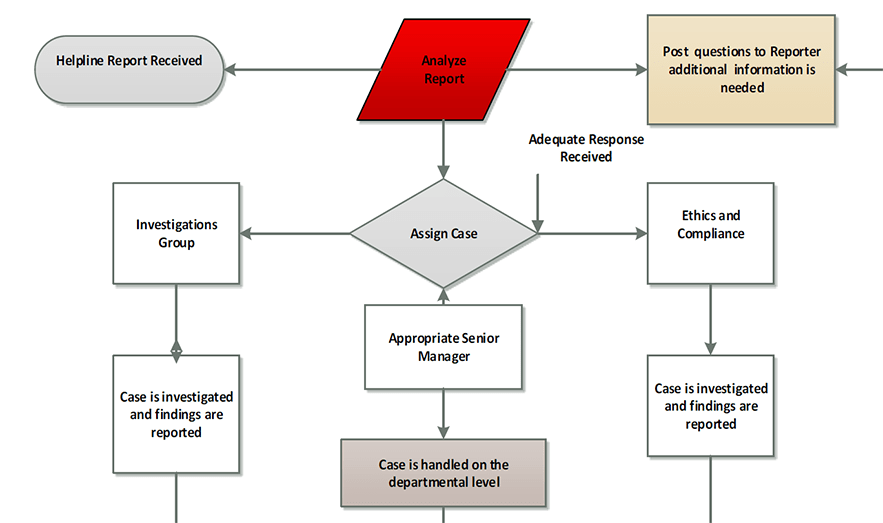
- Audit Your Current Practices: Start by mapping out every point where you collect, store, and use customer data. Identify where consent is obtained (or not), how data is secured, and who has access.
- Update Policies & Disclosures: Ensure your website’s Privacy Policy and Terms of Service are up-to-date, clear, and easily accessible. These documents are your primary defense.
- Implement Consent Mechanisms: For data collection and marketing communications, use clear, unambiguous opt-in forms. Avoid pre-checked boxes. For cookies, implement a consent banner that allows users to manage their preferences.
- Train Your Team: Even a small team needs basic awareness. Educate anyone involved in marketing, sales, or customer service on data handling best practices and the importance of consent.
- Document Everything: Keep records of consent, policy updates, and any compliance-related actions taken. This documentation is invaluable if you ever face an audit or inquiry.
Leveraging Tools for Simpler Compliance
You don’t need custom solutions for every compliance challenge. Many existing marketing tools offer features that aid compliance:
- Email Marketing Platforms: Most reputable platforms (e.g., HubSpot, Mailchimp) have built-in features for managing opt-ins, unsubscribes, and maintaining sender identity. Leverage these. email marketing compliance
- Consent Management Platforms (CMPs): For cookie consent, consider a CMP. Many affordable options integrate easily with your website and help manage user preferences automatically.
- Website Builders: Modern website builders often have templates for privacy policies and can integrate with cookie consent tools.
The key is to use the tools you already have or can easily integrate to automate as much of the compliance burden as possible, freeing your team to focus on core marketing activities.
Sustaining Trust Through Transparency
Ultimately, marketing with integrity isn’t just about avoiding fines; it’s about building and sustaining trust. Transparent practices—being clear about what data you collect, why you collect it, and how you use it—foster stronger relationships with your customers. This trust translates into higher customer retention, better engagement, and a more positive brand reputation. In an era where consumers are increasingly wary of how their data is used, a commitment to integrity becomes a powerful differentiator and a cornerstone of sustainable customer acquisition.

Leave a Comment