

As a business leader in a small to mid-sized company, you’re constantly balancing growth ambitions with finite resources. Leveraging AI for data-driven decision-making isn’t about adopting every new technology; it’s about making smarter choices with the data you already have, without needing a dedicated data science team. This guide cuts through the hype to offer practical, actionable steps for integrating AI into your decision processes, helping you optimize campaigns, understand customers better, and ultimately, increase revenue.
You’ll learn where to focus your efforts for the biggest impact, what tools are genuinely useful today (February 2026), and crucially, what to deprioritize to avoid wasting precious time and budget. Our focus is on pragmatic application that works within real-world constraints, not ideal conditions.
Cutting Through the AI Hype: What’s Real for SMBs Today
The term “AI” often conjures images of complex algorithms and futuristic robots. For small to mid-sized businesses, the reality is far more grounded and immediately beneficial. Today, AI primarily manifests as advanced analytics, automation, and predictive capabilities embedded within the marketing, sales, and operational tools you likely already use. Think smart recommendations in your CRM, automated ad bidding optimization, or intelligent content generation assistants.
What should you deprioritize right now? Avoid the temptation to invest in building custom AI models from scratch or hiring a full-time data scientist. These endeavors are resource-intensive, require specialized expertise, and often have a long, uncertain path to ROI for businesses of our size. Instead, focus your energy on identifying and utilizing the AI features already integrated into your existing platforms or readily available as affordable SaaS solutions. This approach minimizes risk and maximizes your ability to see tangible results quickly.
Prioritizing AI Applications: Where to Start for Immediate Impact
With limited resources, choosing the right starting point is critical. We recommend focusing on areas where AI can directly enhance your understanding of customers and the effectiveness of your marketing efforts. These are typically where you have existing data streams that can be quickly leveraged.
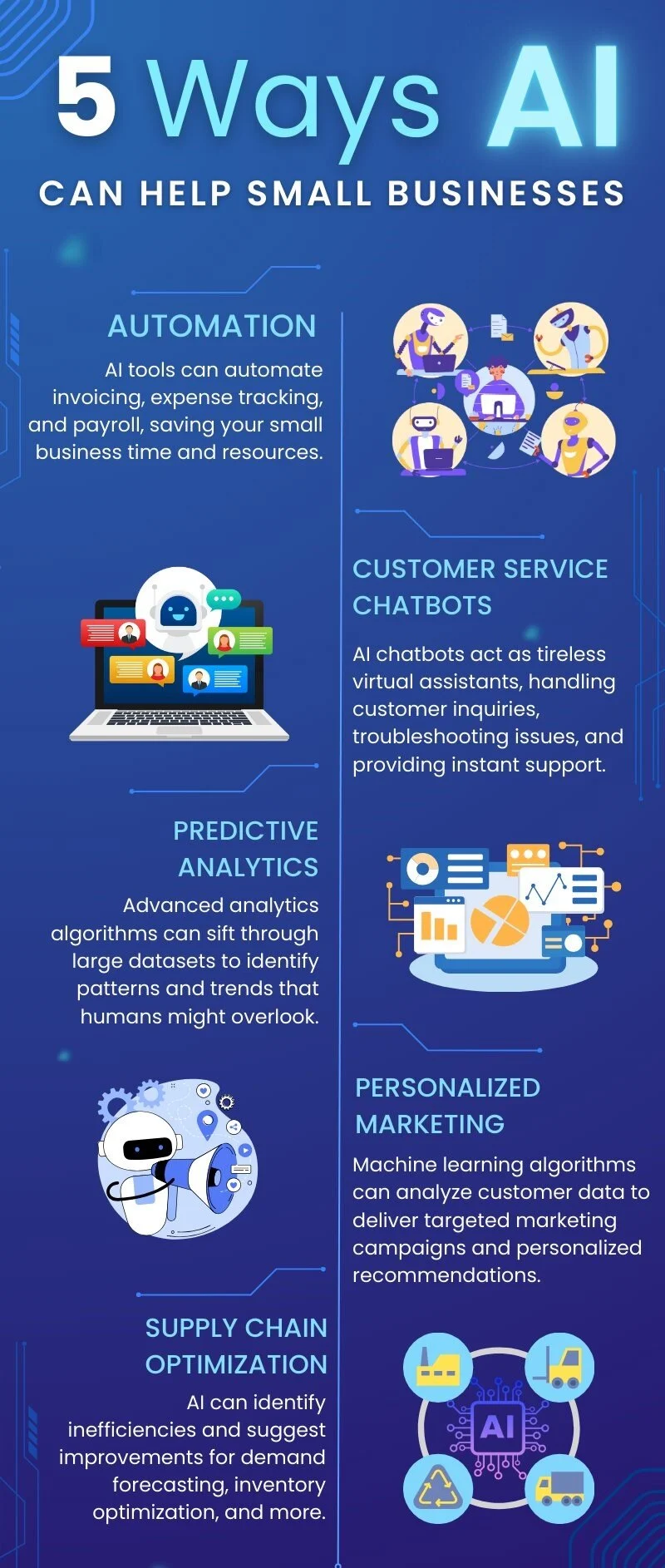
- Customer Segmentation and Personalization: This is often the lowest-hanging fruit. AI tools can analyze your existing CRM and sales data to identify distinct customer segments based on behavior, purchase history, and demographics. This allows for highly targeted messaging and offers, moving beyond basic demographic segmentation. For example, an AI-powered CRM can suggest which customers are most likely to churn or respond to a specific upsell.
- Marketing Campaign Optimization: Many advertising platforms (Google Ads, Meta Ads) now incorporate sophisticated AI for bidding, audience targeting, and creative optimization. Leveraging these built-in features can significantly improve campaign performance without requiring manual, granular adjustments. AI can predict which ad variations will perform best or dynamically allocate budget to top-performing channels.
- Content Performance Analysis: AI can help you understand what content resonates with your audience by analyzing engagement metrics, sentiment, and keyword performance. This isn’t about AI writing all your content, but rather providing data-driven insights to guide your content strategy and identify gaps.
These applications provide a clear path to better decision-making by surfacing insights from your data that would be difficult or impossible to uncover manually. They directly impact revenue and customer retention, making them ideal starting points.
What often gets overlooked in the rush to ‘leverage existing data’ is the state of that data itself. Many SMBs operate with fragmented, inconsistent, or incomplete customer records. While AI tools are powerful, they are not magic; they will amplify the biases and inaccuracies present in your input data. This means the ‘quick win’ of segmentation can quickly turn into a hidden cost, requiring significant manual effort to clean, standardize, and integrate disparate data sources before any meaningful insights can emerge. The frustration of seeing skewed recommendations or misdirected campaigns due to poor data quality can quickly erode team confidence in the AI’s value.
Similarly, while leveraging built-in AI in ad platforms offers immediate performance boosts, it introduces a different kind of challenge: the ‘black box’ effect. As the AI takes over more optimization decisions, teams can gradually lose their intuitive understanding of why certain campaigns succeed or fail. This isn’t just about losing control; it’s a second-order effect where the team’s strategic muscle for independent testing, hypothesis generation, and adapting to market shifts can atrophy. When the platform AI inevitably hits a local maximum or market conditions change drastically, the team might find itself less equipped to diagnose problems or pivot effectively without relying solely on the platform’s opaque suggestions, which may not always align with broader business objectives beyond immediate ad performance.
Given these practical realities, it’s crucial to prioritize. While AI for content analysis is a strong starting point, most small to mid-sized businesses should deprioritize AI for content generation today. The promise of automated content creation often falls short in practice, producing generic, unoriginal, or even factually dubious output. The time saved in initial drafting is frequently eaten up by extensive human editing, fact-checking, and rewriting to align with brand voice and accuracy standards. For teams with limited headcount, this often becomes a net drain on resources, diverting focus from higher-impact strategic work and risking brand reputation with low-quality content. Focus on using AI to augment human intelligence, not replace it, especially in areas critical to brand identity and customer trust.
Building Your AI-Ready Data Foundation (Pragmatically)
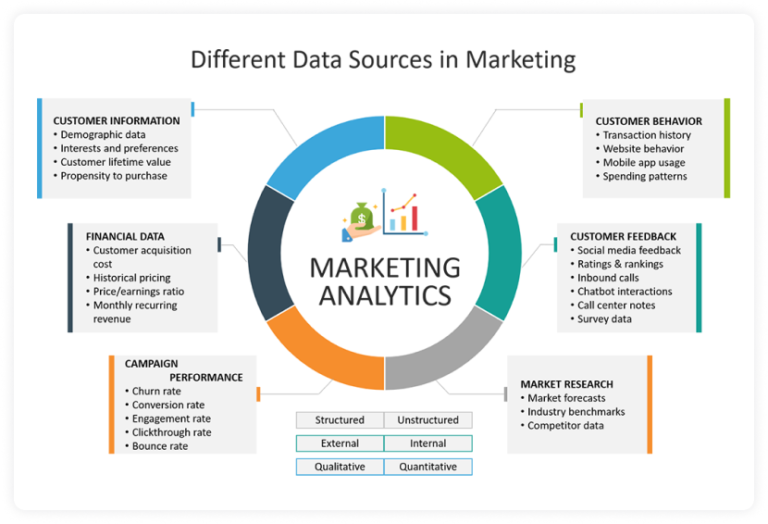
You don’t need perfect data to start with AI, but you do need accessible, reasonably clean data. The good news is that for most SMBs, your critical data already resides in your CRM, marketing automation platforms, e-commerce systems, and web analytics tools. The goal isn’t a massive data warehouse project, but rather making your existing data usable.
- Identify Key Data Sources: Map out where your customer, sales, marketing, and operational data lives. Common sources include HubSpot, Shopify, Google Analytics 4, and your accounting software.
- Focus on Data Hygiene Basics: Address glaring inconsistencies, duplicate entries, and missing critical fields. Many modern platforms have built-in data cleaning or validation features. Prioritize cleaning data that directly feeds into your chosen AI applications. For instance, if you’re using AI for customer segmentation, ensure customer contact and purchase history are accurate.
- Integrate Where Possible: Leverage native integrations between your platforms. For example, connecting your e-commerce platform to your CRM allows for a unified view of customer journeys, which AI tools can then analyze more effectively. Tools like Zapier or Make (formerly Integromat) can help bridge gaps for less common integrations.
Remember, “good enough” data that’s actionable is far better than waiting for “perfect” data that never materializes. The iterative nature of AI means you can refine your data quality over time as you see the benefits.
However, relying solely on “good enough” data without a forward-looking perspective can create its own set of problems. While it gets you started, you might find that the initial data structure or integration choices, optimized for a simple AI task, become a bottleneck for more advanced applications. Scaling from basic segmentation to sophisticated predictive modeling, for instance, often demands a more consistent and deeply integrated data foundation. Retrofitting these foundational elements later, when your AI initiatives are more mature, is invariably more complex and costly than a slightly more deliberate approach upfront.
Another common oversight is the semantic mismatch between data sources. Even when platforms are technically integrated, the definitions and usage of seemingly identical fields can vary significantly. A “customer type” in your CRM might not align with “account status” in your e-commerce system, leading to ambiguous or conflicting signals for AI models. Resolving these discrepancies requires more than just technical integration; it demands a clear understanding of business logic across departments, which often translates into manual data mapping or complex transformation rules that are easy to underestimate.
To avoid getting bogged down, it’s crucial to explicitly deprioritize data cleaning or integration efforts that don’t directly support your immediate, highest-impact AI use cases. Don’t fall into the trap of trying to achieve perfect data across every system for every conceivable future scenario. For instance, if your initial AI project focuses on optimizing email subject lines, prioritize the cleanliness of your email engagement data and customer segments, and defer extensive cleanup of historical offline sales data until you have a clear AI application for it. This pragmatic scoping prevents resource drain and keeps momentum.
Choosing the Right AI Tools: Pragmatism Over Prestige
The market is flooded with AI tools, but for SMBs, the best choices are often those that integrate seamlessly into your existing workflows and offer clear value without requiring specialized technical skills. Look for AI features embedded within platforms you already use or standalone tools designed for ease of use.
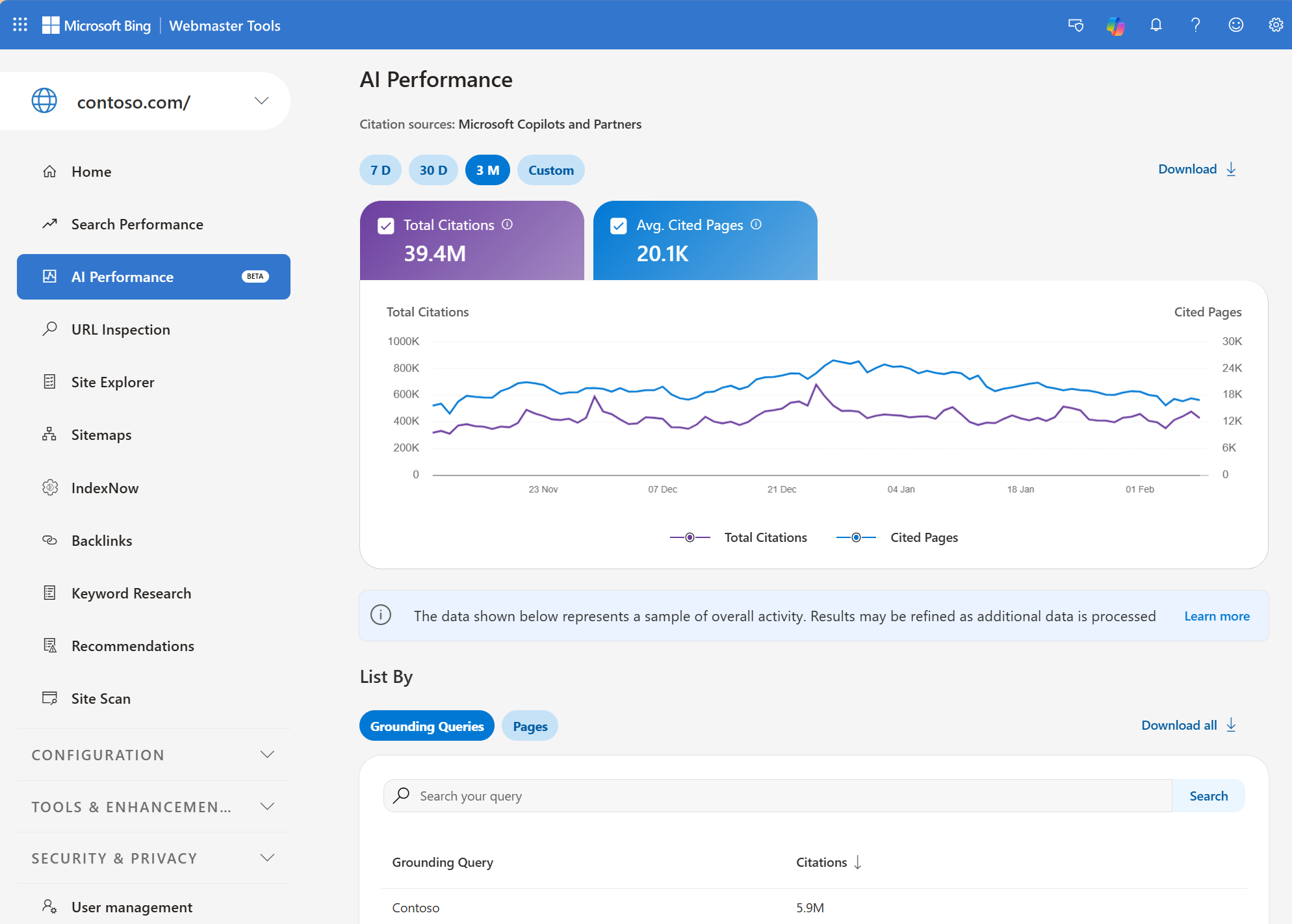
- Leverage Built-in AI: Platforms like HubSpot, Shopify, and Google Analytics 4 are continuously enhancing their AI capabilities. HubSpot’s AI features can assist with content creation, email subject line optimization, and sales forecasting. Shopify uses AI for product recommendations and fraud detection. Google Analytics 4 offers AI-powered insights into user behavior and predictive audiences. AI features in Google Analytics 4
- Consider Specialized SaaS Tools: For specific needs, explore affordable, user-friendly SaaS tools. Examples include AI-powered copywriting assistants for marketing content, or tools that analyze customer reviews for sentiment. Focus on tools that solve a specific problem you have, rather than broad, general-purpose AI platforms.
- Prioritize Ease of Integration and Use: A powerful AI tool is useless if your team can’t easily integrate it or understand how to use it. Opt for solutions with intuitive interfaces and good support documentation.

Before committing, take advantage of free trials. Test the tool with your own data to see if it genuinely delivers the promised insights and integrates smoothly into your operations. Don’t get swayed by features you won’t use; focus on core functionality that addresses your immediate business needs.
Implementing AI: Start Small, Iterate, and Measure
Implementing AI isn’t a one-time project; it’s an ongoing process of experimentation and refinement. Start with a small, manageable pilot project, measure its impact, and then expand.
- Define Clear Objectives and KPIs: Before you even touch an AI tool, clearly articulate what problem you’re trying to solve and how you’ll measure success. Is it increasing conversion rates by ten percent? Reducing customer churn by five percent? Specific, measurable goals are essential.
- Run Pilot Projects: Don’t roll out AI across your entire operation at once. Choose a specific campaign, customer segment, or operational process for your initial AI application. This allows you to learn and adjust with minimal risk.
- Maintain Human Oversight: AI is a powerful assistant, but it’s not a replacement for human judgment. Always review AI-generated insights and recommendations. Understand the “why” behind the suggestions and apply your business context before making final decisions. AI can highlight patterns; you interpret their significance.
- Iterate and Optimize: Based on your pilot project’s results, refine your approach. Adjust the data inputs, tweak the tool’s settings, or explore different AI applications. The goal is continuous improvement.
By taking a measured, iterative approach, you build confidence, demonstrate ROI, and gradually integrate AI into your decision-making culture without overwhelming your team or budget. This pragmatic strategy ensures that AI becomes a valuable asset, not just another unfulfilled tech investment.

Leave a Comment