

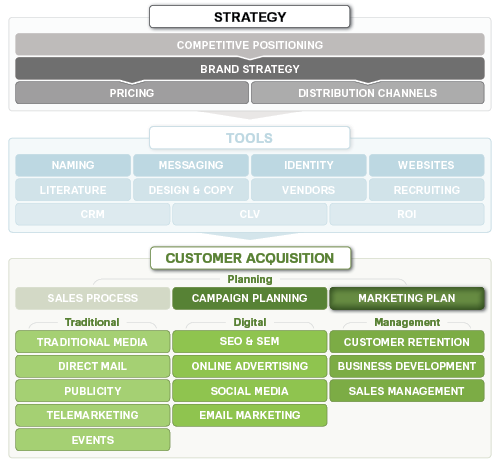
Navigating Marketing Spend for Tangible Growth
Navigating marketing spend for your small to mid-sized business often feels like a zero-sum game. This article cuts through the noise, offering a pragmatic framework to allocate your limited budget where it truly counts. You’ll gain clear insights into identifying high-impact channels, making informed trade-offs, and leveraging accessible tools to drive tangible growth and measurable ROI, even with a lean team and imperfect execution.
Our focus is on actionable strategies that deliver results in today’s competitive landscape, helping you prioritize effectively and avoid common pitfalls that drain resources without clear returns.
Understanding Your Marketing Spend Landscape
Before allocating a single dollar, you must have a clear understanding of your current marketing ecosystem and business objectives. For small to mid-sized teams, this isn’t about complex market research, but rather a frank assessment of your sales cycle, customer acquisition costs, and existing customer base. Many businesses fall into the trap of simply replicating competitor strategies or chasing the latest trend without first defining what success looks like for them.
Your marketing spend should directly support specific, measurable business goals – whether that’s increasing qualified leads by twenty percent, boosting online sales by fifteen percent, or improving customer retention. Without these clear targets, any spend becomes a gamble, not an investment.
What’s often overlooked is the insidious drain of unclear objectives. When targets are fuzzy, teams default to activity over outcome. This isn’t just about wasted budget; it’s about wasted human capital. Every hour spent on an initiative that doesn’t align with a clear, measurable goal is an hour not spent on something that could genuinely move the business forward. The initial spend might appear modest, but the cumulative cost in lost momentum, team frustration, and delayed progress is substantial. It also fosters a culture where ‘doing something’ is prioritized over ‘doing the right thing,’ making it harder to pivot when results inevitably fall short.
This brings us to a critical point of deprioritization: resist the urge to mimic competitor tactics or jump on every new platform. While it feels proactive to follow what others are doing, their context, budget, and internal capabilities are almost certainly different from yours. What works for a larger, well-funded competitor with a dedicated social media team might be a significant resource sink for your lean operation. The downstream effect is not just a misallocated budget, but also a dilution of your team’s focus and energy. Instead of building on your unique strengths, you’re constantly playing catch-up on someone else’s playbook, leading to mediocre results and a sense of perpetual overwhelm.
The pressure to ‘show results’ can also push teams towards easily quantifiable but ultimately less impactful metrics. It’s simpler to report on website traffic or social media engagement than to rigorously track the conversion rate from a qualified lead to a closed sale. This creates a false sense of progress, where marketing appears busy and productive, but the actual business impact remains elusive. True assessment requires a willingness to confront the harder numbers, even if they’re less flattering in the short term.
Prioritizing Channels: Where to Invest First
With limited budgets, the key is ruthless prioritization. Focus on channels that offer the clearest path to measurable ROI and align with your customer’s journey. For most small to mid-sized businesses today, this means leaning into digital channels where tracking and optimization are more straightforward.
- Search Engine Optimization (SEO): This is a long-term play, but foundational. Investing in strong on-page SEO, technical health, and content that answers customer questions builds organic visibility that compounds over time. It reduces reliance on paid ads and generates high-intent traffic.
- Content Marketing: Create valuable content (blog posts, guides, case studies) that addresses your audience’s pain points. This supports SEO, builds authority, and nurtures leads. Repurpose content across platforms to maximize reach without excessive new creation.
- Targeted Paid Social Media: Platforms like Meta (Facebook/Instagram) or LinkedIn (for B2B) allow for highly granular audience targeting. Start with small, focused campaigns aimed at specific conversion events (e.g., lead generation, product sales) rather than broad awareness. Optimize aggressively based on performance.
- Email Marketing: Often overlooked, email remains one of the highest ROI channels. Build your list through valuable content and website forms, then nurture leads and drive sales with segmented, personalized campaigns.
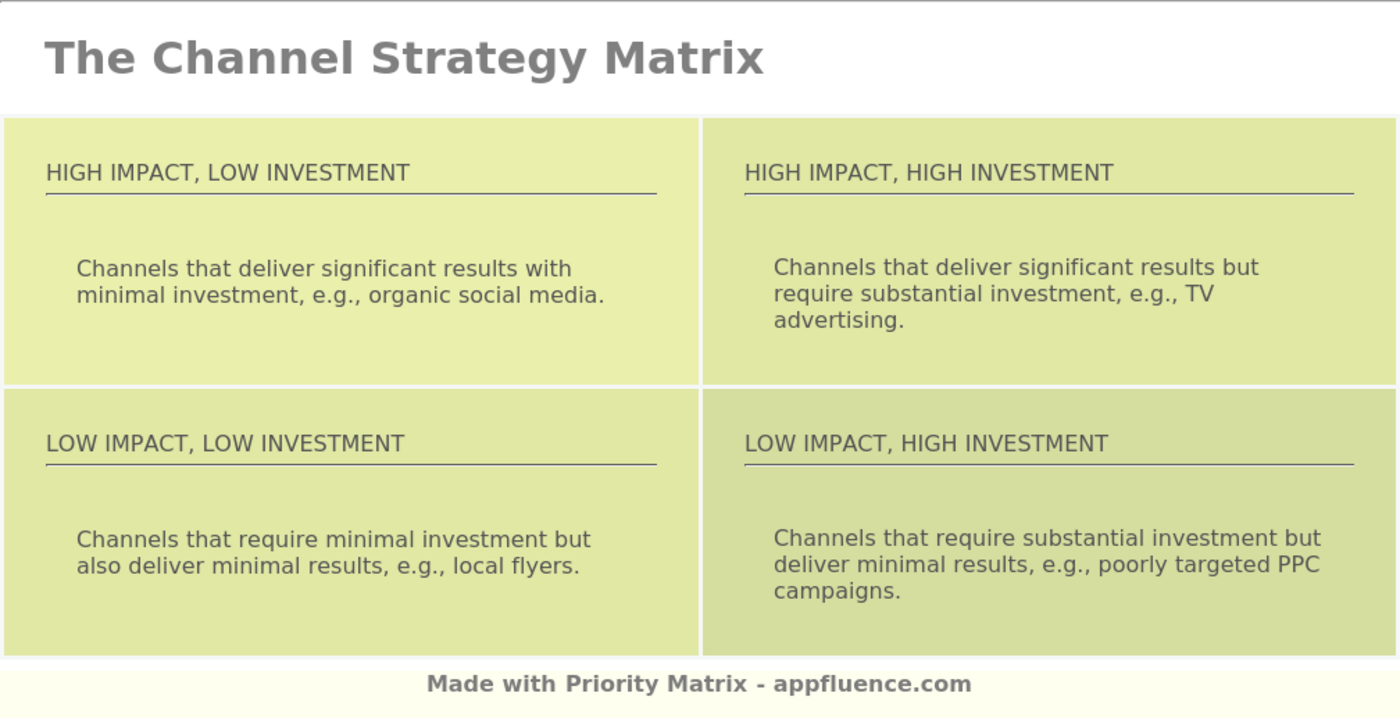
When deciding, ask yourself: Can I directly measure the impact of this channel on leads or sales? Does it reach my ideal customer efficiently? If the answer isn’t a clear ‘yes,’ it likely belongs lower on your priority list.
Focusing on a few channels is critical, but it’s easy to overlook the long-term fragility this can create. An over-reliance on a single paid channel, for instance, makes your entire acquisition strategy vulnerable to algorithm changes, policy shifts, or escalating ad costs. Similarly, while direct ROI is paramount, completely ignoring channels that build brand equity or community can make future customer acquisition more expensive and less effective. These “softer” channels might not show immediate, direct sales, but they contribute to a more resilient and lower-cost customer base over time.
The emphasis on “tracking and optimization” is sound, but the practical execution often falls short. Many teams launch campaigns and set up tracking, but the consistent, analytical rigor required for true optimization is a different beast. It demands dedicated time, specific analytical skills, and the discipline to make iterative adjustments based on data, not just gut feelings. Without this sustained effort, even highly measurable channels can become money pits, simply because the initial setup isn’t enough; continuous refinement is where the real ROI is unlocked. This often creates a hidden drain on resources and team morale when initial results don’t meet expectations, leading to premature abandonment of otherwise viable channels.
Another common pitfall lies in the execution of content repurposing. The theory suggests maximizing reach with minimal new creation, which is appealing. In practice, however, “repurposing” often devolves into simply cross-posting content without adapting it for the specific platform or audience context. A blog post isn’t automatically a good LinkedIn post or an engaging Instagram story. True repurposing requires thoughtful adaptation—reformatting, re-editing, and sometimes even rewriting—which demands additional time and creative effort. When this nuance is overlooked, the content underperforms, leading to wasted effort and a diluted brand message, rather than the efficient amplification initially envisioned.
What to Deprioritize or Skip (and Why)
For most small to mid-sized businesses, the temptation to chase every new trend or invest in broad, top-of-funnel brand awareness campaigns is strong. However, today, these should be largely deprioritized. Why? Because they often demand significant upfront investment, have long and difficult-to-measure ROI cycles, and divert precious resources from activities that yield more immediate and trackable results. Instead of pouring money into speculative influencer marketing without clear attribution, large-scale programmatic display ads, or experimental virtual reality campaigns, focus on channels where you can directly attribute leads and sales. Similarly, avoid complex, multi-channel attribution models until your core channels are optimized and generating consistent returns; simple last-click or first-click attribution is sufficient for initial decision-making.
Measuring ROI and Adapting Your Strategy
Effective marketing spend isn’t a set-it-and-forget-it operation; it requires continuous measurement and adaptation. For small teams, this means focusing on a few key metrics that directly tie back to your business goals, rather than drowning in data.
- Customer Acquisition Cost (CAC): How much does it cost to acquire a new customer through a specific channel?
- Lifetime Value (LTV): How much revenue does a typical customer generate over their relationship with your business? Aim for LTV to be significantly higher than CAC.
- Conversion Rate: What percentage of visitors or leads complete your desired action (e.g., purchase, sign-up)?
- Return on Ad Spend (ROAS): For paid campaigns, how much revenue do you generate for every dollar spent on ads?
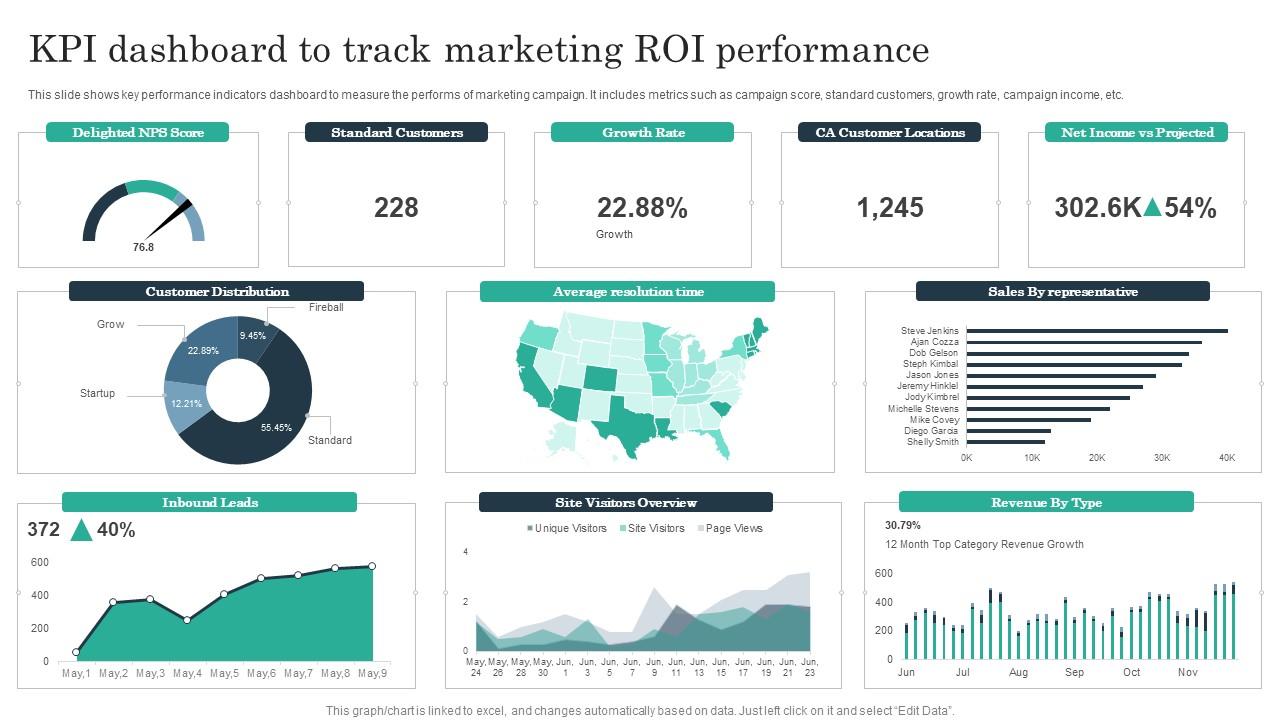
Regularly review these metrics – weekly or bi-weekly for active campaigns – and be prepared to shift budget away from underperforming channels and towards those delivering strong returns. Don’t be afraid to kill campaigns that aren’t working; sunk cost fallacy is a budget killer.
Leveraging AI for Smarter Spend Decisions
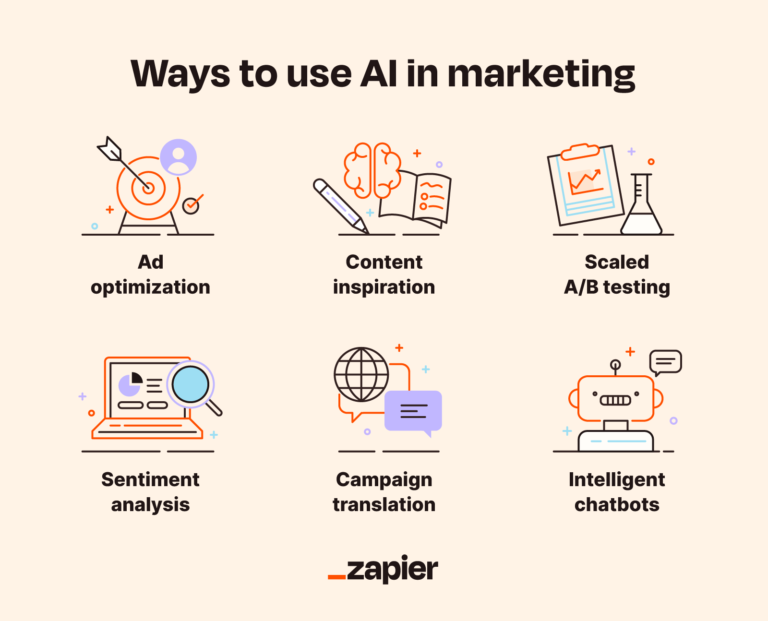
AI isn’t just for enterprise-level marketing teams anymore. Accessible AI tools can significantly enhance your marketing spend efficiency, even with a limited budget. The key is to use AI where it provides practical leverage, not just novelty.
- Ad Copy Optimization: AI writing assistants can generate multiple ad variations quickly, allowing you to A/B test more effectively and find high-performing copy without extensive manual effort.
- Audience Segmentation: AI-powered analytics can help identify subtle patterns in your customer data, leading to more precise audience segments for targeted campaigns. This reduces wasted ad spend on irrelevant audiences.
- Predictive Analytics for Budget Allocation: Some platforms now offer basic predictive features that suggest optimal budget distribution across campaigns based on historical performance, helping you allocate funds where they’re most likely to generate ROI.
- Content Idea Generation: AI can help brainstorm content topics that align with trending search queries and audience interests, ensuring your content marketing efforts are focused on high-demand subjects.
Focus on integrating AI tools that automate repetitive tasks, provide data-driven insights, or improve personalization. For more specific guidance, explore resources like AI tools for marketing budget optimization.
Building a Resilient Marketing Budget
A resilient marketing budget isn’t just about allocating funds; it’s about building in flexibility and foresight. For small to mid-sized businesses, this means avoiding rigid annual budgets that can’t adapt to market shifts or unexpected opportunities.
- Allocate a Contingency Fund: Set aside five to ten percent of your total marketing budget for unexpected opportunities or to double down on a suddenly high-performing campaign.
- Prioritize Evergreen Assets: Invest in assets that continue to deliver value over time, such as high-quality website content, strong SEO foundations, and robust email lists. These reduce your ongoing reliance on paid channels.
- Test and Learn Budget: Dedicate a small portion (e.g., five percent) to testing new channels or tactics. This allows you to explore potential growth areas without risking your core budget.
- Review Quarterly, Adjust Monthly: While annual planning provides direction, real-world performance demands more frequent review. Adjust your spend based on monthly performance data, reallocating funds to maximize returns.
By adopting a flexible, data-driven approach to your marketing spend, you empower your business to not just survive but thrive in competitive markets, consistently driving growth and achieving measurable ROI.

Leave a Comment