


Introduction
For small to mid-sized businesses, every visitor and every lead counts. This article cuts through the noise to deliver practical, actionable strategies you can implement today to boost your conversion rates. We’ll focus on what truly moves the needle, helping you make smart decisions about where to invest your limited time and budget to see tangible revenue growth.
You’ll gain insights into prioritizing efforts, identifying high-impact changes, and building a sustainable approach to conversion optimization that works even with imperfect execution and lean teams.
Prioritizing Your Conversion Levers
Many businesses get caught chasing every new conversion optimization tactic. For SMBs with lean teams and tight budgets, this is a recipe for burnout and minimal impact. Your primary focus should be on the foundational elements that have the broadest reach and highest leverage. Start by ensuring your core value proposition is crystal clear and your most critical conversion paths are frictionless. These are not glamorous, but they are the bedrock of sustainable growth.
What to deprioritize today: Resist the urge to dive deep into complex, multi-variant A/B testing or sophisticated personalization engines. While these have their place for larger enterprises, for most SMBs, the effort-to-reward ratio is too low. You’ll gain far more by fixing obvious friction points, clarifying your message, and improving basic site speed than by trying to optimize a button color with a one percent confidence interval. Focus on the big wins first; the marginal gains can wait.
Even when the “big wins” seem obvious, their implementation often uncovers hidden complexities. Clarifying a value proposition might require a deep dive into product-market fit and customer interviews, not just a quick rewrite. Fixing a “friction point” in a conversion path could involve backend development, integration with legacy systems, or a complete re-think of a user flow that impacts multiple departments. These aren’t just marketing tasks; they demand cross-functional alignment and resources, which are often scarce. The theoretical simplicity of “fix the basics” often clashes with the practical reality of organizational inertia and technical debt.
This is where the true cost of chasing marginal gains over foundational work becomes apparent. When the core experience is broken, every subsequent optimization effort operates on a shaky foundation. You might invest in advanced analytics or personalization tools, but if users can’t even complete a basic purchase due to a buggy form or unclear pricing, those investments are wasted. The downstream effect is a compounding negative return: sophisticated tactics yield negligible results because the fundamental user journey is fundamentally flawed, leading to team frustration and budget drain without tangible progress.
The pressure to show quick wins can also push teams towards highly visible, easily reportable, but ultimately low-impact changes. It’s often easier to run an A/B test on a headline or button color and report a statistically insignificant “lift” than to tackle the messy, time-consuming work of truly streamlining a complex checkout process or refining a product’s core messaging. This creates a cycle of perceived activity without genuine progress, leading to internal skepticism and a loss of momentum for more impactful, albeit harder, initiatives.
Sharpening Your Value Proposition and Messaging
Before you optimize any button or form, ensure your message resonates. Your value proposition is the core reason a customer chooses you. If it’s unclear, generic, or buried, no amount of technical optimization will fix it. For SMBs, this often means being brutally honest about what truly differentiates you.
- Identify Your Core Differentiators: What problem do you solve better or differently than competitors? Is it price, service, niche expertise, speed, or quality?
- Simplify Your Language: Avoid jargon. Speak directly to your customer’s pain points and desired outcomes.
- Test Messaging Iteratively: Use simple methods like surveying existing customers, running small ad campaigns with different headlines, or even just asking new prospects what resonated.
- Prominent Placement: Your unique selling proposition should be immediately visible on your homepage, key landing pages, and product pages.
What often gets overlooked is the downstream impact of a fuzzy value proposition. It doesn’t just mean fewer conversions; it inflates your customer acquisition costs (CAC) because you have to spend more to overcome initial skepticism. Worse, it can lead to higher churn rates as customers realize the actual offering doesn’t align with the vague promise they initially bought into. This isn’t just a marketing problem; it’s a direct hit to your bottom line and long-term customer lifetime value.
A common failure mode in practice is mistaking internal consensus for external clarity. Teams often spend significant time debating and refining their messaging internally, arriving at a statement that makes perfect sense to them. However, this internal clarity can be a trap. The ‘curse of knowledge’ means what’s obvious to those steeped in the business is often opaque to a new prospect. The real test isn’t whether your team understands it, but whether a complete stranger, with no prior context, immediately grasps your unique benefit.
The pressure to appeal to a broad market, especially for SMBs with limited resources, can also dilute a strong message. There’s a natural inclination to avoid alienating any potential customer, leading to a value proposition that tries to be everything to everyone. This often results in a generic statement that fails to resonate deeply with anyone. Making the hard choice to narrow your focus and speak powerfully to a specific segment, even if it means consciously letting go of others, is a critical trade-off that many teams struggle to make under real-world revenue pressure.
Optimizing Key Conversion Paths
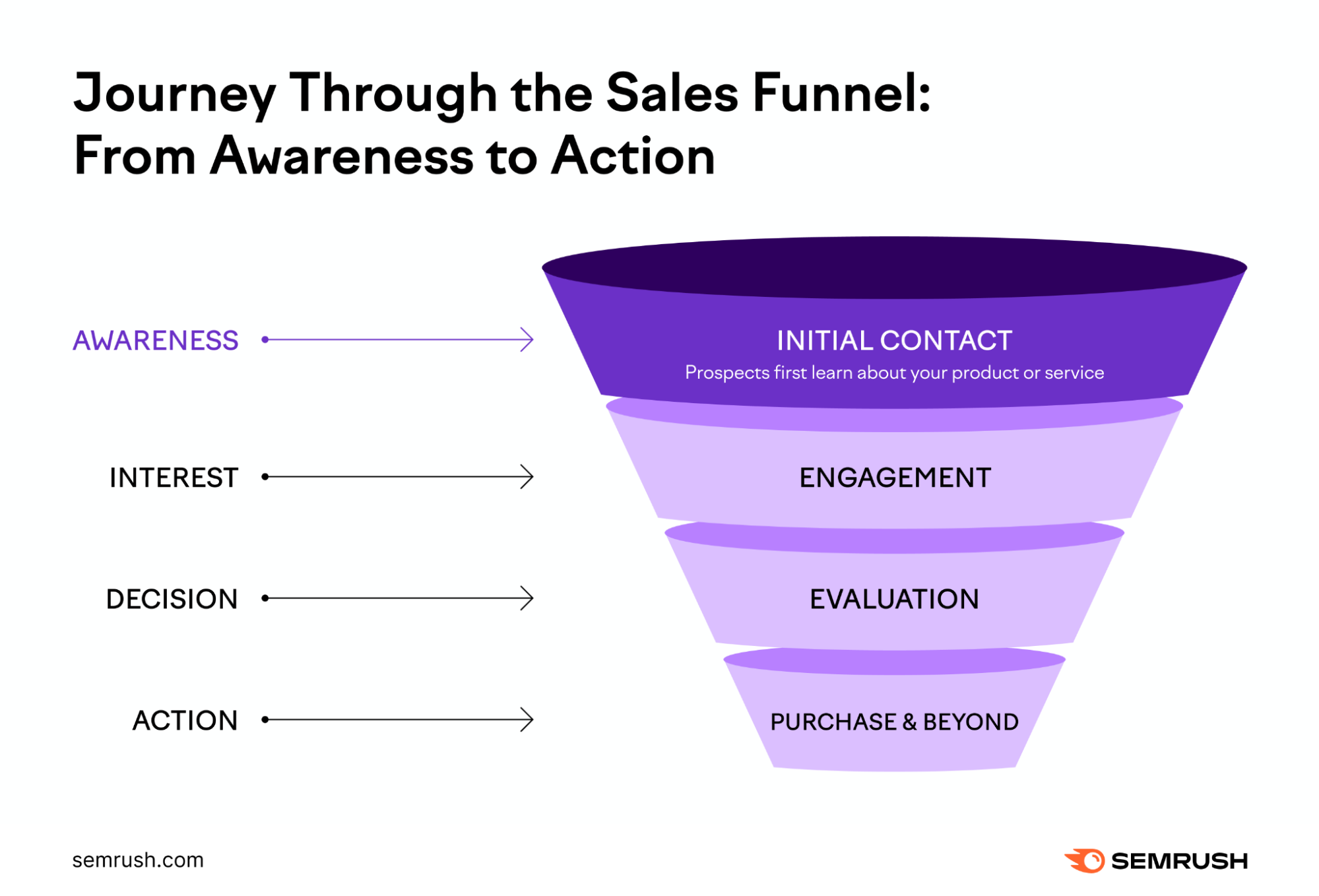
Conversions don’t happen in a vacuum; they occur along specific user journeys. For SMBs, identify the one or two most critical paths – perhaps from a product page to checkout, or from a service page to a contact form. Focus your optimization efforts here.
Key areas to address:
- Simplify Forms: Only ask for essential information. Every extra field increases friction. Consider multi-step forms if you need more data, but make the first step extremely low commitment.
- Clear Calls to Action (CTAs): Use action-oriented language. Make CTAs visually prominent and consistent. Avoid generic “Click Here.”
- Mobile Experience: A significant portion of traffic is mobile. Ensure your site loads quickly and is easy to navigate on smaller screens. Slow mobile performance directly impacts conversions. Core Web Vitals
- Reduce Distractions: Remove unnecessary pop-ups, excessive navigation options, or irrelevant content on conversion-focused pages.
Leveraging Data for Incremental Gains
You don’t need a data science team to make data-driven decisions. For SMBs, accessible tools like Google Analytics 4 (GA4) provide enough insight to identify bottlenecks and opportunities. Focus on understanding user behavior, not just traffic numbers.
- Set Up Conversion Tracking: Ensure GA4 is correctly tracking your key conversions (e.g., purchases, lead form submissions, demo requests). This is non-negotiable. Google Analytics 4 conversion tracking
- Identify Drop-off Points: Use GA4’s funnel reports to see where users abandon the conversion path. Is it on the product page, in the cart, or during checkout?
- Analyze Page Performance: Look at bounce rates and time on page for your critical conversion pages. High bounce rates or short times often signal a problem.
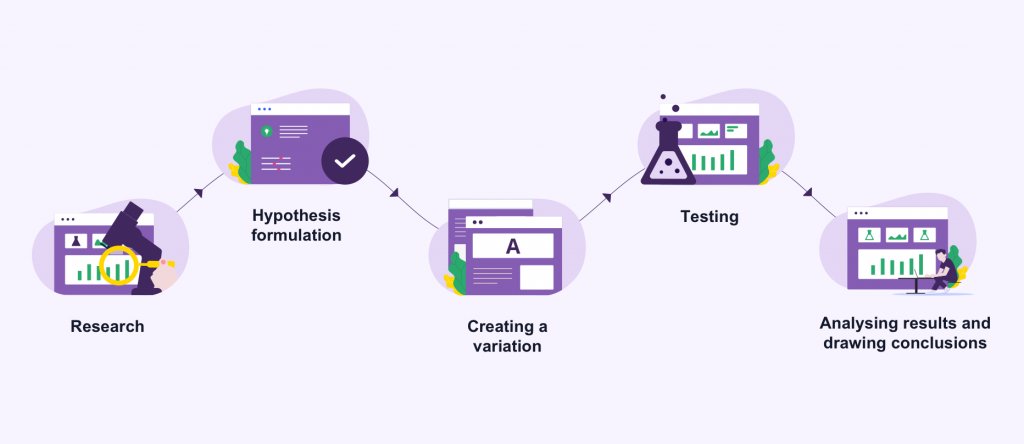
- Simple A/B Testing: Once you’ve identified a clear hypothesis (e.g., “changing this headline will increase clicks”), use built-in tools in your website platform or simple A/B testing tools to test one change at a time. Don’t overcomplicate it.
The Role of Trust and Urgency
Even with a clear message and smooth path, people need a reason to act now and confidence in their decision. Building trust and creating ethical urgency are powerful conversion boosters.
- Social Proof: Display customer testimonials, reviews, case studies, or logos of well-known clients prominently. Real-world validation is incredibly persuasive.
- Security and Privacy: Clearly communicate security measures for transactions and how customer data is protected. A visible SSL certificate is a basic requirement.
- Clear Guarantees/Returns: Reduce perceived risk with clear policies on refunds, returns, or service guarantees.
- Ethical Urgency: Use genuine scarcity (e.g., “only X items left,” “offer ends today”) or time-limited promotions. Avoid fake timers or misleading claims, as these erode trust.
Sustaining Conversion Improvements
Conversion optimization isn’t a one-time project; it’s an ongoing process of learning and refinement. For SMBs, integrate this mindset into your regular marketing operations without creating a new, overwhelming task list.
- Regular Review: Dedicate a small amount of time each month to review your key conversion metrics in GA4. Look for trends, not just isolated numbers.
- Document Changes: Keep a simple log of changes you’ve made and their observed impact. This helps you learn what works for your audience.
- Iterate Based on Data: Don’t be afraid to revert a change if it doesn’t perform. Not every hypothesis will be correct, and that’s part of the learning process.
- Stay Customer-Centric: Always come back to understanding your customer’s needs and challenges. The best optimizations are those that genuinely improve their experience.


Leave a Comment