


The Unshakeable Core: Strategic Vision & Mission
In a world obsessed with the next big marketing hack or AI tool, it’s easy to lose sight of what truly anchors a business: a clear, compelling strategic vision and mission. This isn’t just corporate jargon; it’s your North Star. Without it, every decision, every campaign, every product launch becomes a shot in the dark. From hands-on work, I’ve seen too many businesses chase fleeting trends only to realize they’ve drifted far from their original purpose, or worse, have no purpose at all.
- Vision: Where do you want to be in 5-10 years? This should be aspirational, inspiring, and challenging. It defines your ultimate impact.
- Mission: What do you do, for whom, and why? This is your daily operational guide, outlining your core business and values.
- Values: The guiding principles that dictate behavior and decision-making within your organization. These are non-negotiable.
Your vision and mission aren’t static. They require regular review, especially with rapid market shifts and technological advancements like generative AI. However, the core essence should remain stable enough to provide direction. If you’re constantly rewriting it, you likely don’t have one.
Financial Acumen: Beyond Just Profit Margins
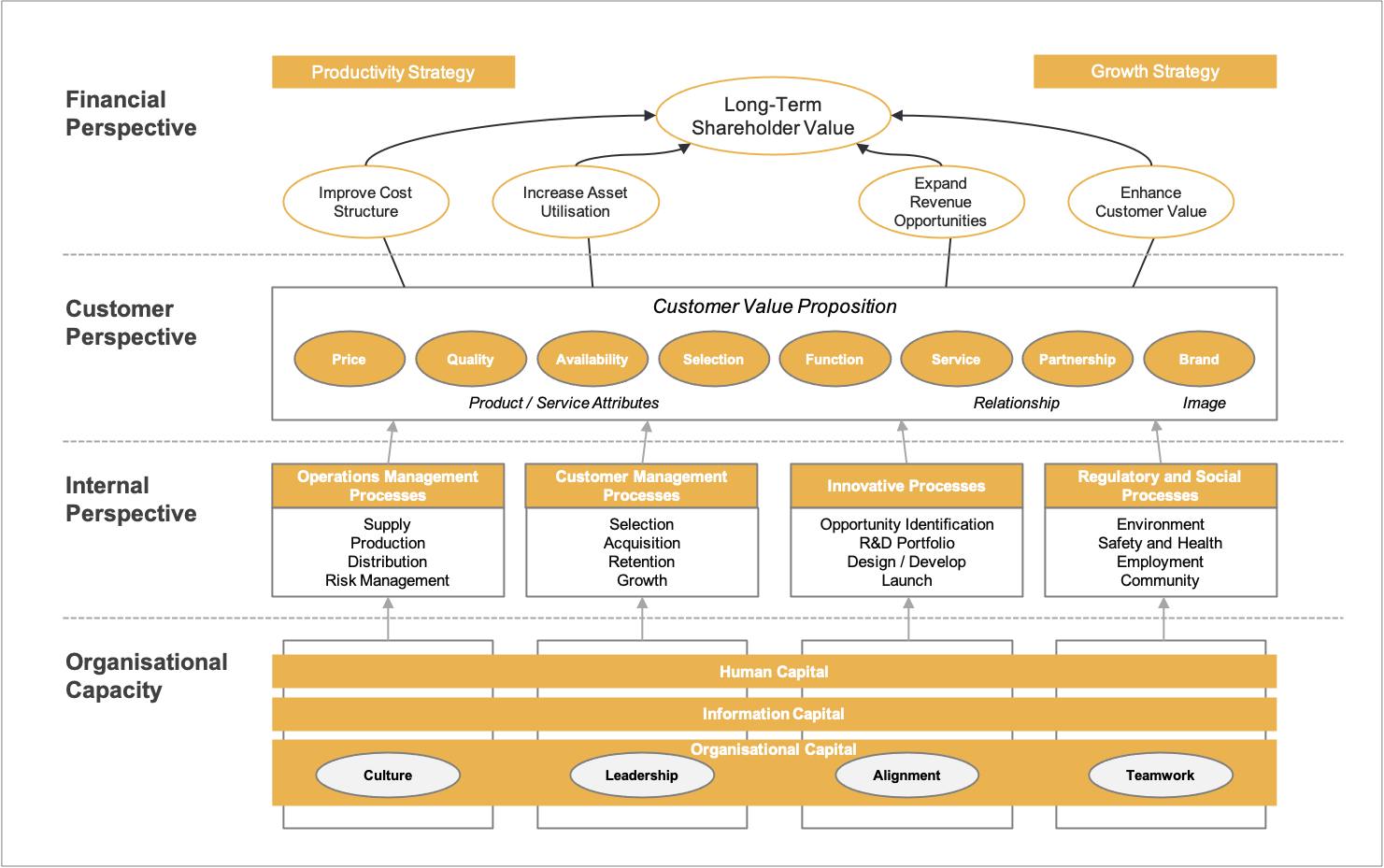
Let’s be blunt: if you don’t understand your numbers, you don’t understand your business. Financial health goes far beyond simply looking at your quarterly profit and loss statement. It’s about cash flow, burn rate, customer acquisition cost (CAC), lifetime value (LTV), gross margins, and understanding your break-even points. In many teams, marketing is often seen as a cost center, but a financially astute marketer can articulate ROI and demonstrate how their efforts directly contribute to the bottom line and sustainable growth.
- Cash Flow Management: The lifeblood of any business. Positive cash flow ensures you can pay bills, invest, and grow without constant external funding.
- Unit Economics: Understand the profitability of each product or service you sell. Are you making money on each transaction, or just hoping volume will cover losses?
- Cost Control: Not just cutting costs, but optimizing them. Distinguish between essential investments and wasteful spending.
- Scenario Planning: What if sales drop by 20%? What if a key supplier doubles prices? Proactive financial modeling is crucial.
A common assumption challenged in today’s startup culture is the “growth at all costs” mentality. While rapid scaling can be exhilarating, it often masks fundamental financial weaknesses. Chasing vanity metrics and burning through capital without a clear path to profitability is a recipe for disaster. Sustainable growth prioritizes healthy unit economics and positive cash flow over sheer user acquisition numbers.

Customer-Centricity Isn’t a Buzzword, It’s a Business Model
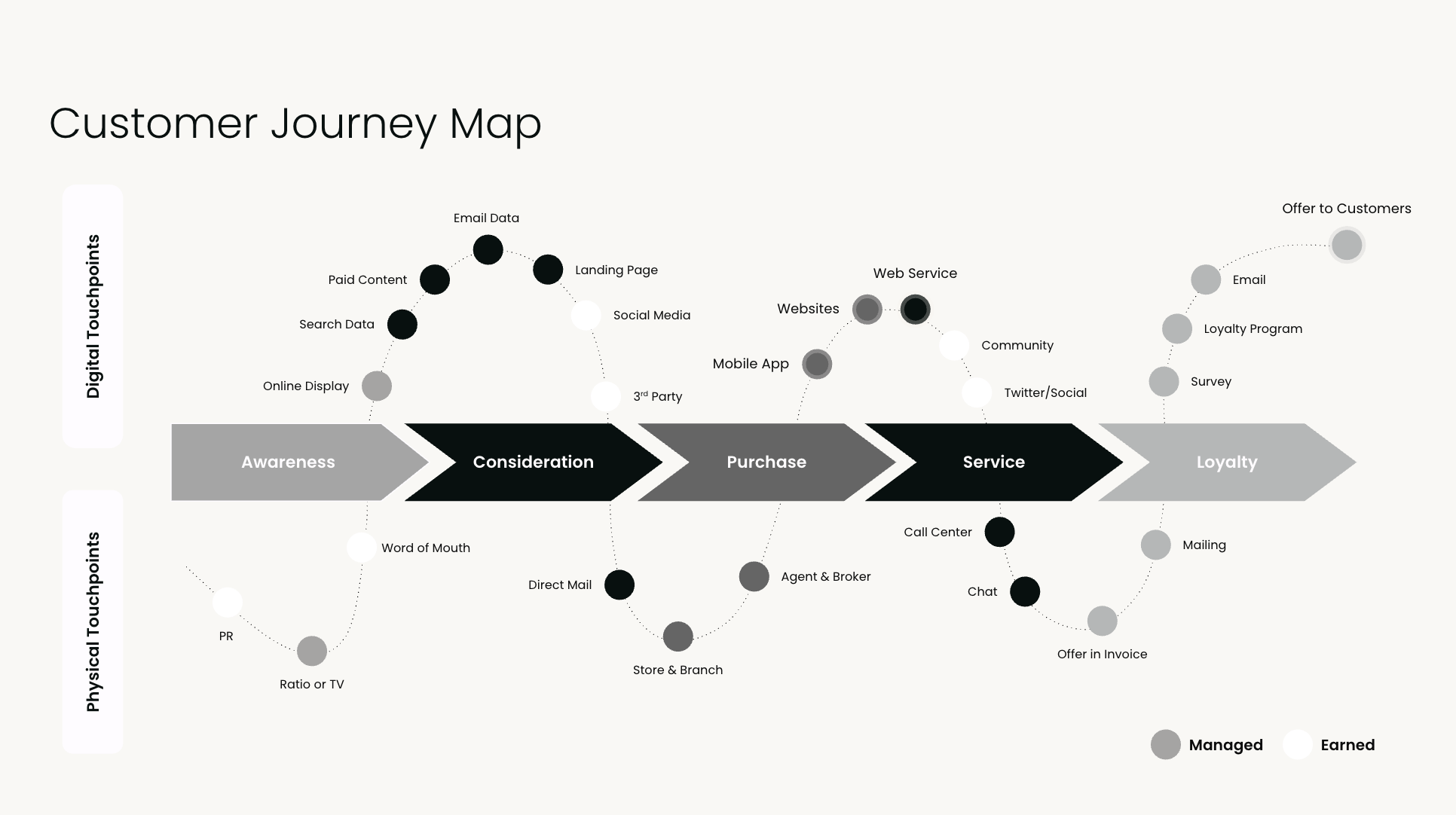
Everyone talks about being customer-centric, but few truly live it. This isn’t just about good customer service; it’s about deeply understanding your target audience’s needs, pain points, and aspirations, then building your entire business around solving them. It means listening more than you talk, observing behavior, and using data to inform every decision, from product development to marketing messaging.
- Active Listening: Beyond surveys, engage in direct conversations, monitor social media, and analyze customer support interactions.
- Data-Driven Insights: Utilize CRM data, website analytics, and AI-powered sentiment analysis to identify patterns and preferences.
- Feedback Loops: Establish clear channels for customers to provide input and, critically, demonstrate how their feedback leads to improvements.
- Personalization at Scale: Leverage AI tools to deliver tailored experiences and communications, making each customer feel valued.
A limitation of blindly pursuing customer-centricity is the risk of over-indexing on the vocal minority. While feedback is vital, it’s crucial to differentiate between widespread issues and niche complaints. Sometimes, a vocal segment might advocate for features or changes that don’t align with the broader market’s needs or the company’s strategic vision. Balancing direct feedback with quantitative data and strategic objectives is key to avoiding feature bloat or misdirected efforts.
Operational Excellence: The Engine Room of Growth
Behind every successful marketing campaign and every satisfied customer is a well-oiled operational machine. Operational excellence is about streamlining processes, eliminating waste, and ensuring consistency and quality across all facets of your business. It’s not glamorous, but it’s fundamental. In real campaigns, I’ve seen brilliant marketing efforts fall flat because the operations couldn’t deliver on the promise – whether it was slow fulfillment, buggy software, or poor post-sale support.
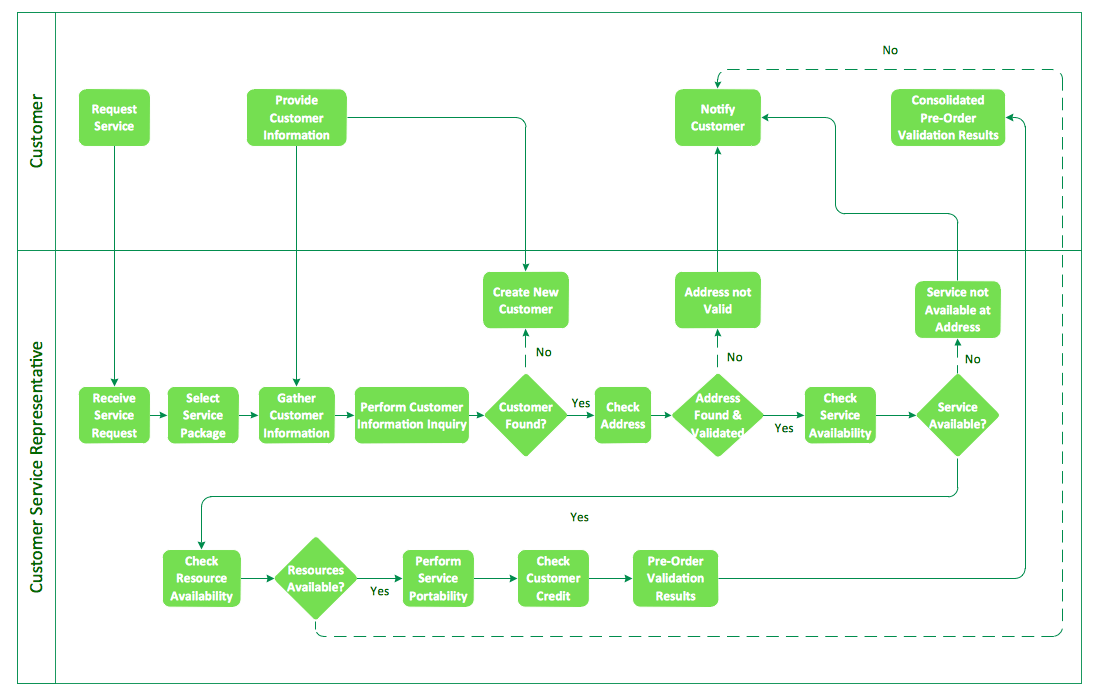
- Process Mapping & Optimization: Document your key workflows and identify bottlenecks or inefficiencies.
- Technology Integration: Leverage tools (CRM, ERP, marketing automation, AI-driven analytics) to automate repetitive tasks and improve data flow.
- Quality Control: Implement robust systems to ensure your products or services consistently meet high standards.
- Supply Chain Management: For physical products, an efficient and resilient supply chain is non-negotiable.
This approach may NOT work well in highly creative or research-intensive environments where standardization can stifle innovation. For instance, a pure R&D lab or an avant-garde design studio might find rigid operational processes counterproductive to their core function of exploration and experimentation. The key is to apply operational rigor where consistency and efficiency are paramount, while allowing flexibility where creativity and discovery are the primary drivers.
Adaptability & Innovation in a Dynamic Market
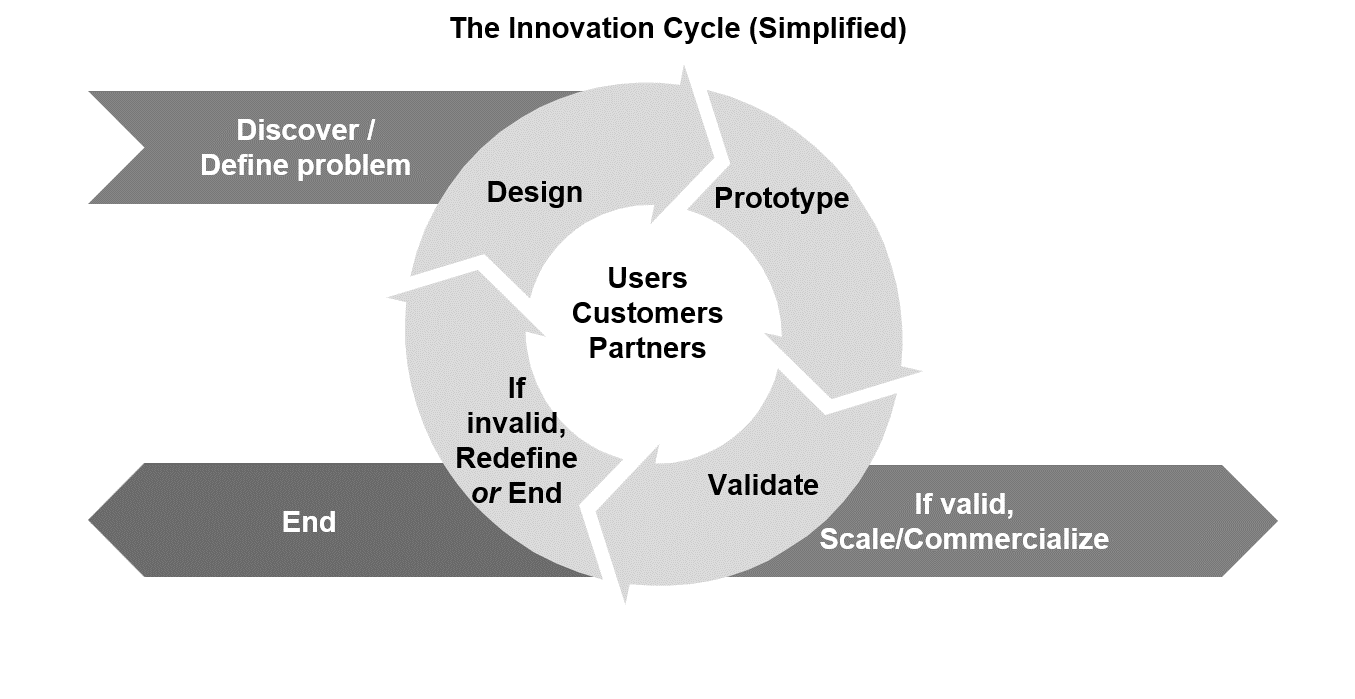
The only constant in business is change. From the rapid evolution of AI capabilities to shifting consumer behaviors and global economic fluctuations, businesses must be inherently adaptable and foster a culture of continuous innovation. Stagnation is a death sentence. This isn’t about chasing every shiny new object, but about building an organizational muscle that can anticipate, respond to, and even drive change.
- Market Intelligence: Continuously monitor industry trends, competitor activities, and technological advancements.
- Experimentation Culture: Encourage testing new ideas, even small ones, and learning from failures.
- Agile Methodologies: Apply agile principles beyond software development to marketing, product, and even strategic planning.
- Talent Development: Invest in upskilling your team, particularly in areas like AI literacy and data analytics, to keep pace with evolving demands.
Cultivating a Resilient Business Ecosystem
Building a business for long-term success isn’t a one-time project; it’s an ongoing commitment to these fundamental principles. It requires discipline, foresight, and a willingness to evolve. By focusing on a clear strategic vision, robust financial health, genuine customer-centricity, operational excellence, and a culture of adaptability, you’re not just surviving – you’re building a resilient ecosystem capable of thriving through any market condition. The tools and tactics will change, but these core pillars remain the bedrock of enduring growth and profitability.


Leave a Comment