


Understanding the Evolving SEO Landscape
The realm of Search Engine Optimization (SEO) is in a constant state of flux, driven by advancements in artificial intelligence and evolving user behaviors. Today, search engines prioritize understanding user intent with unprecedented accuracy, moving beyond simple keyword matching to contextual relevance. This shift demands a more sophisticated, holistic approach to SEO that integrates technical prowess with deep content strategy.
For businesses aiming for sustainable growth, merely chasing rankings is insufficient. The focus must be on delivering exceptional user experience, establishing genuine authority, and building trust. This involves adapting to core algorithm updates, understanding E-E-A-T (Experience, Expertise, Authoritativeness, Trustworthiness) principles, and leveraging data to refine strategies continuously.
Foundational Technical SEO for Performance
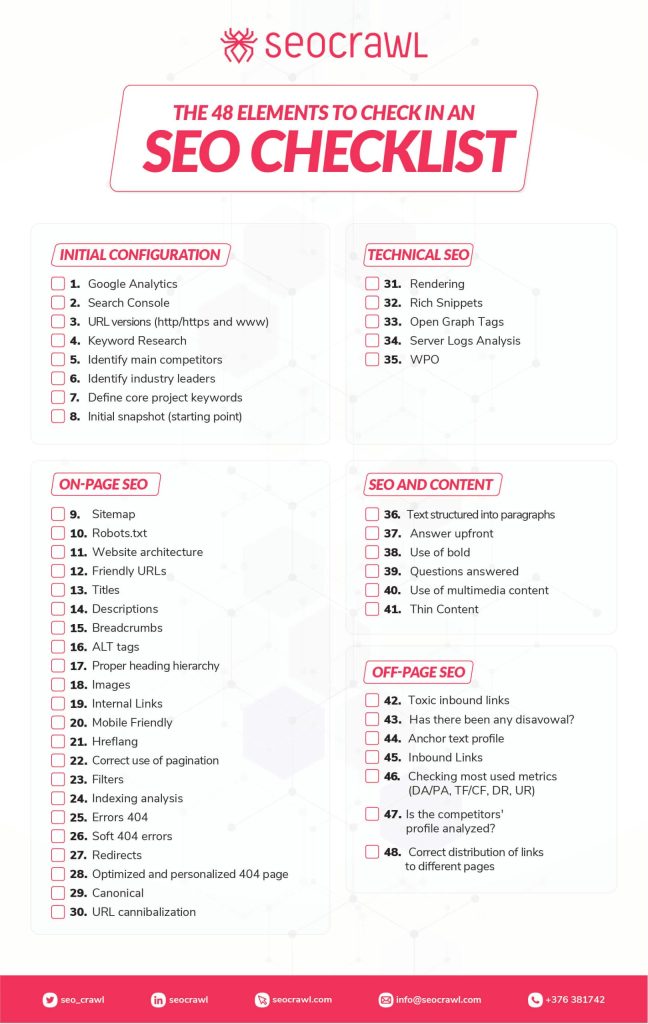
A robust technical foundation is non-negotiable for any successful SEO strategy. Site speed, mobile responsiveness, and Core Web Vitals remain critical ranking factors, directly impacting user experience and search engine crawlability. Ensuring your website loads quickly and functions flawlessly across all devices is paramount for retaining visitors and signaling quality to search engines.
Beyond speed, proper crawlability and indexability are essential. This includes optimizing your robots.txt file, creating a clean XML sitemap, and addressing any broken links or redirect chains. Implementing structured data (schema markup) also helps search engines better understand your content, potentially leading to richer search results and improved visibility.
- Optimize Core Web Vitals (LCP, FID, CLS).
- Ensure mobile-first indexing compliance.
- Implement valid schema markup for content types.
- Maintain a clean site architecture and internal linking.
Strategic Keyword Research and Intent Mapping
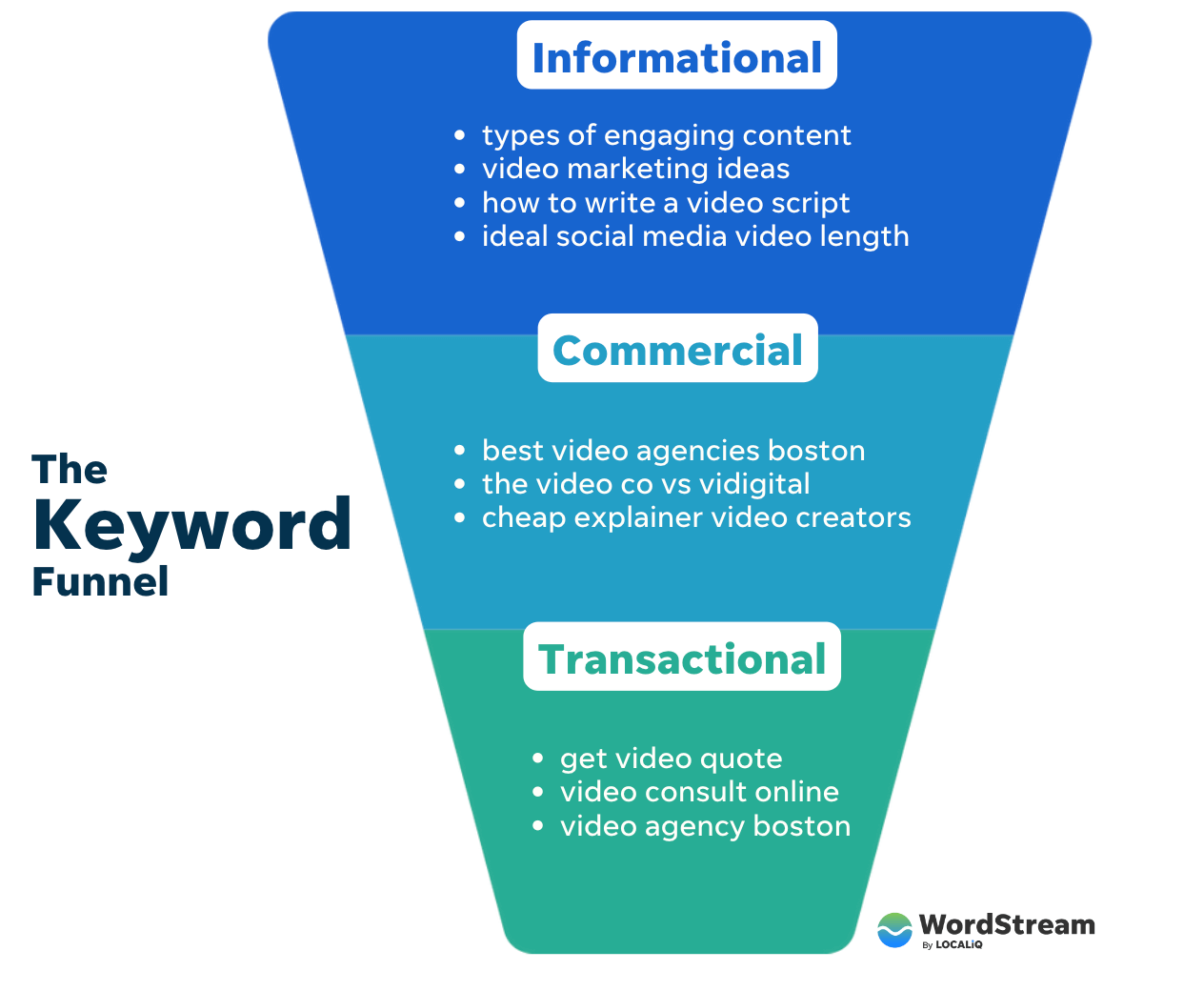
Effective keyword research has evolved from simply finding high-volume terms to deeply understanding user intent. Businesses must identify not just what users are searching for, but why they are searching. This involves categorizing keywords by intent – informational, navigational, transactional, or commercial investigation – and tailoring content to meet those specific needs at various stages of the customer journey.
Long-tail keywords, though lower in individual search volume, often carry higher conversion potential due to their specificity. Semantic SEO, which focuses on topics and related concepts rather than isolated keywords, is also crucial. Tools for competitive keyword analysis can reveal gaps and opportunities, allowing businesses to target underserved niches and outrank competitors.
- Identify primary and secondary user intent for keywords.
- Target long-tail keywords for specific queries.
- Analyze competitor keyword strategies.
- Map keywords to content types and funnel stages.
n
Content Optimization for Authority and Engagement
High-quality, comprehensive content is the cornerstone of modern SEO. Content must not only be well-written but also demonstrate deep expertise, provide unique value, and thoroughly answer user questions. Adhering to E-E-A-T principles means showcasing credible sources, author bios, and transparent information to build trust with both users and search engines.
Optimizing content extends beyond text. It involves structuring articles with clear headings, using bullet points and lists for readability, and integrating relevant multimedia like images, videos, and infographics. Strategic internal linking helps distribute link equity, guides users through related content, and reinforces topical authority within your site.
Leveraging AI and Automation in SEO
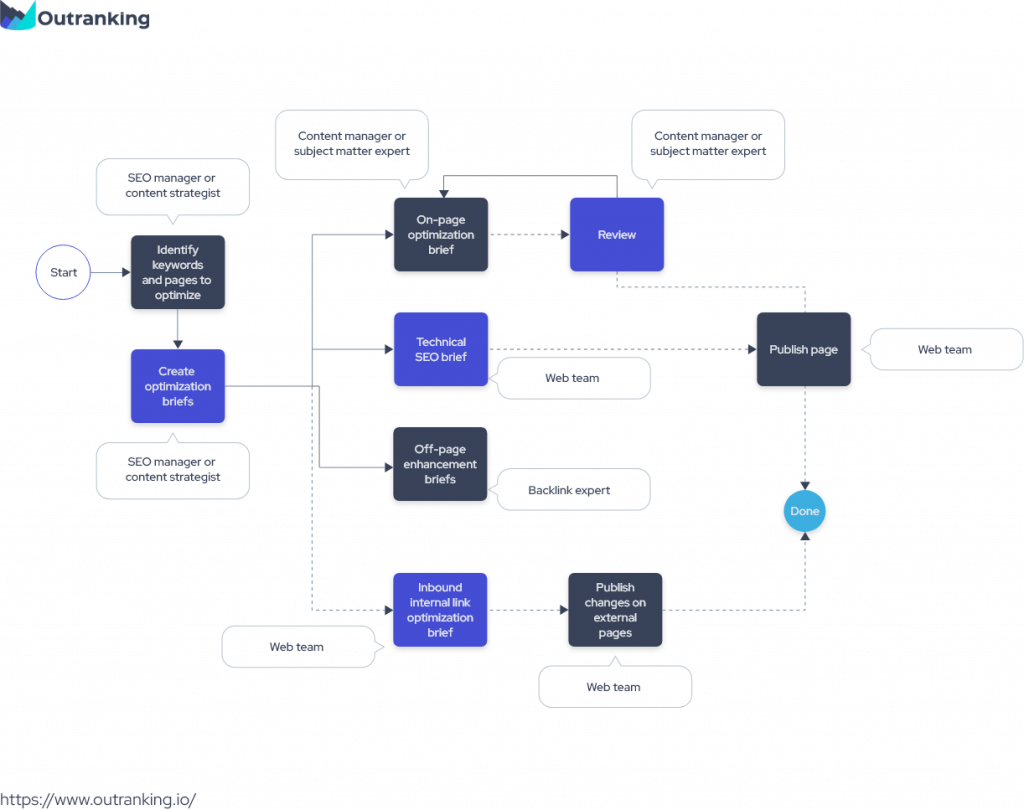
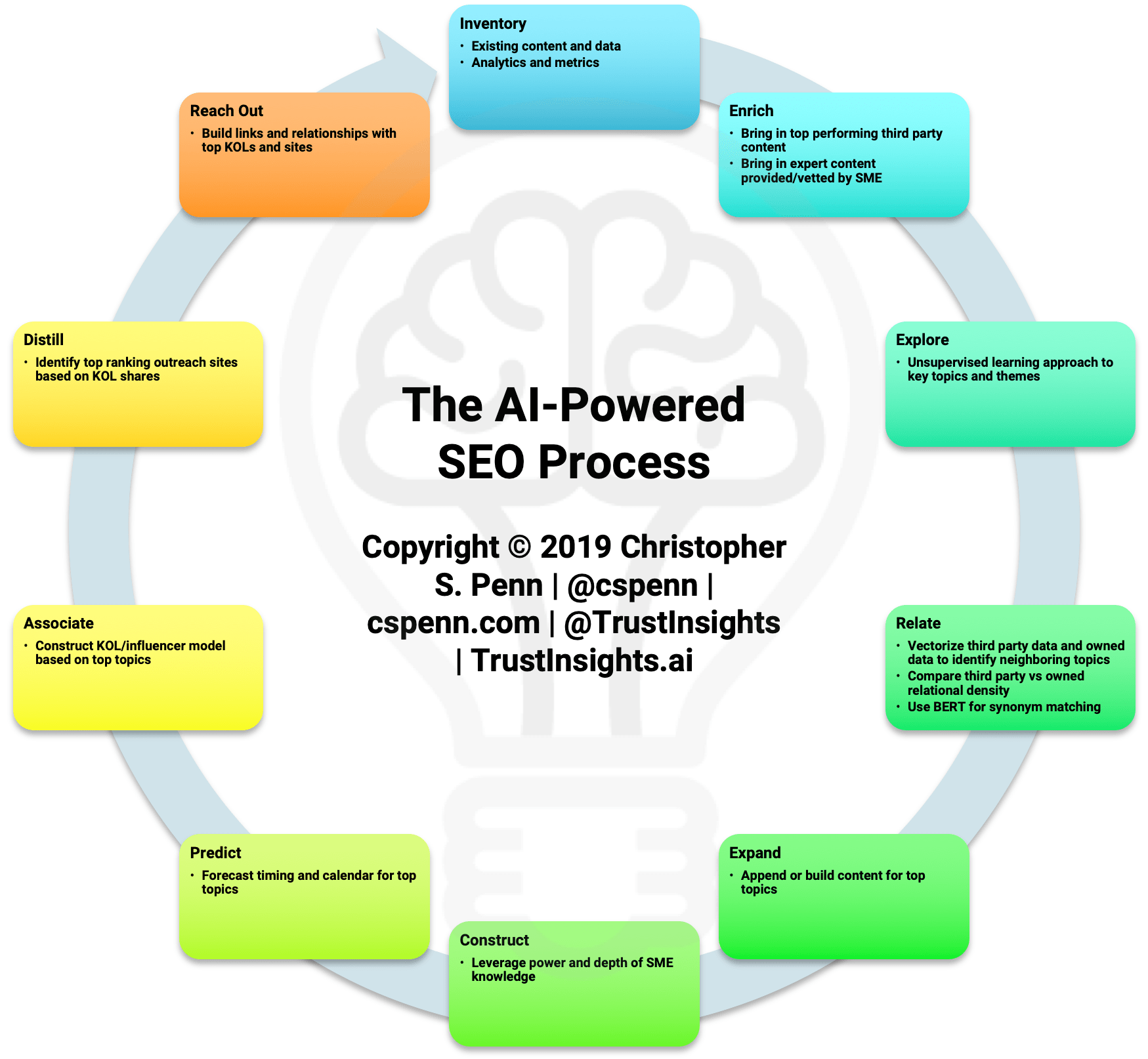
Artificial intelligence is rapidly transforming SEO workflows, offering unprecedented capabilities for data analysis, content ideation, and optimization. AI-powered tools can process vast amounts of data to identify keyword opportunities, predict search trends, and even assist in generating content outlines or drafts. This allows strategists to focus on higher-level strategic thinking and refinement.
However, AI in SEO is a co-pilot, not an autopilot. While AI can automate repetitive tasks like technical audits or competitive analysis, human oversight is critical for ensuring accuracy, maintaining brand voice, and adding the unique insights that only human creativity can provide. Integrating AI responsibly enhances efficiency and precision, freeing up resources for more impactful initiatives.
- Utilize AI for keyword trend analysis and topic clustering.
- Employ AI tools for technical SEO audits and error detection.
- Leverage AI for content ideation and draft generation (with human review).
- Automate routine reporting and performance monitoring.
Building a Robust Backlink Profile
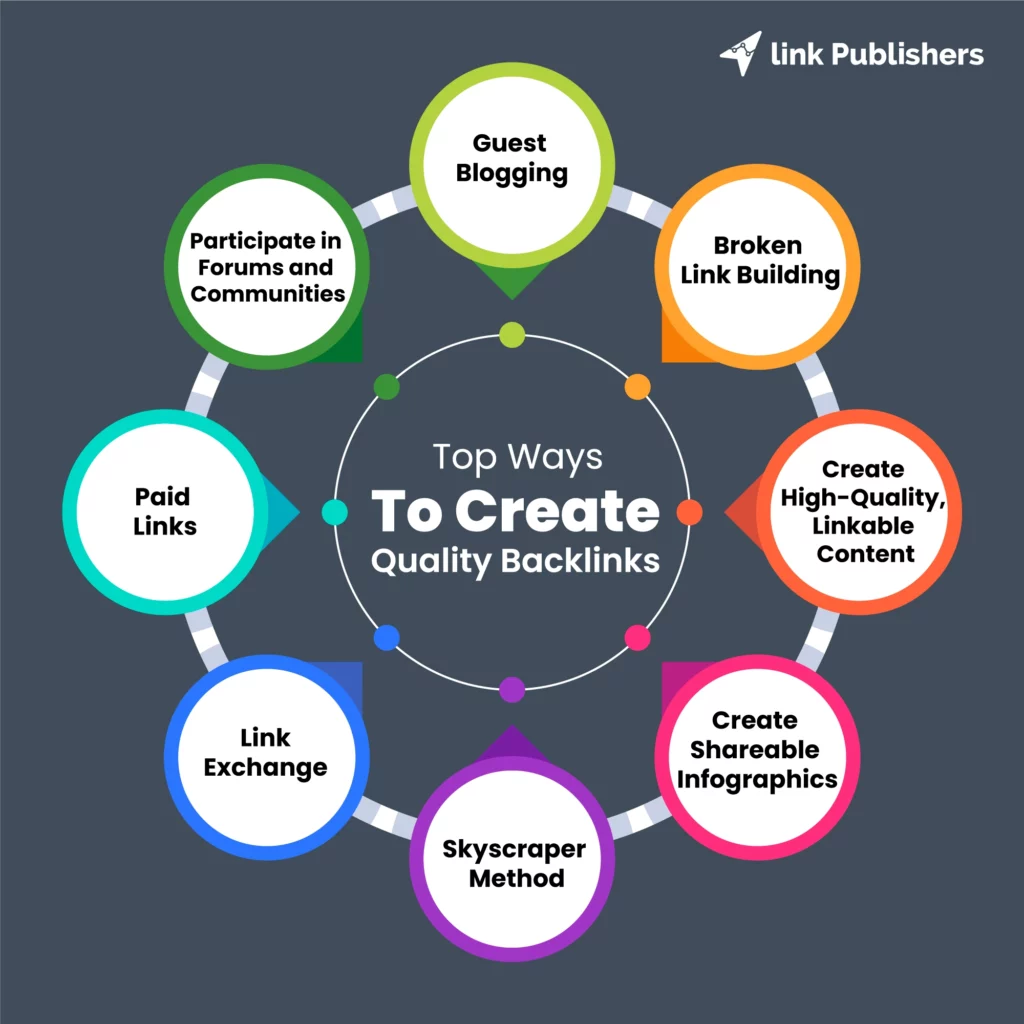
Backlinks remain a powerful signal of authority and trustworthiness to search engines. However, the emphasis has shifted dramatically from quantity to quality. Earning high-quality backlinks from reputable, relevant websites is far more impactful than acquiring numerous low-quality or spammy links. This requires a strategic approach focused on creating link-worthy content and engaging in genuine outreach.
Effective backlink strategies include guest posting on authoritative sites, broken link building, creating valuable resources that naturally attract links, and fostering relationships with industry influencers. Diversifying your link profile across various reputable domains signals a natural and organic growth pattern, which is favored by search algorithms.
Measuring SEO Success and Adapting Strategies
To ensure continuous business growth, SEO efforts must be rigorously measured and analyzed. Key Performance Indicators (KPIs) extend beyond simple keyword rankings to include organic traffic volume, conversion rates from organic search, bounce rate, time on page, and user engagement metrics. These provide a holistic view of how SEO contributes to business objectives.
Regular SEO audits are essential for identifying areas for improvement and adapting to algorithm changes. A/B testing different content formats, meta descriptions, or calls-to-action can reveal optimal strategies. The SEO landscape is dynamic; therefore, an iterative approach, where strategies are constantly refined based on performance data and industry trends, is crucial for sustained success.

Future-Proofing Your SEO for Sustained Growth
In an ever-evolving digital ecosystem, future-proofing your SEO strategy means prioritizing adaptability, user experience, and genuine value creation. Focus on building a strong brand presence and authority that transcends transient algorithm updates. By consistently delivering high-quality, relevant content and ensuring a seamless user journey, businesses can cultivate a loyal audience and robust organic visibility.
The most effective SEO tactics for business growth are those that align with fundamental principles of good marketing: understanding your audience, providing solutions, and building trust. Embrace emerging technologies like AI as tools to enhance these efforts, but always anchor your strategy in human-centric design and a commitment to long-term value.


Leave a Comment